Asia’s Floating Markets: A Must-See Experience
26 June 2026
Ever dreamt of cruising through a bustling marketplace where boats replace streets, and vendors sell everything from exotic fruits to steaming hot bowls of noodles—all from wooden canoes? Welcome to Asia’s floating markets, a surreal sight that blends tradition, culture, and commerce in the most picturesque setting imaginable.
These markets have been around for centuries, serving as vital trade hubs before modern roads and highways took over. While their functional role has diminished, they remain an essential part of local heritage and a fascinating experience for visitors. Whether it’s Thailand’s iconic Damnoen Saduak or Vietnam’s colorful Cai Rang, each floating market has its own charm and story to tell.
Let’s dive into the world of floating markets and find out why they should be on your must-see list. 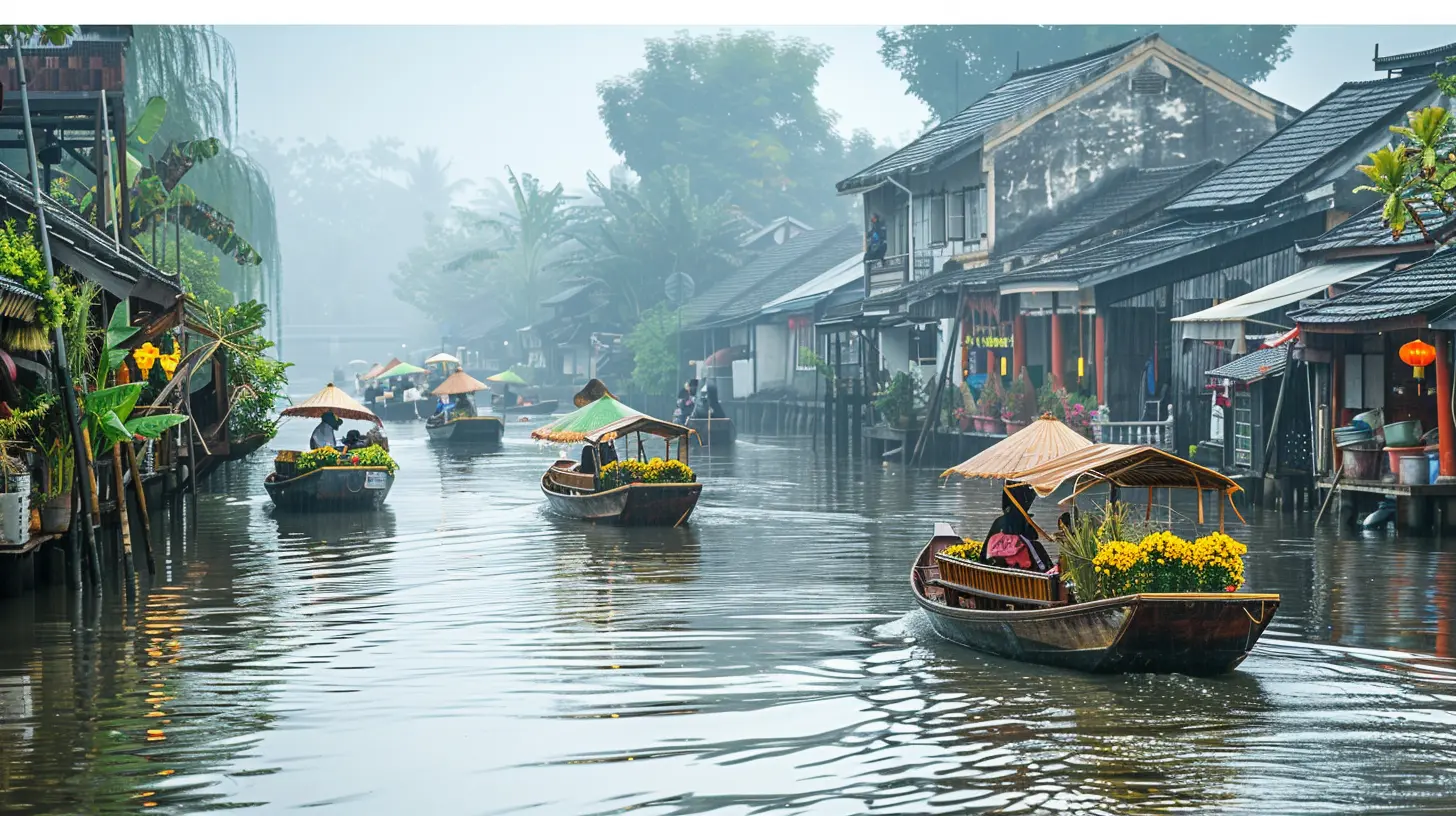
The Appeal of Floating Markets
1. A Glimpse into a Bygone Era
Before highways and shopping malls, waterways were the lifelines of trade in many Asian countries. Floating markets emerged as natural shopping centers where farmers and traders could sell their goods without needing to travel far. Even today, visiting one feels like stepping into a living museum. The sight of wooden boats loaded with tropical fruits, fresh seafood, and handcrafted souvenirs is a refreshing break from the monotonous supermarket experience.2. The Vibrant Atmosphere
If you think a regular market is lively, wait until you see a floating one! There’s something electric about the clatter of oars, the chatter of vendors bargaining, and the fragrant steam wafting from boat-side kitchens. It’s chaos—but the kind that fills you with excitement rather than stress.3. Mouthwatering Floating Feasts
Forget fancy restaurants. Some of the best food you’ll ever eat comes straight from a boat. Vendors whip up sizzling Pad Thai, aromatic pho, and coconut pancakes right in front of you. The best part? You can enjoy these delicacies while gently bobbing on the water, soaking in the scenic surroundings.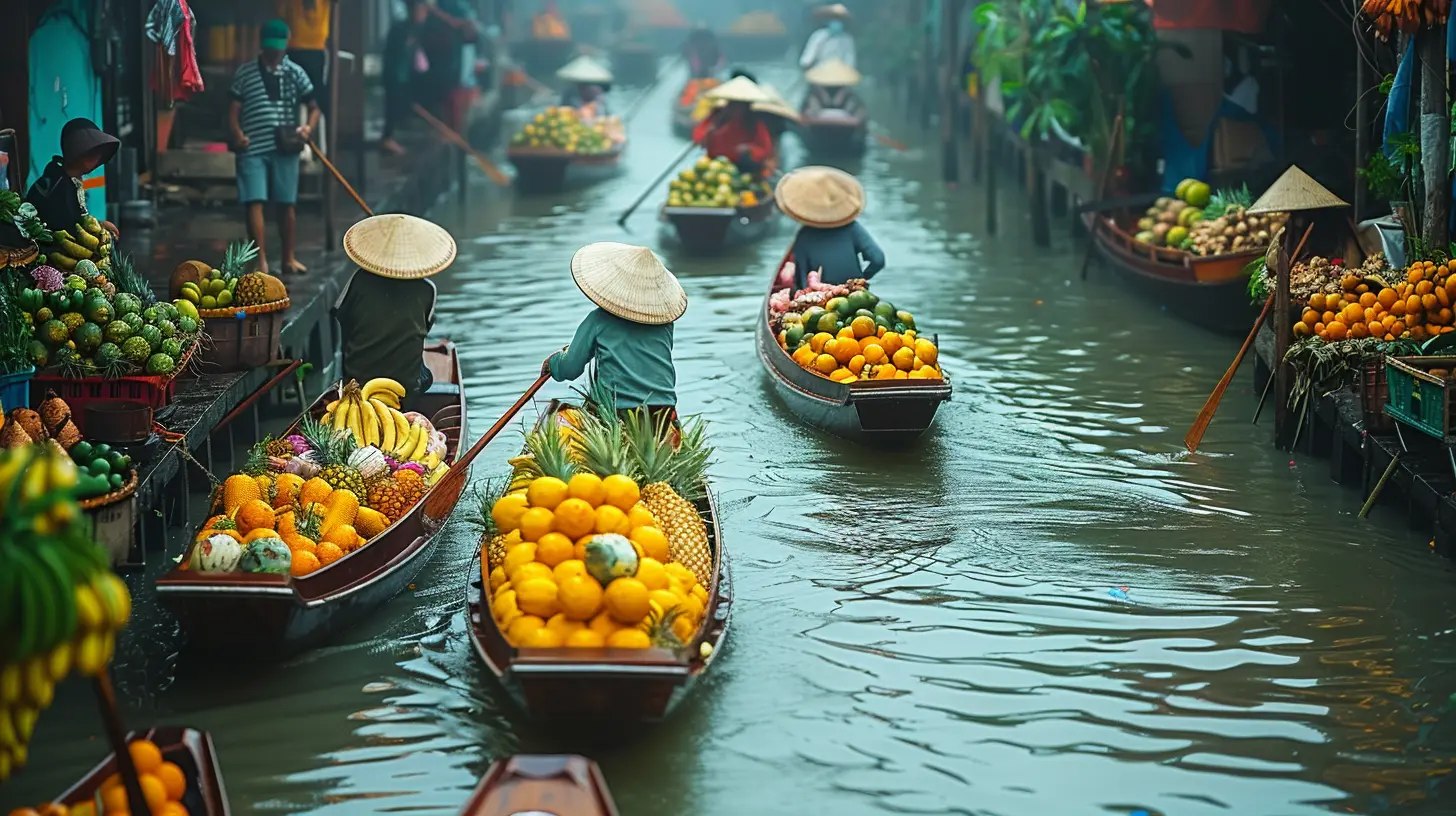
Must-Visit Floating Markets in Asia
Not all floating markets are the same. Some operate at dawn, others bustle throughout the day, and their offerings vary depending on the region. Here are some of the most famous ones you shouldn't miss.1. Damnoen Saduak Floating Market – Thailand
Easily Thailand’s most famous floating market, Damnoen Saduak is picture-perfect. Located about 100 km from Bangkok, it’s a maze of canals lined with wooden boats overflowing with colorful produce and delicious street food.- Best Time to Visit: Early morning before the crowds get overwhelming.
- Must-Try Dish: Boat noodles—thin rice noodles in a rich, flavorful broth served from tiny sampans.
- Pro Tip: Hire a smaller boat to explore the quieter sections of the market for a more intimate experience.
2. Cai Rang Floating Market – Vietnam
Unlike Thailand’s floating markets, Vietnam’s Cai Rang is less touristy and more about actual trade. It’s the largest wholesale floating market in the Mekong Delta, where boats piled high with fruits, vegetables, and even household goods navigate the murky waters.- Best Time to Visit: Before sunrise; by 9 AM, most trading winds down.
- Must-Try Dish: Bánh mì (Vietnamese sandwich) or a steaming bowl of hu tieu (pork noodle soup).
- Pro Tip: Look for long sticks extending from boats—these display samples of what each vendor is selling.
3. Lok Baintan Floating Market – Indonesia
Tucked away in Banjarmasin, South Kalimantan, Lok Baintan is a lesser-known yet equally captivating floating market. Here, local Banjarese women in traditional attire paddle their canoes, selling everything from bananas and pineapples to handmade woven goods.- Best Time to Visit: Around 6 AM, when the market is most lively.
- Must-Try Dish: Soto Banjar, a fragrant chicken and rice noodle soup.
- Pro Tip: Go on a weekday for a more authentic experience with fewer tourists.
4. Taling Chan Floating Market – Thailand
For those who want to experience a floating market without venturing too far from Bangkok, Taling Chan is a fantastic option. Unlike Damnoen Saduak, it’s less commercialized and offers an excellent mix of food, crafts, and live traditional music.- Best Time to Visit: Weekend mornings.
- Must-Try Dish: Grilled river prawns—fresh, juicy, and smoky from the charcoal grill.
- Pro Tip: Combine your visit with a boat trip to nearby orchid farms and temples.
5. Amphawa Floating Market – Thailand
If you’re looking for a market that comes alive in the evening, Amphawa is the place to be. Located about 90 km southwest of Bangkok, it’s famous for its seafood grilled right on the boats. Come sundown, the canals light up with glowing lanterns and fireflies.- Best Time to Visit: Late afternoon to evening.
- Must-Try Dish: Salt-crusted grilled fish served with spicy dipping sauce.
- Pro Tip: Stick around for a boat ride to see the fireflies at night—it’s magical. 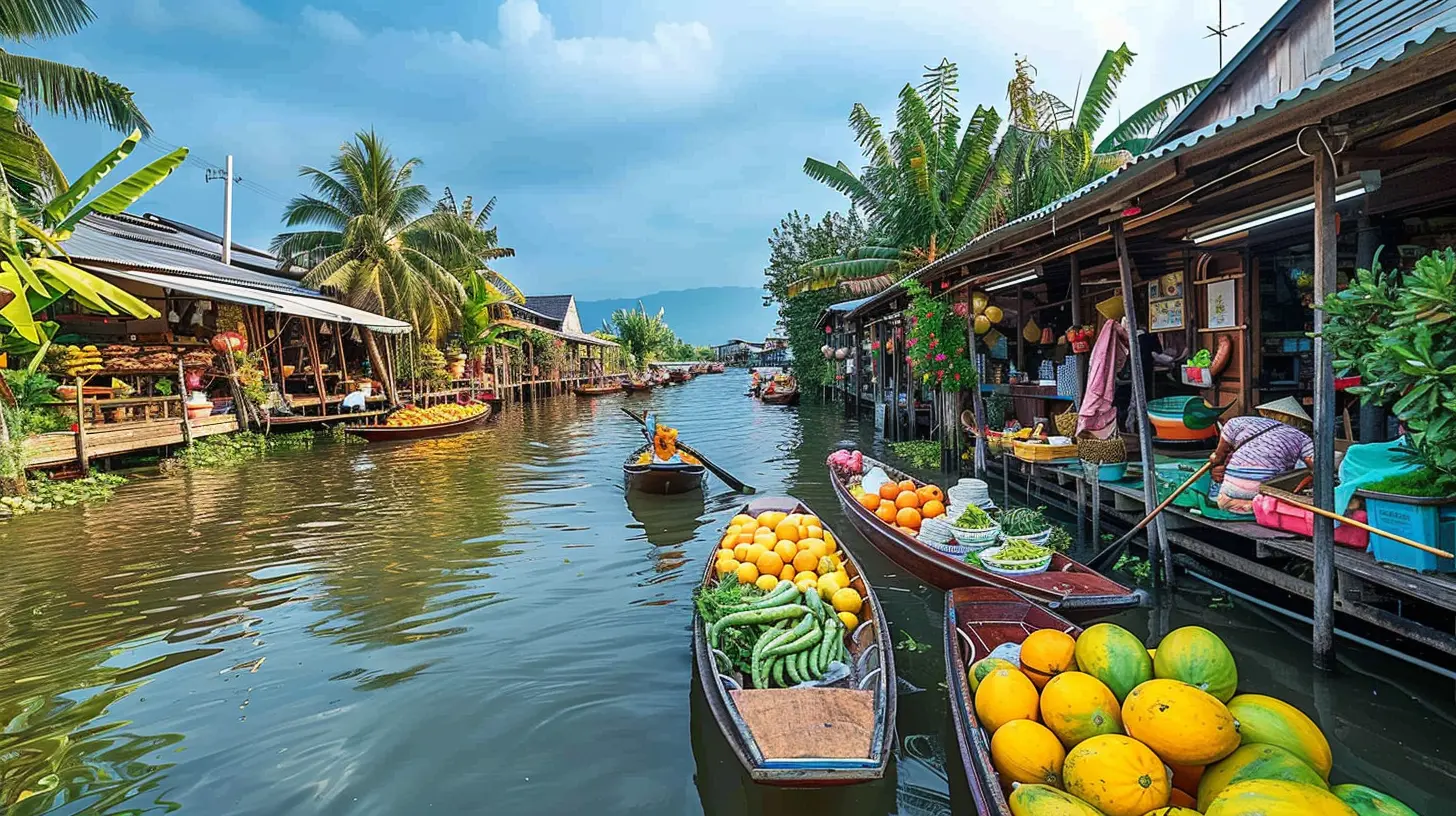
Essential Tips for Visiting a Floating Market
1. Arrive Early
Markets start bustling before dawn, and the best produce (and deals) go early. Plus, an early visit means fewer tourists and better photos.2. Bring Small Cash
Most vendors don’t accept cards or large bills, so carry plenty of small denominations for smoother transactions.3. Bargain, But Politely
Haggling is expected, but always be respectful. A smile and some friendly banter can go a long way in getting a fair deal.4. Wear Comfortable Attire
It can get hot and humid, so dress appropriately. Also, be prepared for occasional splashes if you're sitting close to the water.5. Go With an Open Mind
Floating markets are chaotic, noisy, and sometimes overwhelming—but that’s part of the charm. Embrace the experience, try something new, and enjoy the ride.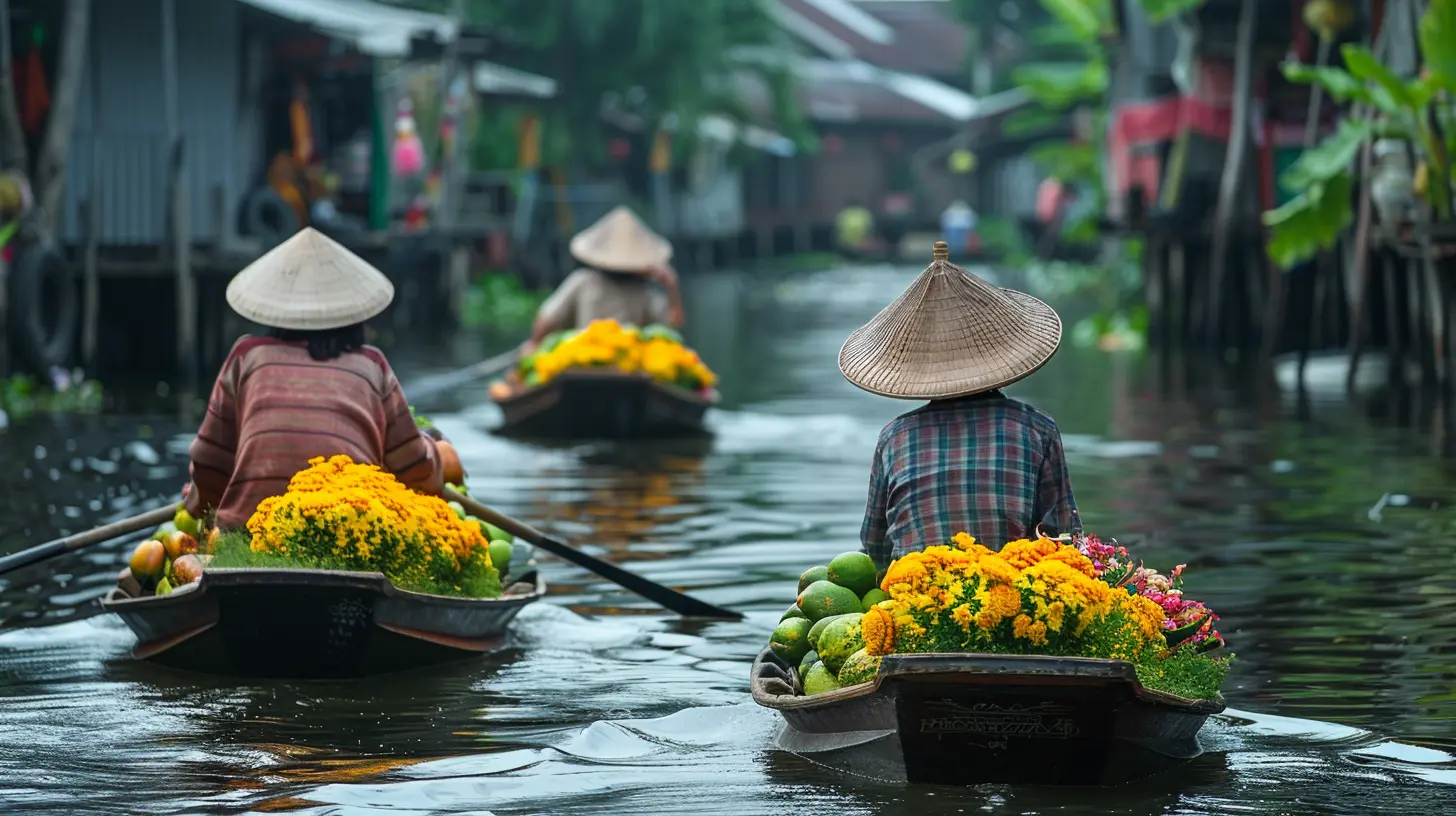
Why Floating Markets Are More Than Just a Tourist Attraction
While they may seem like tourist hotspots today, floating markets play a crucial role in preserving cultural heritage. They keep age-old trading traditions alive, support local economies, and provide a unique shopping experience unlike any other.More importantly, they’re a reminder that in a world dominated by digital transactions and mega malls, there’s still beauty in simple, face-to-face exchanges. There’s something undeniably special about watching a vendor scoop hot soup into a bowl, handing it over with a warm smile—all from the comfort of a gently rocking boat.
So, next time you’re planning a trip to Southeast Asia, don’t just stick to the skyscrapers and shopping malls. Take a detour to one of these mesmerizing floating markets. Trust me, it’ll be one of the most unforgettable experiences of your journey.
all images in this post were generated using AI tools
Category:
Asia TravelAuthor:

Kelly Hall