Backcountry Survival Skills Every Hiker Should Know
5 February 2026
Venturing into the wild is like stepping into Mother Nature’s living room—beautiful, serene, and sometimes a little unpredictable. Whether you’re a weekend wanderer or a seasoned trail junkie, heading into the backcountry isn’t just about packing granola bars and snapping epic selfies. It’s also about being mentally and physically prepared for the curveballs the wild might throw at you. So, what if your GPS dies? Or you twist your ankle miles away from the nearest road? That’s where survival skills come into play.
Let’s dive into the essential backcountry survival skills every hiker should know before they even think about lacing up their boots.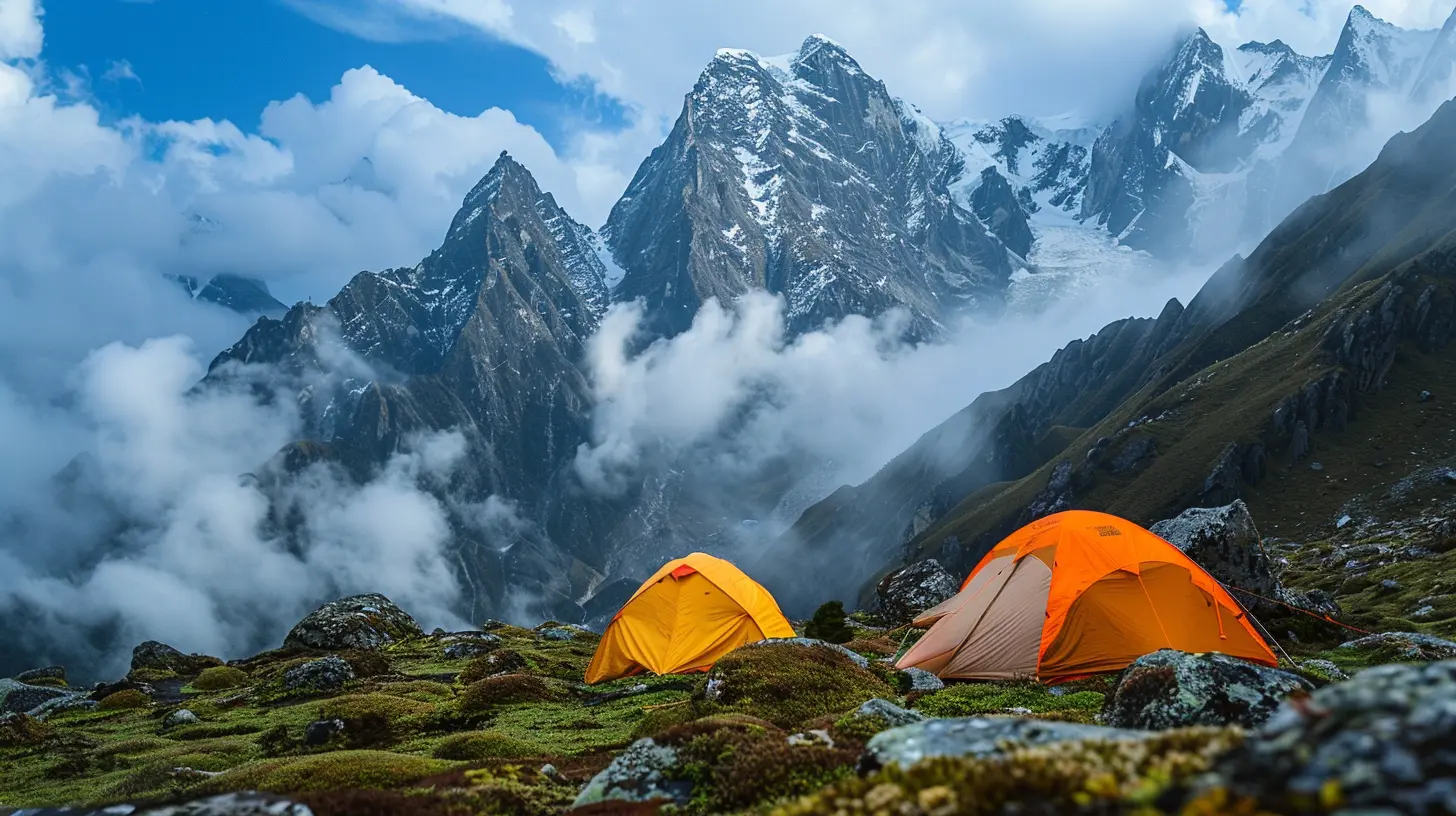
Why Survival Skills Matter in the Backcountry
Survival skills? Sounds intense, right? But here’s the truth: survival isn't just about life-or-death situations. It can mean the difference between spending an uncomfortable night shivering under a tree and sleeping warmly in a makeshift shelter. It can mean navigating out instead of wandering in circles. When you're off the beaten path, knowing how to fend for yourself isn’t just smart—it’s vital.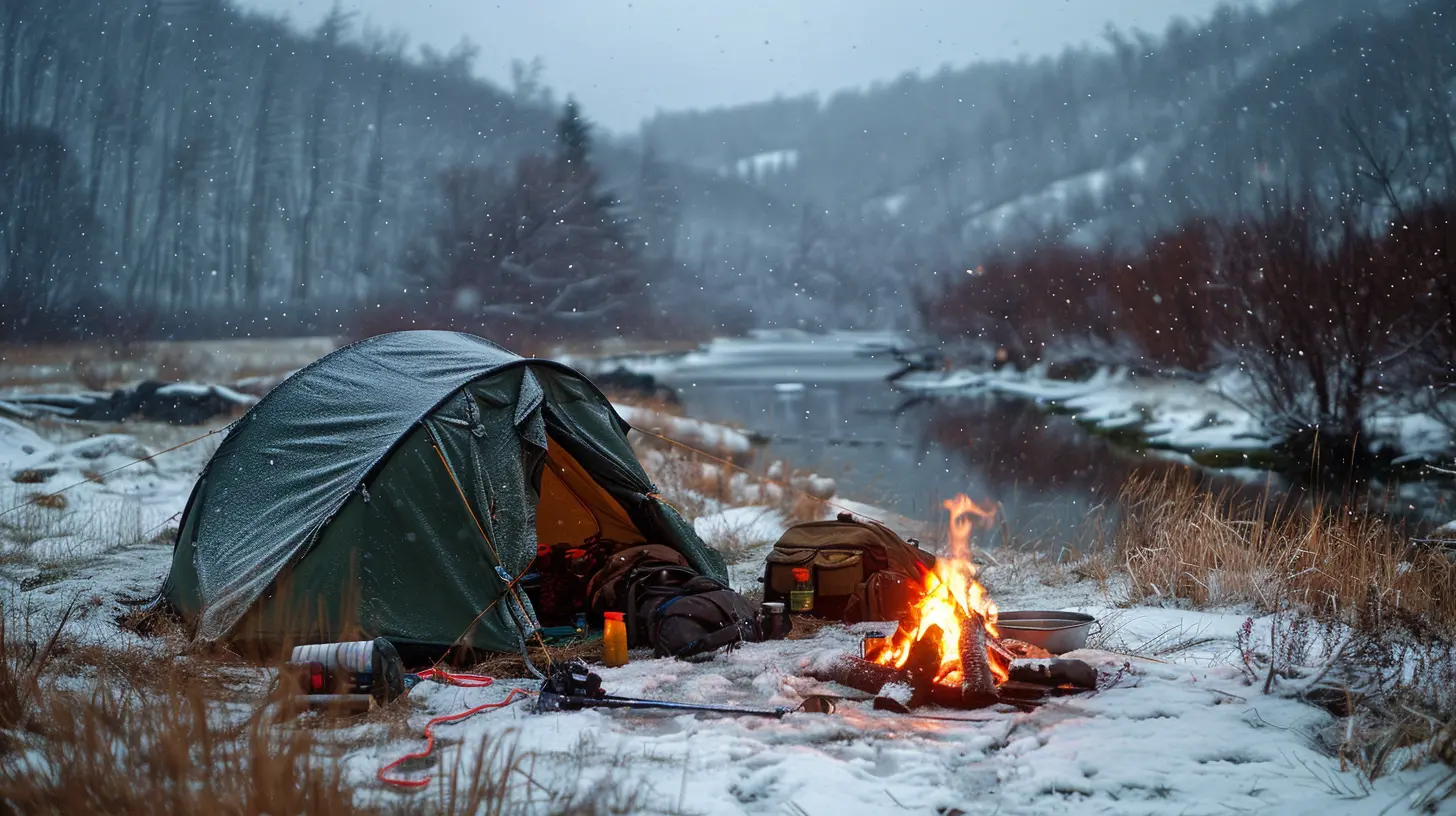
1. Mastering the Art of Navigation
Let’s be real—technology is great... until your battery dies or your signal vanishes. That’s why traditional navigation is non-negotiable.🧭 Know Your Tools
- Map and Compass: Learn how to properly read a topographic map and use a compass. They don’t run on batteries, and they’ve been reliable for centuries.- Landmark Navigation: Use natural features like rivers, ridges, and peaks to orient yourself.
- Sun and Stars: When all else fails, the sun rises in the east and sets in the west—basic, but lifesaving.
🧠 Mental Tips
- Before heading out, mentally map your route.- Create a habit of doing regular “position checks.”
- Practice short off-the-path exercises to sharpen your skills.
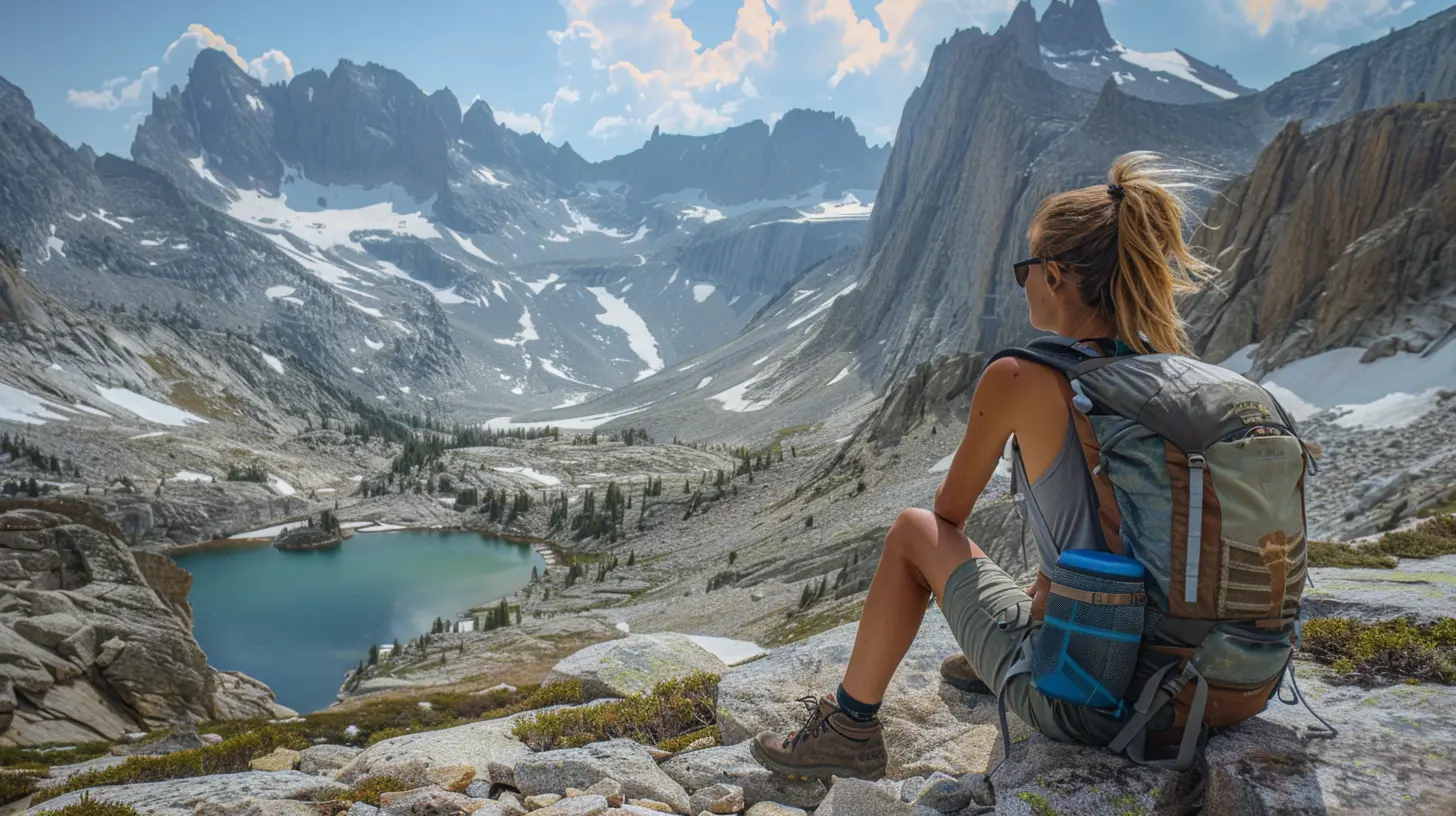
2. Building a Shelter—Your Forest Fortress
When the weather flips, finding or building proper shelter is your first line of defense.🌲 Natural Shelter Options
- Caves, Overhangs & Rock Ledges: Nature sometimes provides cozy nooks. Just inspect first—no one wants to bunk with a bear.🛠️ DIY Shelter Techniques
- Debris Hut: Pile up leaves, branches, and logs to insulate yourself.- Tarp Setup: Lightweight tarps are gold. Learn at least two configurations: an A-frame and a lean-to.
🧵 Quick Tips
- Prioritize insulation from the ground—it steals heat fast.- Always consider wind direction and potential hazards like falling branches.
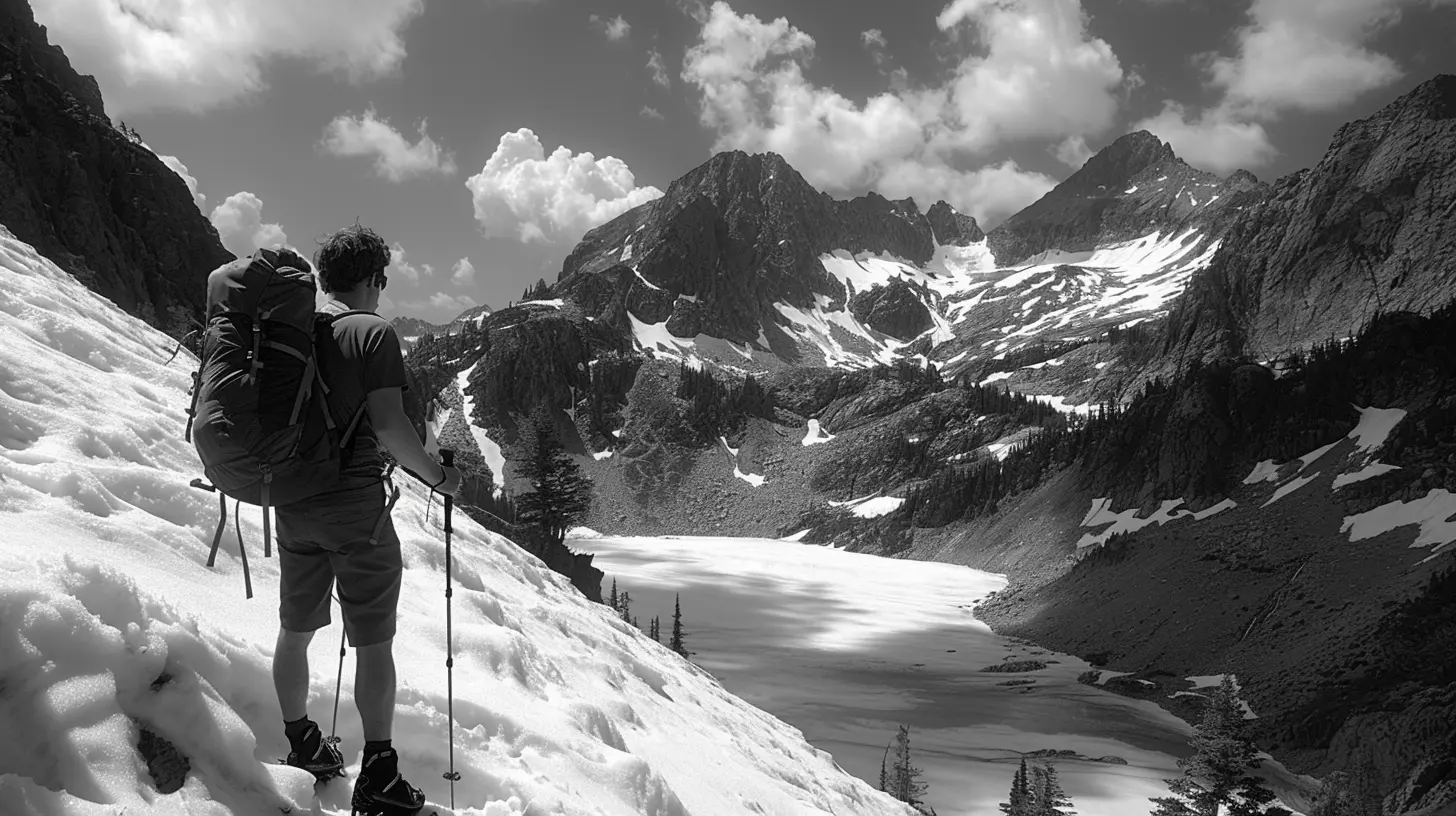
3. Fire Starting—Primitive but Powerful
Ever tried lighting a fire with wet hands and a damp lighter? Not fun.🔥 Ways to Start a Fire
- Ferro Rod: A hiker’s trusty fire steel can send sparks even when wet.- Waterproof Matches/Lighters: Pack redundancy—fire-starting tools can (and do) fail.
🧱 The Right Fire Structure
- Teepee: Great for igniting quickly.- Log Cabin or Lean-to: Longer-lasting and better for cooking or warmth.
🔍 Hot Tips
- Keep a small dry tinder stash in a ziplock bag.- Dryer lint? It’s tinder gold.
4. Water Purification—Drink Smart, Not Sick
Dehydration is sneaky. Combine it with exhaustion and altitude, and you could end up in deep trouble.💧 Finding Water
- Streams, snow, morning dew, and plant-collecting methods all work.- Avoid stagnant water and check for animal activity upstream.
⚗️ How to Purify
- Boiling: Nothing beats a rolling boil for 1 minute (more if you're at high altitude).- Portable Filters: Compact and effective for most bacteria and protozoa.
- Water Purification Tablets: Light and handy, though they may leave a slight chemical taste.
5. First Aid—Patch Yourself Up
Let’s be honest, the wilderness doesn’t have a walk-in clinic. Knowing how to treat basic injuries yourself is clutch.🩹 What to Learn
- How to clean and dress wounds- Splinting a sprained or broken limb
- Addressing hypothermia and heat exhaustion
- Snake bite and insect sting treatment
🧰 First Aid Kit Must-Haves
- Gauze, antiseptic, bandages, tweezers, painkillers- A CPR face shield and trauma shears (you never know)
Know how to use everything in your kit. A fancy gadget is useless if you're staring at it blankly in the rain.
6. Signaling for Rescue—Help Is Out There (If You Ask Right)
Getting lost sucks. Not being able to signal for help sucks more.🆘 Signaling Tools
- Signal Mirror: Reflect sunlight to grab attention from miles away.- Whistle: Three sharp blasts is the universal SOS signal.
- Bright Clothing or Tarp: Visibility is everything.
- Flares and Emergency Beacons: For serious emergencies, Personal Locator Beacons (PLBs) or satellite messengers are lifesavers—literally.
7. Foraging and Food—Not Just a Survival Show Gimmick
Being hungry in the backcountry isn’t just about your stomach growling—it impacts your decision-making, energy, and mood.🌿 Wild Edibles (Only If You Know What You’re Doing)
- Berries, nuts, edible plants—sure, but only if you’ve studied them.- If you're unsure? Don’t eat it. Seriously.
🐟 Hunting and Fishing Basics
- Learn how to set a basic snare or create a fishing line from paracord.- Carry a survival fishing kit—tiny, but mighty effective.
🍫 Pro Tip:
Always pack a few high-calorie emergency snacks: peanut butter packets, energy bars, or even a Snickers. Simple, but morale-boosting.8. Layering and Clothing—Dress for the Unknown
The saying goes, “There’s no such thing as bad weather, only bad clothing.” And it’s true.🧣 Layering 101
- Base Layer: Wicks sweat (avoid cotton—it stays wet).- Insulating Layer: Keeps you warm.
- Outer Layer: Shields you from wind and rain.
Stay dry = stay alive. Wet clothes in the backcountry are a fast track to hypothermia.
9. Mental Fortitude—Your Strongest Weapon
All the gear in the world can’t beat a calm, focused mind.🧠 Staying Mentally Tough
- Prepare by visualizing scenarios before your trip.- Practice mindfulness or breathing techniques to stay calm.
- Celebrate small wins—started a fire? Found a stream? You’re crushing it.
Panicking wastes energy. Confidence conserves it.
10. Leave No Trace—Because We’re Guests in Nature’s Home
While not a survival skill in the traditional sense, giving a damn about the environment is essential.🌱 Key Tips
- Pack out all trash—even that tiny gum wrapper.- Bury human waste properly (6–8 inches deep and far from water sources).
- Stay on trail when possible to avoid damaging vegetation.
Because if we love the outdoors, we gotta treat it with some respect.
Pro Packing: Survival Gear Checklist
Here’s a quick gear snapshot for your backcountry toolbelt:🗹 Map & Compass
🗹 Water Filter/Tablets
🗹 First Aid Kit
🗹 Fire Starter (Ferro Rod, Waterproof Matches)
🗹 Emergency Shelter (Tarp, Space Blanket)
🗹 Multi-tool or Knife
🗹 Flashlight/Headlamp
🗹 Whistle
🗹 Paracord
🗹 Extra Food & Clothing
And, of course… knowledge.
Practice = Preparedness
Reading about backcountry survival skills is one thing. Practicing them makes all the difference. Take a weekend hike and build a shelter. Try navigating with just your compass. Make a fire without a lighter. The more you practice, the less likely you’ll panic when something goes wrong.In the backcountry, knowledge is currency. And the best part? You don’t have to be Bear Grylls to survive—you just need to be prepared, patient, and persistent.
So, next time someone says, “Isn’t hiking dangerous?” you can smile, tighten your boots, and keep walking—because you’ve got skills that could write their own survival manual.
all images in this post were generated using AI tools
Category:
Backcountry TravelAuthor:

Kelly Hall
Discussion
rate this article
2 comments
Maggie Baxter
What a fantastic and essential read! Mastering backcountry survival skills not only boosts our confidence on adventures but also connects us to nature in a deeper way. Let's embrace the wild and explore with joy and safety! Happy hiking, everyone! 🌲🌞 #AdventureAwaits
February 11, 2026 at 5:27 AM
Kelly Hall
Thank you for your insightful comment! Embracing these skills truly enhances our connection to nature and ensures safer adventures. Happy hiking! 🌲✨
Vivian Lee
Embrace the wild! Mastering backcountry survival skills not only enhances your hiking adventures but also empowers you to face nature's challenges head-on. Equip yourself with knowledge and confidence—your greatest adventures await in the great outdoors!
February 8, 2026 at 5:25 PM
Kelly Hall
Absolutely! Embracing the wild with essential survival skills not only enriches your hiking experience but also builds confidence to tackle nature's challenges. Happy adventuring!