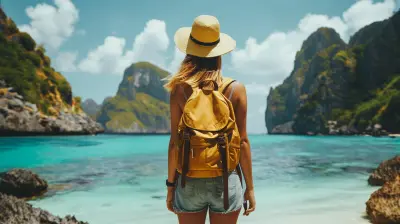
Backpacking During the Off-Season: Pros, Cons, and Tips”
15 January 2026
A Journey Beyond the Beaten Path
Backpacking—ah, the art of wandering where the soul leads. But what if I told you the best adventures don’t happen when the crowds gather but rather when the world quiets down? Welcome to the magic of off-season backpacking, where trails breathe, streets sigh, and solitude becomes your greatest companion.
But like any journey, there are two sides to the coin. For every blissful empty path, there’s a closed hostel door. For every discounted ticket, there’s unpredictable weather lurking around the corner. So, let’s unpack it all—the pros, cons, and smart hacks to make your off-season backpacking trip unforgettable. 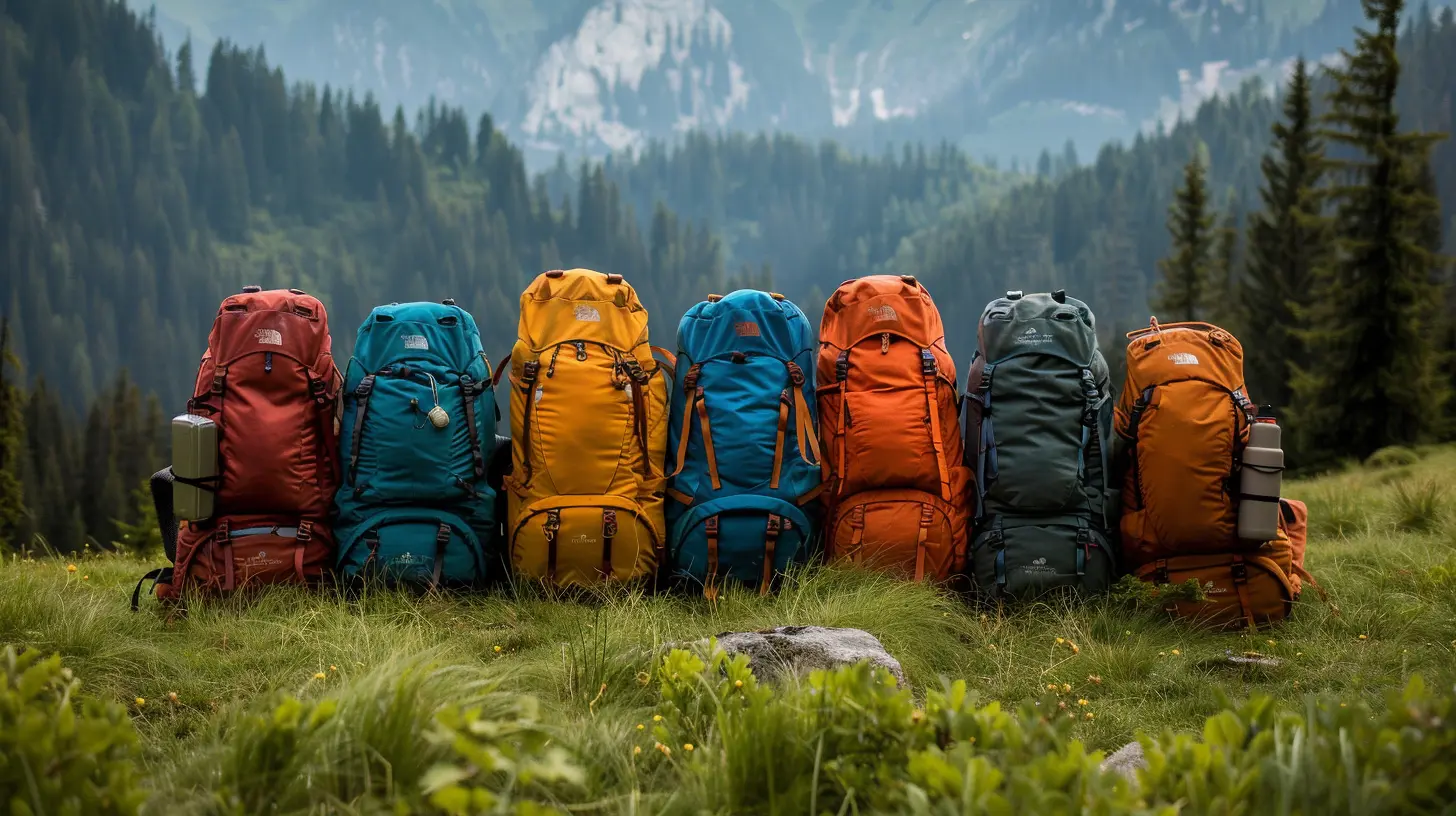
🌿 The Pros of Backpacking in the Off-Season
1. Fewer Crowds, More Peace
Ever tried squeezing through a sea of tourists just to witness a famous landmark? Exhausting, right? In the off-season, those postcard-worthy spots feel like they belong to you. The Eiffel Tower, the Great Wall of China, or the Machu Picchu trails—all enjoyed in near solitude. No fighting for the perfect selfie, no waiting in endless lines. Just you, your backpack, and the raw beauty of the world.2. Budget-Friendly Everything
Let’s be real—traveling on a shoestring budget is the essence of backpacking. Flights, accommodations, and even activities drop in price when tourist demand declines. Cheaper hostels, lower entry fees, and discounted experiences free up cash for extra adventures. Want to stretch your budget further? The off-season is your golden ticket.3. Authentic Local Experiences
When crowds disappear, you get a glimpse of real local life. Locals aren’t rushed or overwhelmed by tourists, meaning they have the time (and patience) to engage. This is when true cultural exchanges happen. You’re more likely to stumble into a family-run café where the grandma shares secret recipes or get invited to an impromptu gathering in a small village.4. Easier Logistics, No Stress
Finding last-minute accommodation? No problem. Table at a Michelin-starred restaurant? Done. Hassle-free transport? Absolutely. Off-season travel removes the chaos of peak-season overbookings, making everything smoother and more spontaneous.5. Unique Perspectives and Landscapes
Seeing Norway’s fjords dusted with snow or experiencing Southeast Asia in its monsoon mist? Every destination transforms in the off-season, offering scenery and experiences that peak travelers will never witness.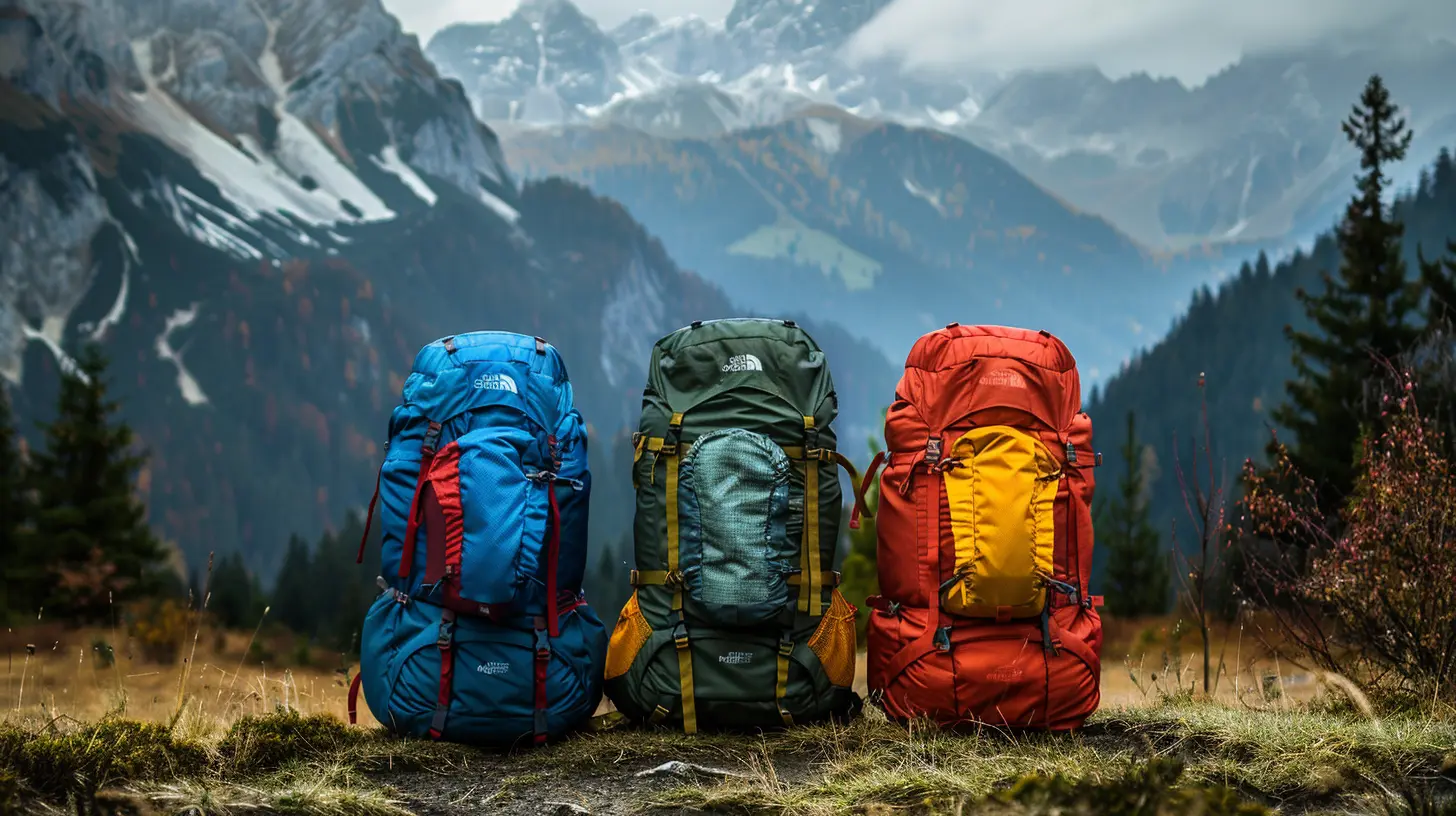
🌧️ The Cons of Backpacking in the Off-Season
1. Unpredictable Weather
This is probably the biggest drawback. Rain, snow, hurricanes—Mother Nature plays by her own rules. Want to hike the Inca Trail? Off-season might mean landslides. Dreaming of the Greek islands? Many ferries stop running. Adapting to weather challenges is part of the adventure, but it requires flexibility and preparation.2. Limited Accommodation and Activities
With fewer tourists, some hostels, restaurants, and attractions shut down. You might show up in a remote beach town only to find half the cafés closed and no tours running. If you’re eyeing something specific—a festival, a tour, or a hot spot—check if it’s available during your travel dates.3. Shorter Days, Longer Nights
Winter off-season travel means less daylight, impacting how much you can explore in a day. If you're heading to Scandinavia in January, expect only a few hours of sunlight. Not a deal-breaker, but it does require planning.4. Limited Transport Options
Less demand means fewer buses, trains, and flights. Some routes entirely shut down. If a place is tricky to reach during peak season, imagine the challenges off-peak. Always check transport schedules ahead of time to avoid getting stranded.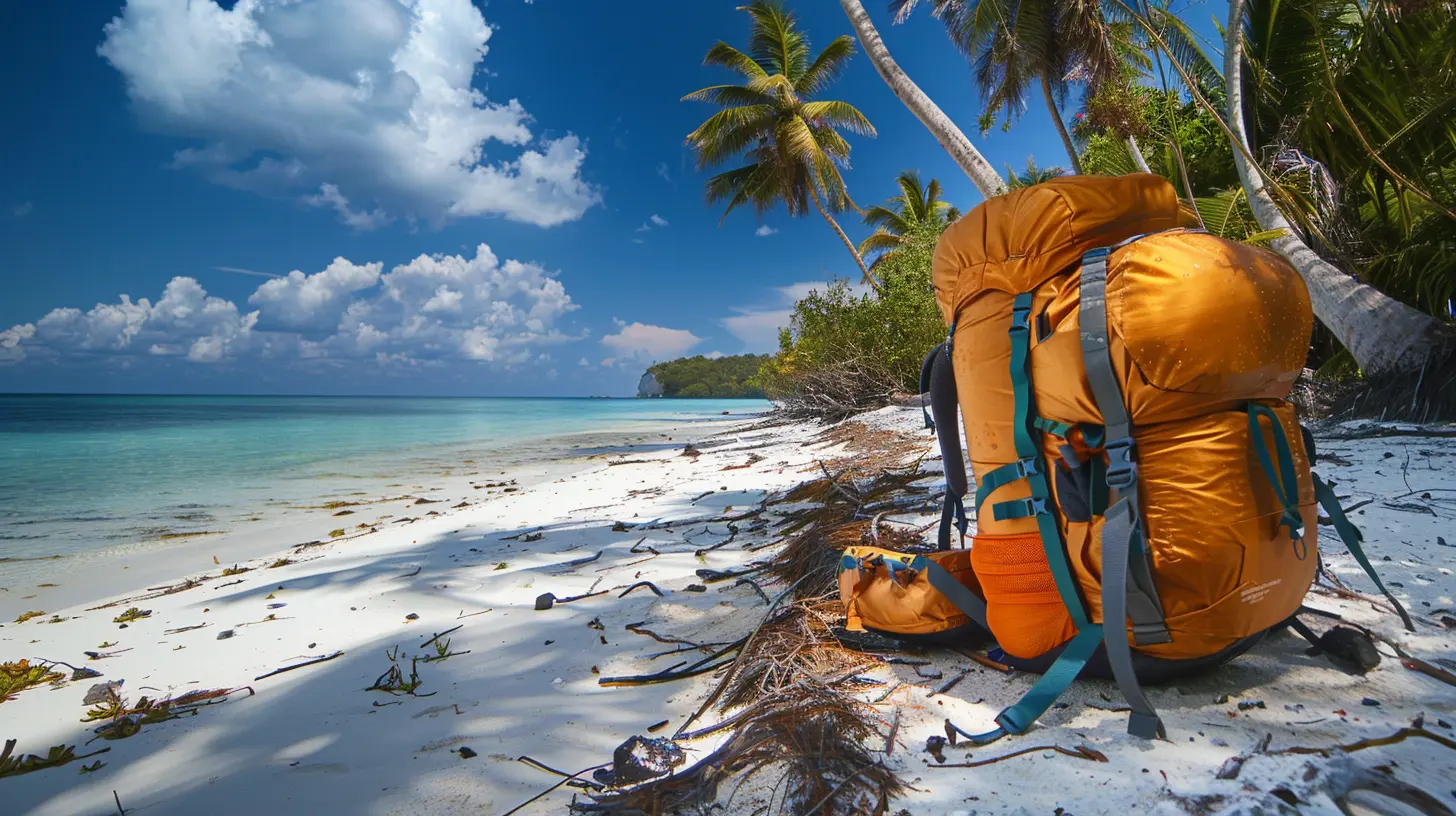
🎒 Tips for Backpacking During the Off-Season
1. Pack Smart, Pack for the Season
Your usual minimalist backpack won’t cut it for off-season travel. Think layers, waterproof gear, and the right shoes. A lightweight rain jacket, thermal wear, and a solid pair of boots can make or break your journey in unpredictable weather.2. Do Your Research (But Stay Flexible)
No one likes showing up to a ghost town or a shut-down trail. Research what’s open, what’s closed, and what your plan B should be. Use forums, Facebook travel groups, and recent blogs to get real-time info from fellow backpackers.3. Embrace the Slow Travel Mindset
Off-season wandering means embracing the unexpected. Missed a ferry? Spend an extra day absorbing the local vibe. Got caught in the rain? Find shelter in a cozy, hole-in-the-wall café and strike up a conversation with the owner.4. Leverage Local Connections
Locals know their off-season secrets. Chat with hostel owners, café baristas, or even taxi drivers—they often have insider tips about hidden gems that thrive even when tourist numbers drop.5. Stay Safe, Stay Informed
Certain destinations are actually riskier in the off-season. Think avalanche-prone mountains, landslide-heavy roads, or politically unstable regions outside tourist months. Check travel advisories and always have a backup plan in case things go sideways.6. Make Use of Off-Season Deals
Some of the best experiences cut their prices in half during the off-season. Safari tours, guided treks, luxury stays—if you’ve ever dreamed of a high-end experience on a budget, off-season is the time to grab it.7. Mix Up Your Accommodation Choices
While hostels thrive on high seasons, some boutique hotels and homestays offer heavy discounts when demand drops. Take advantage of unexpected deals and level up your stay without breaking the bank.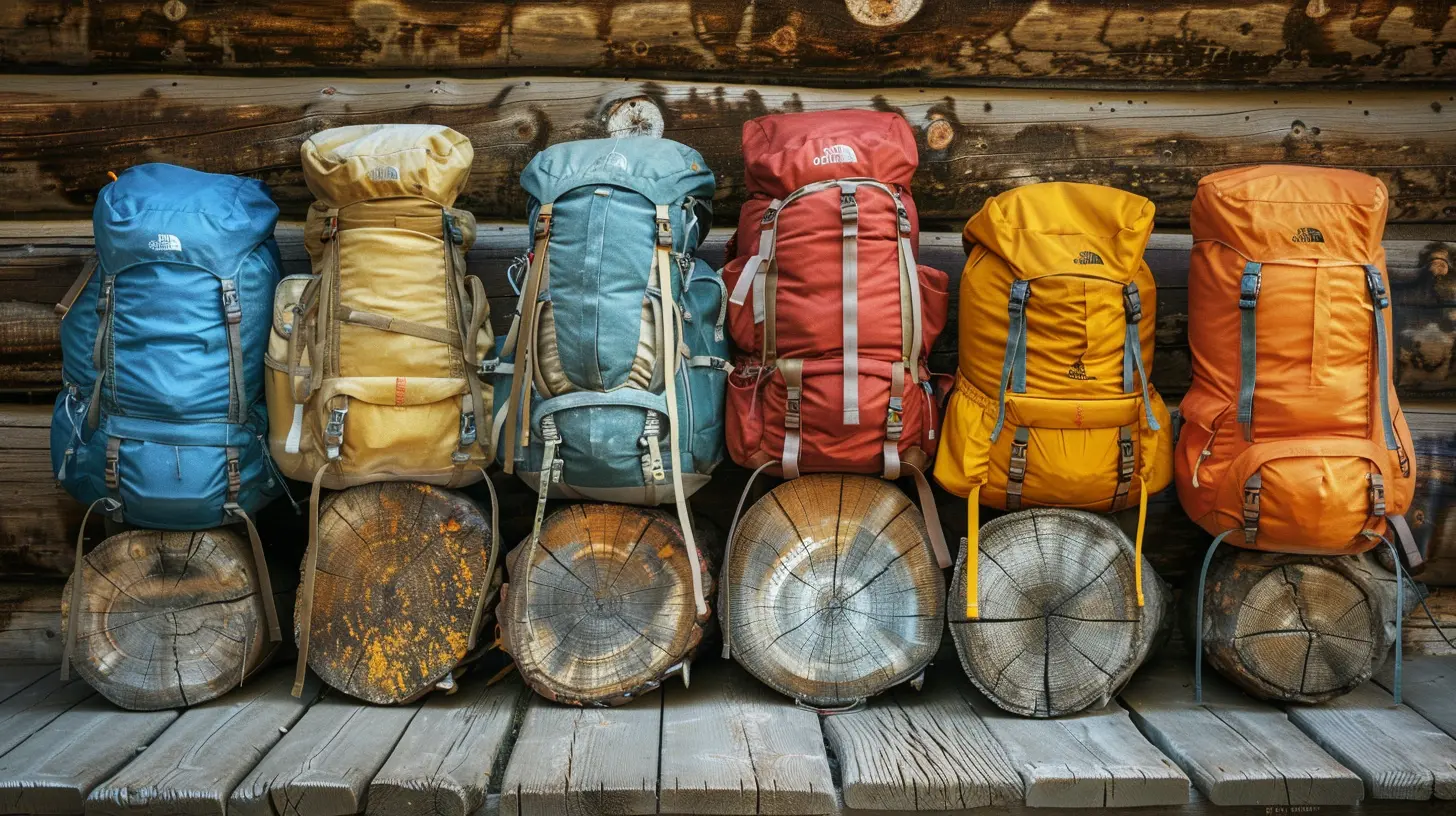
✨ Off-Season Travel: For Those Who Dare
Off-season backpacking isn’t for everyone. It’s for those who don’t mind getting a little wet, a little cold, or a little lost. It’s for wanderers who see beauty beyond sunshine and summer crowds. It’s for travelers who crave depth over convenience, connection over checklists.So, the next time you're planning a backpacking trip, ask yourself: Do you want the Instagram version of a place, or do you want its raw, authentic heartbeat? If you choose the latter, the off-season might just be your perfect adventure.
all images in this post were generated using AI tools
Category:
BackpackingAuthor:

Kelly Hall
Discussion
rate this article
2 comments
June Patel
What a fantastic read! Backpacking during the off-season offers a unique experience filled with fewer crowds and lower costs. Your tips are super helpful—can’t wait to apply them on my next adventure. Happy travels, everyone!
January 22, 2026 at 5:37 PM
Kelly Hall
Thank you so much for your feedback! I'm glad you found the tips helpful. Happy backpacking!
Luna Lynch
Backpacking in the off-season offers fewer crowds and lower prices, but unpredictable weather and limited services can be challenging. Plan wisely to make the most of it!
January 16, 2026 at 4:58 AM
Kelly Hall
Absolutely! Off-season backpacking has its trade-offs, but with careful planning, the benefits can outweigh the challenges. Happy trails!