Backpacking in Cold Climates: Gear and Strategies for Staying Warm
3 January 2026
Backpacking in cold climates isn’t just about braving the cold—it’s about embracing an adventure that challenges your limits while rewarding you with breathtaking landscapes. But let’s be honest: if you’re not properly prepared, the freezing temperatures can quickly turn a dream trip into a miserable experience.
Staying warm isn’t just about piling on layers of clothing; it’s a combination of strategic packing, smart layering, and knowing how to conserve heat efficiently. So, if you’re planning to backpack in chilly environments, here’s your ultimate guide on gear and strategies to keep you toasty. 
1. Choosing the Right Clothing: The Layering System
When heading into cold climates, layering is the golden rule. Why? Because it traps heat efficiently while giving you flexibility to adjust your insulation based on your activity level.Base Layer: The Foundation of Warmth
This is your next-to-skin layer, responsible for moisture management. If sweat builds up and stays wet, you’ll feel colder in no time.- Best Materials: Merino wool or synthetic fabrics (like polyester)
- Avoid: Cotton—once it gets wet, it stays wet, and that’s a recipe for hypothermia
- Recommended Items: Long-sleeve thermal tops, leggings
Mid Layer: Insulation Powerhouse
The mid-layer traps body heat, making it critical for warmth.- Best Options: Fleece, down, or synthetic insulated jackets
- Down vs. Synthetic: Down has incredible warmth-to-weight ratio but loses insulation when wet. Synthetic is a more reliable choice in damp conditions.
Outer Layer: Your Shield Against the Elements
This is what protects you from wind, snow, and rain.- Best Materials: Waterproof and breathable fabrics (like Gore-Tex)
- Must-Have Features: Adjustable hood, ventilation zippers (to regulate temperature), and durable, waterproof zippers
----
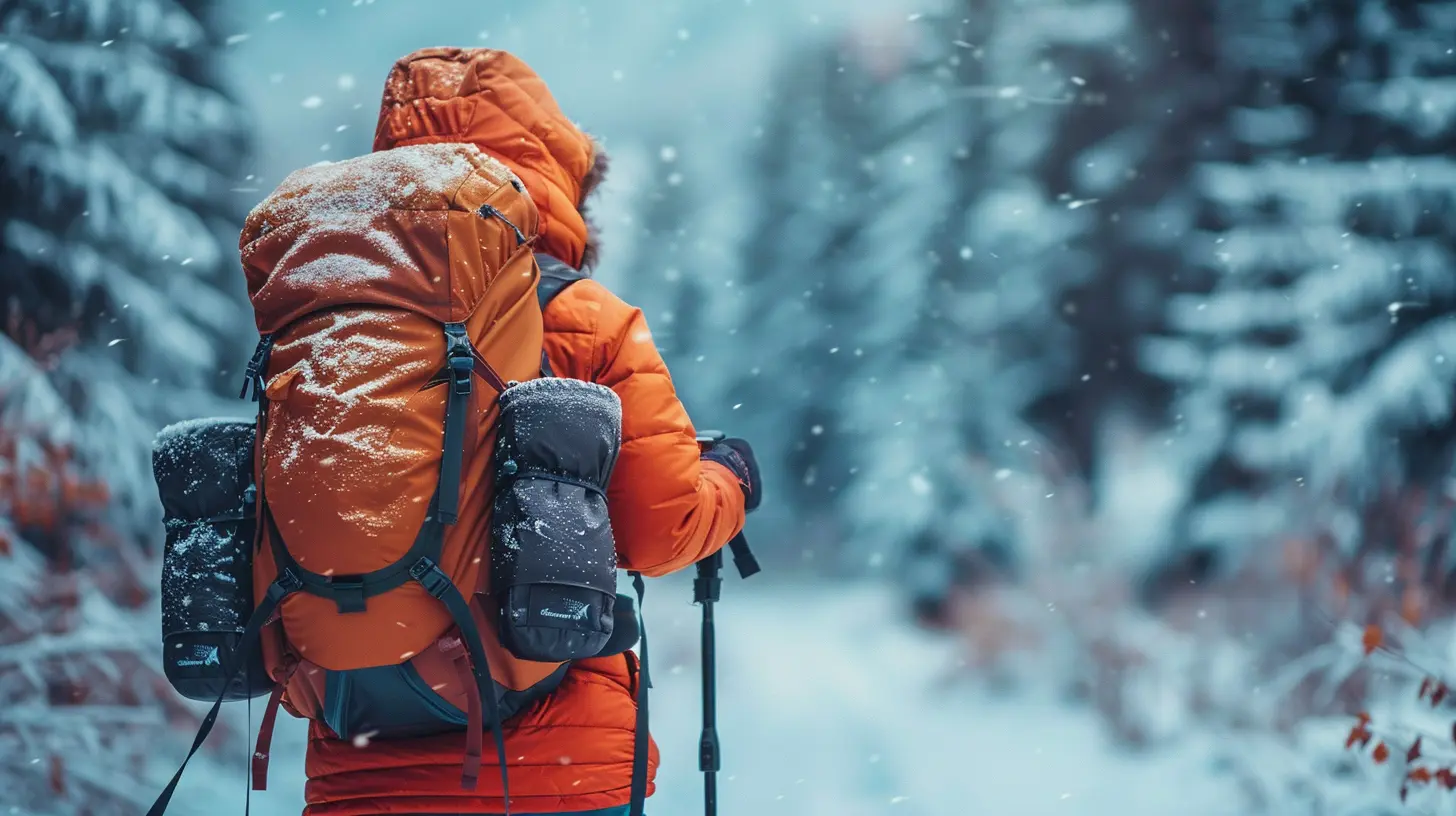
2. Essential Cold-Weather Gear
Beyond clothing, having the right gear can make or break your winter backpacking experience.1. Sleeping Bag & Sleeping Pad: Stay Warm While You Sleep
The key to a warm night in freezing conditions is insulation both above and below you.- Sleeping Bag Rating: Choose a bag rated at least 10-15°F lower than the expected temperatures.
- Down vs. Synthetic Sleeping Bags: Down is warmer and lighter but loses insulation when wet. Synthetic is bulkier but retains warmth even when damp.
- Sleeping Pad: A high R-value (insulation rating) pad is crucial—aim for 4.0 or higher to prevent the cold ground from sapping your body heat.
2. Proper Footwear: Keep Your Toes from Freezing
Frostbite is no joke, and your feet are among the first places to feel the cold.- Choose Insulated Boots: Look for waterproof, insulated boots designed for winter hiking.
- Wear Wool Socks: Avoid cotton; opt for merino wool or synthetic thermal socks.
- Use Gaiters: These prevent snow from sneaking into your boots.
3. Hand and Head Protection: Don’t Let the Heat Escape
Did you know you can lose 10% or more of your body heat through your head?- Wear a good hat or balaclava to retain heat.
- Use insulated gloves or mittens (mittens keep hands warmer by grouping fingers together).
- Layer gloves with thinner liners inside for extra insulation.
----
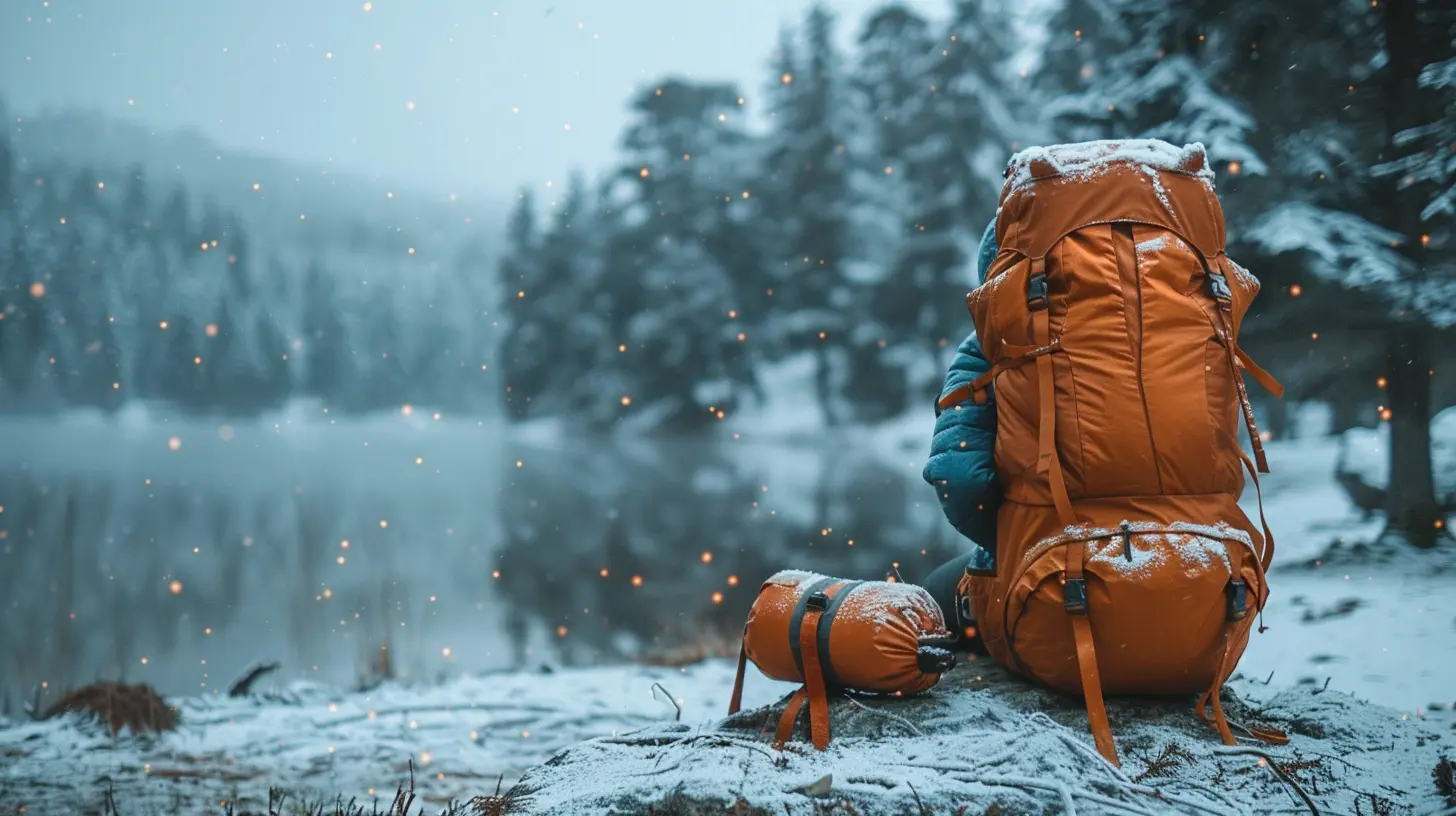
3. Smart Strategies to Stay Warm Outdoors
Packing the right gear is only half the battle—you also need to apply smart strategies to maximize your warmth.1. Keep Moving, but Not Too Much
Hiking generates body heat, but sweating too much can leave you wet and cold later.- Pace yourself to avoid excessive perspiration.
- Vent layers strategically (use zippers, remove your hat, or open your jacket slightly).
2. Consume High-Calorie Foods
When it's cold, your body burns way more calories to stay warm.- Eat high-fat and high-protein meals (nuts, cheese, peanut butter, dehydrated meats).
- Stay hydrated—dehydration makes you feel colder.
3. Make a Hot Water Bottle for Your Sleeping Bag
A classic trick:- Fill a Nalgene bottle with boiling water and place it in your sleeping bag before bed.
- Target key areas (your core or between your thighs) to maximize warmth.
4. Dry Your Gear Before Sleeping
Damp clothing = freezing misery.- If possible, dry your socks and gloves inside your sleeping bag using body heat.
5. Use the “Two-Sleeping-Bag Trick”
If your sleeping bag isn’t warm enough, try layering a lightweight summer bag inside a winter bag for extra warmth.----

4. Common Mistakes to Avoid
1. Overdressing Inside Your Sleeping Bag
It’s tempting to pile on layers, but too many clothes can actually reduce insulation by compressing the bag's loft. Instead, wear a breathable base layer and let the bag do its job.2. Leaving Boots Exposed Overnight
Frostbite in the morning? No thanks. Keep your boots inside your tent or inside a bag at the foot of your sleeping bag to prevent them from freezing.3. Ignoring Hydration
Cold weather makes you feel less thirsty, but dehydration increases the risk of hypothermia. Keep sipping water regularly, even when you don't feel like it.----
5. Safety Tips for Cold-Weather Backpacking
Cold environments can be unforgiving. Always prioritize safety by following these guidelines:1. Always Check the Weather Forecast
Mountain weather is unpredictable. Prepare for worst-case scenarios and expect sudden changes.2. Carry Emergency Shelter
A lightweight bivy sack or emergency space blanket can be a lifesaver if you get stranded.3. Know the Signs of Hypothermia and Frostbite
- Hypothermia signs: Shivering, confusion, slurred speech- Frostbite signs: Numbness, pale or waxy skin
If you or a hiking buddy show any symptoms, take immediate action—warm up and seek shelter.
4. Inform Someone of Your Route
Tell a trusted person where you’re going and your expected return time. If something goes wrong, rescue teams will have a better chance of finding you quickly.----
Final Thoughts
Backpacking in cold climates isn’t for the faint of heart—but with the right gear and strategies, it can be an unforgettable and rewarding experience.Master the layering system, carry essential cold-weather gear, and follow smart warmth strategies. Before you know it, you’ll be trekking through snowy wonderlands like a winter pro.
So, lace up those insulated boots, grab that puffy jacket, and get ready to conquer the cold!
all images in this post were generated using AI tools
Category:
BackpackingAuthor:

Kelly Hall
Discussion
rate this article
2 comments
Tessa McCray
Great article! Staying warm while backpacking in cold climates is crucial for safety and enjoyment. Investing in quality gear, layering appropriately, and mastering hydration strategies can make all the difference. Your tips on materials and packing essentials are particularly helpful for winter adventurers!
January 17, 2026 at 5:20 PM
Kelly Hall
Thank you for your feedback! I'm glad you found the tips helpful for staying warm in cold climates. Happy adventuring!
Daria McKale
Essential gear aside, what’s the one unexpected item you’d never brave the cold without? The psychology of staying warm fascinates me.
January 5, 2026 at 6:10 PM
Kelly Hall
One unexpected item I never trek without is hand warmers; they provide instant warmth and can boost morale on chilly days!