Backpacking Nutrition: Fueling Your Adventure in the Wild
6 July 2026
So, you’ve strapped on your backpack, laced up your boots, and your heart’s pounding with excitement. You're ready to hit the trail and embrace the wilderness. But… have you planned what you’ll eat out there?
Backpacking nutrition isn’t just about tossing a few protein bars into your pack and calling it a day. When you're sweating it out on a trail, hiking through rugged terrain, and carrying your home on your back—it matters what you put in your body. Fueling your adventure properly can mean the difference between a strong, energized trek and an exhausting drag through the backcountry.
Let’s break it down—what you eat, why it matters, and how to plan meals that won’t weigh you down or leave you feeling weak halfway through your hike.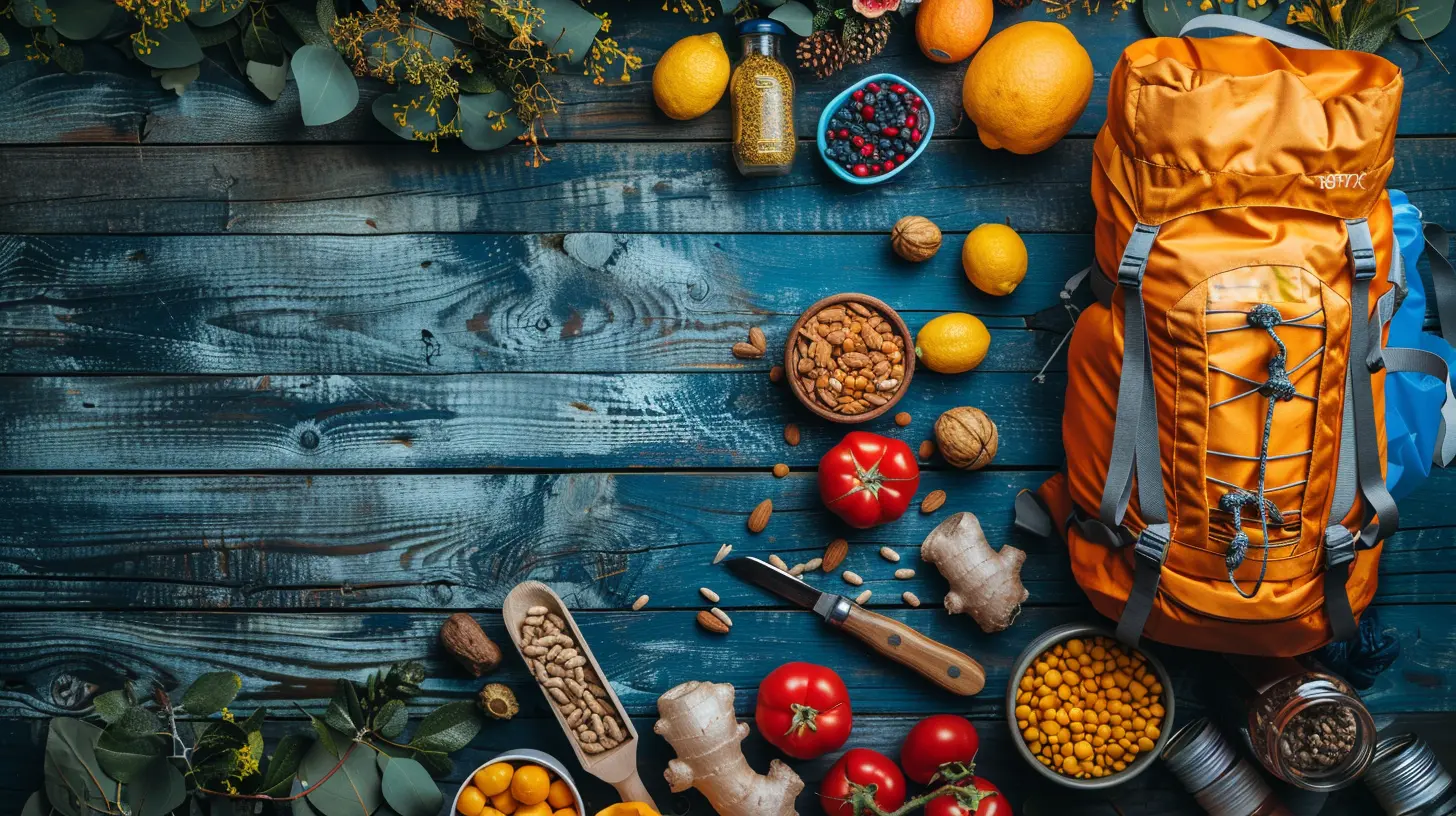
Why Backpacking Nutrition Matters More Than You Think
When you’re backpacking, your body turns into a calorie-burning machine. Long days of hiking require serious energy—and not just empty calories. Forget chips and candy bars. We're talking about fuel here. It’s like putting oil in a car. No oil = no go.Think about it: a typical backpacker might burn anywhere from 3,000 to 6,000 calories per day depending on terrain, weather, weight carried, and effort. Miss the mark on energy, and your body faces fatigue, poor decision-making, and even injury.
Plus, proper nutrition supports muscle recovery, keeps your immune system strong (nobody wants to get sick in the woods), and helps your overall morale. Ever been “hangry” mid-hike? Yeah, it’s not fun.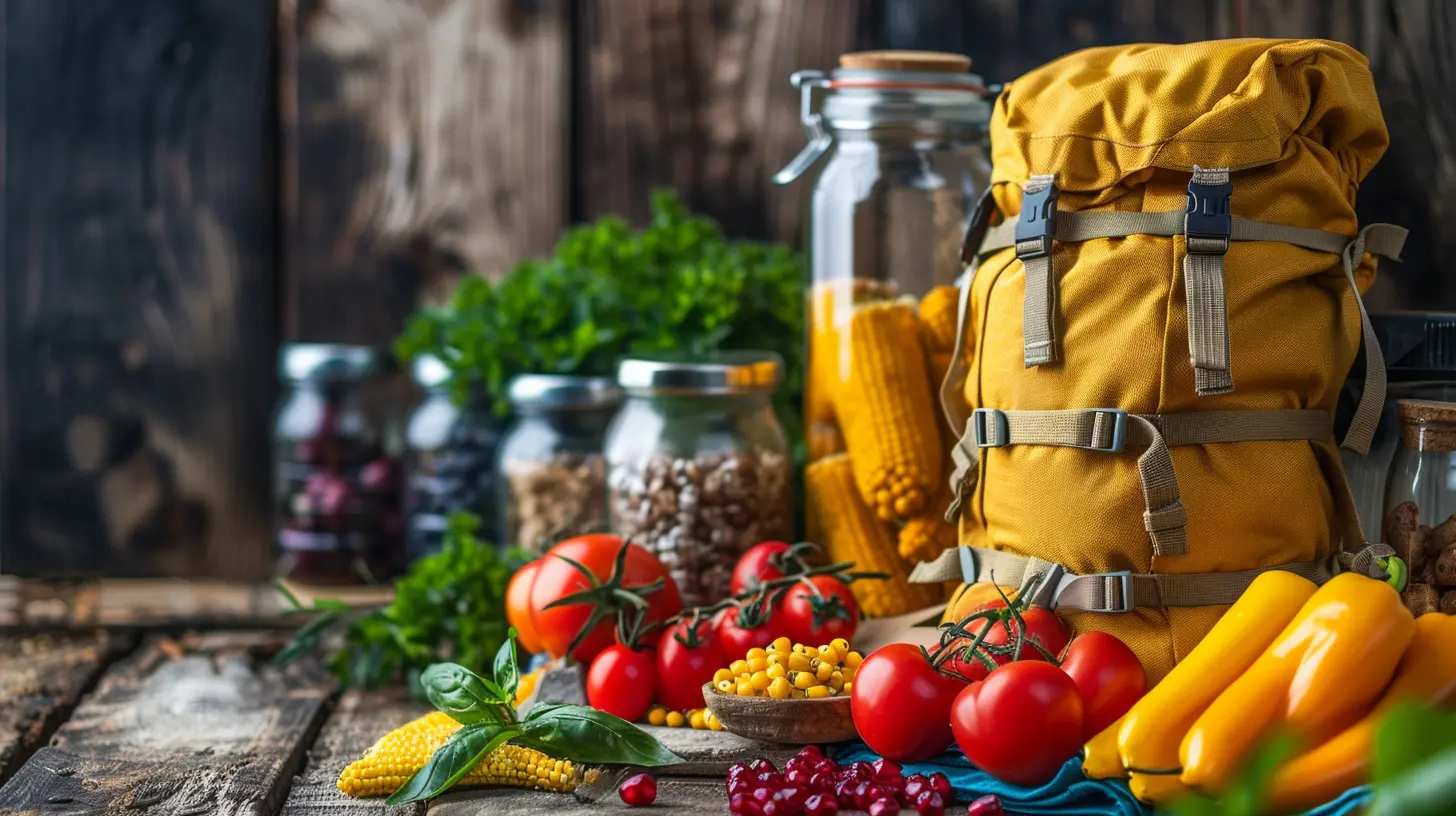
The Big Three: Carbs, Protein, and Fats
Let’s get to the meat and potatoes of your trail meals—macronutrients. You need a mix of these three elements for peak performance.1. Carbohydrates: Your Primary Energy Source
Carbs are your body’s go-to energy source. They’re fast, efficient, and essential for stamina. Without enough carbs, you’ll feel sluggish on the trail—like trying to run on fumes.Good trail carbs include:
- Instant oats
- Rice or quinoa
- Dehydrated mashed potatoes
- Dried fruits
- Tortillas
- Energy gels or chews
2. Protein: Repair and Build
Protein is your muscles’ best friend. After a long day of wear and tear, protein steps in to repair and rebuild. Without it, recovery time stretches, and fatigue sets in faster.Great backpacking protein sources:
- Jerky (beef, turkey, or plant-based)
- Dehydrated beans
- Protein bars or powders
- Tuna or salmon packets
- Peanut butter or nut butter
3. Fats: Long-Lasting Energy
Fats are like your body’s slow-burning log on a campfire. They keep you going longer than carbs but take more time to digest. Balance is key.Trail-friendly fats:
- Olive oil packets
- Mixed nuts and seeds
- Cheese (yes, many hard cheeses hold up well!)
- Nut butters
- Dark chocolate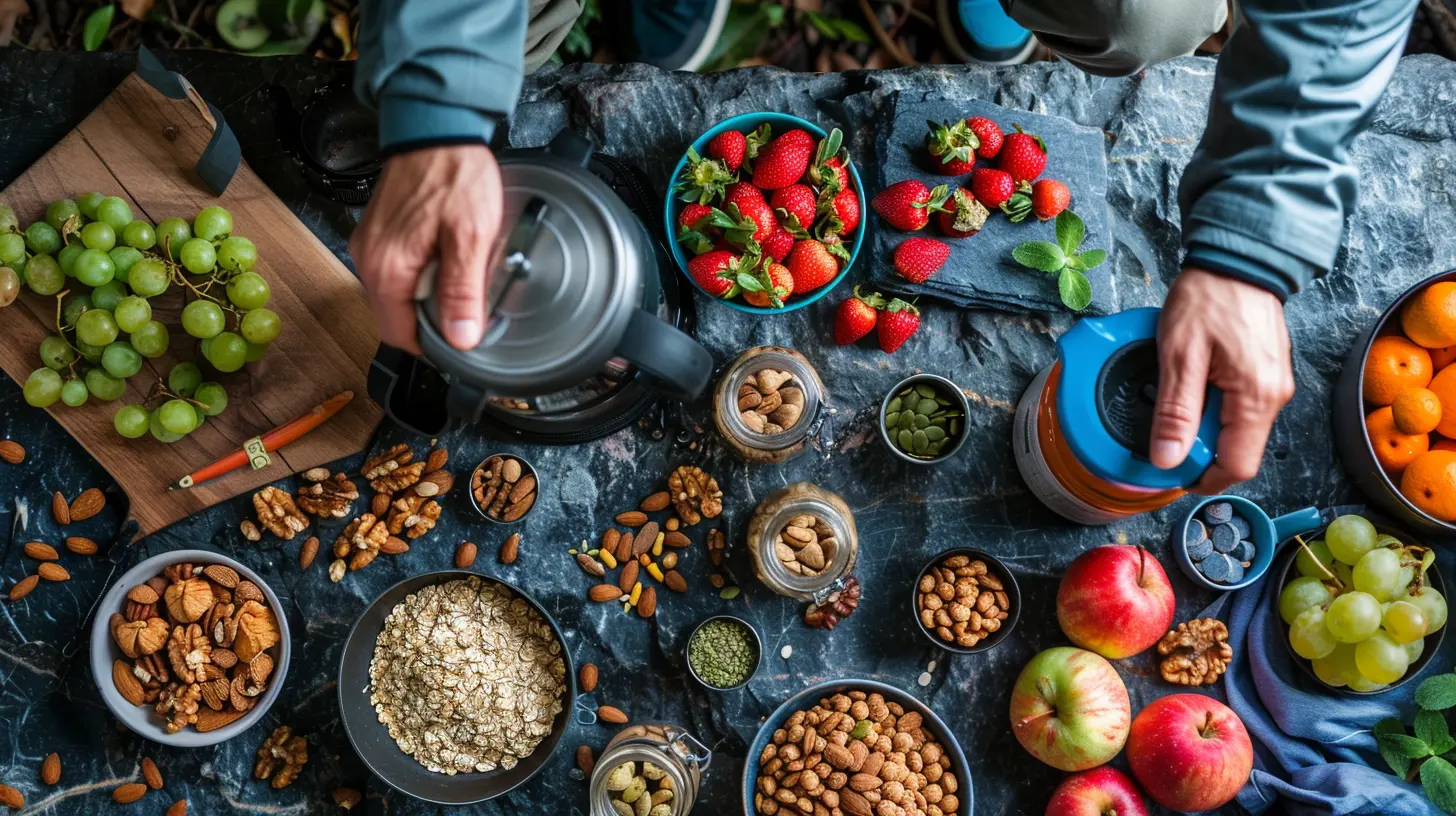
Nutritional Needs on the Trail
You’re not sitting behind a desk. Backpacking demands higher intake across the board.On average:
- Calories: 3,000–5,000 per day (depending on intensity)
- Protein: 1.2 to 2 grams per kilogram of body weight
- Water: At least 3 to 4 liters a day, more if it’s hot
The actual numbers depend on your weight, fitness level, distance covered, and altitude. Higher elevations burn more energy too. It’s like your internal engine is working overtime.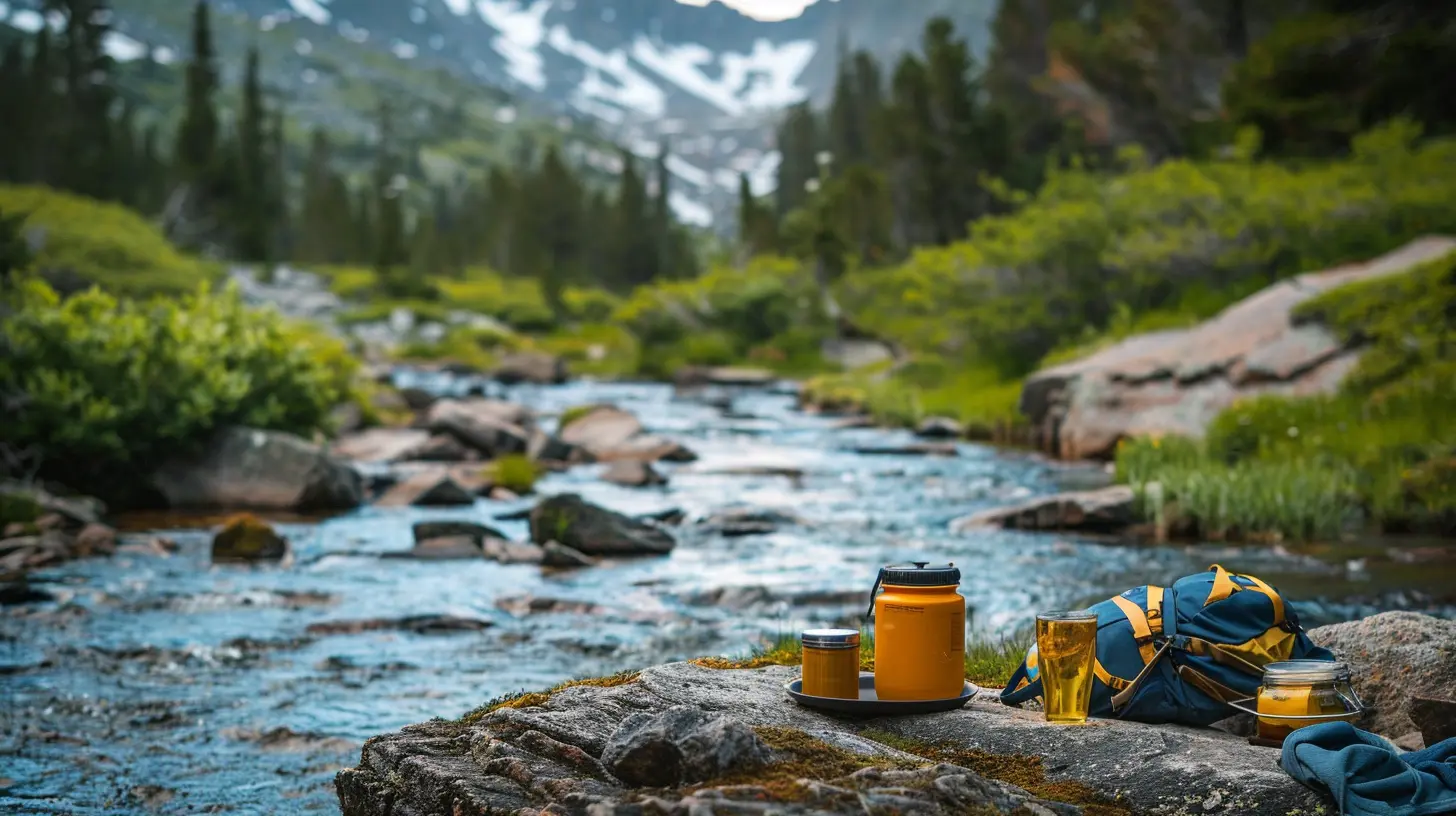
Prepping for Success: Planning Your Backpacking Meals
Planning trail meals is like a game of Tetris—balancing weight, nutrition, taste, and pack size. Let’s look at how to plan efficiently.1. Keep Weight in Mind
Every ounce counts. A general rule is about 1.5 to 2.5 pounds of food per person per day. Choose calorie-dense items (120+ calories per ounce). Ditch water-heavy foods like canned soups—they’re deadweight.2. Go for Multi-Purpose Ingredients
Find foods that can work in multiple meals. For instance, powdered hummus is great for lunch wraps or dinner sides. Peanut butter works on crackers, oatmeal, or straight off a spoon.3. Test Before the Trail
Don’t try new foods mid-trip. Trail tummy (aka unexpected stomach issues) is real and unpleasant—especially when toilets are a distant memory. Try your meals at home or on shorter hikes first.4. Balance Your Meals
Each meal and snack should have a balance of carbs, protein, and fat. It helps provide quick energy, sustained endurance, and necessary recovery.Sample Meal Plan for One Day on the Trail
Here’s a sample that packs real punch without packing on weight.Breakfast
- Instant oats + powdered milk + dried fruit + chia seeds
- Coffee (because, obviously)
Morning Snack
- Trail mix (nuts, chocolate, dried fruit)
- Energy bar
Lunch
- Tortilla wraps with tuna + mayo packet + slices of cheese
- Apple chips or dried mango
Afternoon Snack
- Peanut butter on crackers
- Electrolyte drink
Dinner
- Dehydrated chili or pasta with olive oil packet drizzled in
- Hot cocoa or herbal tea
Dessert/Nighttime Snack
- Dark chocolate square or protein cookie (because you’ve earned it)
This totals around 3,500–4,000 calories and covers all your macronutrient bases.
Hydration: Don’t Sleep On It
Think food is the only player here? Nope—hydration is just as vital. Dehydration can sneak up on you fast, especially at altitude or in dry climates. It’s like trying to cook pasta without water—it’s just not happening.Bring a reliable water filter and always purify your water. Drink regularly and add electrolytes to your water if you're sweating a lot. Signs you need more water? Headache, dark urine, fatigue. Fix it fast or your energy will crash.
Lightweight Cooking Hacks and Gear
You don’t need a gourmet kitchen to cook decent meals on the trail, promise!Top Lightweight Cooking Gear:
- Compact stove (like Jetboil or MSR PocketRocket)- Titanium pot
- Spork
- Pot scraper (game-changer for cleanups)
- Ziplock bags for pre-made meals
Trail Cooking Tips:
- Pre-mix spices and dry ingredients at home- Use ziplock freezer bags for no-dish "boil-in-bag" meals
- Foil-packed items are shelf-stable and mess-free
- Repackage bulky items into smaller bags
Tips for Special Diets
Backpackers come in every dietary flavor—vegetarian, vegan, gluten-free, keto, you name it. Luckily, you can tailor your trail food to your needs.- Vegan? Load up on lentils, quinoa, nuts, tofu jerky, dehydrated beans.
- Gluten-Free? Rice noodles, oats (certified GF), corn tortillas, gluten-free bars.
- Keto/Paleo? Hard cheeses, jerky, nuts, coconut oil packs, and powdered bone broth.
The key? Plan ahead and read labels. And always bring backup snacks just in case.
Shelf Life and Food Safety
Remember, you won’t have refrigeration. Choose shelf-stable items and steer clear of things that spoil easily (like fresh dairy or raw meat).Also, always pack a bear bag or canister in bear country. No snack is worth a midnight bear encounter.
Pro tip: Label your meals by day to avoid digging through your food bag in the rain at night. Organization saves sanity.
Trail Treats: Don’t Skip the Fun
You’re out there to push limits and find joy. Sometimes, joy = gummy bears or a mini bottle of hot sauce. A small treat goes a long way when morale is dipping.Pack one or two little pick-me-ups. They’re light and can lift your spirits like magic.
Final Thoughts: Eating for the Long Haul
Backpacking nutrition is more than just staying full. It’s about delivering the energy, strength, and endurance you need to make the most of your adventure. When you fuel right, everything just clicks better—your legs move easier, your mind stays sharp, and your body thanks you.So yeah, bring the map, prep your gear, and double-check your tent stakes. But don’t forget to pack smart, nutrient-rich food. Your wild adventure deserves full energy—and a full belly.
Now go fuel your next backcountry escapade like a pro. Your legs (and stomach) will thank you.
all images in this post were generated using AI tools
Category:
Backcountry TravelAuthor:

Kelly Hall
Discussion
rate this article
1 comments
Robert McFarlin
Eating well makes every outdoor adventure even more exciting and fun!
August 12, 2026 at 2:38 PM