Barcelona’s Eclectic Music Scene You Can’t Miss in 2026
17 May 2026
You know that feeling when you stumble into a tiny bar in a back alley, and the music hits you right in the chest? That moment when the rhythm grabs you by the collar and refuses to let go? That is Barcelona in 2026. This city doesn't just host music festivals or book famous DJs. It breates sound. It lives and dies by the beat of its streets, its clubs, and its hidden courtyards. If you are planning a trip to Barcelona next year, forget the typical tourist checklist for a second. The real pulse of this city is its eclectic music scene, and it is more alive than ever.
Why Barcelona's Sound Is Different in 2026
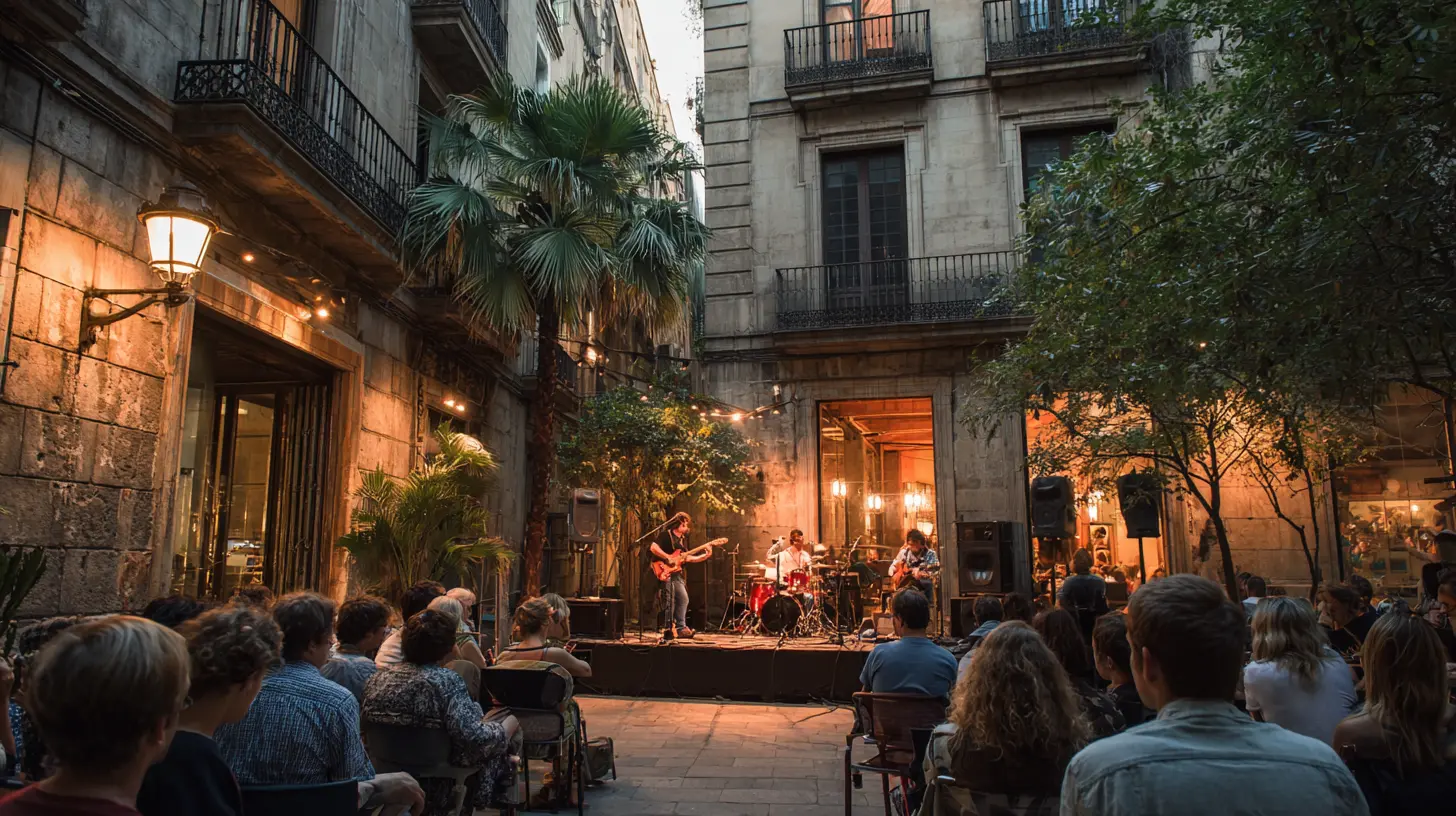
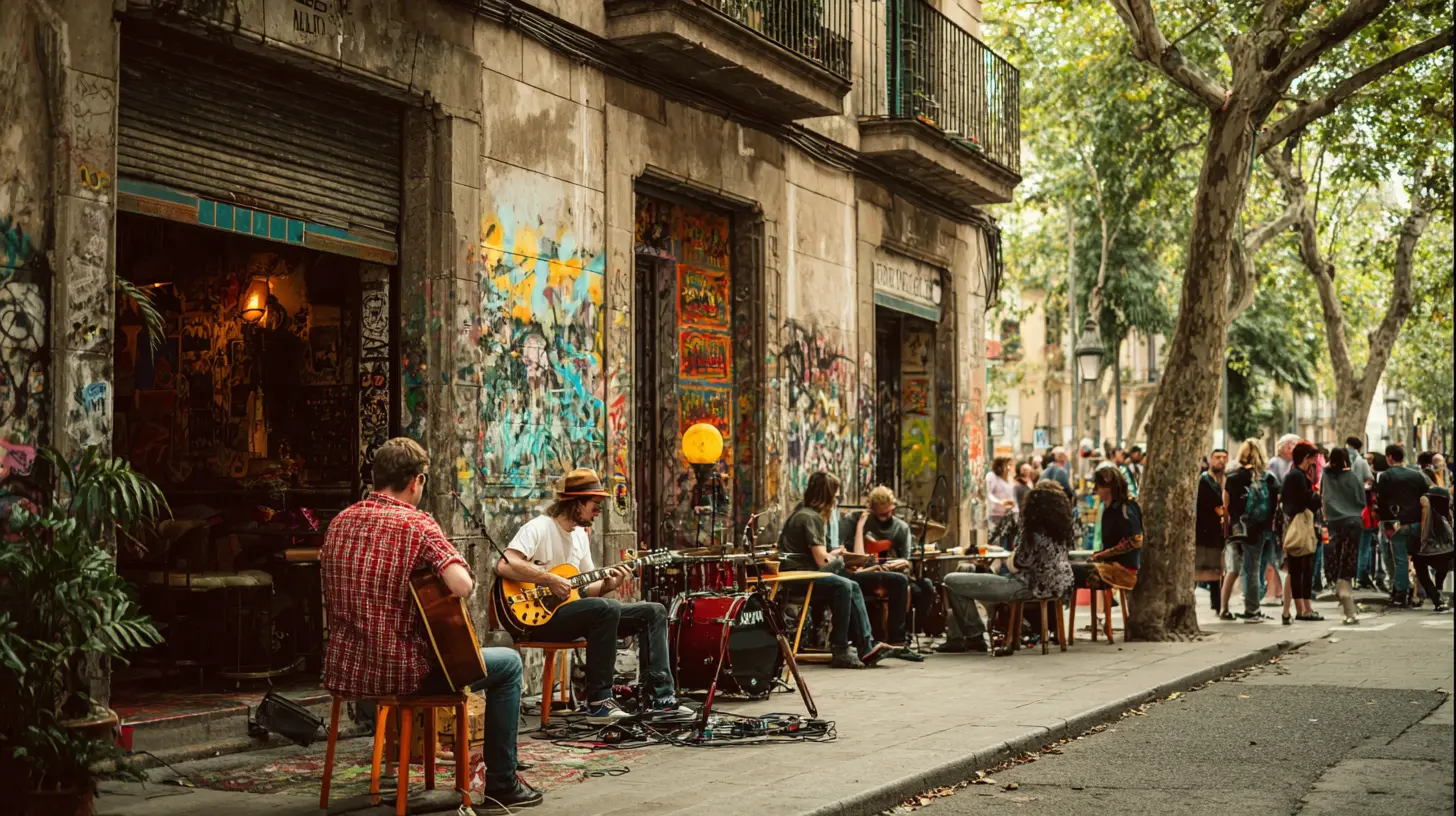
Let's be honest. Music scenes in most big cities feel polished, curated, and sometimes a little soulless. Barcelona is the opposite. It is messy in the best way. Think of it like a giant jam session where a flamenco guitarist, a techno producer, and a Catalan folk singer walk into a bar. They don't fight for the mic. They blend. In 2026, this fusion is not just a trend. It is the identity of the city.The reason? Barcelona has always been a crossroads. Mediterranean vibes meet industrial grit. Old-world charm crashes into futuristic sound design. The local government has also made a big push to support underground venues, giving artists spaces to experiment without corporate pressure. So when you walk into a club in the El Raval neighborhood, you might hear a live drum kit layered over a modular synth, with a rapper spitting verses in Catalan, Spanish, and English. It sounds chaotic. It sounds perfect.
The Hidden Gems: Where the Locals Actually Go
You could easily spend your whole trip at the big-name clubs like Razzmatazz or Apolo. They are great, sure. But the real magic happens in the places that don't have a big sign out front. In 2026, the underground scene has exploded, and it is all about intimacy.Sala Vol: The Living Room of Sound
Imagine a space that used to be a textile factory, now converted into a listening room with exposed brick and dim red lights. Sala Vol is not a club. It is a sanctuary for audiophiles. They book experimental jazz, ambient electronic, and avant-garde classical acts. The crowd is quiet. They actually listen. It feels like being inside a vinyl record. If you want to hear something that will rearrange your brain, go here on a Thursday night. The acoustics are so good you can hear the pedal clicks on a guitarist's effects board.La Terrrazza: The Open-Air Secret
Most tourists know about the big beach clubs. But La Terrrazza, tucked away in an old modernist mansion in the Poble Sec district, is where the locals go for sunset sessions. In 2026, they have shifted their focus to live sets. Think acoustic guitar meets loop pedals, with the occasional saxophone floating through the warm evening air. The drinks are cheap. The crowd is friendly. And the view of Montjuic hill? Unbeatable.Marula Cafe: The Funk and Soul Revival
Do not let the name fool you. This place is a time machine. Marula Cafe has been around for years, but in 2026 it has reinvented itself as a hub for live funk, soul, and Afrobeat bands. The dance floor is tiny. The energy is massive. You will find yourself dancing next to a 70-year-old local who has been coming here since the 80s, and a 20-year-old exchange student who just discovered James Brown. It is the kind of place where you lose track of time and your phone battery dies, and you do not care.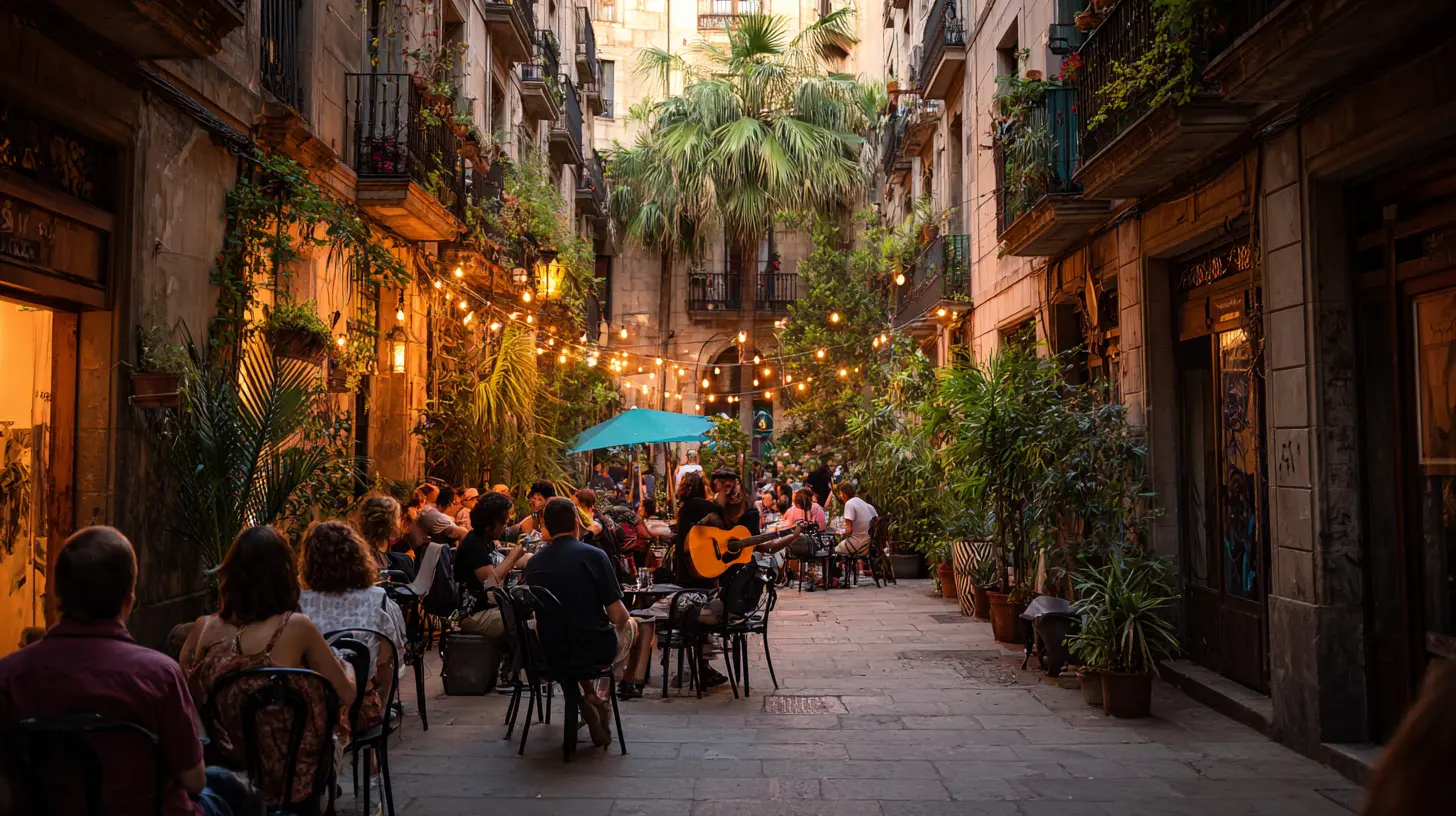
The New Wave: What 2026 Has Brought to the Table
Every year, Barcelona's scene evolves. But 2026 feels like a turning point. There are three big trends you need to know about.The Rise of "Sonido Callejero" (Street Sound)
This is not a genre you can find on Spotify. It is a movement. Young musicians are taking their gear to the streets, setting up pop-up performances in plazas, under bridges, and on the steps of the Cathedral. They use portable speakers, battery-powered synths, and whatever else they can carry. The result is raw, unfiltered, and incredibly democratic. You might be walking through the Gothic Quarter at 10 PM and suddenly find yourself in the middle of a 50-person dance party. The police do not shut it down. They join in. That is Barcelona in 2026.The Flamenco-Techno Hybrid
Okay, this sounds like a joke. It is not. A handful of producers and dancers have started blending the raw emotion of flamenco with the relentless drive of techno. Picture a dancer in traditional dress, stomping to a 140 BPM kick drum, while a DJ cuts samples of palmas (hand claps) and guitar rasgueados. It is jarring at first. Then it is hypnotic. Venues like Jamboree and Harlem Jazz Club have dedicated nights to this fusion. It is weird. It is wonderful. And it is uniquely Barcelona.The Return of Vinyl Culture
Vinyl never really died here, but in 2026 it is back with a vengeance. Record stores like Discos Paradiso and Wah Wah Records have become social hubs. They host listening parties, live DJ sets, and even small concerts in the back room. The vibe is relaxed. You can flip through crates of obscure Catalan funk records while sipping a vermouth. It is a slow, tactile experience in a world that moves too fast. For a music lover, it is heaven.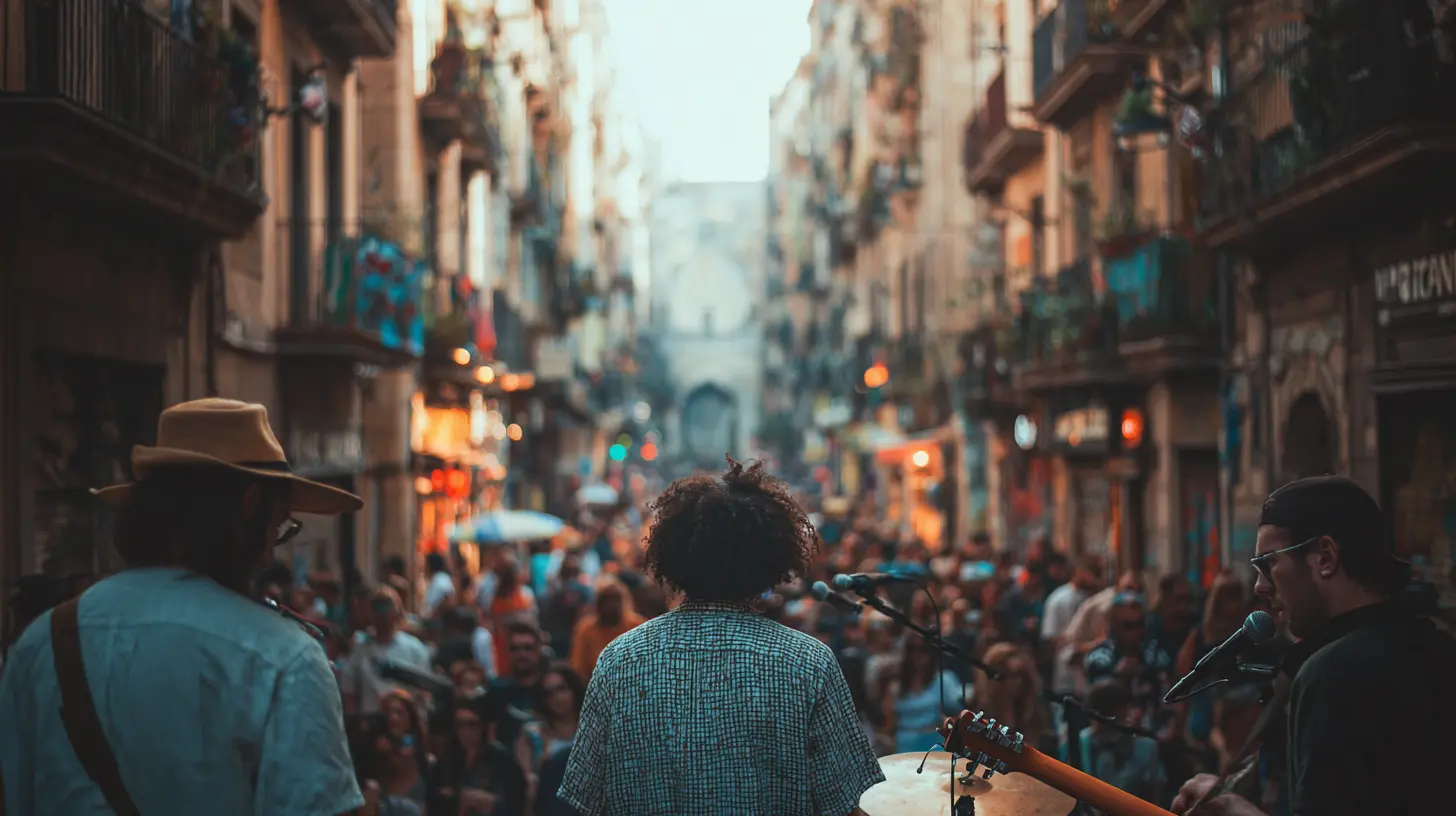
Festivals That Are Worth Your Time (and Money)
You already know about Primavera Sound. It is huge, it is famous, and it sells out fast. But in 2026, there are smaller festivals that offer something more intimate and weird.BAM (Barcelona Accio Musical)
This is the free, street-level festival that runs alongside Primavera Sound. In 2026, it has grown into its own beast. They take over parks, plazas, and even rooftops. You will find everything from noise punk bands to solo cello performances. The best part? It is completely free. You can wander from stage to stage, following the sound that pulls you. It feels like a treasure hunt.Cruilla Festival
This one is a bit more mainstream, but it has a secret weapon: its location. It is held in the Parc del Forum, right by the sea. In 2026, they have added a dedicated "Eclectic Stage" that focuses on fusion acts. Think flamenco-rap, electronic rumba, and Catalan folk with a modern twist. The sunset sets here are legendary. The sound of the waves mixes with the bass, and for a moment, you forget where you are.Festival de la Porta Ferrada
This is the oldest music festival in Spain, and it is a hidden gem. It takes place in the nearby town of Sant Feliu de Guixols, just a short train ride from Barcelona. In 2026, the lineup is a beautiful mess. One night you might see a classical orchestra. The next, a psychedelic rock band from Japan. The venue is an open-air Romanesque monastery. The acoustics are ancient and perfect. It is a day trip you will not forget.How to Navigate the Scene Like a Local
I know what you are thinking. "This all sounds great, but how do I actually find these places?" Do not worry. I have got you covered.First, ditch the apps. Do not rely on Google Maps or TripAdvisor. The best venues are often unmarked or have a tiny sign that is easy to miss. Instead, talk to people. Strike up a conversation with a bartender, a record store owner, or a random person at a cafe. Barcelona is a friendly city. People love to share their favorite spots.
Second, embrace the late hours. Music here starts late. Like, really late. A concert might not kick off until 11 PM. A club might not get busy until 2 AM. That is normal. Adjust your schedule. Take a siesta in the afternoon. Eat dinner at 9 PM. Then head out. You will thank me.
Third, bring cash. Many smaller venues are cash-only. They keep it that way to avoid fees and keep things simple. There is something charming about paying 5 euros for a beer and a live show with crumpled bills.
The Emotional Pull of Barcelona's Music
I have been to a lot of cities with great music scenes. Berlin is precise. New Orleans is raw. London is polished. Barcelona is different. It is emotional. The music here feels like a conversation between the past and the future. You can hear the echoes of the Catalan struggle for identity, the joy of Mediterranean summers, and the restless energy of a city that refuses to be put in a box.When you stand in a tiny club in the Gràcia neighborhood, packed shoulder to shoulder with strangers, and a band starts playing a song that mixes a traditional sardana melody with a distorted guitar riff, you feel something. It is not just entertainment. It is connection. And that is what makes Barcelona's music scene in 2026 so special. It is not about the big names or the viral moments. It is about the shared experience of sound, in a city that knows how to live.
Practical Tips for the Music Lover
Let me leave you with a few concrete suggestions to make your trip smoother.- Check out "Barcelona Music" on Instagram. There is a local account that posts daily listings of underground shows. It is run by a collective of music fans. They do not accept paid promotions. It is the real deal.
- Stay in the Eixample or Gràcia neighborhoods. These areas are close to most venues and have a vibrant street life. You can walk to multiple shows in one night.
- Bring earplugs. I am serious. Some of these small venues have incredible sound systems, and your ears will thank you after a week of late nights. Good earplugs let you hear the music clearly without damaging your hearing.
- Learn a few Catalan phrases. "Bona nit" (good night) and "Gràcies" (thank you) go a long way. Locals appreciate the effort, and it opens doors.
The Final Note
Barcelona in 2026 is not a city you visit. It is a city you listen to. Every corner has a soundtrack. Every night holds a surprise. Whether you are a die-hard techno fan, a jazz purist, or someone who just wants to tap their foot to a good beat, this city has a place for you. The trick is to let go of your itinerary and follow the sound.So pack your bags. Leave your expectations at home. And get ready to hear Barcelona in a way you never imagined. The music is waiting. All you have to do is show up.
all images in this post were generated using AI tools
Category:
Local Music ScenesAuthor:

Kelly Hall
Discussion
rate this article
1 comments
Kairoth Dorsey
Barcelona's music scene is a vibrant mix of styles that truly reflects the city's spirit. From lively street performers to intimate club gigs, there's something for everyone. Don't miss out on discovering hidden gems and local talent in 2026. This city tunes into something special every night... enjoy the rhythm!
May 22, 2026 at 3:11 PM
Kelly Hall
Absolutely, the energy in Barcelona's music scene is unmatched. There's always something new to discover, and the local talent adds so much depth. Can't wait to see what 2026 has in store!