Best Destinations for Remote Work Abroad in 2027
4 May 2026
Let's be honest for a second. If you're reading this, you're probably tired of staring at the same four walls. You've mastered the art of the Zoom background, you know exactly which coffee shop has the strongest WiFi, and you've got your routine down to a science. But here's the thing-remote work was never supposed to be about being stuck in one place. It was supposed to be freedom. A passport to a life where your office could be a beachside cafe in Bali or a cozy mountain cabin in the Andes.
By 2027, the game has changed. It's not just about finding a place with good internet anymore. It's about finding a place that feeds your soul, supports your workflow, and doesn't break the bank. The world has caught up to us digital nomads. Countries are rolling out special visas, coworking spaces are popping up like mushrooms after rain, and the infrastructure is getting better every day.
So, where should you hang your hat (and your laptop) in 2027? I've done the legwork-scoured the forums, talked to friends who are living the dream, and even tested a few spots myself. Here's my honest, no-fluff list of the best destinations for remote work abroad in 2027.

Why 2027 Is Different
Before we dive into the list, let's talk about what's changed. Remember the chaos of 2020? That was the spark. By 2024, remote work was the norm. By 2027, it's an art form. Governments have realized that digital nomads bring money, culture, and energy. They're not just tourists who stay for a week-they're temporary residents who rent apartments, eat at local restaurants, and contribute to the economy.The result? A bunch of countries have launched specific remote work visas. Some are cheap, some are pricey, but all of them are designed to make your life easier. Also, the internet has gotten faster everywhere. You can now stream Netflix in a treehouse in Costa Rica. Seriously. And coworking spaces? They're no longer just a desk and a chair. They've got rooftop gardens, nap pods, and networking events that actually don't suck.
But here's the catch: not every beautiful place is a good place to work. You need reliable power, a time zone that doesn't wreck your sleep schedule, and a community that makes you feel like you belong. That's what this list is about.
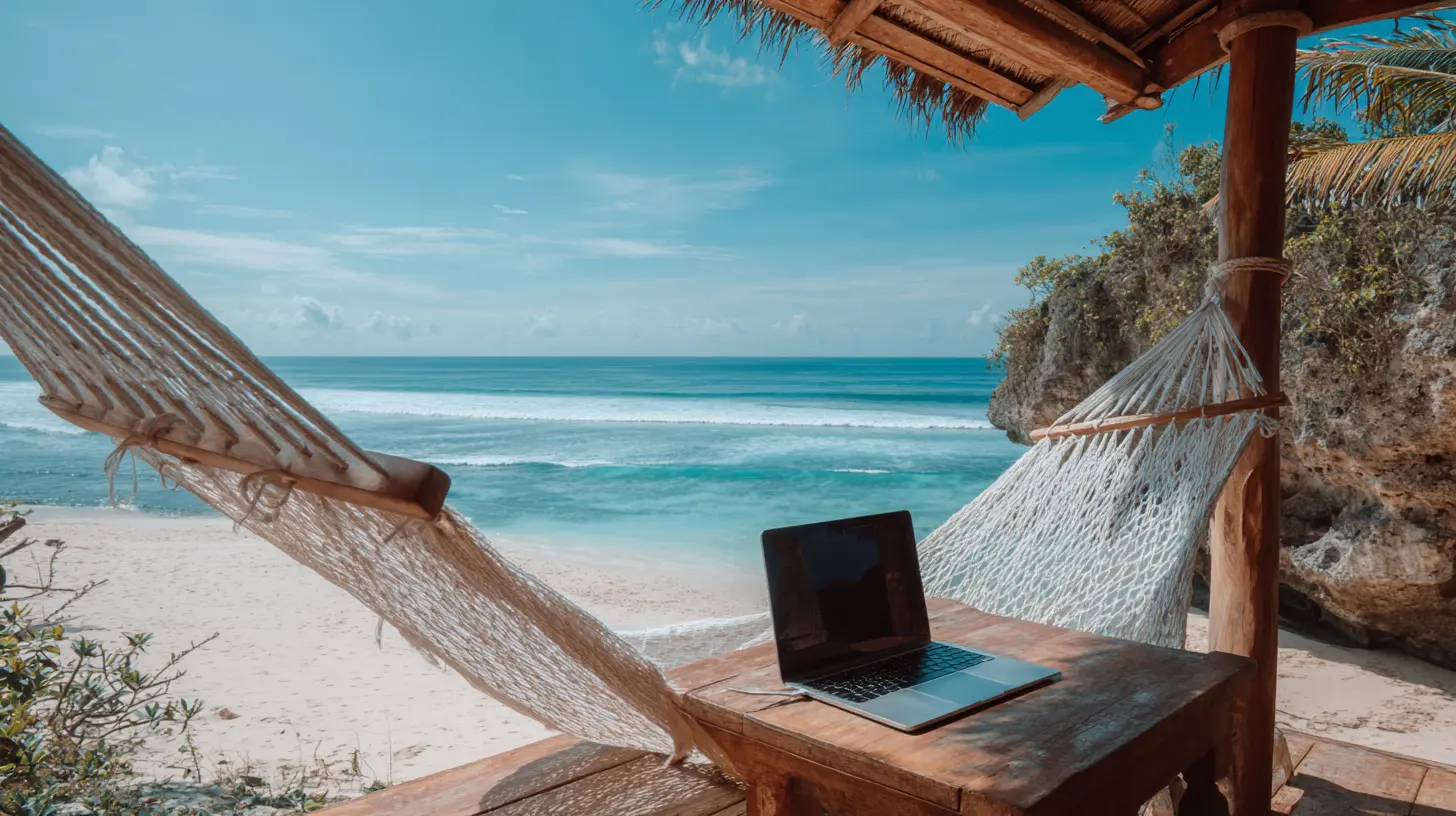
1. Medellin, Colombia - The Eternal Spring City
If you haven't heard about Medellin yet, where have you been? This city has been a digital nomad hotspot for years, and by 2027, it's only gotten better. The weather is perfect-think 72 degrees Fahrenheit year-round. No snow, no scorching heat, just a gentle breeze that makes you want to work with the window open.The cost of living is still a steal. You can rent a modern apartment in the trendy neighborhood of El Poblado for around $800 a month. That includes a pool, a gym, and a view of the mountains. Groceries are cheap, and a meal at a nice restaurant will set you back maybe $10. But the real magic is the vibe. Medellin has this infectious energy. People are friendly, the music is always playing, and the coffee is incredible.
Why 2027? The city has invested heavily in digital infrastructure. You'll find fiber-optic internet in most apartments, and coworking spaces like Selina and WeWork are everywhere. Plus, the Colombia Digital Nomad Visa is now a reality. It's valid for up to two years, and the application process is straightforward. You just need to show proof of income (around $1,000 a month) and a clean background check.
The only downside? The time zone. Medellin is on Eastern Standard Time, so if you're working for a company in Europe, you'll be waking up at 4 AM. But for North American clients, it's perfect.

2. Tbilisi, Georgia - The Hidden Gem of the Caucasus
Let me tell you a secret: Tbilisi is the best value for money in 2027. It's not on everyone's radar yet, but it should be. This city is a blend of old and new-crumbling Soviet buildings next to sleek modern cafes, ancient churches overlooking wine bars. And the wine? Georgia is the birthplace of wine. You'll be drinking $2 bottles that taste like they cost $50.The remote work scene here is booming. Georgia has a "Remotely from Georgia" program that lets you stay for up to a year without a visa. All you need is a passport and a pulse. The internet is fast and reliable, especially in the city center. You can rent a two-bedroom apartment for $500 a month, and a meal at a traditional restaurant costs around $5.
But here's what I love most: the community. Tbilisi has become a magnet for freelancers from all over the world. You'll meet people from Brazil, Germany, Japan, and everywhere in between. There are coworking spaces like Terminal and Impact Hub, where you can plug in and make friends. And the locals? They're incredibly hospitable. You'll get invited to dinner, to a wine tasting, to a hike in the mountains.
One thing to keep in mind: the language barrier. English isn't widely spoken outside of the tourist areas. But that's part of the adventure, right? Download Google Translate and you'll be fine.
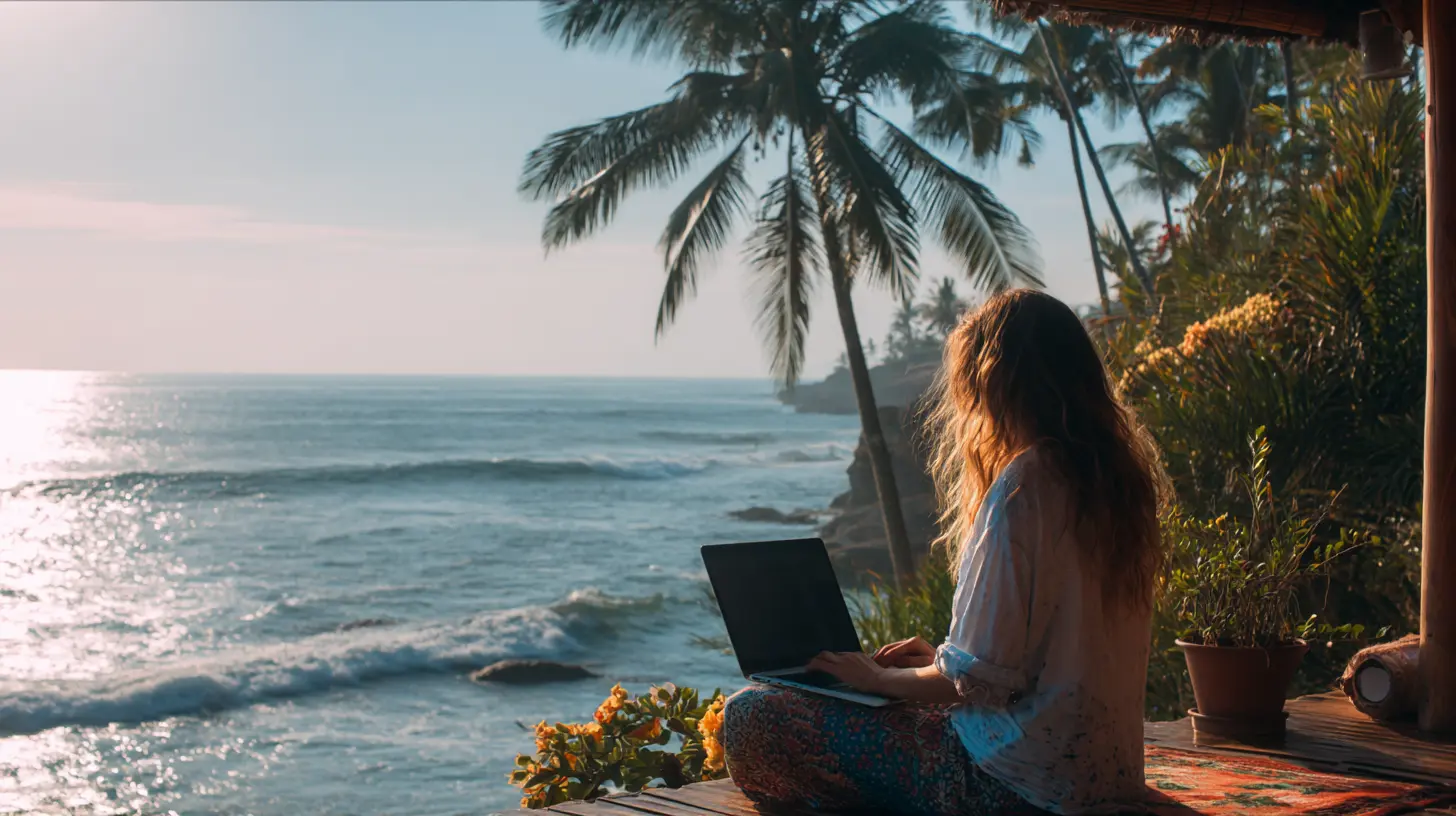
3. Lisbon, Portugal - The Classic That Keeps Getting Better
Okay, I know Lisbon is on every list. But there's a reason for that. It's still one of the best places to work remotely in 2027, even though it's gotten more popular (and more expensive). The sun is almost always shining, the food is amazing (pastel de nata, anyone?), and the city has this laid-back charm that makes you forget you're supposed to be working.The D7 Visa (for remote workers) is well-established now. You need to prove you earn at least three times the Portuguese minimum wage, which is around $1,500 a month. That's doable for most freelancers. The application can be a bit bureaucratic, but once you're in, you're golden. You can stay for a year, then renew.
Living costs have gone up. A studio in the center of Lisbon might cost you $1,200 a month. But you can save by living in neighborhoods like Alcântara or Benfica, which are a short tram ride away. Coworking spaces are everywhere-Second Home, Cowork Central, and a dozen others. And the internet? Blazing fast, even in the older buildings.
What makes Lisbon special in 2027 is the culture. It's not just about work. It's about living. You can surf at Carcavelos beach in the morning, work from a cafe in the afternoon, and listen to fado music at night. The city has a rhythm that slows you down in the best way.
4. Chiang Mai, Thailand - The OG Digital Nomad Hub
You can't talk about remote work without mentioning Chiang Mai. This city has been the spiritual home of digital nomads for over a decade. By 2027, it's still going strong, but it's evolved. The old backpacker vibe has given way to a more sophisticated scene. Think sleek coworking spaces, organic cafes, and a thriving wellness culture.The cost of living is ridiculously low. You can rent a modern condo with a pool for $300 a month. Street food costs $1.50 a meal. And the internet? It's fast and stable, especially if you get a condo with fiber. The Thailand Smart Visa is now easier to get for remote workers. You need to show a contract with a foreign company and a minimum income of $40,000 a year. It's valid for up to four years.
But here's what I love about Chiang Mai: the balance. You can work hard in the morning, then take a Thai boxing class, visit a temple, or hike to a waterfall. The city is surrounded by mountains and jungles, so you're never far from nature. And the digital nomad community is huge. You'll find meetups, workshops, and parties every night of the week.
The biggest challenge? The air quality. From February to April, the burning season can make the sky hazy. But that's a small price to pay for paradise.
5. Tallinn, Estonia - The Digital Republic
If you're a tech-savvy remote worker, Tallinn is your dream destination. Estonia is literally a digital nation. They have e-residency, online voting, and digital healthcare. The internet here is the fastest in Europe, and the city is a living laboratory for innovation.The Digital Nomad Visa was launched in 2020, and by 2027, it's a well-oiled machine. You need to show a monthly income of at least $3,500 and proof of remote work. The visa is valid for a year. The cost of living is moderate-a one-bedroom apartment in the center costs around $900 a month. Food and transport are reasonable.
But Tallinn is not just about work. It's a beautiful city with a medieval old town that feels like a fairy tale. In the summer, you can sit in a square and watch the world go by. In the winter, you can cozy up in a cafe with a hot chocolate. The startup scene is buzzing, and you'll meet entrepreneurs from all over the world.
The downside? The weather. Winters are dark and cold, with only a few hours of daylight. But if you're a fan of hygge (the Danish concept of coziness), you'll love it.
6. Buenos Aires, Argentina - The City of Passion
Let's talk about Buenos Aires. This city has soul. It's loud, messy, and absolutely beautiful. The architecture is European, the people are passionate, and the steak is the best you'll ever eat. By 2027, it's become a top choice for remote workers who want a bit of drama in their lives.Argentina has a Digital Nomad Visa that's easy to get. You need to show proof of income (around $2,000 a month) and a clean record. The visa is valid for a year. The cost of living is low-you can rent a nice apartment in Palermo for $600 a month. And the dollar goes a long way, especially if you bring cash (the exchange rate is more favorable on the black market).
The internet is solid, especially in the city center. Coworking spaces like Urban Station and WeWork are popular. But the real draw is the culture. You can learn tango, explore the colorful neighborhood of La Boca, or drink mate in a park. The energy here is contagious.
One thing to watch out for: inflation. Argentina has a volatile economy, so prices can change quickly. But if you're earning in dollars, you're in a good position.
7. Cape Town, South Africa - The Adventure Capital
Cape Town is for the brave. It's not the easiest place to work remotely, but if you're up for an adventure, it's unforgettable. The scenery is breathtaking-Table Mountain, pristine beaches, and vineyards that stretch for miles. The cost of living is low, and the internet is decent in the city.South Africa has a Remote Work Visa that's been around since 2022. You need to show an income of at least $2,500 a month. The visa is valid for a year. You can rent a beautiful apartment in Camps Bay for $800 a month, and a meal at a top restaurant costs $15.
The community is small but tight-knit. You'll find coworking spaces like Workshop17 and The Bureaux. The time zone works well for both Europe and the US. And the lifestyle? You can surf in the morning, work in the afternoon, and watch the sunset from Signal Hill.
The challenges? Safety is a concern. You need to be street-smart and avoid certain areas at night. Also, power outages (called "load shedding") can happen. But most coworking spaces have backup generators.
How to Choose the Right Destination for You
I've given you seven options, but how do you pick? Think about your priorities. Do you want a low cost of living? Go to Chiang Mai or Tbilisi. Do you need a fast internet connection? Tallinn or Lisbon. Do you want a vibrant social scene? Medellin or Buenos Aires. Do you crave adventure? Cape Town.Also, consider your time zone. If you're working for a US company, Medellin is a no-brainer. For European clients, Lisbon or Tallinn are better. For Asian clients, Chiang Mai works well.
And don't forget to try before you commit. Rent an Airbnb for a month. Test the coworking spaces. Talk to other nomads. The beauty of remote work is flexibility-you can always move on.
Final Thoughts
Remote work in 2027 is not just about escaping the 9-to-5 grind. It's about designing a life that fits you. These destinations are more than just pretty places-they're communities, ecosystems, and opportunities. They'll challenge you, inspire you, and maybe even change you.So pack your laptop, book that flight, and go. The world is waiting, and your office is wherever you choose to be.
all images in this post were generated using AI tools
Category:
Working AbroadAuthor:

Kelly Hall
Discussion
rate this article
1 comments
Jillian Barrett
Perfect spots for work-life balance.
May 7, 2026 at 2:39 PM
Kelly Hall
Thanks! Finding the right balance is key. Glad you liked the spots!