Campfire Cooking Ideas That Go Beyond S'mores in 2026
27 April 2026
Let’s be brutally honest for a second: s’mores are the participation trophy of campfire cuisine. Sure, they’re cute, nostalgic, and require zero brainpower—but by the third night of your camping trip, you’re basically eating burnt sugar on a cracker while pretending you’re living your best wilderness life. Newsflash: you’re not. You’re just a human with a stick and a bag of marshmallows, and somewhere out there, a raccoon is laughing at you.
Welcome to 2026, where we’ve finally evolved past the prehistoric art of squishing chocolate between two graham crackers. I’m here to drag your campfire cooking out of the Stone Age and into a world where flames produce actual flavor—not just a sticky mess on your fingers. If you’re ready to ditch the marshmallow-on-a-stick routine and impress your camping crew with dishes that’ll make them forget Wi-Fi exists, grab your cast iron skillet and a sense of humor. Let’s get cooking.
Why You Should Retire the S’more (At Least Temporarily)
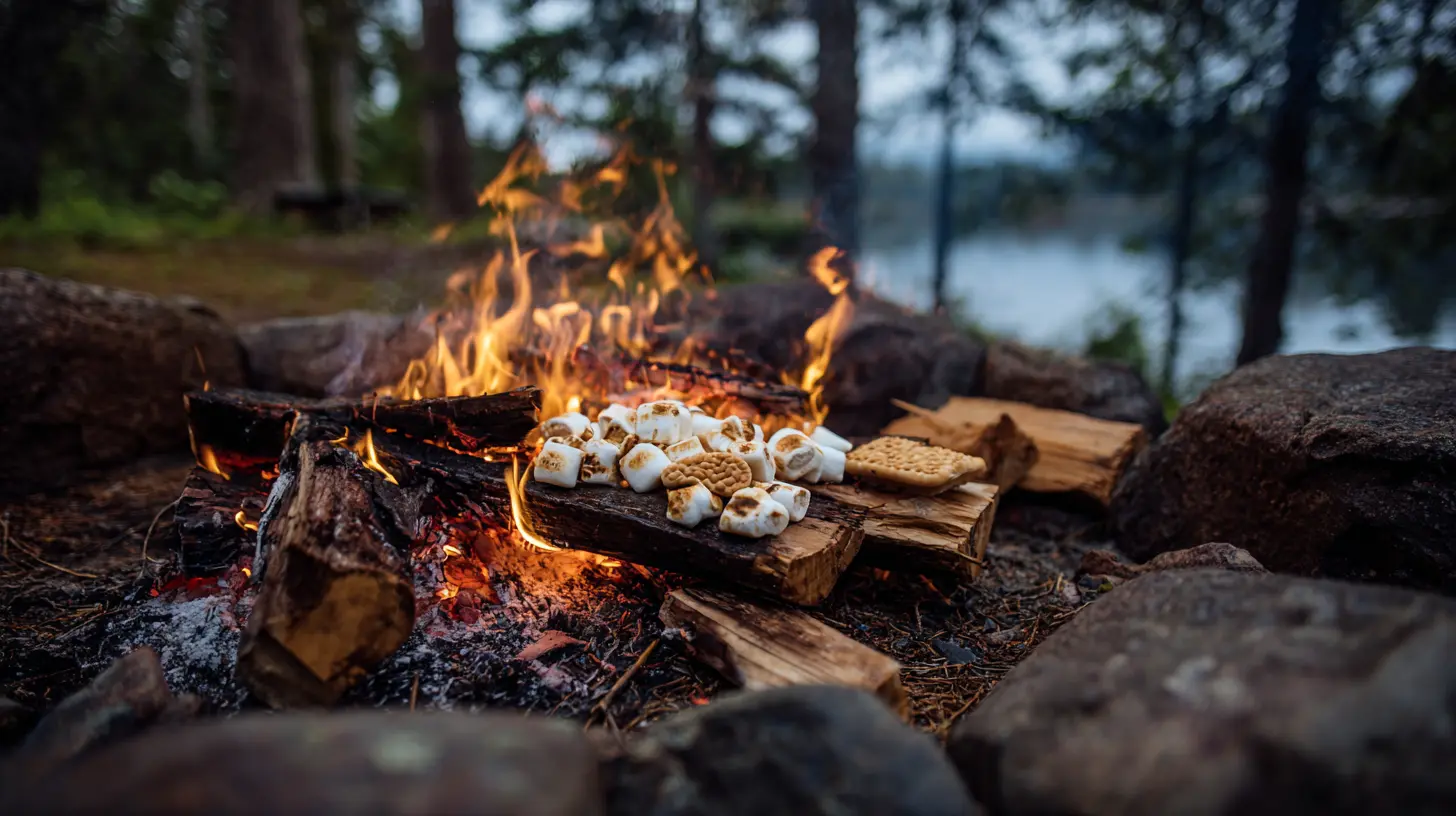
Look, I love a good s’more as much as the next person—specifically, the one I eat at 11 p.m. after three beers when my judgment is impaired. But let’s face the facts: s’mores are messy, they’re one-dimensional, and they’re about as adventurous as ordering a plain cheese pizza at a five-star restaurant. In 2026, we demand more from our campfires. We want complexity. We want drama. We want a meal that doesn’t require you to scrape molten sugar off your jeans for the next three days.Plus, have you ever tried to toast a marshmallow evenly over a roaring fire? It’s a fool’s errand. You either end up with a charred hockey puck or a gooey blob that slides off your stick into the dirt, where it becomes an offering to the forest gods. No thanks. The era of low-effort campfire cooking is over. It’s time to embrace dishes that actually taste like something—and no, “something” doesn’t mean “ash.”
The Unsung Hero: Cast Iron Skillet Nachos
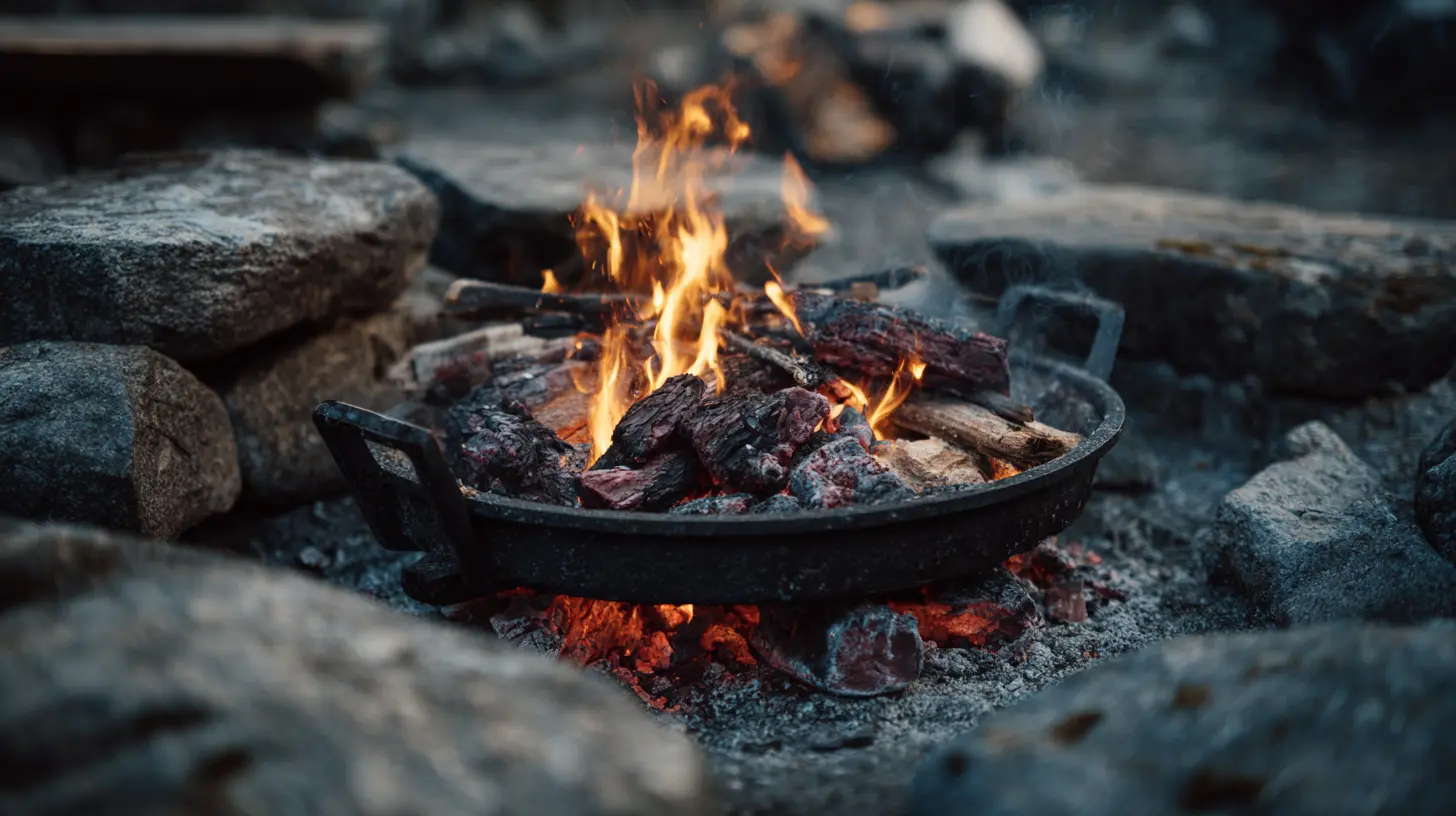
Let’s start with a dish that will make your campfire the envy of every squirrel within a five-mile radius: cast iron skillet nachos. This isn’t your average bag-of-chips-and-salsa situation. We’re talking layers of tortilla chips, black beans, shredded chicken (pre-cooked, because you’re not a masochist), jalapeños, and a mountain of cheese that would make a dairy farmer weep.Here’s the trick: place your cast iron skillet directly on the campfire grate or coals. Layer your ingredients like you’re building a tiny, edible skyscraper. Cover with foil for the first 10 minutes to melt the cheese without burning the chips. Then, remove the foil and let the top get gloriously crispy. The result? A gooey, crunchy, spicy masterpiece that’s infinitely more satisfying than a s’more. Plus, you can eat it with your hands, which is the official campfire cooking rule number one.
Rhetorical question: Why are you still holding a marshmallow on a stick when you could be holding a chip loaded with molten cheese? Exactly.
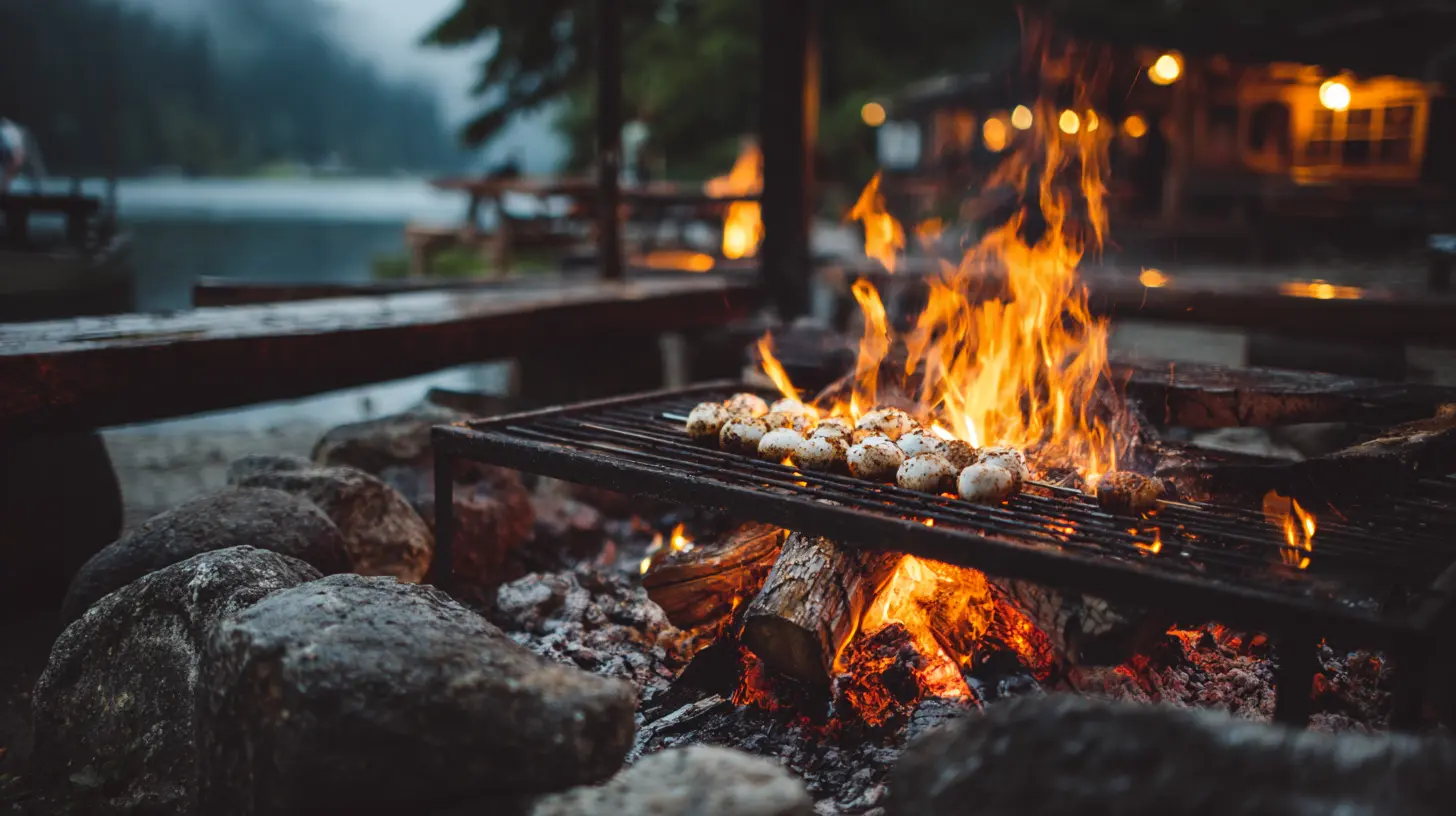
Campfire Paella: Because You’re Fancy Now
I know what you’re thinking: “Paella? Over a campfire? Who do you think I am, a Michelin-starred chef who also happens to live in the woods?” Trust me, it’s easier than it sounds. And it’s the ultimate flex for your camping group.You’ll need a large cast iron skillet or a paella pan (yes, you can bring one—live a little). Sauté some chorizo, onions, and garlic in olive oil until your campsite smells like a Spanish tapas bar. Add rice, smoked paprika, saffron (if you’re feeling bougie), and chicken broth. Nestle in some shrimp, mussels, or whatever seafood you can find that hasn’t been swimming in a plastic bag for a week. Cover and let it simmer over the fire for about 20 minutes.
The magic happens when the rice at the bottom gets crispy—that’s the socarrat, and it’s the campfire equivalent of finding gold. Serve it directly from the pan. No plates, no forks, no nonsense. Just you, a spoon, and the smug satisfaction that you made paella while someone else was burning a marshmallow to a crisp.
Metaphor alert: Making paella over a campfire is like doing a cartwheel in a library—it’s unexpected, slightly reckless, and absolutely memorable.
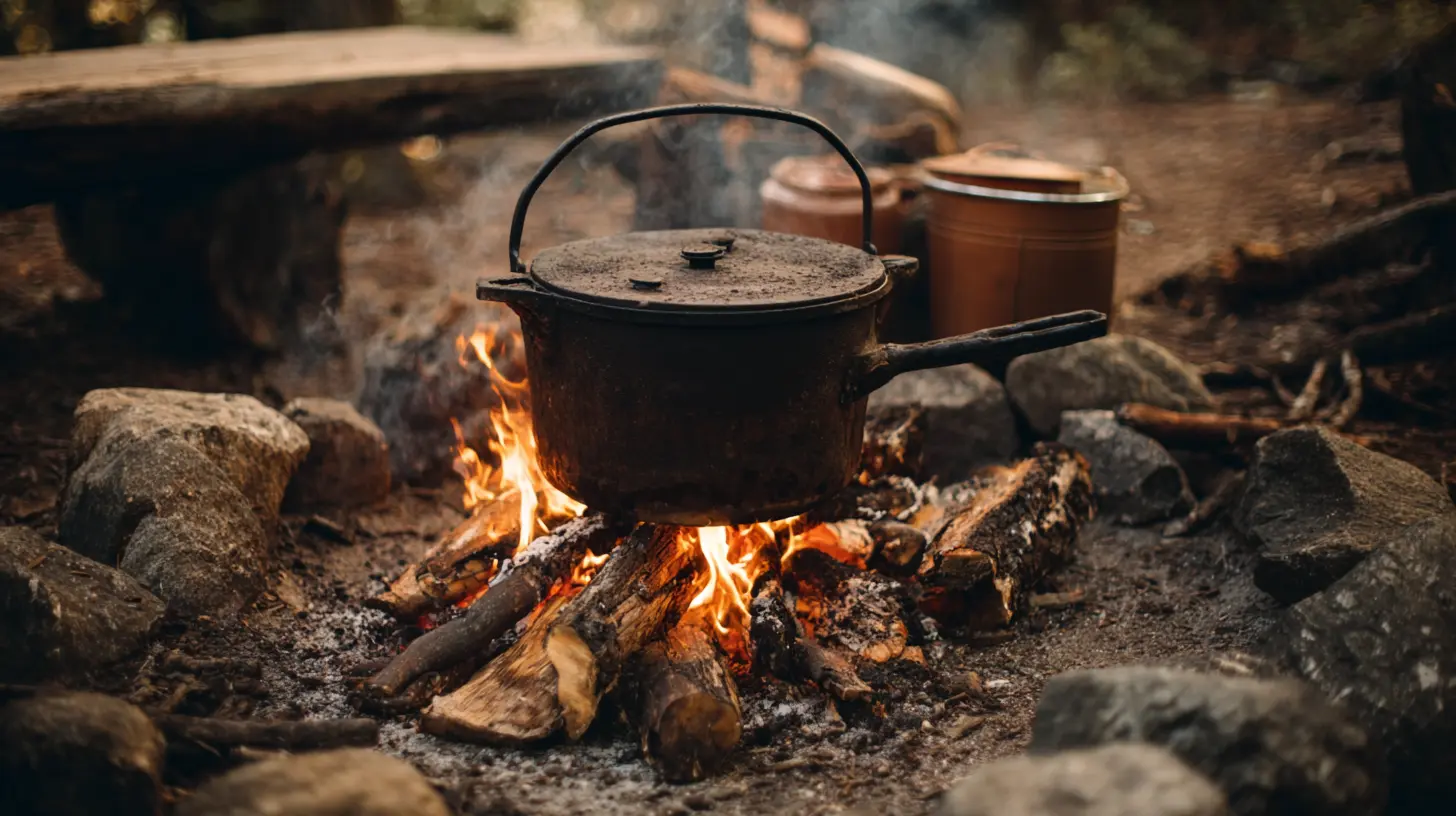
The Loaded Campfire Potato: A Carb Bomb Worth Dying For
If you haven’t wrapped a potato in foil and thrown it into the coals, you’re not camping—you’re just glamping with extra steps. But let’s upgrade this classic. Instead of a sad, plain potato with a pat of butter, we’re going full loaded potato bar.Start by scrubbing your potatoes (yes, wash them—dirt isn’t a seasoning). Wrap each one in foil and toss them into the hot coals for about 45 minutes, turning occasionally. While they’re doing their underground sauna routine, prep your toppings: crispy bacon bits, shredded cheddar, sour cream, chives, and—this is the game-changer—a drizzle of truffle oil. Yes, truffle oil. You’re in the woods, not a medieval dungeon. Treat yourself.
When the potatoes are tender enough to split with a fork, cut them open, fluff the insides, and pile on the toppings. The result is a warm, buttery, indulgent mess that pairs perfectly with a cold beer and the sound of a distant owl judging your life choices.
Burstiness check: One second you’re eating a plain potato, the next you’re in a carb-induced euphoria. That’s the kind of plot twist your campfire needs.
Dessert That Doesn’t Suck: Grilled Pineapple with Cinnamon Sugar
I know we’re supposed to be going “beyond s’mores,” but let’s not abandon dessert entirely. We’re just upgrading it. Enter grilled pineapple: the s’more’s cooler, more sophisticated cousin who studied abroad and learned how to dress.Slice a fresh pineapple into rings (or buy pre-cut rings if you’re not a masochist). Brush them with melted butter and sprinkle with cinnamon sugar. Place the rings directly on the campfire grate or in a cast iron skillet. Grill for about 3-4 minutes per side until they have those sexy char marks and the sugar caramelizes into a sticky, golden crust.
Serve with a dollop of whipped cream or a scoop of vanilla ice cream if you’re feeling extra. The heat from the pineapple melts the ice cream into a sweet, creamy sauce that’s basically a hug for your mouth. And the best part? No sticky marshmallow residue on your fingers. You’re welcome.
Analogy: Grilled pineapple is to s’mores what a sports car is to a tricycle—both get you where you’re going, but one does it with style and a little bit of danger.
Foil Packet Fajitas: The Ultimate No-Mess Miracle
If you’ve ever cleaned a campfire skillet after cooking onions and peppers, you know it’s a form of torture invented by someone who hates joy. That’s why foil packet fajitas are the unsung heroes of campfire cooking in 2026.Here’s the drill: take a large sheet of heavy-duty aluminum foil. Pile on sliced bell peppers, onions, pre-cooked chicken or steak strips, and a generous sprinkle of fajita seasoning. Add a squeeze of lime juice and a drizzle of oil. Fold the foil into a tight packet (think: a tiny, edible envelope). Place it on the campfire coals or grate for about 15-20 minutes, flipping once.
When you open the packet, you’ll be hit with a cloud of aromatic steam that smells like a Tex-Mex restaurant exploded in the forest. Serve directly from the foil with warm tortillas, salsa, and guacamole. No plates, no pans, no scrubbing. Just pure, unadulterated fajita goodness.
Rhetorical question: Why are you still cutting onions with a pocket knife when you could be eating fajitas from a foil pouch like the wilderness king or queen you are?
Campfire Mac and Cheese: The Ultimate Comfort Food Upgrade
Boxed mac and cheese is for people who gave up on life. Campfire mac and cheese is for people who want to feel alive. This dish is a one-pot wonder that requires only a cast iron Dutch oven and a little bit of patience.Start by cooking your pasta in the Dutch oven over the fire until al dente. Drain most of the water (leave a little for creaminess). Add butter, milk, and a mountain of shredded cheese—cheddar, Gruyère, or whatever you have that isn’t expired. Stir until it’s a gooey, stringy masterpiece. For extra credit, top with breadcrumbs and let them toast over the fire until golden.
The result is a creamy, cheesy, soul-warming bowl of happiness that makes you forget you’re sleeping on the ground. Serve it with a side of “I can’t believe I made this over a campfire” smugness.
Metaphor: This mac and cheese is the campfire equivalent of a warm blanket on a cold night—except you can eat it, and it tastes way better.
Breakfast of Champions: Campfire Breakfast Burritos
Let’s not pretend you’re waking up at dawn to watch the sunrise. You’re waking up because a bird screeched in your ear and your back hurts from sleeping on a rock. But a good breakfast can fix everything.Pre-cook some scrambled eggs in a skillet over the campfire. Add cooked sausage or bacon, shredded cheese, and sautéed peppers. Warm up some tortillas by holding them over the fire for 10 seconds (don’t burn them—you’re not a monster). Fill the tortillas with the egg mixture, roll them up, and wrap them in foil. Place the foil-wrapped burritos on the coals for a few minutes to melt the cheese and crisp the tortilla.
When you bite into that warm, cheesy, portable breakfast, you’ll forget about the bird, the rock, and your questionable life choices. You’ll just be a person in the woods eating a burrito, and that’s enough.
Burstiness check: One moment you’re groggy and grumpy, the next you’re holding a burrito that tastes like victory. That’s the power of campfire cooking.
The Secret Weapon: Prepping Like a Pro
Here’s the truth bomb: all these fancy campfire dishes require a little bit of pre-trip prep. You can’t just show up to the woods with a bag of marshmallows and expect to whip up paella. But that’s the beauty of 2026—we’re smarter than that.Chop your veggies at home. Pre-cook your meats. Measure your spices into little baggies. Pack your cast iron skillet like it’s a sacred artifact. The more you prep, the less you’ll curse at the fire while trying to chop an onion with a dull knife.
And for the love of all that is holy, bring a headlamp. Cooking in the dark is a recipe for burnt fingers and salty language.
Final Thoughts: Your Campfire, Your Rules
Look, I’m not saying you should never eat a s’more again. They have their place—usually at 2 a.m. when you’ve run out of ideas and patience. But in 2026, you have options. You can eat like a king or queen of the forest, not a sugar-crazed toddler.So next time you’re staring at a campfire, ask yourself: “Do I want a sticky, burnt marshmallow, or do I want a skillet full of nachos that will make my camping companions worship me?” The answer is obvious. Go beyond s’mores. Your taste buds—and your Instagram feed—will thank you.
all images in this post were generated using AI tools
Category:
Camping AdventuresAuthor:

Kelly Hall
Discussion
rate this article
2 comments
Damien Sawyer
I love the creativity in these campfire cooking ideas! It's refreshing to see alternatives to traditional s'mores. Exploring new flavors while enjoying nature truly enhances the camping experience. Can't wait to try some of these recipes!
May 4, 2026 at 2:57 AM
Zara Phillips
Oh great, because who wouldn't want to spend a night wrestling with gourmet ingredients instead of just toasting marshmallows? Can't wait for the five-star campfire experience. Bon appétit, outdoorsy chefs!
May 2, 2026 at 2:34 AM
Kelly Hall
I hear you! There's definitely a fun challenge in elevating campfire cooking. Who knows, it might surprise you!