Cold Weather Backcountry Adventures: How to Stay Warm
25 July 2026
Nothing beats the thrill of heading into the backcountry, but when the temperature drops, staying warm becomes a challenge. Whether you're hiking, camping, or skiing in the deep wilderness, cold weather can turn an adventure into a survival situation real quick. But don’t worry—if you gear up properly and follow some time-tested tricks, you can stay toasty while enjoying the beauty of winter landscapes.
In this guide, we’ll break down everything you need to know about staying warm on your cold-weather backcountry adventures. From layering strategies to essential gear and survival tricks, let's make sure you’re prepared to tackle the cold like a pro.
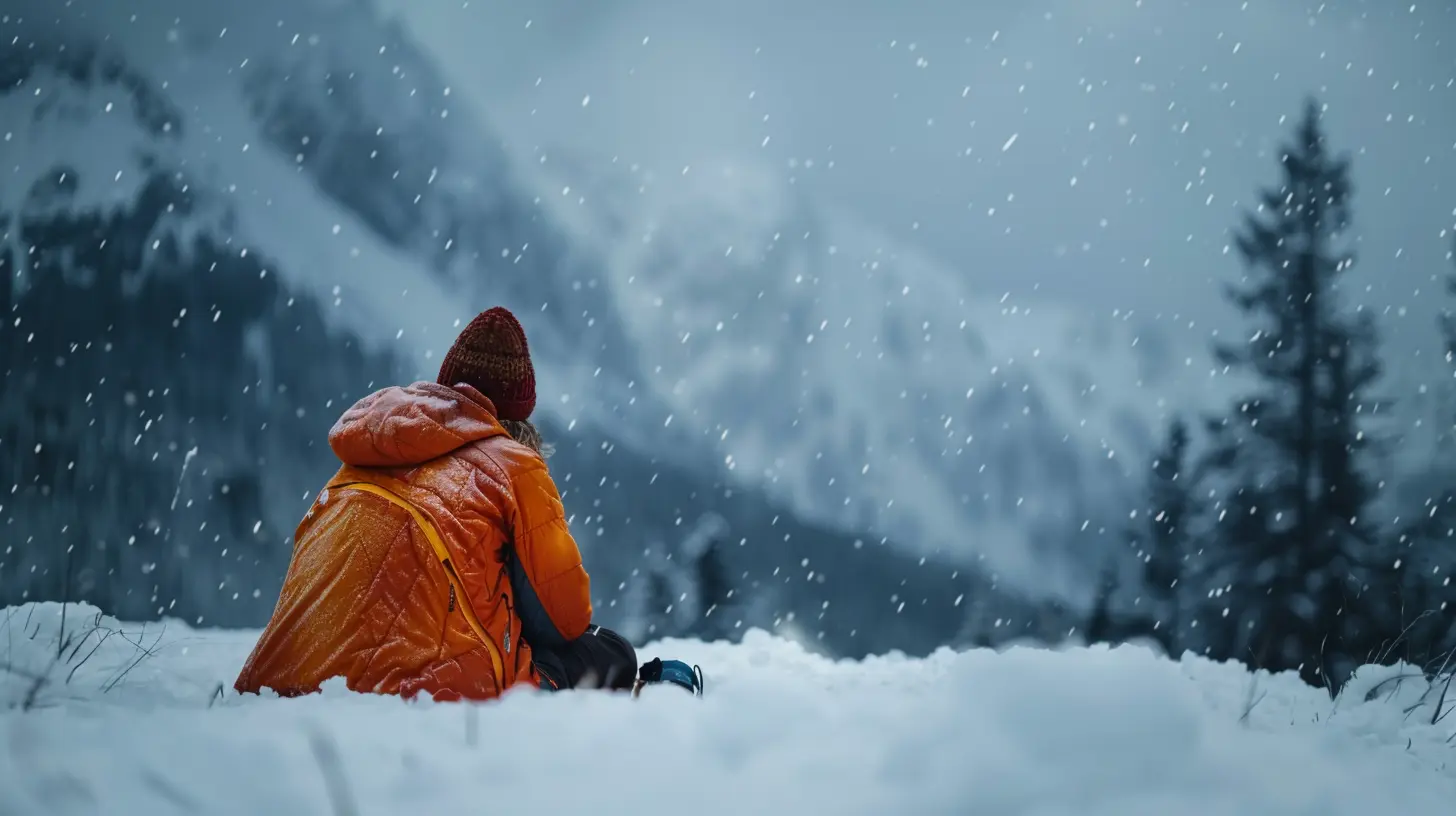
The Golden Rule: Layering Like a Pro
If you get layering wrong, you’re in for a miserable time. The key? Wear multiple layers that trap heat while wicking away moisture. Here’s how:1. Base Layer: Moisture Management
Your base layer’s job is simple—keep sweat off your skin. Wet skin equals cold skin, and that’s a shortcut to hypothermia. Go for moisture-wicking materials like:- Merino wool (warm, breathable, and odor-resistant)
- Synthetic fabrics (like polyester, which dries quickly)
- Avoid cotton! (It soaks up sweat and keeps you wet)
2. Mid Layer: Insulation is Key
Your mid layer is the main heat-retaining piece. Think of this as the barrier between you and the cold. The best options include:- Fleece jackets (lightweight and breathable)
- Down jackets (super warm but useless when wet)
- Synthetic insulation (works even when damp)
3. Outer Layer: Weather Protection
Your outer layer should shield you from wind, rain, and snow. Prioritize:- Waterproof, windproof shells (like Gore-Tex)
- Ventilation zippers to prevent overheating
- A good fit—too tight and you’ll feel restricted, too loose and cold air sneaks in
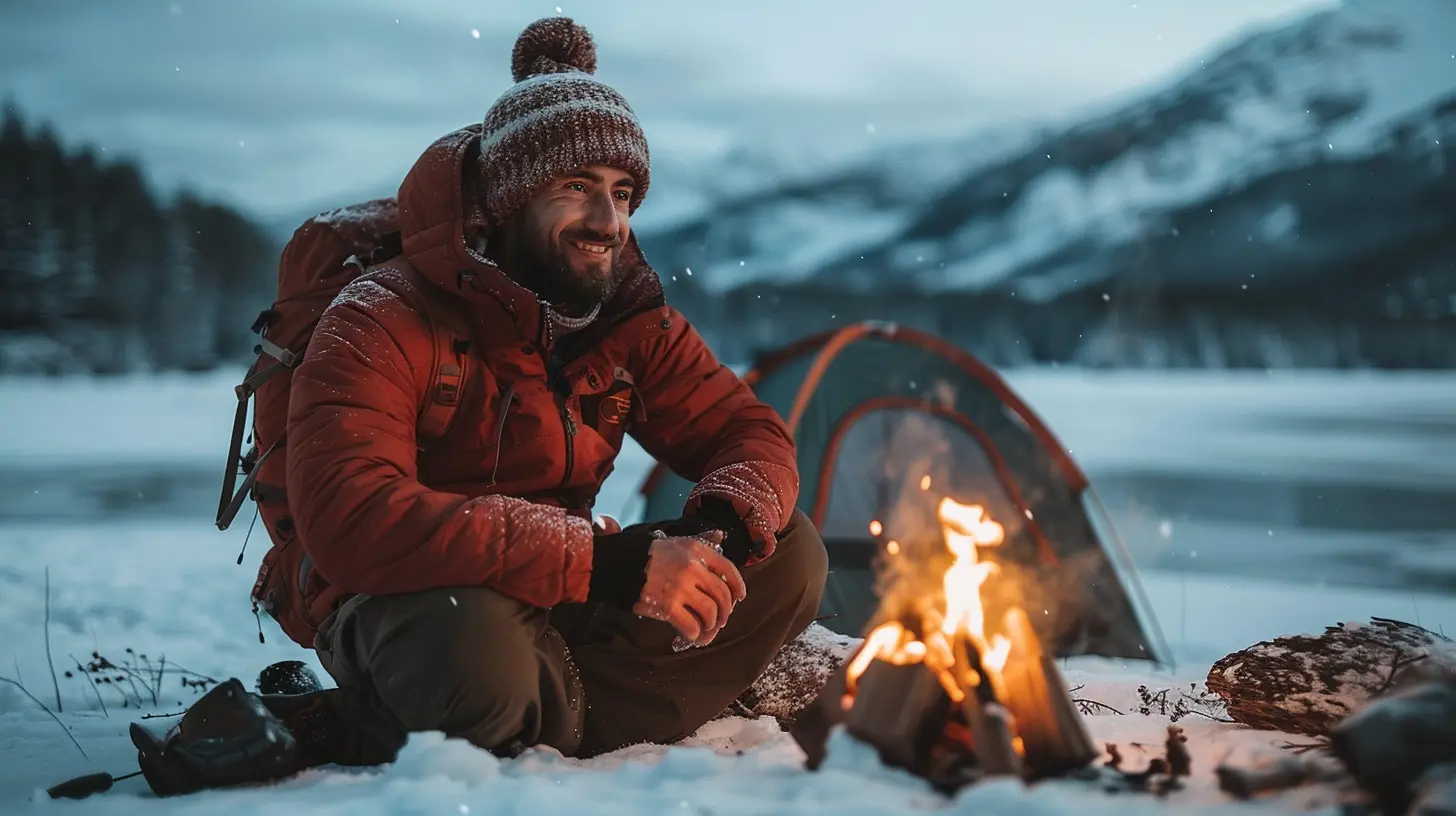
Keep Your Extremities Warm
Hands: Gloves or Mittens?
Mittens are generally warmer since your fingers share heat, but gloves offer better dexterity. Ideally, bring both:- Thin liner gloves (for dexterity)
- Thick insulated mittens (for warmth)
- Hand warmers (because warm hands = happy adventures)
Feet: Dry and Toasty
Cold feet can ruin a trip faster than you think. The trick? Keep them dry.- Wear two layers of socks (thin moisture-wicking liner + thick wool socks)
- Use insulated waterproof boots (nothing’s worse than soggy boots)
- Throw in foot warmers for added heat
Head & Neck: Retain That Heat
You lose a lot of heat through your head. A well-insulated hat and a neck gaiter or scarf will do wonders. Balaclavas are also a great option for extra warmth.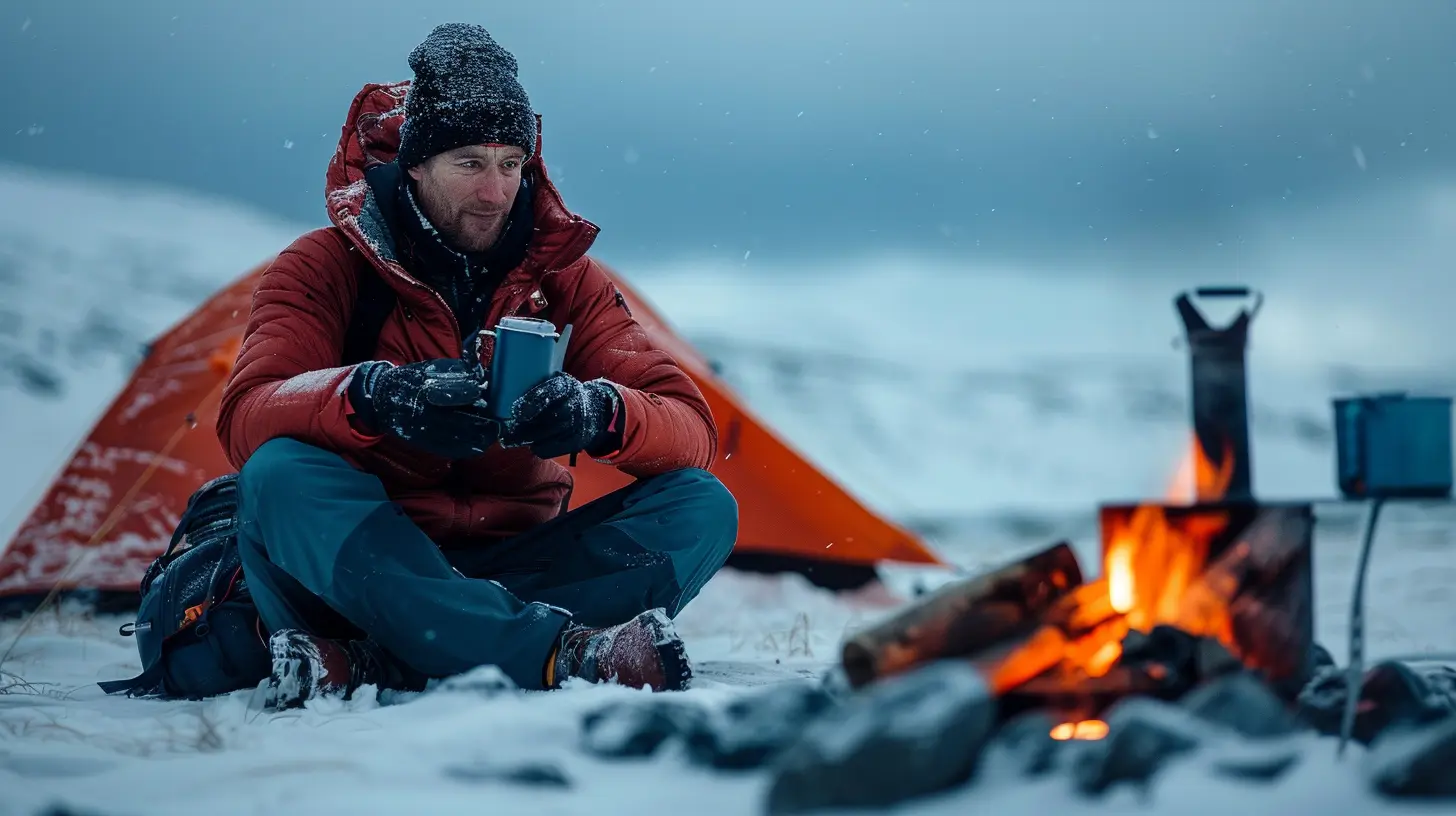
Pro Tips for Staying Warm in the Cold
Even with the right gear, a few expert tricks can make a huge difference.1. Stay Dry at All Costs
Moisture is your enemy. If you start sweating, shed a layer. If your feet get wet, change socks immediately.2. Eat High-Calorie Foods
Your body burns extra calories in the cold. Load up on fats, proteins, and carbs:- Nuts, cheese, and chocolate make excellent trail snacks.
- Hot food and drinks help maintain warmth.
3. Keep Moving, but Don’t Overdo It
Physical activity generates heat, but sweating will cool you down fast. Move at a steady pace and adjust layers as you go.4. Use Heat Packs and Warmers
Stick disposable hand warmers inside your gloves, boots, or even sleeping bag for extra warmth.5. Use the Buddy System
If you’re traveling in a group, keep an eye on each other for signs of frostbite or hypothermia.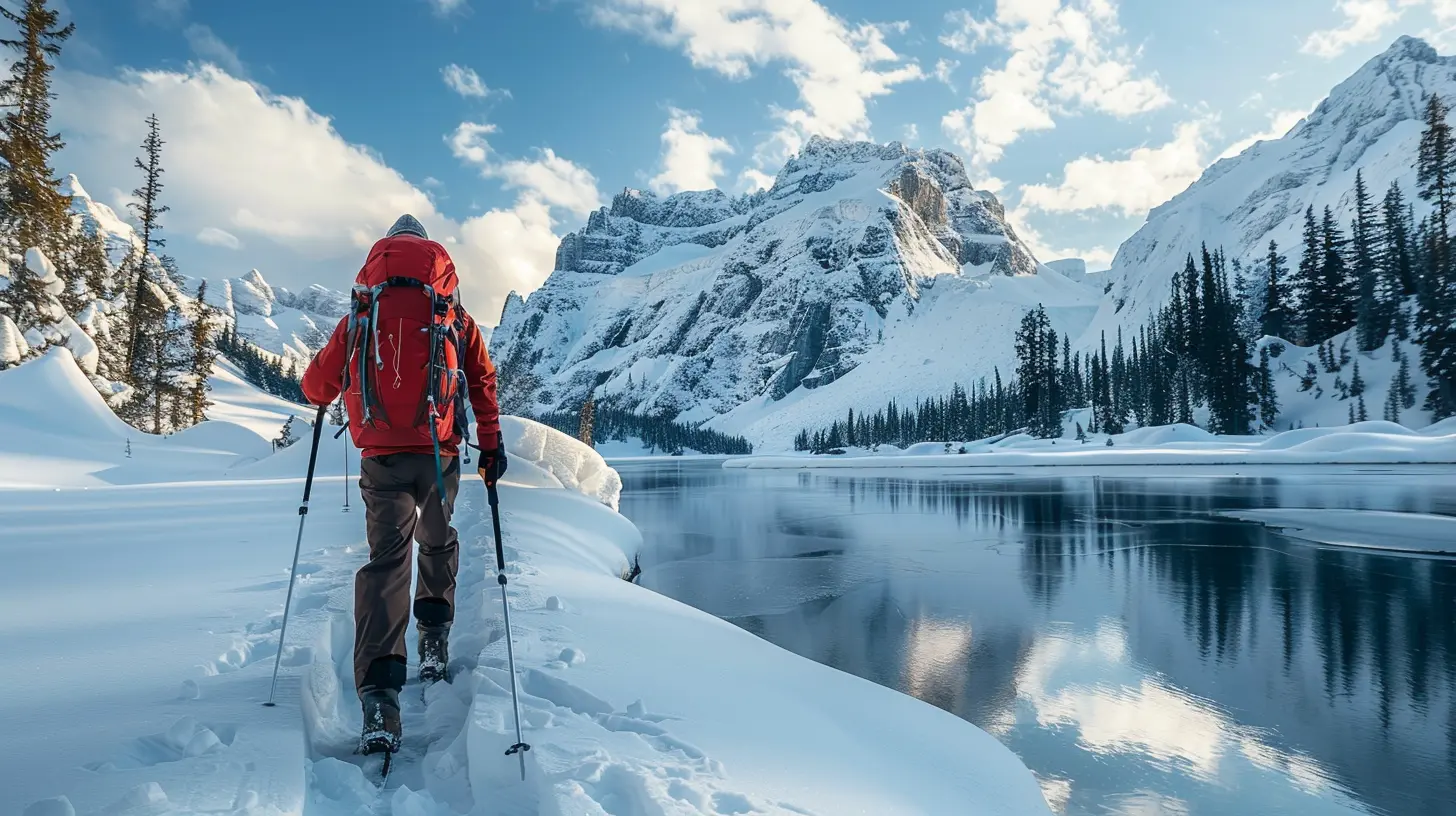
Sleeping Warm in Cold Weather
1. Use the Right Sleeping Bag
Get a sleeping bag rated for temperatures below what you expect. Go for:- Down-filled bags (lighter but useless when wet)
- Synthetic-fill bags (heavier but work in damp conditions)
2. Insulate Yourself from the Ground
Heat escapes into the frozen ground fast. Use a:- Good sleeping pad (R-value of 4+ for winter camping)
- Extra blanket or foam pad (if temps are extreme)
3. Wear Dry Clothes to Bed
Sweaty clothes will make you cold. Change into dry layers before crawling into your sleeping bag.4. Make a Hot Water Bottle
Fill a water bottle with hot water and stick it in your sleeping bag near your feet. Instant warmth booster!5. Don’t Hold Your Pee!
Sounds weird, but holding in urine wastes energy (your body warms the liquid inside you). Get up and go—it’ll help you stay warmer in the long run.Fire: Your Best Friend in the Cold
Nothing beats a warm fire when it’s freezing outside. But starting one in snowy, windy conditions? Not so easy. Here’s what helps:- Carry waterproof matches & a lighter as backups.
- Use firestarter materials (cotton balls soaked in petroleum jelly work great).
- Find dry wood under fallen logs or break off dead branches from standing trees.
- Build a windbreak with rocks or snow to keep the fire steady.
What to Avoid in Cold Weather Backcountry Adventures
Even seasoned adventurers make mistakes. Avoid these common pitfalls:- Overdressing when hiking (you’ll sweat and then freeze when you stop).
- Ignoring hypothermia symptoms (shivering, confusion, slurred speech).
- Skipping meals (you need calories to stay warm).
- Wearing cotton (seriously, just don’t).
Final Thoughts
Cold weather backcountry adventures can be breathtaking—literally and figuratively! But staying warm is the key to enjoying them. Proper layering, smart movement, the right gear, and a few handy tricks will keep you comfortable and safe. So pack smart, stay dry, keep those calories coming, and embrace the winter wilderness like a pro.all images in this post were generated using AI tools
Category:
Backcountry TravelAuthor:

Kelly Hall