Discovering Biodiverse National Parks Through Sustainable Travel
6 January 2026
Let’s not beat around the bush—our planet is awesome. From the dense rainforests of the Amazon to the wide-open plains of Africa, Earth is packed with jaw-dropping beauty and mind-blowing biodiversity. But if we’re honest, we’ve not been the best houseguests. Over-tourism and unsustainable travel are slowly chipping away at the very wonders we crave to see.
So, what’s the solution? Two words: sustainable travel.
And there’s no better place to practice sustainable travel than in biodiverse national parks—those wild pockets of nature that are overflowing with life yet craving respect and protection. In this blog post, we're taking a deep dive into how you can experience the world’s most biodiverse national parks without leaving a destructive footprint behind.
🌎 Why Biodiversity in National Parks Matters
Let’s start with a quick reality check. Biodiversity isn’t just a fancy buzzword scientists throw around. It’s literally what keeps the world ticking. The more diverse an ecosystem is, the more resilient it becomes. Think of it like a web; the more threads it has, the stronger it is. Pull a few out, and suddenly, it starts to unravel.National parks are nature’s safe deposit boxes—massive vaults storing some of the richest biodiversity on Earth. They protect endangered species, preserve complicated ecosystems, and even regulate climate conditions.
But here’s the kicker—they need us to stay intact. Not to "save" them per se, but to treat them like the sacred spaces they are. That’s where sustainable travel comes in, and believe me, it’s anything but boring.
🌿 What Is Sustainable Travel Anyway?
Think of sustainable travel like being a respectful guest at someone else's house. You use their resources, sure, but you don’t trash the place. You leave it as you found it—or better.Sustainable travel is about:
- Supporting local communities
- Minimizing your environmental footprint
- Respecting wildlife and natural habitats
- Using eco-friendly accommodations and transport
Basically, it’s traveling in a way that lets future adventurers enjoy the same unspoiled views you’re gawking at today.

🏔️ Top Biodiverse National Parks You Must Visit (The Right Way)
Let’s dig into some of the most jaw-droppingly biodiverse national parks across the globe—and how to visit them without being “that tourist.”1. Manu National Park, Peru
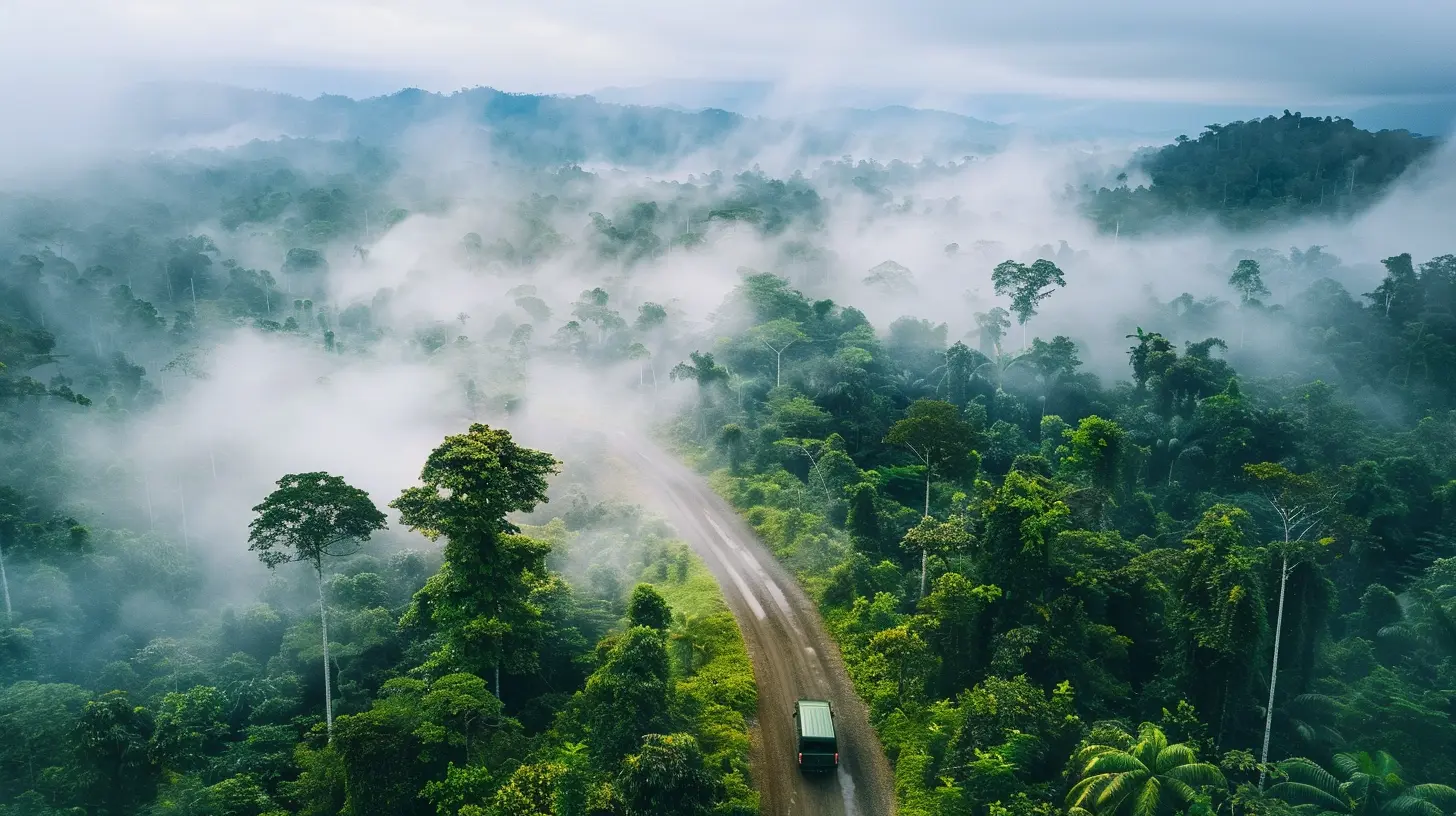
Tucked away in the southeastern Peruvian Amazon, Manu boasts over 4 million acres of pristine rainforest. Yeah, that’s massive. It's home to over 1,000 bird species, 1,200 butterfly species, and more mammals than you can count.Sustainable Tips for Visiting:
- Stick to guided eco-tours. Solo trekking isn’t just dangerous here—it can be destructive.
- Choose ecolodges that employ local staff and operate with solar energy.
- Avoid single-use plastics and pack out whatever you bring in.
2. Canaima National Park, Venezuela
Ever heard of Angel Falls? The highest waterfall on the planet? Yeah, that’s in Canaima. But this park is more than its iconic falls—it’s a biodiversity hotspot, teeming with rare orchids, frogs, and birds you’ll never see anywhere else.Sustainable Tips for Visiting:
- Fly only when necessary. Use river transport where possible.
- Respect the local Pemon communities and buy their handcrafted goods.
- Stay on marked paths to avoid damaging the delicate ecosystems.
3. Kakadu National Park, Australia
Covering almost 20,000 square kilometers, Kakadu is a dreamscape of wetlands, stone plateaus, and monsoon forests. It’s home to over 2,000 plant species and hundreds of mammal, bird, and reptile species.Sustainable Tips for Visiting:
- Join tours led by Aboriginal guides—they offer insight you won’t find in any brochure.
- Don’t feed the wildlife, no matter how cute that wallaby looks.
- Obey fire restrictions. Wildfires here are no joke.
4. Bwindi Impenetrable National Park, Uganda
Say hello to gorilla country. Bwindi is one of the last remaining habitats of the endangered mountain gorilla. And trust me, locking eyes with a silverback is a spiritual moment you won’t forget.Sustainable Tips for Visiting:
- Only go with certified gorilla trekking tours that enforce strict guidelines.
- Limit your physical interaction—no touching, no feeding.
- Donate to conservation programs instead of buying random souvenirs.
5. Banff National Park, Canada
Yes, Canada made the list. Banff isn’t just about Instagrammable turquoise lakes. It’s also a sanctuary for grizzlies, wolves, elk, and an incredible range of alpine flora.Sustainable Tips for Visiting:
- Ditch the car and take the shuttle or bike where possible.
- Camp responsibly—meaning no trace left behind.
- Avoid hiking at night; it disrupts nocturnal wildlife.
🧭 How To Travel Sustainably in National Parks
Alright, so you’ve picked where you’re going. High five! Now let’s get into the nitty-gritty of making your trip truly sustainable.✔️ Pack Light, Pack Right
Avoid bringing junk you’ll toss after one use. Say no to plastic bottles and opt for reusable water bottles and eco-friendly toiletries. It’s the little stuff that adds up, trust me.✔️ Stay in Eco-Friendly Lodges or Camps
Look for accommodations that have certifications like LEED or EarthCheck. These places go the extra mile to conserve water, use renewable energy, and support local communities.✔️ Use Local, Not Luxurious
Want to make a real impact? Eat at local restaurants, buy handmade goods, take community-led tours. Put your money where it matters—into the hands of people who are part of the ecosystem, not outside of it.✔️ Respect Wildlife—It’s Their Home
You’re a guest. That means no feeding, no approaching, and for heaven’s sake, no selfies with the animals. Use your zoom lens and keep your distance.✔️ Leave No Trace—Ever
Everything you bring in should leave with you. That includes snack wrappers, tissues, and yes, even biodegradable stuff. Nature isn’t your trash bin.🌱 Why Sustainable Tourism Is the Future
Let’s be real—mass tourism is losing its charm. Who wants to visit a “natural” attraction lined with fast-food chains and trampling crowds?People are waking up. They want something real, raw, and respectful. Sustainable tourism is about quality over quantity. It’s about slowing down and actually connecting—with nature, with people, with yourself.
And the kicker? It often leads to the most unforgettable experiences. You’re not rushing through a checklist; you’re genuinely living every moment.
🎒 Pro Tips for Sustainable Park Hopping
- Use apps like “HappyCow” or “Ecobnb” to find sustainable eats and stays.- Offset your carbon footprint for flights through reputable websites like Gold Standard or Climate Partner.
- Travel during shoulder seasons to avoid contributing to peak season overcrowding.
- Educate yourself on local customs and cultural sensitivities before you go.
💬 A Personal Note from One Traveler to Another
I get it. When you’re standing in front of a massive waterfall or spotting a jaguar in the wild, it’s easy to think, “This moment is just for me.”But here's the raw truth—it’s not. That ecosystem doesn’t exist for your entertainment. It exists because it's vital, intricate, and older than any of us. Our job? Don't mess it up.
Sustainable travel isn’t about being perfect. It’s about being conscious. Making better choices. Leaving behind stories, not scars.
So, the next time you lace up your hiking boots or zip up your travel backpack, remember this: the world is wild and wonderful, and it needs travelers who care enough to keep it that way.
Now, go make the Earth proud.
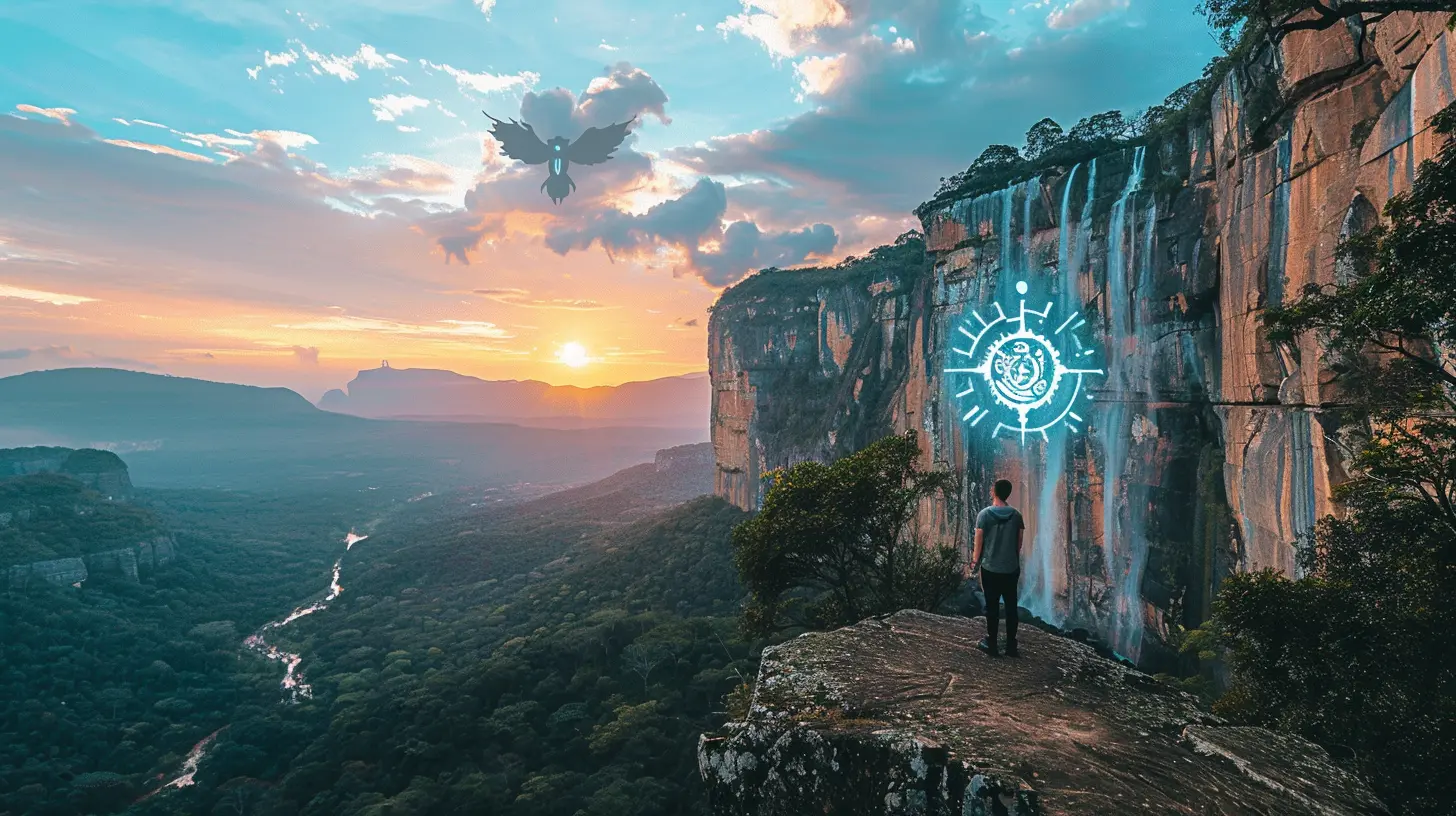
all images in this post were generated using AI tools
Category:
Eco TravelAuthor:

Kelly Hall
Discussion
rate this article
2 comments
Yvette McCarty
Exploring biodiverse national parks through sustainable travel not only enriches our lives but also protects these precious ecosystems for future generations. Let's make a difference!
January 18, 2026 at 4:52 PM
Kelly Hall
Thank you for your insightful comment! Together, we can promote sustainable travel and safeguard our national parks for future generations.
Soren Malone
Exploring our planet's breathtaking national parks through sustainable travel not only enriches our souls but also protects these precious ecosystems for future generations. Every step taken mindfully contributes to preservation. Let’s embrace adventure while honoring nature’s beauty and diversity—together, we can make a difference!
January 8, 2026 at 5:21 AM
Kelly Hall
Absolutely! Sustainable travel is vital for preserving our national parks and their unique ecosystems. Every mindful choice we make can help protect these natural wonders for future generations. Let's continue to explore and honor nature responsibly!