Discovering the Hidden Rituals of Moroccan Tea Culture in 2027
26 April 2026
You’ve probably seen the photos: a silver teapot, a cascade of amber liquid arcing into a tiny glass, foam cresting like a wave. But let me tell you, friend, that’s just the trailer. The real movie—the one you’ll live in 2027—is a whole lot stranger, sweeter, and more surprising than any Instagram post can capture. Moroccan tea culture isn’t just about drinking something hot. It’s a slow-burn dance with history, a secret handshake of hospitality, and a ritual that’s been quietly evolving right under our noses. So, grab a glass (metaphorically, for now), and let’s pull back the curtain on the hidden rituals you’ll actually encounter in 2027. Ready? Bismillah.
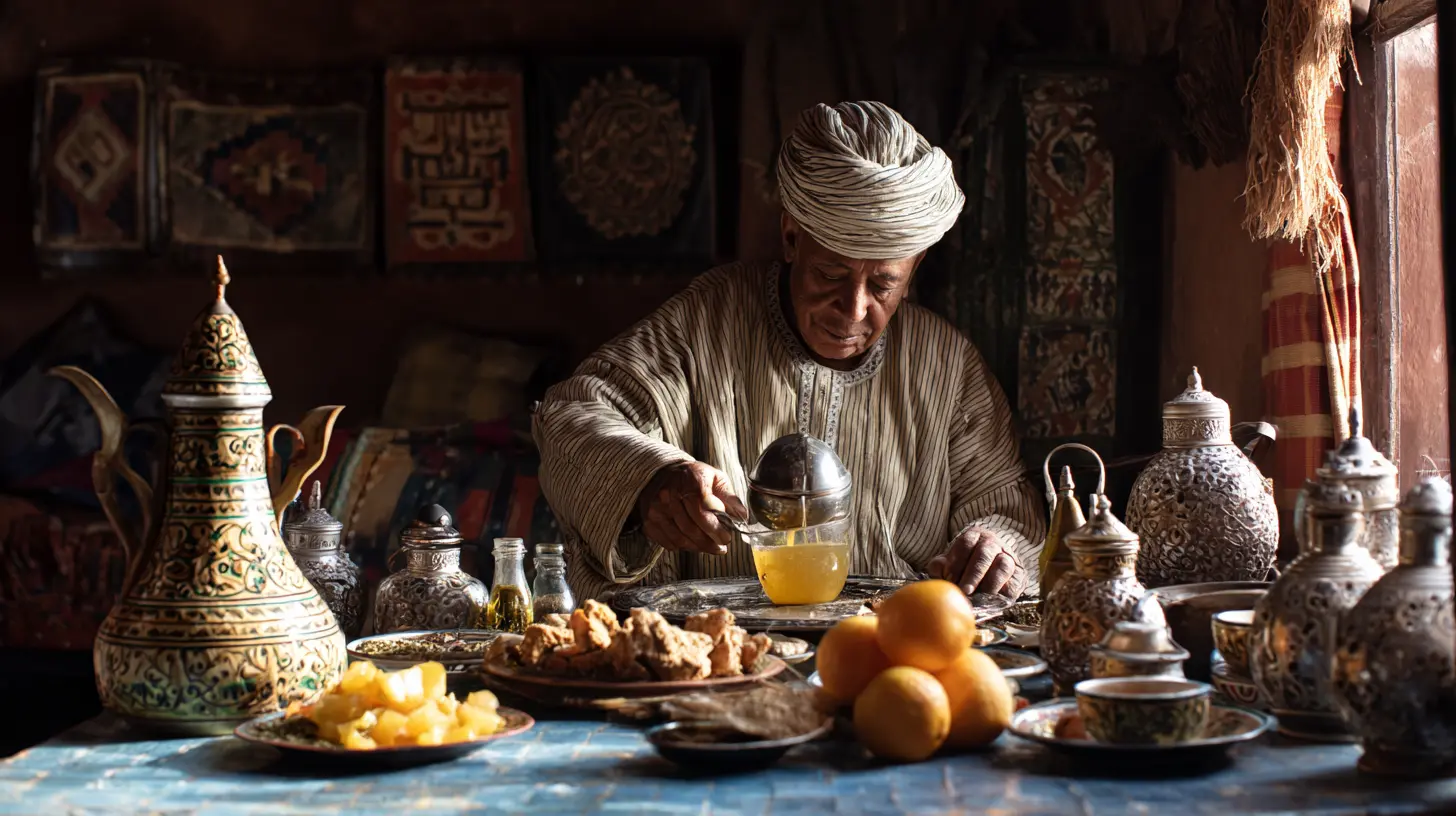
The Three-Pour Ballet: More Than Just Tea
First things first: forget everything you think you know about “Moroccan mint tea.” That name is like calling a Ferrari a “red car.” Technically correct, but painfully incomplete. In 2027, the ritual has deepened, and locals are reclaiming it with a playful, almost mischievous pride.Here’s the secret: the pouring isn’t about filling the glass. It’s about building the foam. The traditional three-pour method—where the tea is poured from the pot into a glass, then back into the pot, then back into the glass—is actually a form of alchemy. Each pour aerates the tea, releasing volatile oils from the fresh mint and green gunpowder tea leaves. But in 2027, savvy Moroccans (and the tourists in the know) have turned this into a public performance.
I watched a shopkeeper in the Fes medina do it last spring. He didn’t just pour. He lifted the pot a full three feet above the glass, the stream thin as a needle, then dropped it lower, then higher again, creating a rhythm like a heartbeat. “The foam,” he whispered, winking, “is the soul of the tea. If you don’t have foam, you’re just drinking hot water with leaves.” He was right. In 2027, the keskes (foam) is a measure of skill. A good pour leaves a thick, creamy head that lasts until the last sip. It’s like the head on a Guinness, but with mint and a side of centuries-old wisdom.
Why does this matter to you? Because next time you’re offered tea, don’t just drink it. Watch the pour. Count the lifts. If your host pours it from a short distance, they’re being polite but rushed. If they go high and dramatic, you’ve been welcomed into the inner circle. It’s a silent language of respect.
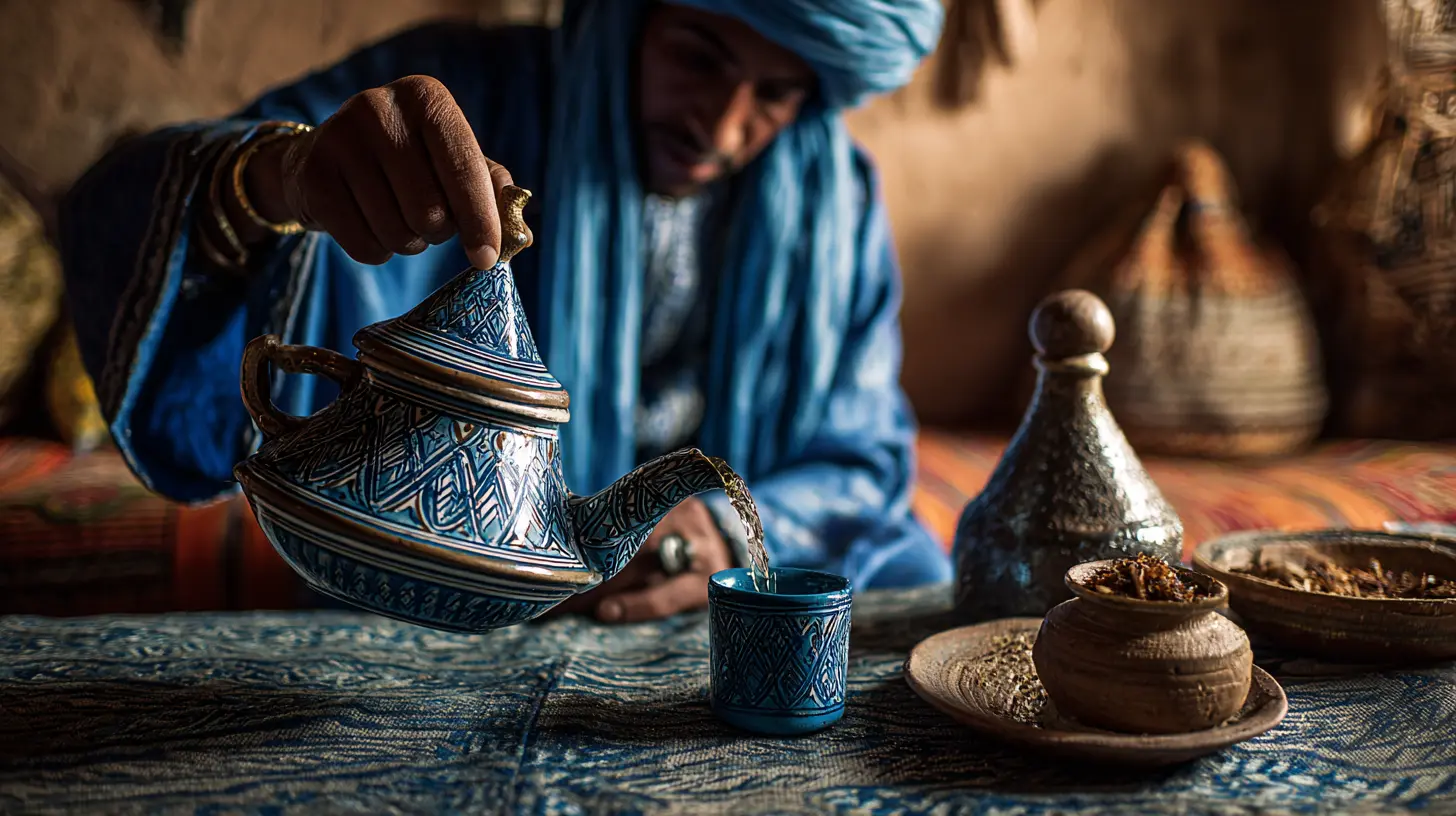
The Sugar Cube Negotiation (It’s Not What You Think)
Here’s a hidden ritual that will blow your mind in 2027: the sugar cube isn’t just sweetness. It’s a diplomatic tool. Moroccan tea is famously sweet—almost syrupy—because the sugar acts as a preservative and a flavor amplifier. But in the last few years, a quiet rebellion has emerged.You see, the traditional louz (almond-shaped sugar cone) is still used in rural areas, but in cities, people are switching to custom-cut sugar cubes. And here’s the ritual: when a host offers you tea, they’ll often ask, “Besh halwa?” (How sweet?). But in 2027, the answer isn’t just “a little” or “a lot.” It’s a negotiation. If you say “a little,” they might add one cube, but they’ll watch your face. If you sip and grimace, they’ll immediately offer another cube, pressing it into your hand. Accepting that cube is a sign of trust.
I once refused a second cube in Marrakech, thinking I was being polite. My host, a Berber woman named Fatima, looked at me like I’d insulted her grandmother. “You are not full,” she said, shaking her head. “The tea must fill your heart.” I learned that day: refusing sweetness is refusing connection. In 2027, the sugar cube is a metaphor for generosity. Don’t count calories. Count the cubes. Your host is offering you a piece of their story.
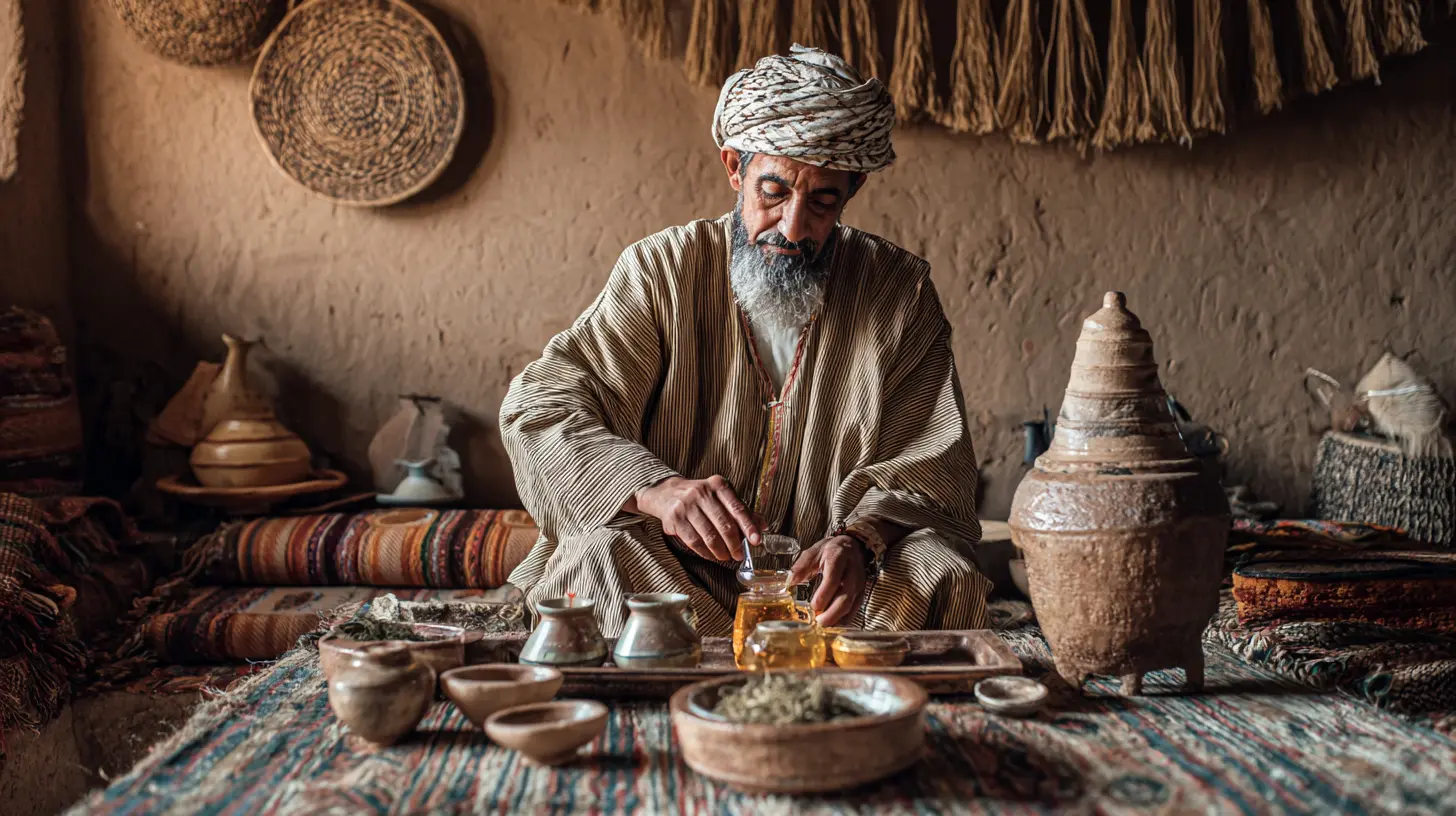
The Tea Circle: Where Time Stops
Let’s talk about the elephant in the room—or rather, the circle of cushions on the floor. In 2027, the most overlooked ritual is the tea circle. It’s not just a seating arrangement. It’s a social contract.When you’re invited for tea, you’re not just “having a drink.” You’re entering a temporal bubble. The first glass is always served in silence. No phones, no small talk. You sip, you nod, you wait. This is the moment of presence. Locals believe that the first glass cleanses the palate and the mind. It’s a reset button.
Then comes the second glass. This is where the conversation starts. But here’s the trick: the second glass is always poured with a slightly lower arc. The foam is thinner. Why? Because the host is signaling that the formalities are over. Now you can talk about real things—politics, family, your weird travel stories.
The third glass? That’s the wild card. In 2027, the third glass is often served with a twist. Maybe a pinch of saffron, a drop of rosewater, or even a surprise ingredient like za’atar (a wild thyme blend) if you’re in the mountains. It’s a test. If you sip it and smile, you’ve passed. If you hesitate, your host will laugh and say, “You’re not ready for the real Morocco yet.”
Pro tip: Always accept the third glass. It’s the one that unlocks the secret menu.
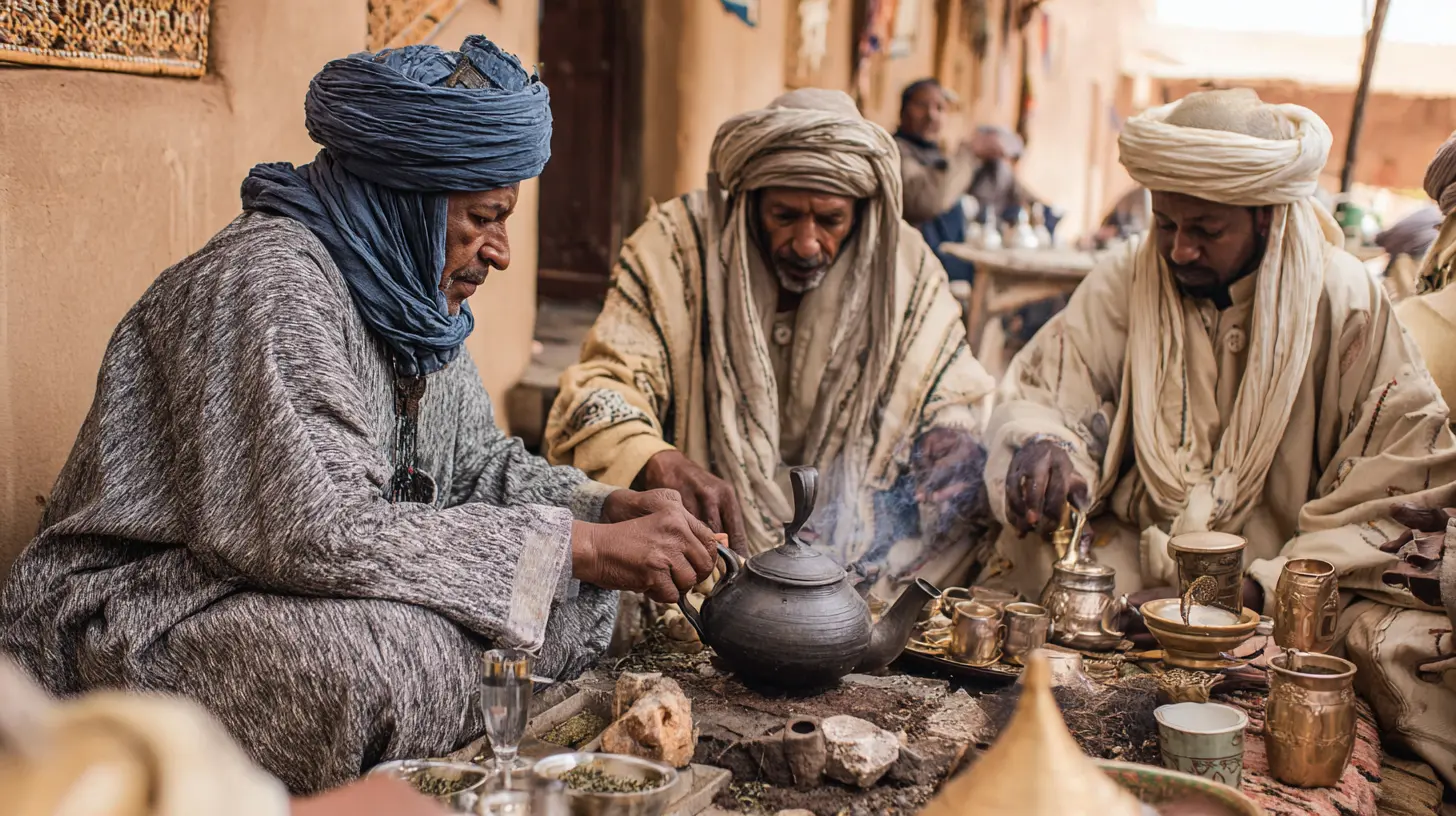
The Hidden Ritual of the “Tea Ghost”
Okay, this one is weird. And I love it. In 2027, a small but growing subculture in places like Chefchaouen and Essaouira has revived a practice called “tea ghosting.” It’s not about disappearing. It’s about the art of leaving a glass unfinished.Here’s the deal: in traditional Moroccan tea culture, finishing your glass completely is a sign of satisfaction. But the “tea ghost” ritual flips that. You deliberately leave a tiny sip—maybe a teaspoon’s worth—at the bottom. The host then takes that leftover tea and pours it into a separate bowl, often with a bit of salt. This leftover is called al-ghoul (the ghost). It’s believed to absorb any bad energy or arguments that might have lingered during the conversation.
I saw this in a small riad in Tangier. The owner, a young artist named Youssef, explained it like this: “Every tea circle has echoes. The last sip holds the echoes of what was said. If you drink it, you swallow the tension. If you leave it, you release it.” He then poured the ghost tea into a tiny clay pot on a shelf, next to a dried flower. “I keep them for a week,” he said. “Then I pour them into the garden. The plants grow stronger.”
Is it real? Who cares. It’s a beautiful ritual that turns a simple drink into a emotional detox. In 2027, you’ll see this more and more—especially in younger, eco-conscious circles. If you spot a host setting aside a small bowl, don’t ask questions. Just smile and leave a ghost.
The Tea Menu Revolution
Here’s a change that’s hitting hard in 2027: the rise of the tea menu. Yes, you read that right. Forget the old days of “mint tea or nothing.” Morocco’s tea culture is getting a hipster makeover, and it’s glorious.Walk into a café in Rabat or Casablanca, and you’ll see laminated menus featuring ten varieties: Atay n’naana (classic mint), Atay b’louz (almond-infused), Atay b’zafran (saffron and honey), Atay b’warqa (with edible silver leaf), and even Atay b’chocolat (yes, chocolate mint—don’t knock it till you try it). But the hidden ritual here is the “tea tasting flight.” It’s a thing now.
You order a flight of three small glasses, each representing a different region. The server will bring them on a wooden tray, often with a small card explaining the origin. The ritual? You must drink them in order of color: lightest to darkest. The lightest is usually a white tea from the Rif mountains, infused with wild thyme. The darkest is a fermented black tea from the Sahara, with a smoky, almost leathery taste. Between each glass, you’re supposed to eat a date or a piece of chebakia (sesame cookie) to reset your palate.
Why this matters: It’s a sign that Moroccan tea culture is not static. It’s borrowing from wine culture, but keeping its soul. In 2027, you’re not just a tourist. You’re a tea sommelier. And that’s a badge of honor.
The Tea and Tattoo Connection
Here’s a ritual that will surprise you: tea and henna. In 2027, many Moroccan women (and some men) are combining tea ceremonies with temporary henna tattoos. It’s not just about decoration. The tea is used as a natural fixative.Here’s how it works: You drink your first glass of tea. Then, the artist applies henna paste to your hand in a geometric pattern. While it dries, you sip your second glass. But here’s the twist—the artist will dip a cotton swab into your third glass of tea (the one with the foam) and dab it onto the henna. The tannins in the tea darken the stain. The sugar helps it stick. The result? A deeper, richer color that lasts twice as long.
I tried this in a cooperative in the Atlas Mountains. The artist, a woman named Khadija, said, “The tea and the henna are cousins. They both come from the earth. They both stain your memory.” She then pressed a tiny bit of tea-soaked cotton onto my palm. It felt like a secret being whispered into my skin.
Takeaway: If you see a tea-and-henna combo in 2027, jump on it. It’s a two-for-one cultural immersion. And you’ll walk away with a beautiful pattern that tells a story—literally stained into your hand.
The Digital Detox Tea Ritual
Let’s get real for a second. 2027 is full of screens. But Moroccan tea culture has quietly become a digital detox movement. In response to the chaos of the modern world, many tea houses now enforce a “no phones during the first pour” rule.I walked into a tea house in Marrakech called Sakura of the Sahara (yes, a fusion name, but trust me). The owner, a former tech executive, had a simple rule: you place your phone in a small wooden box at the entrance. You get a token in return. When you order tea, the server brings a tiny brass bell. You ring it once to signal you’re ready for the first pour. No phones allowed until the bell rings again—usually after the third glass.
The ritual is called Tasfia (purification). It’s not just about being offline. It’s about being present. The first pour is silent. The second pour opens conversation. The third pour is where you laugh, argue, or gossip. By the time you leave, you’ve had a full human interaction without a single notification. It’s addictive.
Why you’ll love this: In a world of constant distraction, this ritual is a gift. It’s permission to slow down. And in 2027, that’s the rarest luxury of all.
The Final Sip: How to Bring It Home
So, there you have it. Moroccan tea culture in 2027 isn’t just about a drink. It’s a living, breathing, shape-shifting tradition that’s more relevant than ever. It’s about foam that tells a story, sugar that builds bridges, ghost sips that release tension, and menus that celebrate diversity. It’s about putting down your phone and picking up a glass.Next time you’re in Morocco—or even next time you brew a pot at home—remember the hidden rituals. Pour high. Leave a ghost. Accept the third glass. And for goodness’ sake, let the tea stain your memory.
Because in the end, the secret of Moroccan tea isn’t in the leaves. It’s in the pause between the pour and the sip. That’s where the magic lives. And in 2027, that magic is waiting for you.
Shukran, and happy sipping.
all images in this post were generated using AI tools
Category:
Local TraditionsAuthor:

Kelly Hall
Discussion
rate this article
2 comments
Lindsey McWain
This article beautifully captures the essence of Moroccan tea culture! The detailed exploration of hidden rituals reveals a rich tapestry of tradition and hospitality. It’s a must-read for any traveler looking to connect authentically with Morocco's vibrant customs. Cheers to a delightful journey!
April 29, 2026 at 3:33 AM
Kelly Hall
Thank you for the kind words! I'm glad the article resonated with you. There's so much beauty in Morocco's tea culture, and I hope it inspires more travelers to explore these traditions. Cheers!
Zariah Hardy
Intrigued by the evolving traditions of Moroccan tea culture! Can't wait to explore how modern influences shape these ancient rituals and what new experiences await travelers in 2027!
April 26, 2026 at 3:31 PM