Do You Have What It Takes for a Winter Backcountry Adventure?
21 February 2026
Winter backcountry adventures are not for the faint of heart. They’re raw, unpredictable, and exhilarating—perfect for thrill-seekers who love pushing their limits. But heading into the icy wilderness isn’t just about strapping on some skis or snowshoes and hoping for the best.
So, do you have what it takes? Let’s break it down and see if you’re truly ready for this adrenaline-fueled challenge.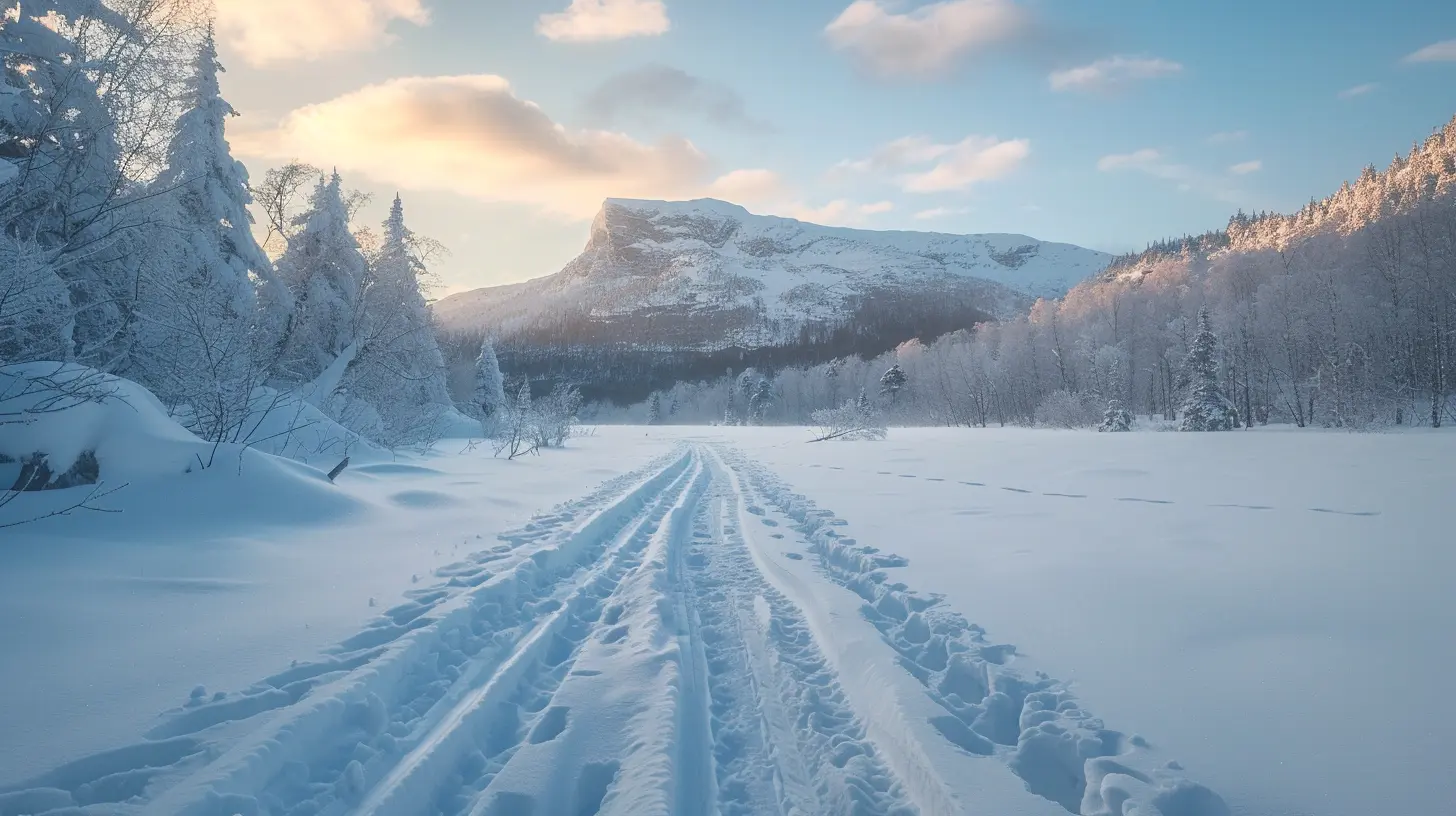
Understanding the Winter Backcountry Experience
Winter backcountry travel is much different from a casual day at the ski resort. There are no chairlifts, no ski patrol, and no cozy lodges to warm up in. Instead, it's just you, your gear, and the raw, untamed wilderness.The backcountry can be breathtakingly beautiful, with untouched powder and snow-covered landscapes stretching for miles. But it’s also unforgiving, where extreme weather, avalanches, and getting lost are real dangers. It requires preparation, skill, and, most importantly, the right mindset.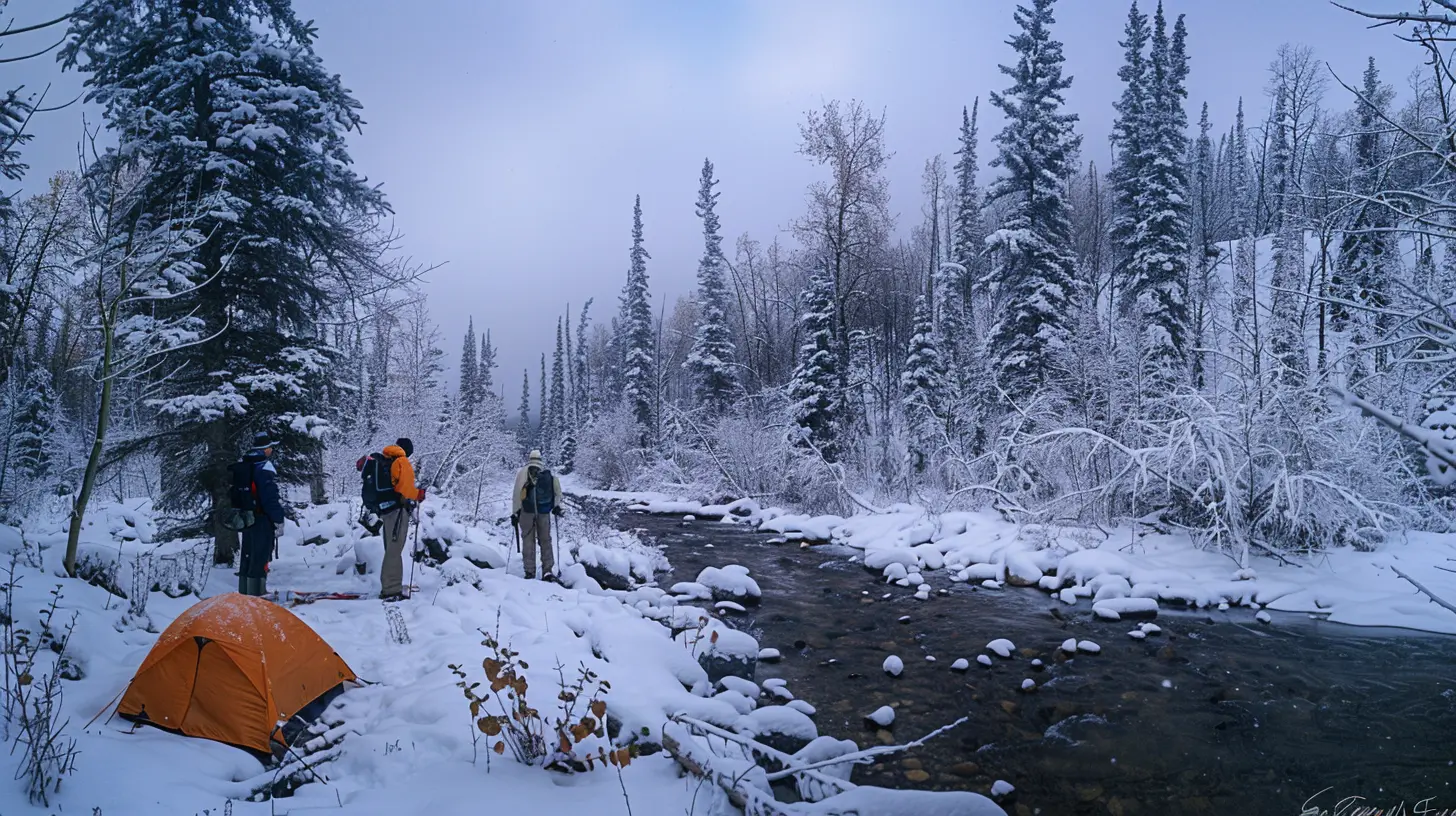
Do You Have the Right Mindset?
1. You Embrace Challenges
If unpredictable weather and physically demanding conditions excite you rather than scare you, you're already on the right track. The winter backcountry will test your endurance, patience, and adaptability.2. You Stay Calm Under Pressure
Picture this: you're deep in the backcountry, a storm is rolling in faster than expected, and your GPS is acting up. Do you panic? Or do you take a deep breath, assess the situation, and make a smart decision?Remaining cool-headed and making calculated choices is crucial when facing the unexpected.
3. You’re Comfortable Being Uncomfortable
The winter backcountry isn’t a cozy ski lodge. It's wet socks, freezing winds, and sleeping in a tent on snow. If you can embrace discomfort as part of the adventure rather than something to dread, you're on the way to thriving in these conditions.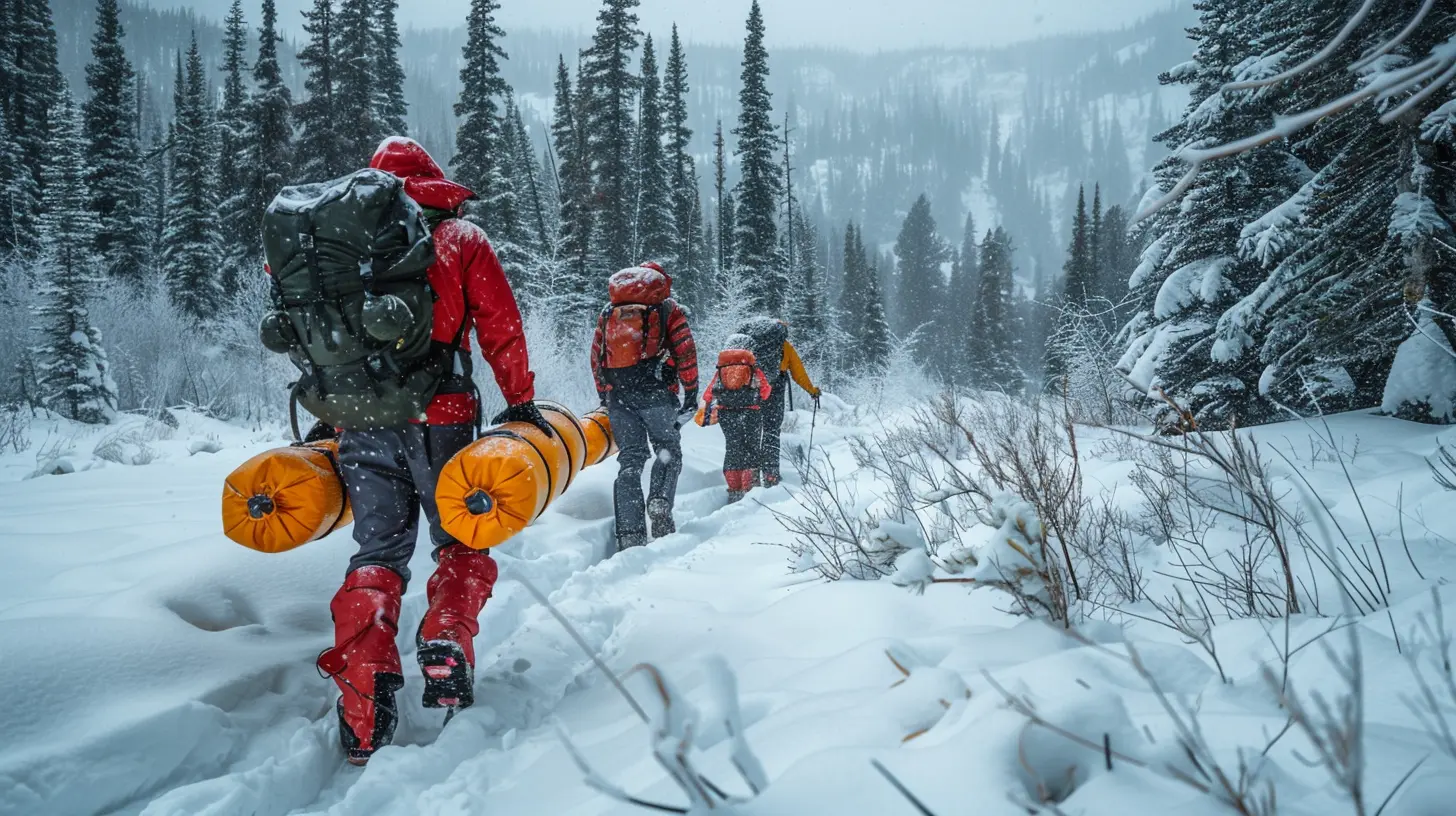
Physical Endurance: Are You Fit Enough?
Let’s be real—this isn’t just a walk in the park. Winter backcountry travel is physically demanding. You may be hiking uphill in deep snow, skinning up steep terrain with skis, or hauling a heavy pack through harsh conditions.Here’s a simple test: If you can carry a 30-40 lb pack for hours, navigate rough terrain, and still have energy to set up camp, you’re in good shape. If not, you might want to start training before heading into the wild.
How to Prepare Physically
- Cardio Training – Running, cycling, or high-intensity interval training (HIIT) will boost your endurance.- Strength Training – Focus on legs, core, and shoulders to handle the heavy pack and tough terrain.
- Endurance Hikes – Try long hikes with a weighted backpack to simulate real conditions.
Essential Backcountry Skills You Need
It’s not just about being strong—it’s about being smart. Knowing how to navigate, set up camp, and handle emergencies can be the difference between an epic adventure and a survival situation.1. Navigation Skills
Can you read a map and use a compass? GPS is great, but batteries die, and signals disappear. You should be able to navigate without technology if needed.2. Avalanche Awareness
If you're heading into snow-covered mountains, avalanche safety is non-negotiable. You should know how to:- Assess avalanche risks
- Use an avalanche beacon, probe, and shovel
- Recognize safe vs. dangerous terrain
Taking an avalanche safety course is a must before venturing into avalanche-prone areas.
3. Shelter Building
Knowing how to pitch a tent in deep snow—or even build a snow cave if needed—can be life-saving. Winter nights are brutally cold, and proper shelter is your best defense against hypothermia.4. Fire-Making Skills
Can you start a fire in wet, freezing conditions? This skill could be the difference between staying warm or suffering frostbite. Waterproof matches, a good lighter, and fire-starting materials are essential.5. First Aid & Emergency Response
Cold-related injuries like frostbite and hypothermia can happen fast. Knowing basic first aid is crucial because help is often hours (or even days) away in the backcountry. Carry a solid first-aid kit and know how to use everything in it.Choosing the Right Gear
Bad gear choices can turn a great trip into a miserable (or dangerous) one. When it comes to winter backcountry adventures, quality gear is a must.Clothing: Layer Like a Pro
Dressing properly is about layers:1. Base Layer – Moisture-wicking thermal wear to keep sweat away from your skin.
2. Insulating Layer – Fleece or down to trap body heat.
3. Outer Shell – Waterproof and windproof to block out the icy conditions.
Footwear: Dry and Warm Feet Are Essential
Cold, wet feet can ruin a trip (or worse, lead to frostbite). Waterproof, insulated boots with proper traction are a must. Always pack extra socks and gaiters to keep snow out.Backpack: Your Lifeline in the Wild
Your pack needs to hold:- Food & water (hydration bladder or insulated bottles)
- Survival gear (multi-tool, first aid kit, fire starter)
- Extra layers
- Sleeping system (tent, sleeping bag, insulated pad)
Navigation & Safety Gear
A map, compass, GPS device, avalanche beacon, and a headlamp with extra batteries should all be considered non-negotiable.Food & Hydration
You’ll burn thousands of calories in the cold, so fuel up with high-energy snacks like nuts, jerky, and energy bars. Also, keep water from freezing by using insulated bottles or wrapping them in clothing.Mental & Logistical Preparation
Check Weather Conditions
The winter backcountry is no place for getting caught in a blizzard unprepared. Always check the forecast, and remember—weather in the mountains can change in an instant.Tell Someone Your Plans
Before heading out, tell a trusted friend or family member where you're going and when you expect to return. If something goes wrong, this could be a lifesaver.Start Small Before Going Big
If you're new to backcountry adventures, don’t dive into an extreme trip right away. Start with shorter, less technical routes and build up your skills and confidence over time.Are You Ready for the Adventure of a Lifetime?
So, do you have what it takes for a winter backcountry adventure? If you love a challenge, thrive in unpredictable conditions, and have the skills (or the willingness to learn them), the answer is yes.Just remember—nature doesn’t care if you’re prepared or not. The backcountry rewards those who respect its power and punishes those who don’t. Arm yourself with knowledge, gear up properly, and embrace the adventure responsibly.
Are you up for it? If so, the snowy wilderness awaits.
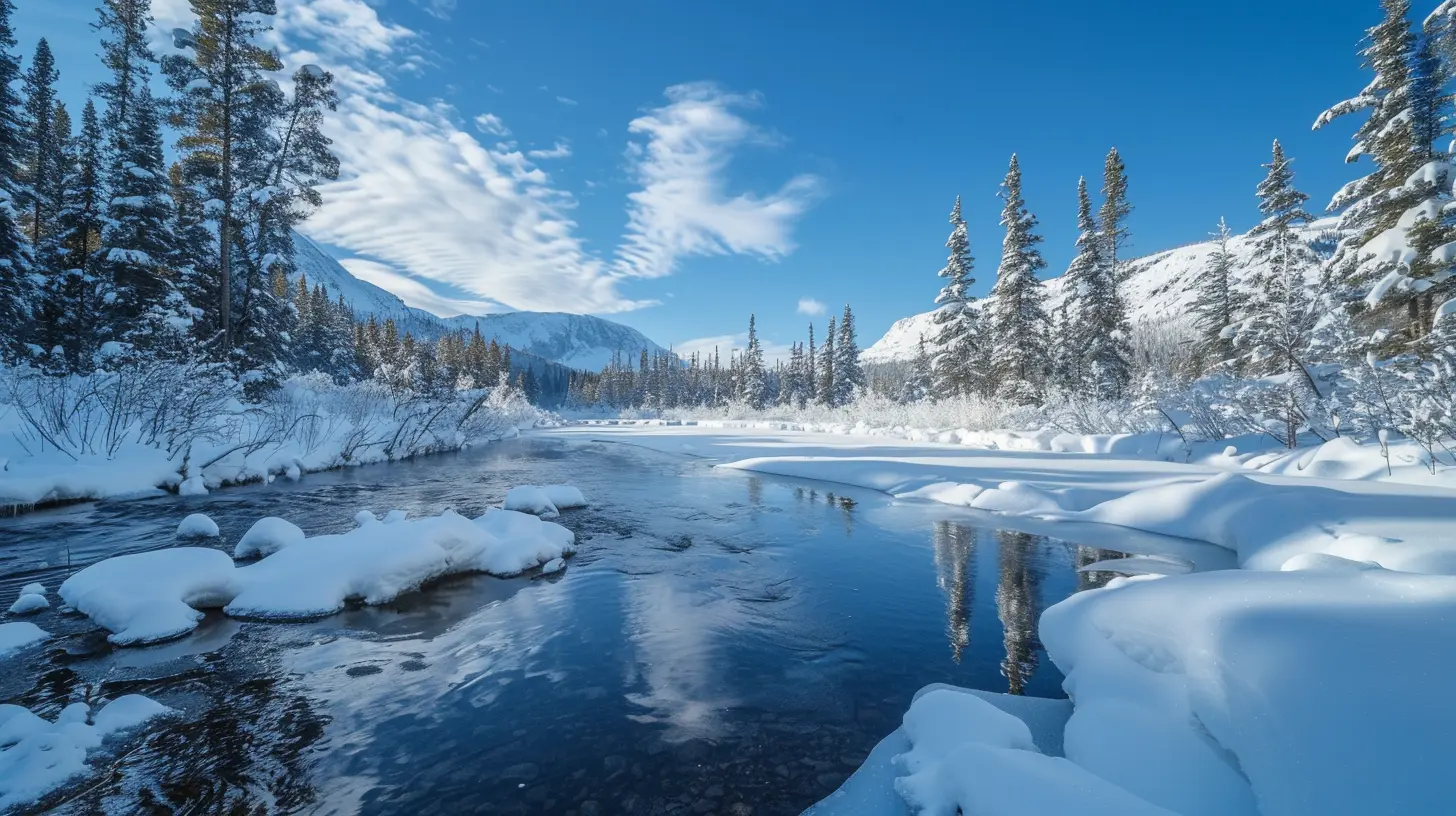
all images in this post were generated using AI tools
Category:
Backcountry TravelAuthor:

Kelly Hall
Discussion
rate this article
2 comments
Velma Bell
Absolutely! Embrace the thrill of winter backcountry adventures! With proper gear and a spirit of adventure, every snowy trail offers unforgettable joy and discovery!
February 25, 2026 at 5:30 AM
Kelly Hall
Thank you! Embracing the winter wilderness truly transforms every snowy trail into a remarkable adventure. Happy exploring!
Laura Malone
Absolutely! Embrace the challenges of a winter backcountry adventure—it’s a transformative experience. With the right gear, preparation, and mindset, you’ll discover breathtaking landscapes and exhilarating moments. If you’re ready to step out of your comfort zone, go for it!
February 23, 2026 at 4:03 PM
Kelly Hall
Thank you! Embracing these challenges truly leads to unforgettable experiences and stunning scenery. Let's inspire others to take the plunge!