Ecotourism in Wetlands: Why These Habitats Need Our Protection
7 January 2026
Wetlands. They might not be the first places that come to mind when you think of travel, but these water-soaked landscapes are some of the most fascinating ecosystems on Earth. From vast marshes to dense swamps, they brim with life, hosting an incredible variety of plants, birds, and mammals.
Unfortunately, wetlands are under constant threat. Pollution, land development, and climate change are shrinking these ecosystems at an alarming rate. But here’s some good news—ecotourism can play a huge role in saving them.
By traveling responsibly, we can help protect these fragile environments while creating sustainable opportunities for local communities. So, why do wetlands deserve our attention, and how does ecotourism make a difference? Let’s dive in. 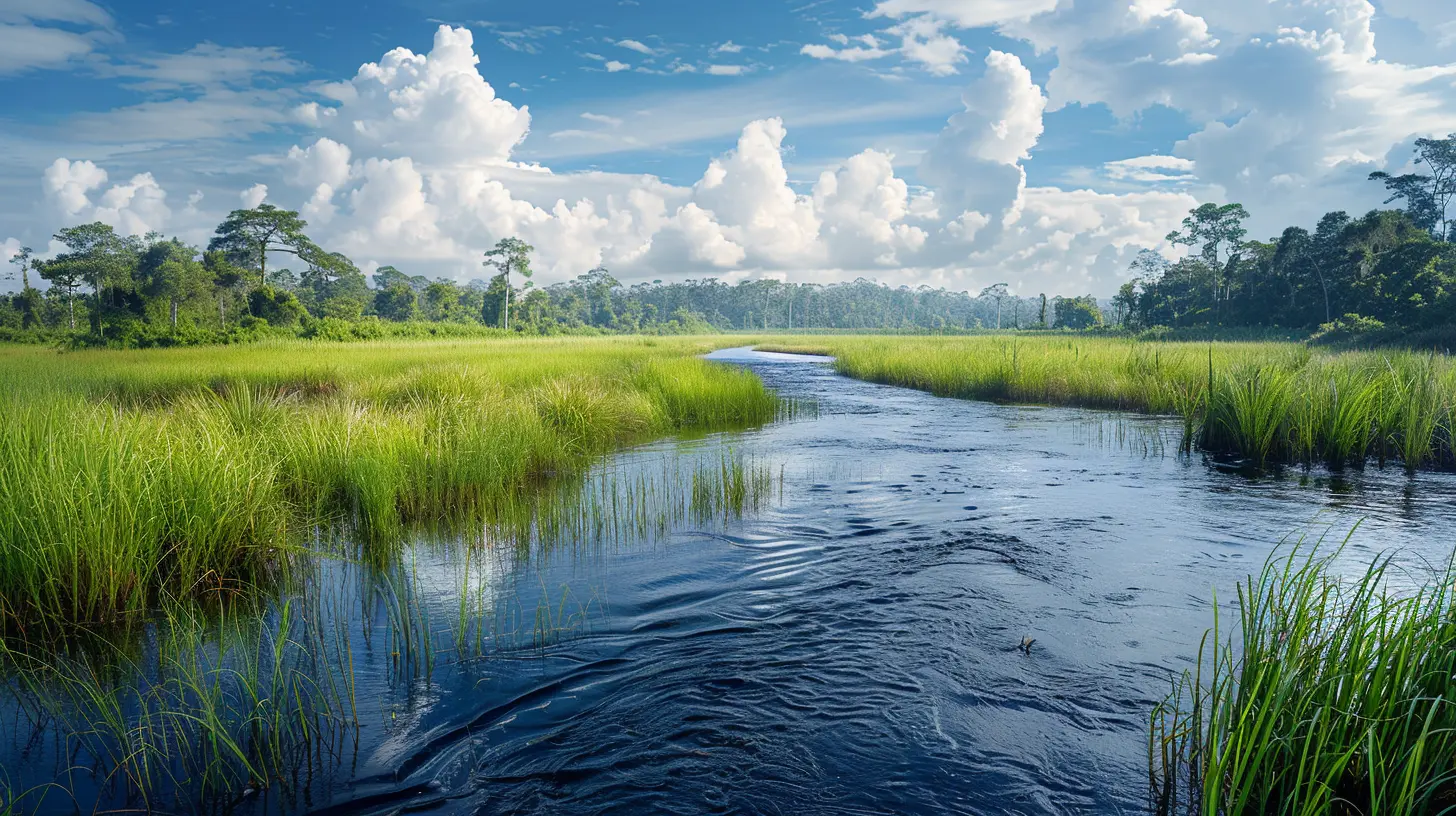
What Are Wetlands, and Why Are They So Important?
Wetlands are nature’s sponges—absorbing excess water, preventing floods, and filtering out pollutants. They include swamps, mangroves, bogs, and marshes, and they exist on every continent except Antarctica.The Role of Wetlands in the Ecosystem
These habitats aren’t just waterlogged patches of land; they’re lifelines for biodiversity. Wetlands:- Provide shelter for endangered species like the Bengal tiger, manatees, and various migratory birds.
- Act as natural water purifiers, trapping sediments and toxins.
- Store carbon, which helps regulate global temperatures and combat climate change.
- Support fisheries that millions of people depend on for food and income.
Take them away, and we’re left with a world more vulnerable to storms, droughts, and biodiversity loss. 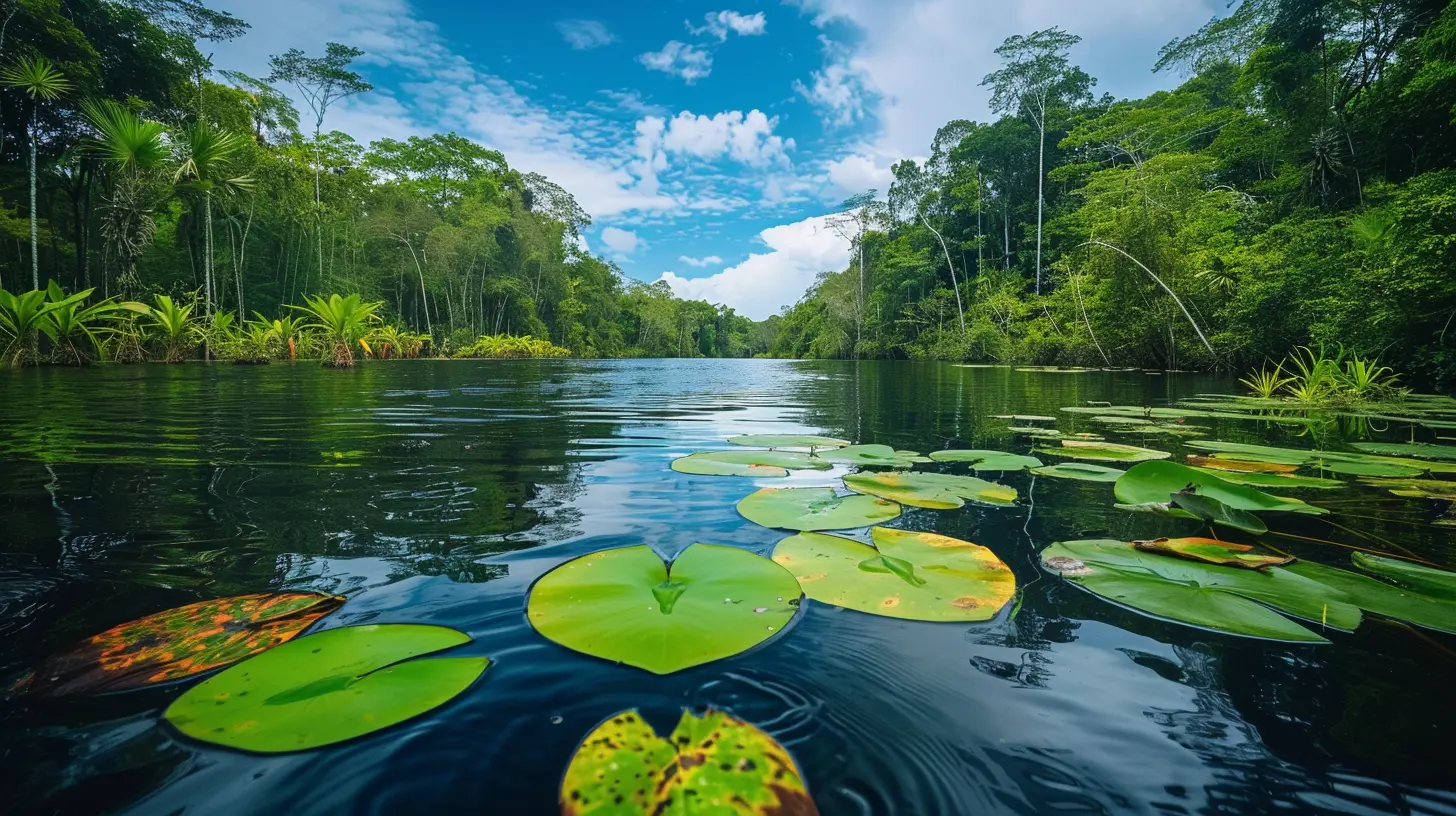
The Threats Facing Wetlands
Despite their importance, wetlands are disappearing at alarming rates. In fact, over 35% of the world’s wetlands have vanished in the last century. That’s a terrifying statistic! But what’s causing this destruction?1. Urban Expansion and Agriculture
Cities grow, farms expand, and wetlands get drained to make way for roads, houses, and crops. When humans reshape the land, we push out the wildlife that relies on these ecosystems.2. Pollution and Climate Change
The more industries dump waste and chemicals into rivers and lakes, the dirtier and less habitable wetlands become. Rising temperatures also mess with water levels, making it harder for wetland species to survive.3. Overtourism and Irresponsible Travel
Tourism, when unmanaged, can do more harm than good. Boat pollution, overcrowding, and careless visitors disturb fragile environments and wildlife.This is where ecotourism comes into play. 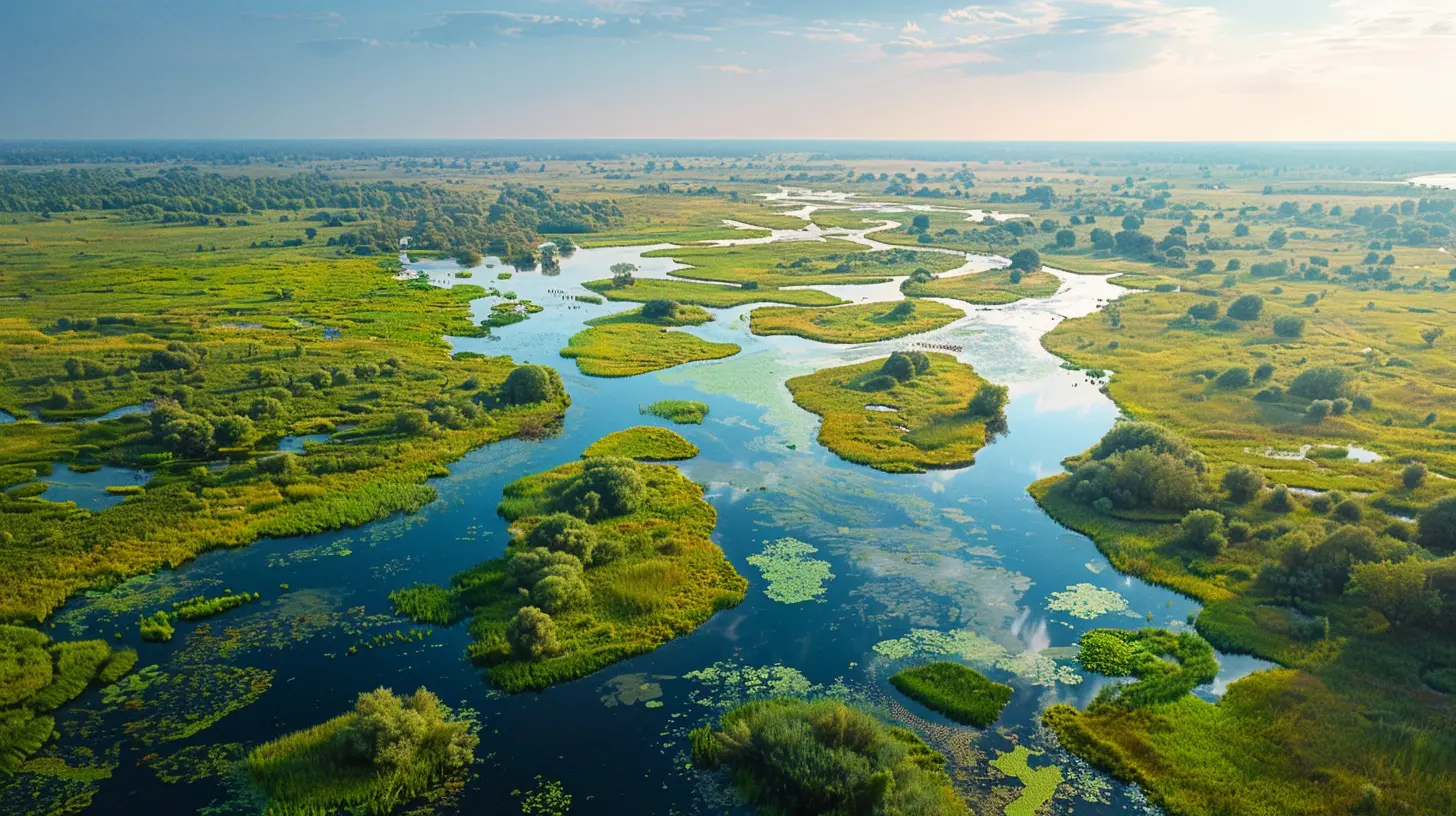
How Ecotourism Supports Wetland Conservation
Ecotourism isn’t about snapping selfies and leaving footprints. It’s about traveling in a way that respects and sustains the environment.When done right, ecotourism:
- Raises Awareness – The more people see wetlands firsthand, the more they care about protecting them.
- Funds Conservation Projects – Tourism dollars can support restoration efforts and wildlife protection.
- Provides Jobs for Local Communities – Sustainable tourism creates income without destroying habitats.
So, where can you go for an eco-friendly wetland adventure? 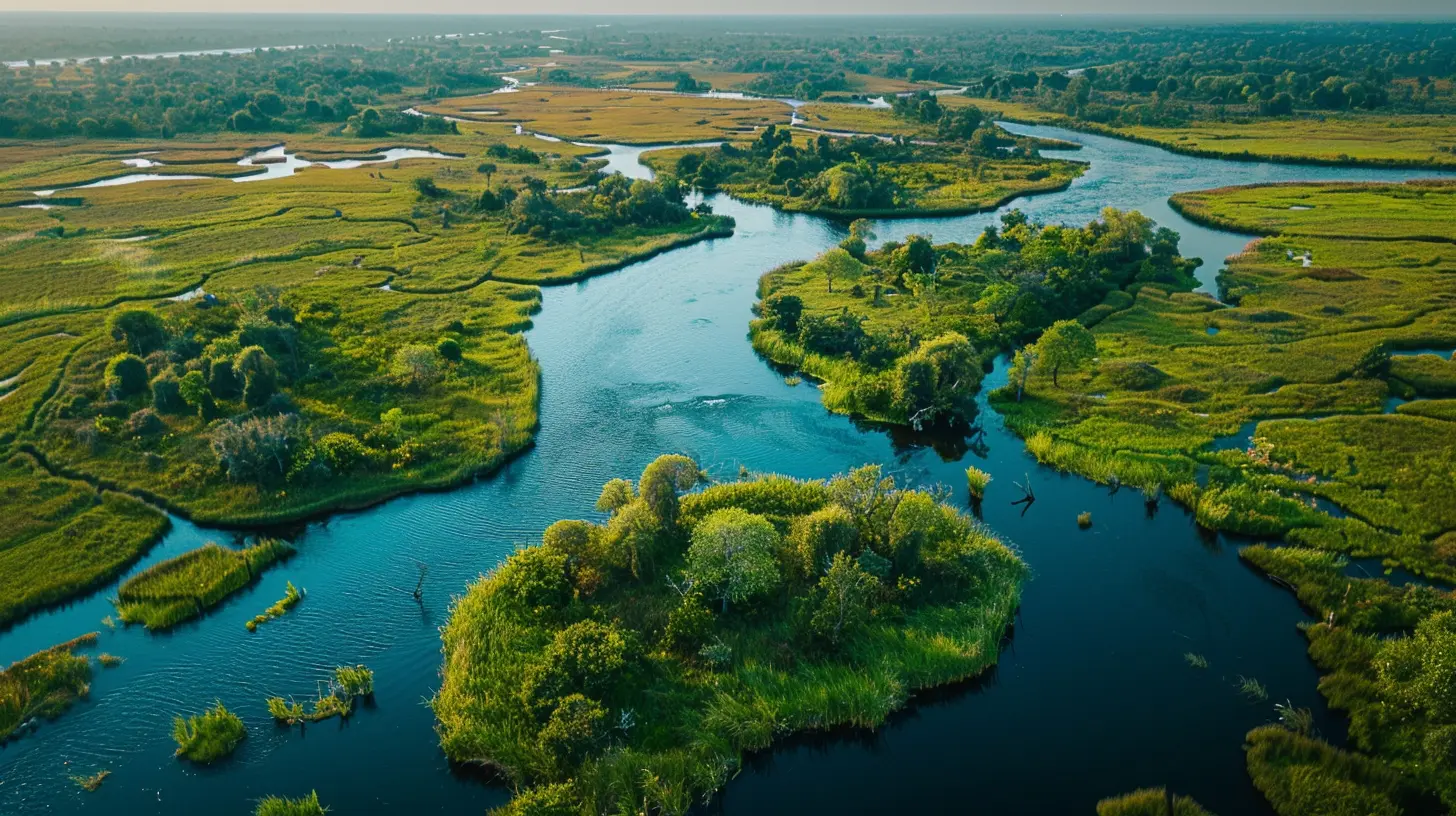
The Best Wetland Destinations for Ecotourism
Some of the world’s most breathtaking wetland areas are also top ecotourism spots. Here are a few worth visiting:1. The Everglades, USA
An iconic wetland teeming with alligators, manatees, and exotic birds. Kayaking through the Everglades offers an up-close look at this fragile ecosystem.2. The Okavango Delta, Botswana
A lush oasis in the middle of Africa’s dry savanna. The annual flood transforms the delta into a wildlife paradise, attracting elephants, hippos, and big cats.3. Sundarbans, India & Bangladesh
Home to the elusive Bengal tiger, this vast mangrove forest is vital for coastal protection. Boat safaris here are unforgettable.4. The Pantanal, Brazil
Unlike the dense Amazon jungle, Brazil’s Pantanal is an open wetland, making it one of the best places to spot jaguars and giant otters.5. Kakadu National Park, Australia
This UNESCO-listed park boasts ancient rock art, crocodile-filled billabongs, and unique wetland ecosystems.Visiting these destinations responsibly can make all the difference. But how do we ensure our trips are truly sustainable?
How to Be a Responsible Wetland Tourist
It’s easy to assume that if you’re in a natural area, your presence isn’t harmful—but that’s not always the case. Here’s how you can enjoy wetlands without harming them:1. Choose Eco-Certified Tours
Look for guides and companies that follow sustainable practices. Avoid operators that allow feeding wildlife or ignoring conservation rules.2. Respect Wildlife and Their Space
Tempted to get that perfect selfie with a rare bird? Don’t. Animals get stressed when humans invade their space. Observe from a distance.3. Follow ‘Leave No Trace’ Principles
Littering? A big no-no. Stick to designated paths, dispose of waste properly, and never take anything from the environment.4. Support Local Communities
Instead of international chains, spend your money at small, locally-owned businesses. This way, your visit helps the people who actually live there.5. Travel Carbon-Neutral If Possible
Consider offsetting your carbon footprint by contributing to conservation projects that protect wetlands.Little changes in how we travel can have a massive impact.
Final Thoughts
Wetlands might not have the same reputation as beaches or mountains when it comes to tourism, but they’re among the most magical places on Earth. They give us clean water, protect us from floods, and support a mind-blowing amount of wildlife.Unfortunately, they’re disappearing fast, and we can’t afford to ignore the problem. Ecotourism gives us a chance to experience these incredible places while actively playing a role in their conservation.
So, next time you’re planning a trip, why not choose a wetland? Just remember—travel responsibly, respect nature, and leave nothing behind but footprints (the metaphorical kind, of course!).
all images in this post were generated using AI tools
Category:
Eco TravelAuthor:

Kelly Hall
Discussion
rate this article
2 comments
Theo Martinez
Embracing ecotourism in wetlands not only enriches our travel experiences but also fosters a deep respect for these vital ecosystems. Let’s explore responsibly and protect these natural treasures for future generations!
January 27, 2026 at 5:58 AM
Kelly Hall
Thank you for your thoughtful comment! I completely agree—responsible ecotourism is key to appreciating and safeguarding our precious wetland ecosystems.
Rosalyn Cole
Wetlands are the planet's vital organs, filtering water and supporting biodiversity. By embracing ecotourism, we not only experience their beauty but also champion their preservation for future generations.
January 13, 2026 at 5:30 AM
Kelly Hall
Thank you for highlighting the importance of wetlands! Your insights on ecotourism's role in preservation are crucial for raising awareness and fostering sustainable practices.