Ethical Souvenirs: What to Buy and What to Avoid on Your Travels
2 March 2026
We’ve all been there—standing in a market or gift shop in a foreign land, eager to grab a little memento to remember the trip by. Something small, unique, and ideally inexpensive. A keychain, a fridge magnet, maybe even a locally crafted piece of art. But here’s the million-dollar question that most of us don't ask ourselves in the heat of the moment: Is this souvenir ethical?
You see, behind that cute knick-knack or that hand-carved figurine might lie a story that isn’t so charming. From exploiting local artisans to encouraging wildlife trafficking, some souvenirs come with more than you bargained for. So, how do we remain thoughtful travelers while still bringing home a piece of the journey?
Let’s unpack this together and dive into the heart of ethical souvenir shopping—what you should bring home, and what you should probably leave behind.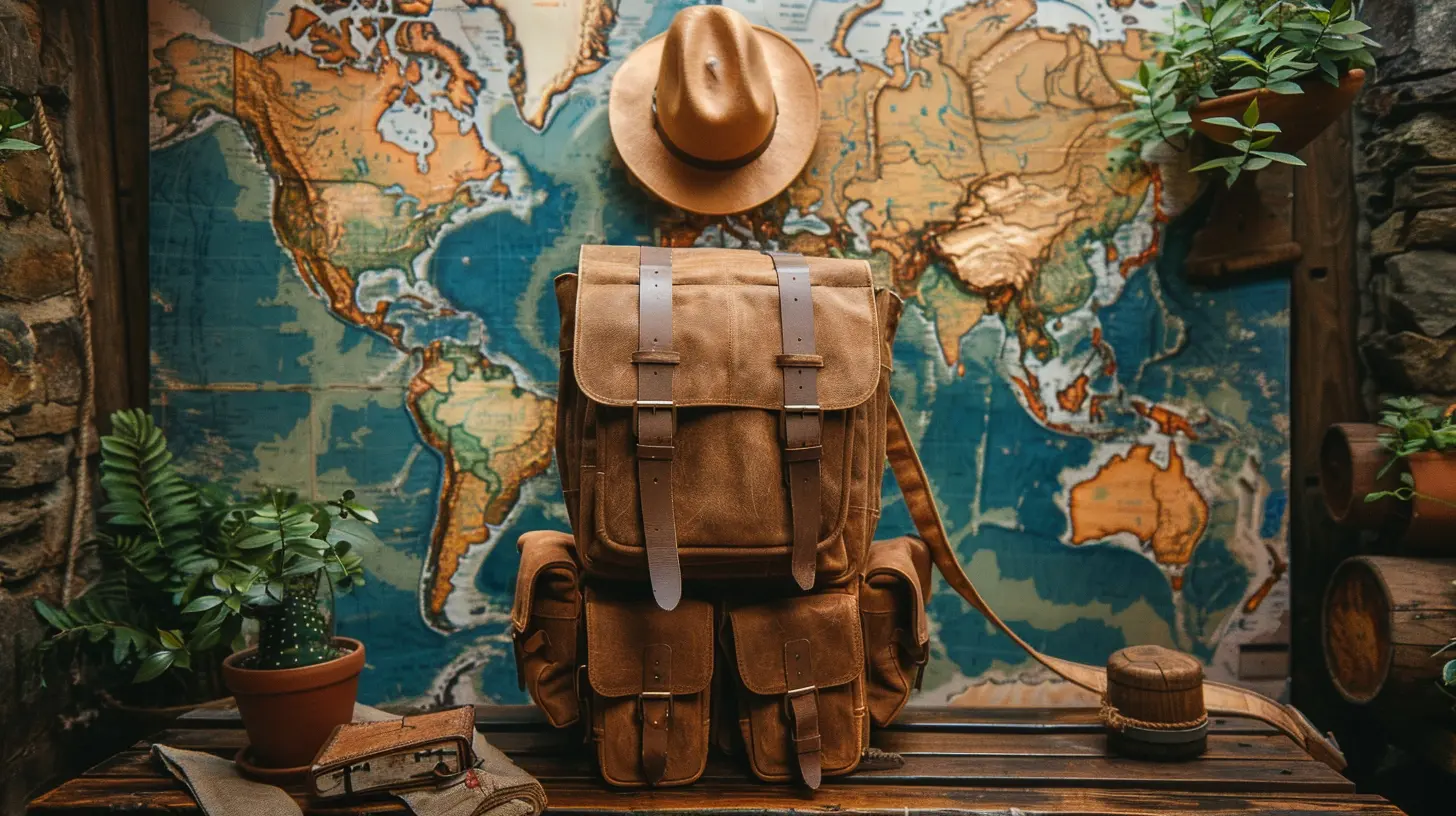
Why Ethical Souvenirs Matter
The souvenirs we buy don’t exist in a vacuum. They create ripples. They can support a struggling community—or exploit it. They can preserve traditional craftsmanship—or fuel mass-produced knockoffs. It’s more than just a purchase—it’s a vote for the kind of tourism we want to support.When you choose ethical souvenirs, you're doing a lot more than picking up trinkets. You're empowering local economies, respecting cultures, and protecting the environment. You’re being the kind of traveler that the world needs more of.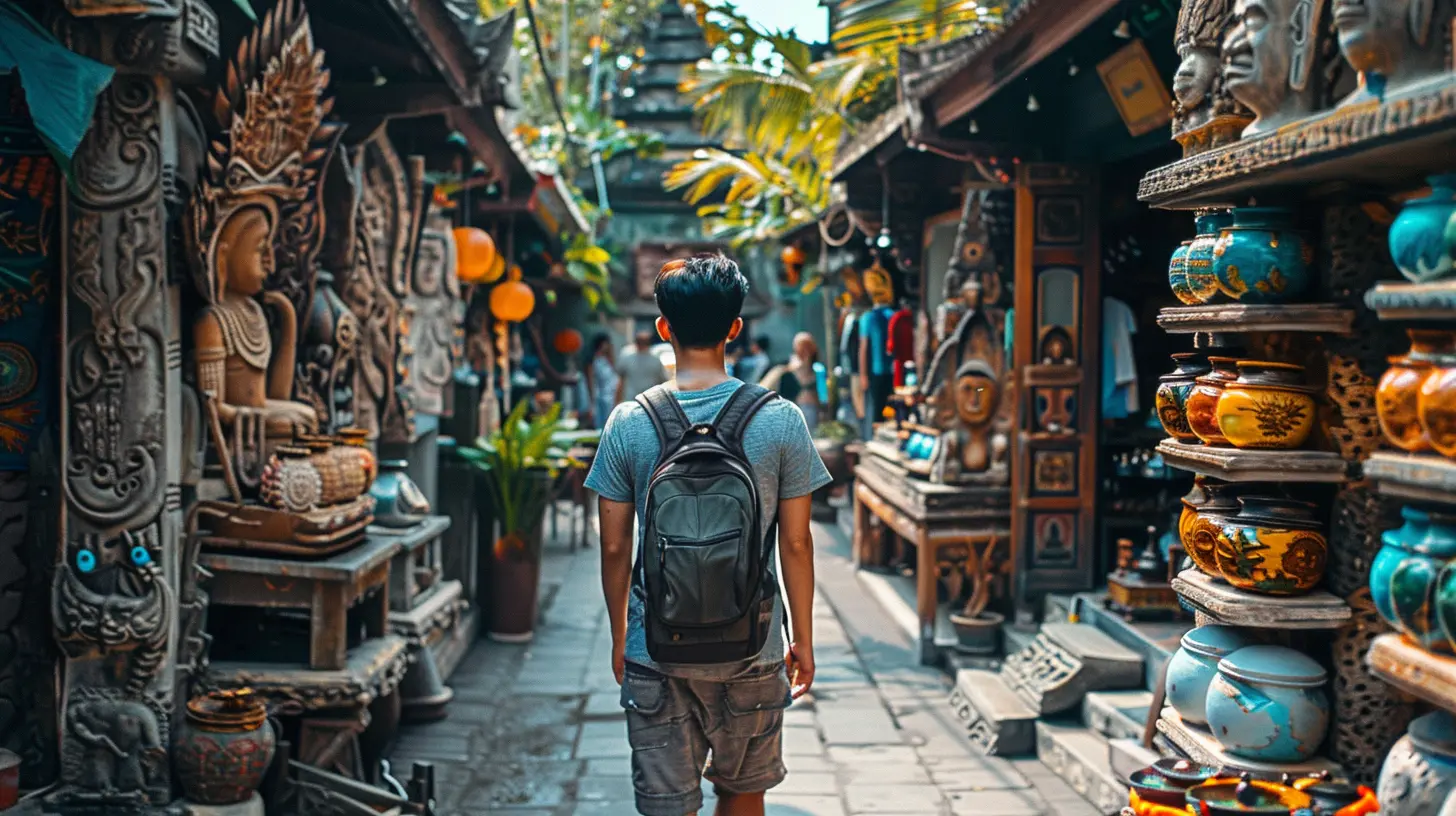
The Golden Rule of Ethical Souvenir Shopping
Let’s keep things simple. If you can remember just one thing, let it be this:👉 Buy Local, Think Global.
What does that mean? Buy from local artisans, markets, and cooperatives. Think about how your purchase affects the bigger picture—cultural preservation, environmental sustainability, and fair wages.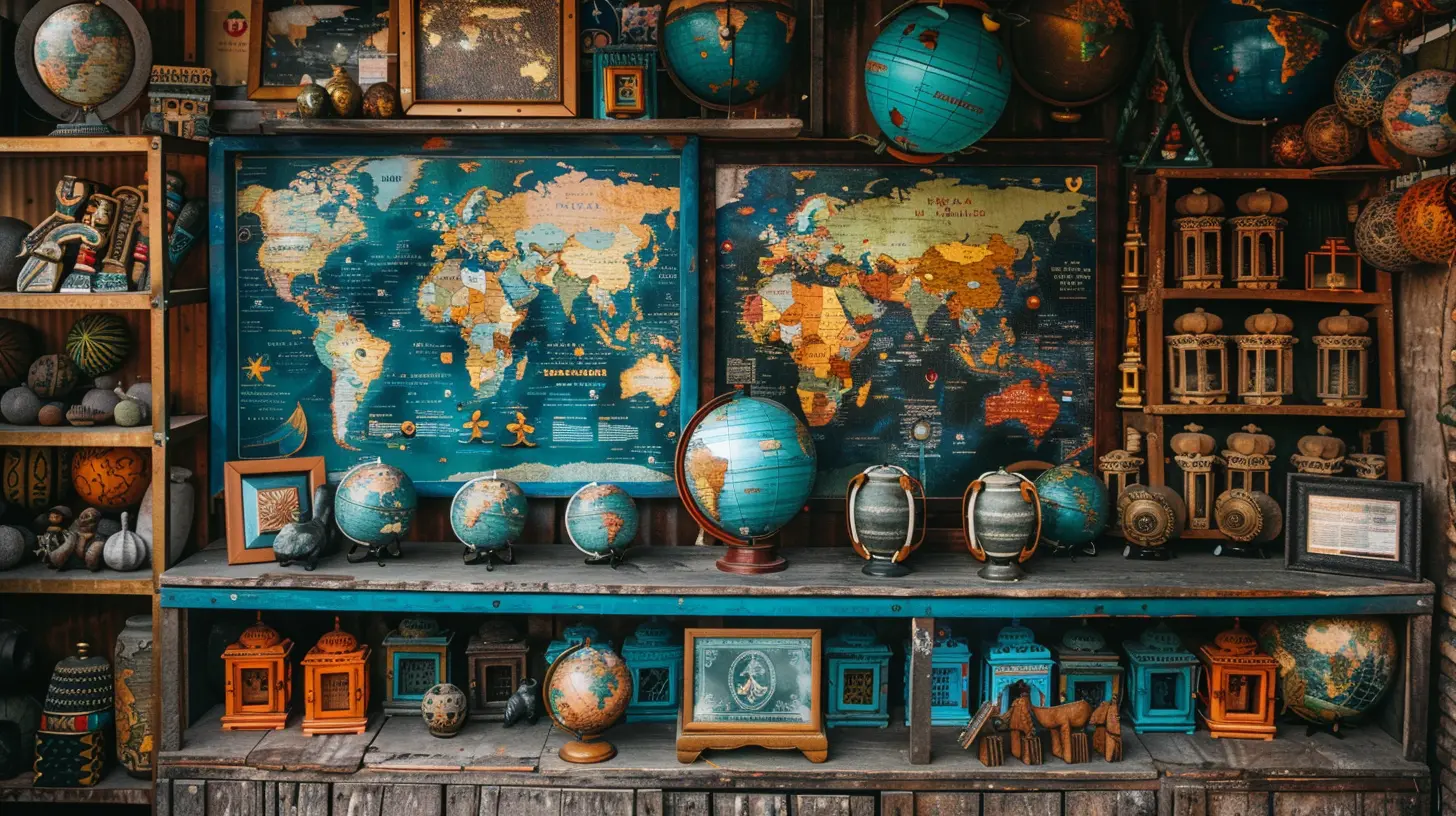
What to Buy: Ethical Souvenir Ideas You’ll Be Proud Of
1. Handmade Crafts from Local Artisans
Nothing beats something crafted with heart and hands. Whether it’s a woven basket in Ghana, a hand-painted ceramic in Portugal, or intricate beadwork in South Africa, handmade goods are packed with stories.Look for:
- Items sold directly by the maker or at artisan cooperatives
- Authentic materials native to the region
- Cultural significance (ask about the symbolism if you’re unsure!)
Tip: Chat with the maker whenever you can! You’ll understand the item’s cultural meaning and maybe even hear a great story behind it.
2. Ethically Sourced Textiles and Clothing
Textiles often showcase the soul of a region. Think alpaca wool scarves in Peru, silk scarves in Thailand, or batik fabric in Indonesia.Make sure:
- The item was made locally (not imported or mass-produced)
- Workers are paid fairly (look for fair-trade labels)
- No cultural appropriation is involved (avoid sacred symbols or attire used disrespectfully)
3. Food & Spices
Who doesn’t want to take home a taste of the trip? Food and spices are top-tier souvenirs.Ethical options:
- Locally grown spices like saffron, vanilla, chili, or curry blends
- Culinary products made by locals: honey, jam, artisanal chocolate, olive oil
- Treats that are sustainably sourced and packaged
Avoid: anything that includes endangered animal products (e.g., shark fin, caviar from unsustainable sources).
4. Art
Local art? Always a good idea. It captures the spirit of a place like nothing else can.Buy:
- Paintings, sketches, or prints from local galleries or street artists
- Handmade sculptures, pottery, or carvings
- Music CDs (yes, old-school, but charming!) or digital downloads from local bands
Ask the artist about their inspirations—chances are, your piece will mean even more.
5. Eco-Friendly Products
Many destinations now have eco-conscious brands that produce souvenirs from recycled or sustainable materials. Bags made from old fishing nets, jewelry from upcycled glass, or stationery from banana leaves? Yes, please.Look for:
- Sustainability efforts in materials and packaging
- Local production (not overseas imports pretending to be “crafted locally”)
What to Avoid: Souvenirs That Harm More Than Help
1. Wildlife Products
It might seem “exotic,” but souvenirs made from endangered species are a hard no. Think ivory, tortoiseshell, coral, snakeskin, and even some seashells.Why skip it?
- It often involves poaching and illegal trade
- It can result in hefty fines or confiscation at customs
- It contributes to the extinction of vulnerable animals
A safe rule: If it comes from an animal and you're not 100% sure it’s legal or ethical, don’t buy it.
2. Mass-Produced Souvenirs Made Abroad
You’d be surprised how many so-called “local” souvenirs are actually made in factories halfway across the world—and often in poor working conditions.Telltale signs:
- Unrealistically cheap prices
- Identical designs in every shop
- No explanation of where it was made or by whom
Try to support the real deal. Your cash should go to the locals, not to overseas middlemen.
3. Sacred or Culturally Sensitive Items
Some things hold deep religious or spiritual meaning—and turning them into souvenirs can border on disrespect.Avoid:
- Native headdresses
- Religious icons or relics
- Items used in spiritual ceremonies unless gifted or sold with permission from the community
When in doubt, ask a local guide or artisan. If it feels off, it probably is.
4. Items Made by Exploited Labor
If it’s too cheap to be true, there’s a reason. Many souvenir items (especially in popular tourist cities) are produced in sweatshops, sometimes involving child labor.Red flags:
- No info on the maker
- Dirt-cheap prices
- No fair-trade, co-op, or ethical certification
It’s worth spending a few extra bucks to ensure someone didn’t suffer making it.
Simple Steps to Make Better Choices
Ask Questions
Find out who made the item, where it came from, and how it was produced. If the seller doesn’t know—or gets cagey—that’s a red flag.Do Quick Research
A quick search on your phone can tell you whether something is endangered, illegal, or unethical. There are even apps like Wildlife Witness and Good On You for just this purpose.Support Small Businesses & NGOs
Many local non-profits and community centers help promote ethical souvenirs by connecting artisans with tourists. It's a win-win.Buy Experiences, Not Just Things
Souvenirs aren’t just objects. They can be intangible. A cooking class, a handmade photo album, a downloadable music album from a local artist? These are ethical, meaningful, and clutter-free.The Feel-Good Factor
You know what's great about buying ethically? It makes your trip feel more fulfilling. You’re not just collecting stuff; you’re collecting stories. You're connecting with people. You're traveling with respect.And when someone asks, “Where did you get that?” you’ll have a story to tell—and maybe even inspire someone else to shop thoughtfully on their next adventure.
Final Thoughts: Traveling With Heart
Being a responsible traveler doesn’t mean missing out—it means leaning in. Leaning into culture. Into kindness. Into consciousness. And when you start shopping with your heart instead of just your wallet, you’ll realize something beautiful:Your souvenirs will not only remind you of the places you’ve been—but also of the values you want to carry forward.
Ethical Travel Starts With You
So next time you’re at a market stall or boutique abroad, think twice. Ask questions. Choose wisely. And remember: the best souvenirs are ones you can feel good about—years after your trip has ended.Happy travels—and happy (ethical) shopping!
all images in this post were generated using AI tools
Category:
Eco TravelAuthor:

Kelly Hall
Discussion
rate this article
2 comments
Noemi Webster
In every trinket and treasure we hold, Let stories of kindness and culture unfold. Seek souvenirs of heart, not mere art, For true memories thrive where ethics impart.
March 4, 2026 at 3:34 AM
Kelly Hall
Thank you for capturing the essence of ethical souvenirs! It's vital to choose items that reflect genuine culture and kindness, enriching our travels with meaningful stories.
Linnea Underwood
Choose souvenirs that honor local cultures—your mindful choices make a positive impact!
March 2, 2026 at 5:21 AM
Kelly Hall
Thank you for your insightful comment! Choosing culturally respectful souvenirs truly enhances our travel experience and supports local communities.