Ethical Wildlife Encounters: Where to Safely See Animals in the Wild
28 January 2026
Let’s be real—nothing beats the sheer excitement of coming face-to-face with a wild animal in its natural habitat. The heart-racing thrill, the goosebumps, the absolute awe of the moment. Yep, it's an experience like no other. But here's the thing: not all animal encounters are created equal.
Too many so-called "wildlife experiences" are nothing more than glorified zoos, where animals are mistreated, drugged, or kept in small enclosures to meet tourist demands. And that's not what we're here for. If you're as wild at heart as I am and want to witness nature without the guilt trip, you’re in the right place.
So, where can you see animals ethically—without cages, chains, or exploitation? Buckle up, because we’re about to take a trip to some of the best wildlife destinations around the world, where animals roam free and you get to be the lucky observer. 
🦁 Why Ethical Wildlife Tourism Matters
Before we dive into the "where," let’s talk about the "why." Ethical wildlife tourism isn't just a trend; it's a movement. Every time you book a responsible safari, choose a conservation-focused tour, or say NO to that shady roadside animal attraction, you’re making a huge difference.Here’s why it matters:
- Protects wildlife – When animals stay in their natural environment, they thrive. No chains, no cages, no forced interactions.
- Supports local communities – Ethical tourism fuels conservation efforts and provides locals with income through sustainable methods, not exploitation.
- Preserves habitats – More ethical tourism = more reasons to protect forests, oceans, and savannas from deforestation and poaching.
Now, let’s get to the good stuff—where can you actually see animals in their natural habitat the right way? 
🐘 Where to See Animals in the Wild — The Responsible Way
1. African Safari: Witness the Big Five (Without the Harm)
📍 Best Places: Kenya, Tanzania, Botswana, South AfricaWhen you think of wild creatures in breathtaking landscapes, African safaris probably top the list. And for good reason! Picture this: lions lounging under acacia trees, elephants leading their herds, and cheetahs sprinting across endless plains. Sounds unreal, right?
The trick here is choosing safaris that operate ethically. Look for ones that:
✅ Support conservation projects
✅ Avoid close-contact attractions like elephant riding
✅ Use eco-friendly lodges and local guides
One standout? Kenya’s Masai Mara Reserve—one of the best places to see the Great Migration, where millions of wildebeest, zebras, and gazelles move across the Serengeti. Absolutely epic.
2. Borneo: Hang Out with Orangutans (From a Distance, of Course!)
📍 Best Places: Sepilok Orangutan Rehabilitation Centre, Kinabatangan River, Danum Valley (Malaysia)Orangutans are basically the wise old men of the jungle… but unfortunately, they’re also critically endangered. Palm oil plantations and deforestation have wiped out huge chunks of their habitat.
So, how do you see these incredible primates ethically? Visit them in the wild, not in sketchy petting zoos. One of the best places is the forests of Borneo, where you can watch them swing from tree to tree like the jungle VIPs they truly are.
For a responsible experience, check out Sepilok Orangutan Rehabilitation Centre—a haven for rescued orangutans being prepped for release back into the wild. These beauties are still semi-wild, so no touching, just admiration from afar!
3. Galápagos Islands: Wildlife Done Right
📍 Best Places: Santa Cruz, Isabela Island, Española Island (Ecuador)The Galápagos Islands are basically nature’s VIP lounge. Why? Because they house some of the most unique species on the planet—think giant tortoises, blue-footed boobies, and marine iguanas straight out of Jurassic Park.
The best part? Strict conservation laws limit the number of tourists, so you won’t see overcrowded beaches or selfie-obsessed tourists getting too close to wildlife. Guided tours ensure animal welfare comes first, with set distances and no human interference.
Wanna swim with sea turtles, hike alongside iguanas, or watch penguins play in crystal-clear waters? This is the place to do it responsibly.
4. Costa Rica: The Wild Paradise You Didn’t Know You Needed
📍 Best Places: Corcovado National Park, Tortuguero National Park, Monteverde Cloud ForestCosta Rica is what happens when Mother Nature decides to show off. Rainforests + waterfalls + endangered species = absolute perfection.
Here, you can witness:
🐒 Howler monkeys swinging through the jungle
🦜 Scarlet macaws giving tropical sunset vibes
🐢 Sea turtles nesting on untouched beaches
A must-visit is Tortuguero National Park, where every year, sea turtles return to lay their eggs. It’s a once-in-a-lifetime spectacle—just make sure you join certified guides who ensure safe, non-invasive viewing.
5. Antarctica: Penguins, Whales, and Icebergs (Oh My!)
📍 Best Places: South Shetland Islands, Antarctic Peninsula, Ross SeaOkay, admit it—you’ve definitely dreamed of stepping foot on Antarctica. But here’s the deal: this frozen paradise isn’t just about dramatic landscapes, it’s home to some of the most extraordinary wildlife on Earth.
🐧 Emperor penguins waddling like tiny tuxedo-wearing VIPs
🐋 Humpback whales doing their best acrobatic flips
🦭 Seals chilling on icebergs (living their best life, really)
Tours here follow strict environmental guidelines, so there’s no feeding, touching, or disturbing the animals’ icy kingdom. This is wildlife watching done right.
6. Yellowstone National Park: America’s Own Safari
📍 Best Places: Yellowstone National Park (USA)Who says you need to travel across the world for an epic wildlife encounter? Yellowstone National Park delivers all the drama of an African safari, minus the plane ticket!
Spot:
🐺 Wolves howling across the Lamar Valley
🐻 Grizzlies doing their thing (from a safe distance, of course!)
🦬 Bison casually blocking traffic (because they own the roads here)
The best part? Park guidelines ensure you observe, not interfere. So, no petting baby bison (seriously—people have tried), and definitely no Bear Grylls-style antics. 
🌍 The Golden Rules of Ethical Wildlife Encounters
Alright, you now know where to go. But let’s talk ethics, because even in responsible destinations, you play a role in keeping wildlife safe.DO:
✅ Keep a respectful distance—no touchy-touchy!✅ Choose eco-friendly and conservation-driven tours
✅ Stay quiet and let animals behave naturally
✅ Support national parks and conservation centers
DON’T:
❌ Ride, hold, or cuddle wild animals (yeah, that includes sloths)❌ Feed wildlife—human food = bad news for animals
❌ Visit attractions that chain, drug, or force animals to interact
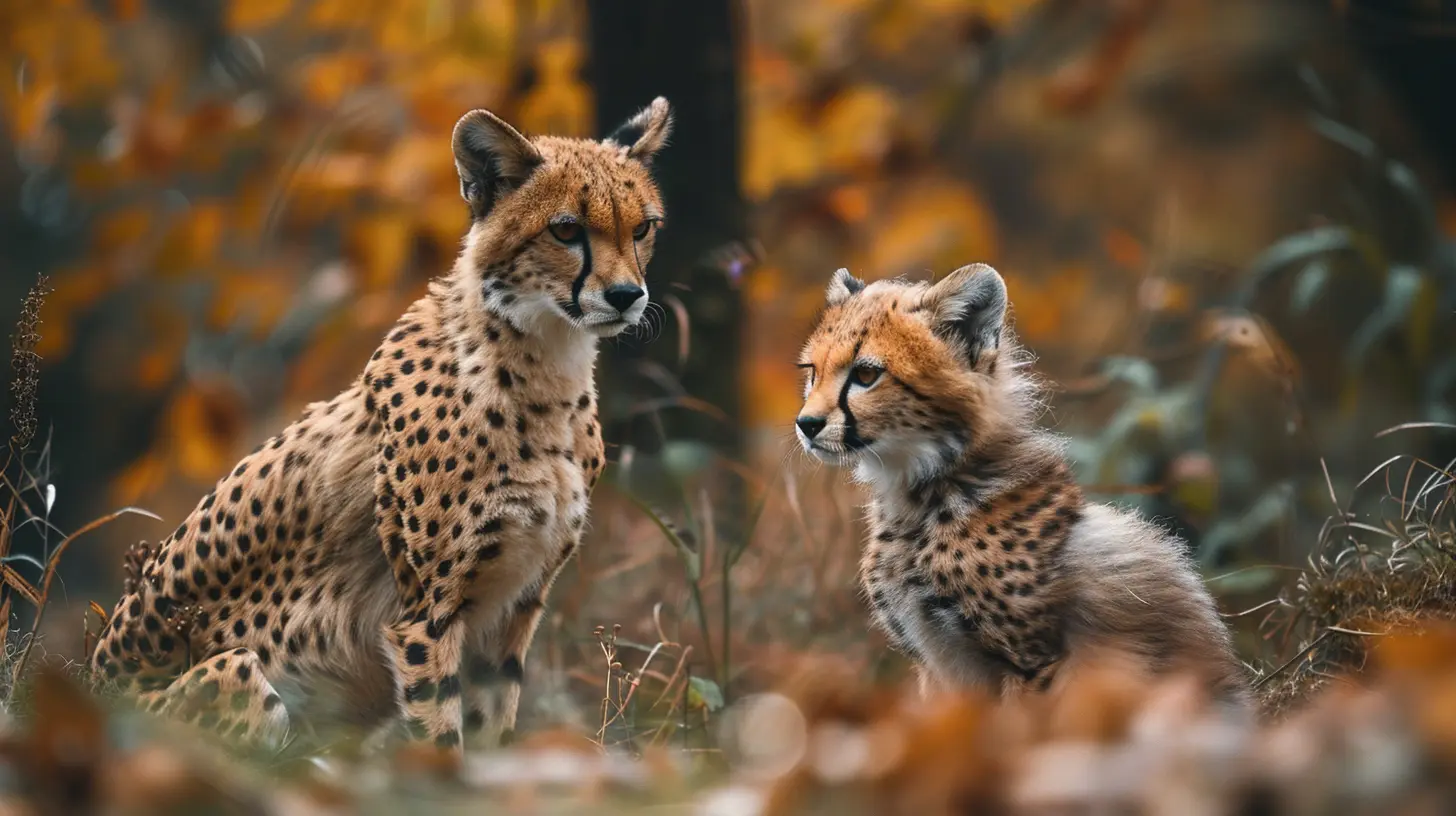
🏆 Final Thoughts
Seeing animals in the wild the right way means playing by nature’s rules. It’s about respecting wildlife, supporting conservation, and leaving nothing behind but footprints. So, if you’re ready for the ultimate, guilt-free wildlife experiences, start planning your next ethical adventure.Because trust me—watching animals thrive where they belong? That’s the real magic.
all images in this post were generated using AI tools
Category:
Eco TravelAuthor:

Kelly Hall
Discussion
rate this article
2 comments
Thalor Kim
This article is a fantastic resource for responsible travelers! It highlights ethical wildlife experiences, ensuring both animal welfare and visitor safety while promoting conservation efforts. A must-read for eco-conscious adventurers!
February 6, 2026 at 5:22 PM
Kelly Hall
Thank you for your kind words! I'm glad you found the article helpful for promoting responsible and ethical wildlife experiences. Happy adventures!
Kova Kirkpatrick
Who knew eco-tours could be so wild? Discovering animals in their natural habitat is like attending a nature-themed blockbuster—minus the popcorn and with a hefty dose of ethics! Let’s make sure our selfies don’t come with a guilt trip!" 🦓📸
January 31, 2026 at 5:32 AM
Kelly Hall
Absolutely! Ethical wildlife encounters let us experience nature's wonders while respecting animal habitats. Let's enjoy our adventures responsibly! 🌍✨