Exploring the Pulse of Havana: Live Music in 2026
8 May 2026
I remember my first night in Havana like it was yesterday. I stepped out of a crumbling colonial doorway, the humid air thick with cigar smoke and the scent of old rum, and I heard it. Not just music, but a heartbeat. It came from a tiny bar three doors down, a raw, unpolished sound that made my chest vibrate. That was 2018. Fast forward to 2026, and that heartbeat hasn't just survived. It has evolved, gotten louder, and become even more impossible to ignore.
Havana has always been a city that sings. But in 2026, the song has changed. It still carries the soul of the son cubano and the swagger of the salsa, but now it mixes in a heavy dose of digital beats, global influences, and a fierce, young energy. If you are planning a trip to Cuba this year, you are not just visiting a museum. You are walking into a live, breathing jam session. Let me take you through the real pulse of Havana right now.
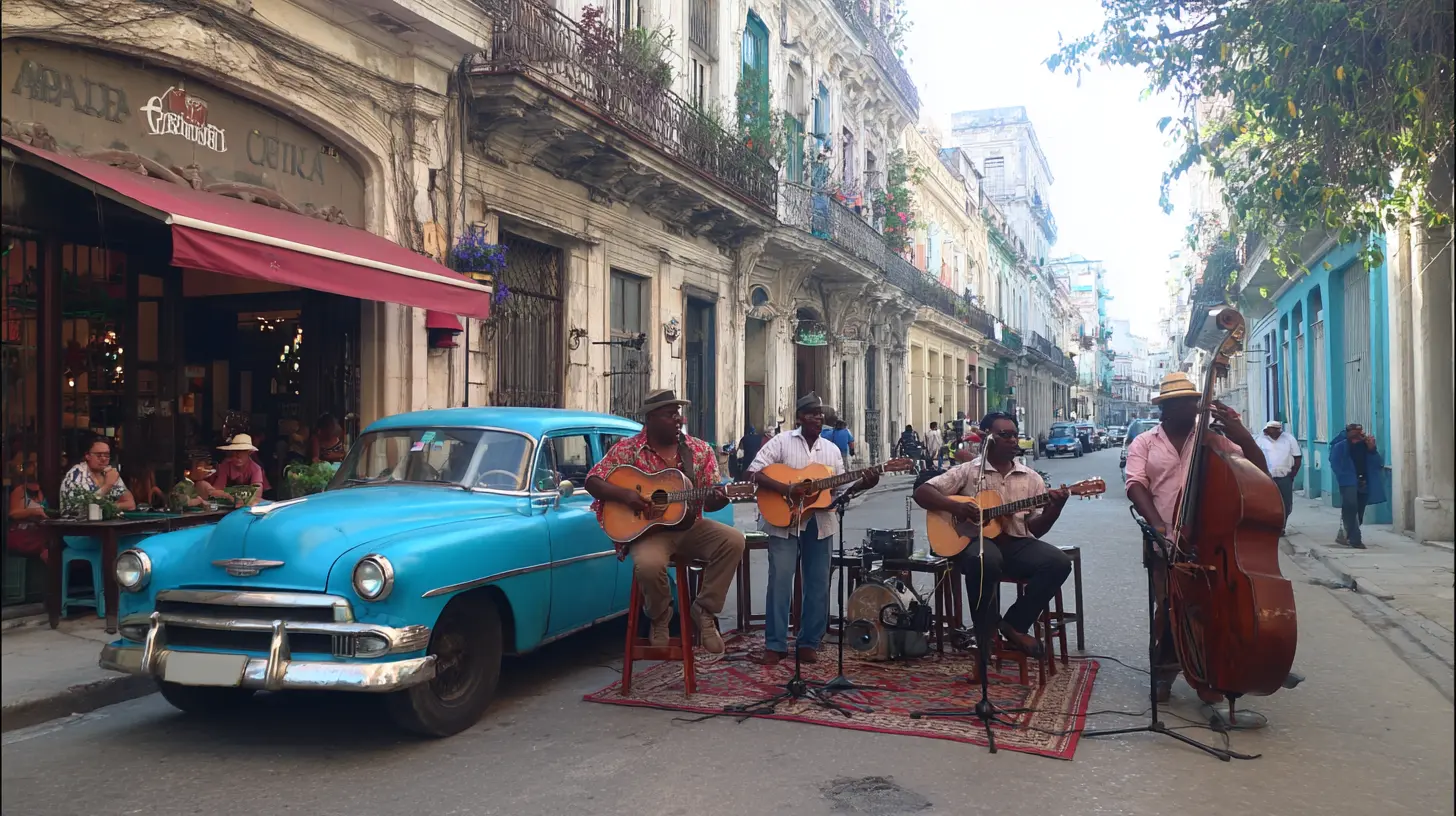
The Old Guard: Where the Roots Run Deep
You cannot talk about Havana live music without starting where it all began. The classic venues are still there, and they are thriving. Places like the legendary Fabrica de Arte Cubano (FAC) still pull massive crowds, but in 2026, they have refined the experience. The art exhibitions are more interactive, and the music stages are split. You get the traditional trova on the rooftop, and you get experimental electronic fusion in the basement. It is a perfect snapshot of the city's split personality.But for the pure, unfiltered Havana sound, you still go to La Casa de la Musica in Miramar. The energy there is electric. The bands are tight, the dancers are world-class, and the tourists are outnumbered by locals who know every lyric. The difference in 2026? The sound systems are better. The government has invested in some serious audio upgrades, so you no longer get that tinny, blown-out speaker sound. The bass hits clean, the horns cut through, and you feel the congas in your bones.
And then there is the Callejon de Hamel. This is not a venue. It is a street, an alley, a living canvas of Afro-Cuban spirituality. On Sundays, the rumba starts around noon and does not stop until the sun goes down. In 2026, the crowd is more international than ever, but the spirit is still sacred. The drumming is hypnotic. You will see old men in fedoras and young kids in sneakers dancing side-by-side. It is raw, it is real, and it is the closest you will get to the root of Cuban music without a time machine.
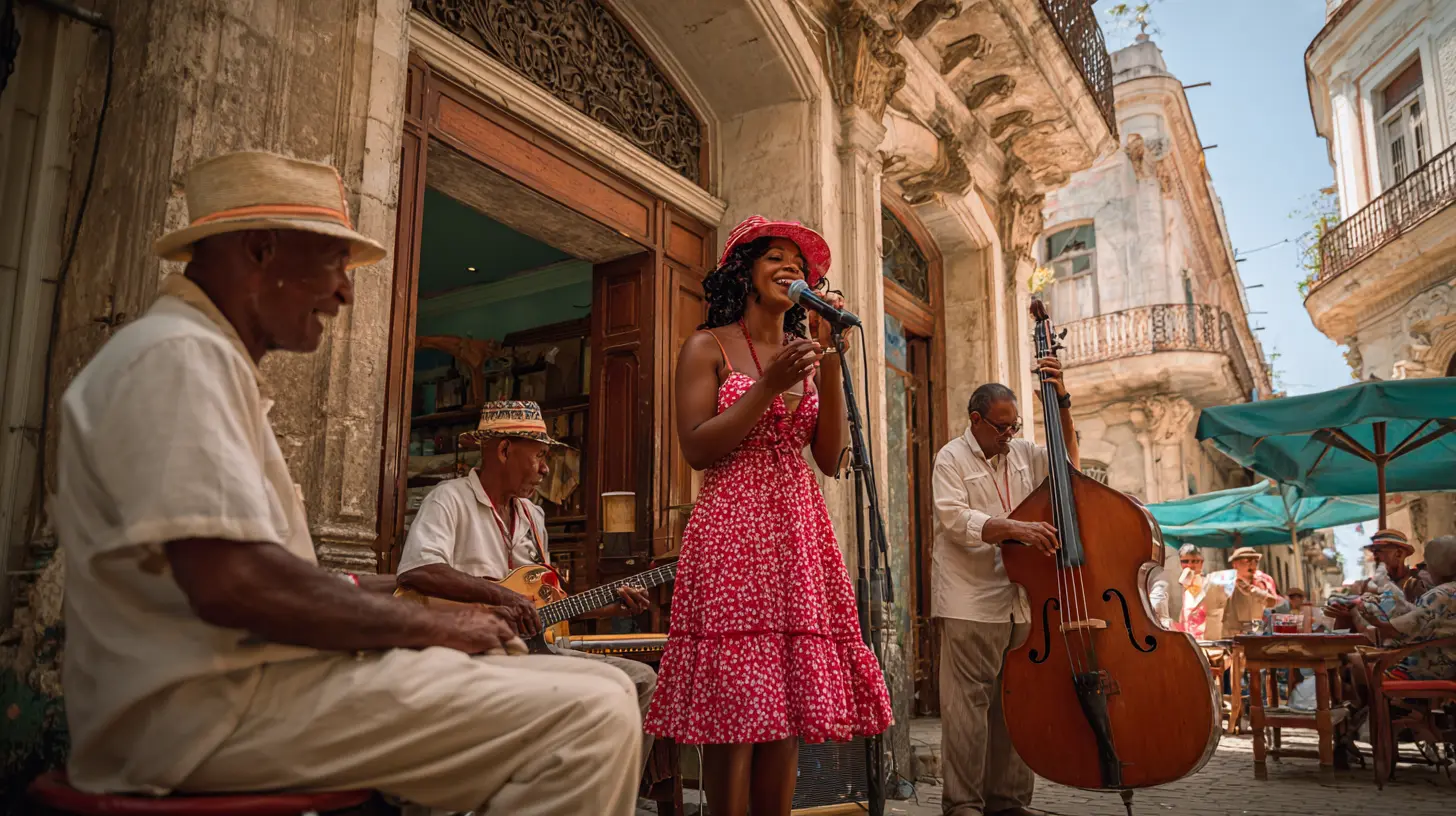
The New Wave: Havana's Underground Scene
Here is where things get interesting. The biggest shift in 2026 is the explosion of the underground. For years, Havana had a quiet, hidden scene. Musicians playing in living rooms, secret parties in converted warehouses. Now, that scene is becoming the mainstream.Walk into a place like El Sauce in Vedado on a Tuesday night. It looks like someone's garage, because it basically is. There is no sign outside, just a red light bulb. Inside, the air is thick. A DJ is playing a mix of reggaeton, timba, and something that sounds like electronic jazz. The crowd is all under thirty. They are dressed in vintage clothes and expensive sneakers. They are not dancing in pairs. They are dancing in a big, sweaty, pulsing mass. This is the sound of Havana's future.
The biggest name on everyone's lips right now is Cimafunk. If you have not heard of him, you will. He is a one-man revolution. His music is a wild fusion of funk, soul, hip-hop, and Afro-Cuban rhythms. Seeing him live in 2026 is less a concert and more a revival meeting. The crowd loses their minds. He plays at the Teatro Karl Marx for the big shows, but he also does secret pop-ups in the neighborhoods. You have to have your ear to the ground to find those.
Another new spot that has become a must-visit is La Feria. It is a weekly event held in a repurposed parking lot in Centro Habana. Think of it as a block party curated by local artists. You get food stalls, craft beer (yes, craft beer is finally a thing in Havana), and a rotating lineup of the best emerging bands. The vibe is laid back, family-friendly early on, but after 10 PM, it turns into a full-on dance party. It is where you go to see the next big thing before they hit the big stages.
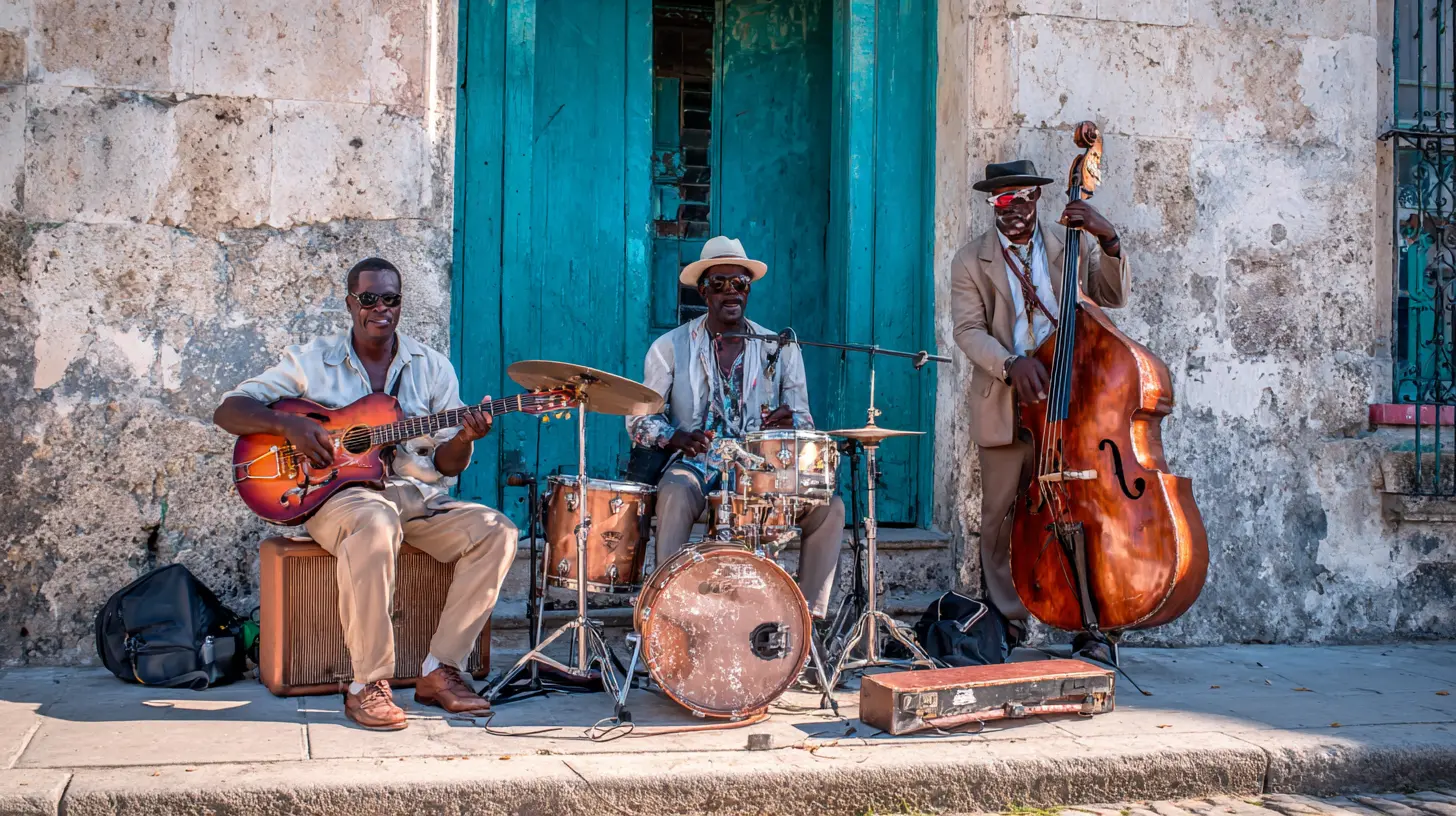
The Casa de la Trova Experience: Intimacy and History
You cannot skip the smaller, more intimate venues. The Casa de la Trova in Old Havana is a pilgrimage site for music lovers. It is a tiny, two-story house with a balcony that overlooks the street. The walls are covered in photos of legends. The performance space is barely big enough for a quartet. But that is the magic.In 2026, the programming here has gotten smarter. They still have the old masters playing traditional boleros and sones. But they also book younger acts who are reinventing those forms. You can sit with a glass of rum, two feet from the musicians, and watch them trade solos. It is the opposite of the big, sweaty clubs. It is quiet, respectful, and deeply moving. I watched a young guitarist there in February who played a version of "Guantanamera" that made the entire room cry. Not because it was sad, but because it was so full of hope.
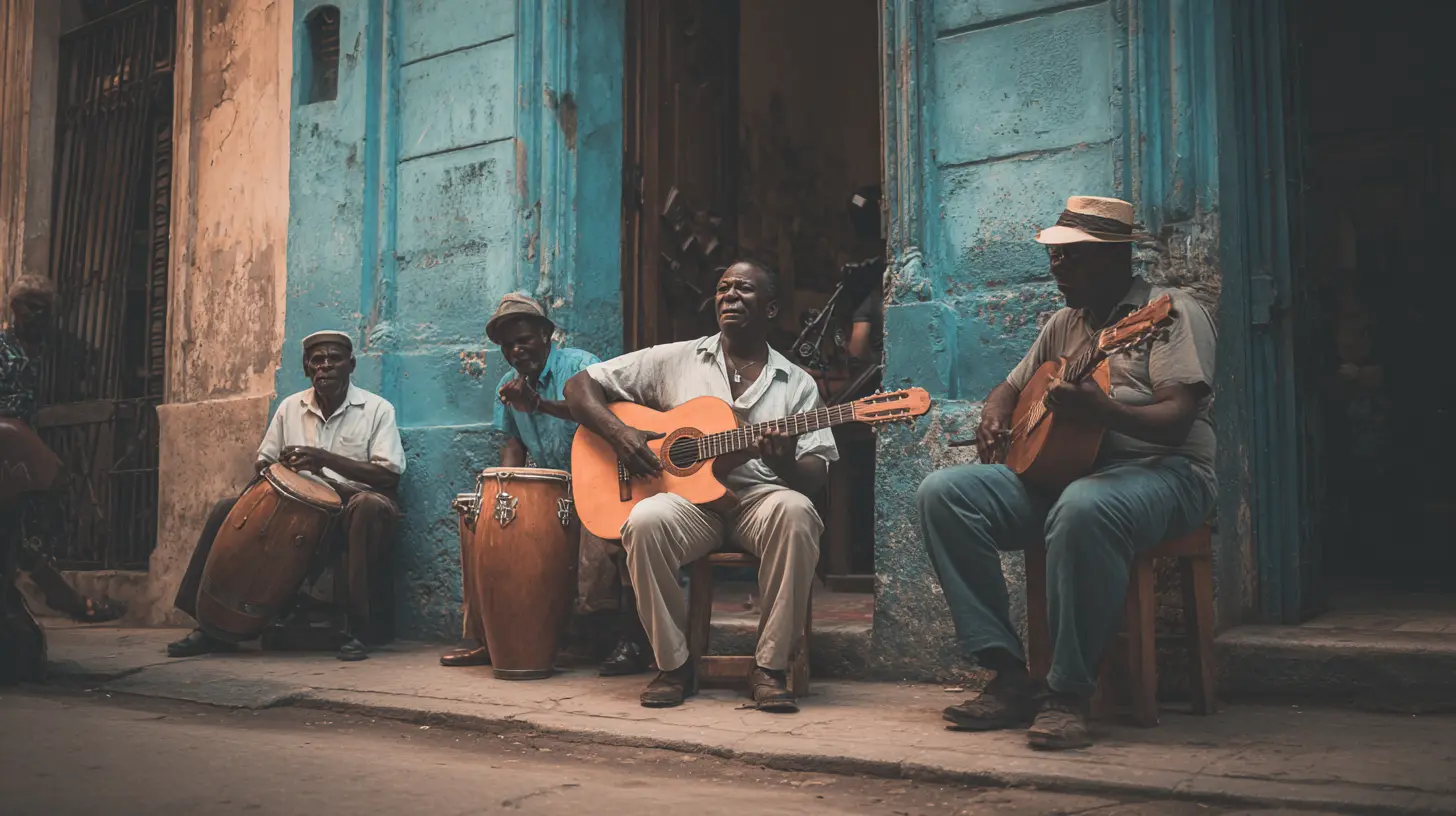
The Street Musicians: The Unscripted Heartbeat
Let me be honest. The street musicians in Havana are the real stars. In 2026, they are more organized and more talented than ever. You will find them on the Malecon at sunset, on the steps of the Capitolio, and in the plazas of Old Havana. They are not just playing for tips. They are practicing their craft.I have a favorite spot. On Calle Obispo, near the Hotel Ambos Mundos, there is a trio of older gentlemen. One plays guitar, one plays a wooden box, and one sings. They have been standing on that same corner for thirty years. Their harmonies are perfect. Their repertoire is endless. In 2026, they have a QR code taped to the guitar case that links to their YouTube channel. They have learned to adapt.
Do not just walk past them. Stop. Listen. Drop a few pesos in the hat. Ask them to play your favorite song. They will. And they will play it better than you have ever heard it. That is the beauty of Havana. The music is not a performance. It is a conversation.
What to Expect in 2026: Practical Tips for the Live Music Lover
Okay, let me get practical. If you are going to Havana in 2026 to chase live music, here is what you need to know.First, cash is still king. The internet is better now, but many of the small venues and street musicians do not take cards. Bring plenty of small bills (in Cuban pesos, the CUP, which is now the only currency). Second, learn the schedule. Most venues have a weekly rhythm. La Casa de la Musica is best on weekends. The Callejon de Hamel is strictly Sunday. El Sauce is Tuesday through Saturday. Do your homework.
Third, be ready for late nights. Cuban music does not start before 10 PM. The real energy hits around midnight. Do not plan an early morning the next day. Embrace the chaos. Go with the flow. You will get home when the sun comes up, and you will be tired, but you will be alive.
Fourth, talk to the locals. The best shows are not on TripAdvisor. They are in someone's apartment. They are in a backyard. They are word of mouth. Make a friend at a bar. Ask your taxi driver. The person selling peanuts on the street might know where the best rumba is tonight. Havana is a city of whispers. Listen for them.
Why 2026 is the Perfect Year to Experience Havana's Music
There is something in the air right now. A shift. The old generation is passing the torch, and the new generation is running with it. They are not rejecting their roots. They are building on them. They are taking the son, the rumba, the timba, and they are plugging it into the global conversation.You hear it in the lyrics. The young singers are talking about the internet, about travel, about the future. They are not stuck in the past. They are looking forward. And the audiences are responding. There is a hunger for something new, something that feels both deeply Cuban and completely modern.
The live music scene in Havana in 2026 is not a tourist attraction. It is a living, breathing organism. It is a diary of a city in transition. It is joyful, chaotic, heartbreaking, and hopeful, all at once. It is the sound of a people who have been through everything and still choose to dance.
So, when you go, do not just listen. Let it get inside you. Let it change your rhythm. Let the pulse of Havana become your own. Because once you feel it, you will never forget it.
all images in this post were generated using AI tools
Category:
Local Music ScenesAuthor:

Kelly Hall
Discussion
rate this article
1 comments
Fatima Carey
Havana's music scene is alive and vibrant. In 2026, the energy is electric, blending traditional rhythms with modern flair. It's a must-visit for any music lover who seeks authenticity.
May 22, 2026 at 4:39 AM