Fascinating Ruins That Tell the Story of Lost Civilizations
1 November 2025
History is littered with the remains of mighty empires and ancient cities that once bustled with life but now lie in eerie silence. Scattered across the world, these ruins whisper secrets of civilizations that flourished, thrived, and then mysteriously vanished. Some were wiped out by war, others by natural disasters, and some... well, their disappearance remains a mystery.
What happened to these societies? Were they victims of their own success? Or did something far more mysterious lead to their downfall? Let’s step into the past and wander through the most fascinating ruins that still carry echoes of lost worlds. 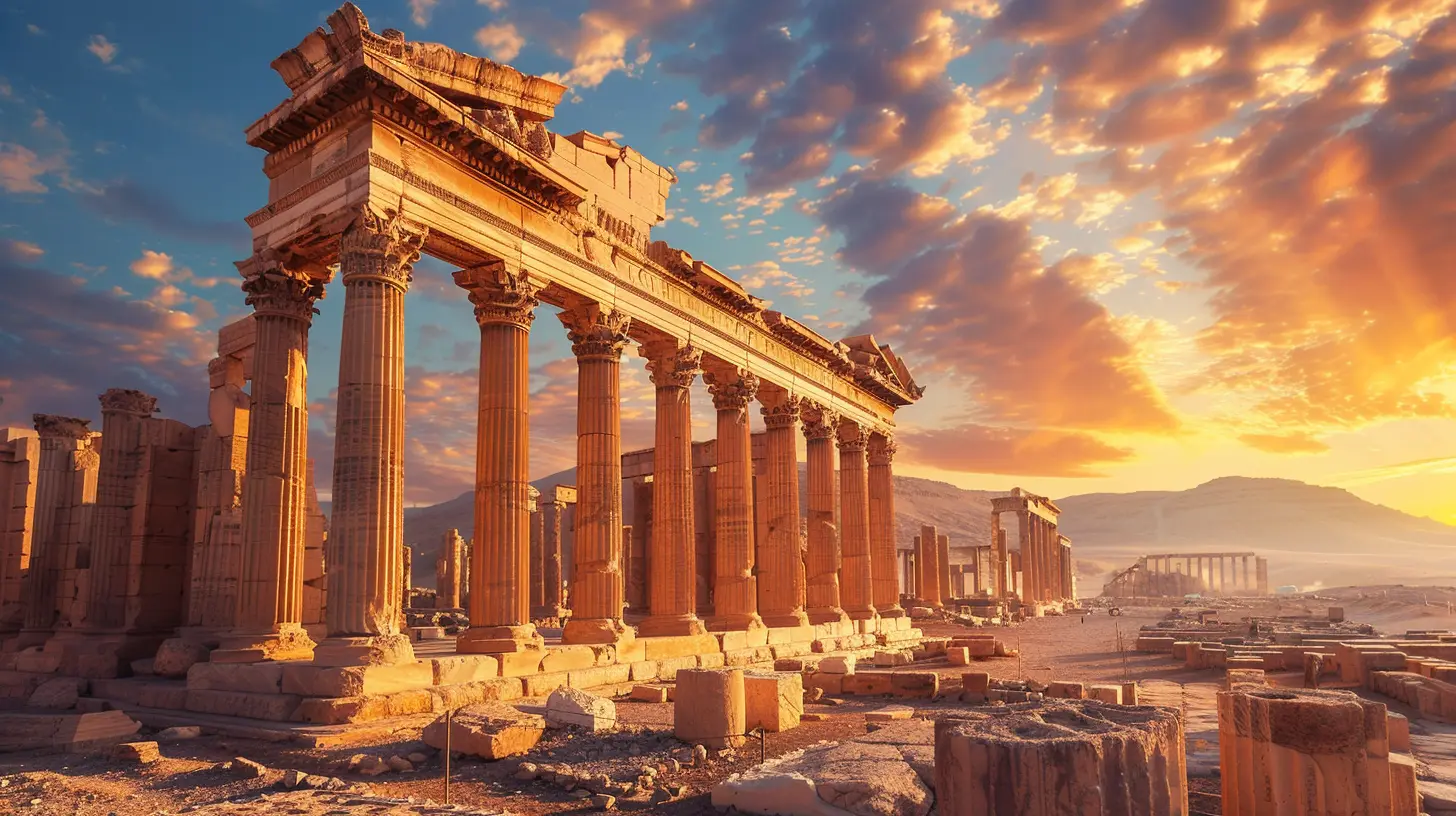
1. Machu Picchu – The Lost City of the Incas
Location: PeruPerched high in the Andes Mountains, Machu Picchu is the crown jewel of the Incan Empire. It’s often called the “Lost City of the Incas,” but the truth is, it was never really lost—just forgotten by the outside world until its rediscovery in 1911.
Built in the 15th century, this enigmatic city was abandoned a century later. Theories about its purpose range from it being a royal retreat for Emperor Pachacuti to a secret ceremonial site. But why did this incredible city, with its expertly crafted stone structures, suddenly fall into oblivion? Some say Spanish conquistadors forced its abandonment, while others believe disease wiped out the population.
Whatever the reason, standing on its misty peaks and looking down at the ruins, one can’t help but feel the weight of an untold story hanging in the Andean air. 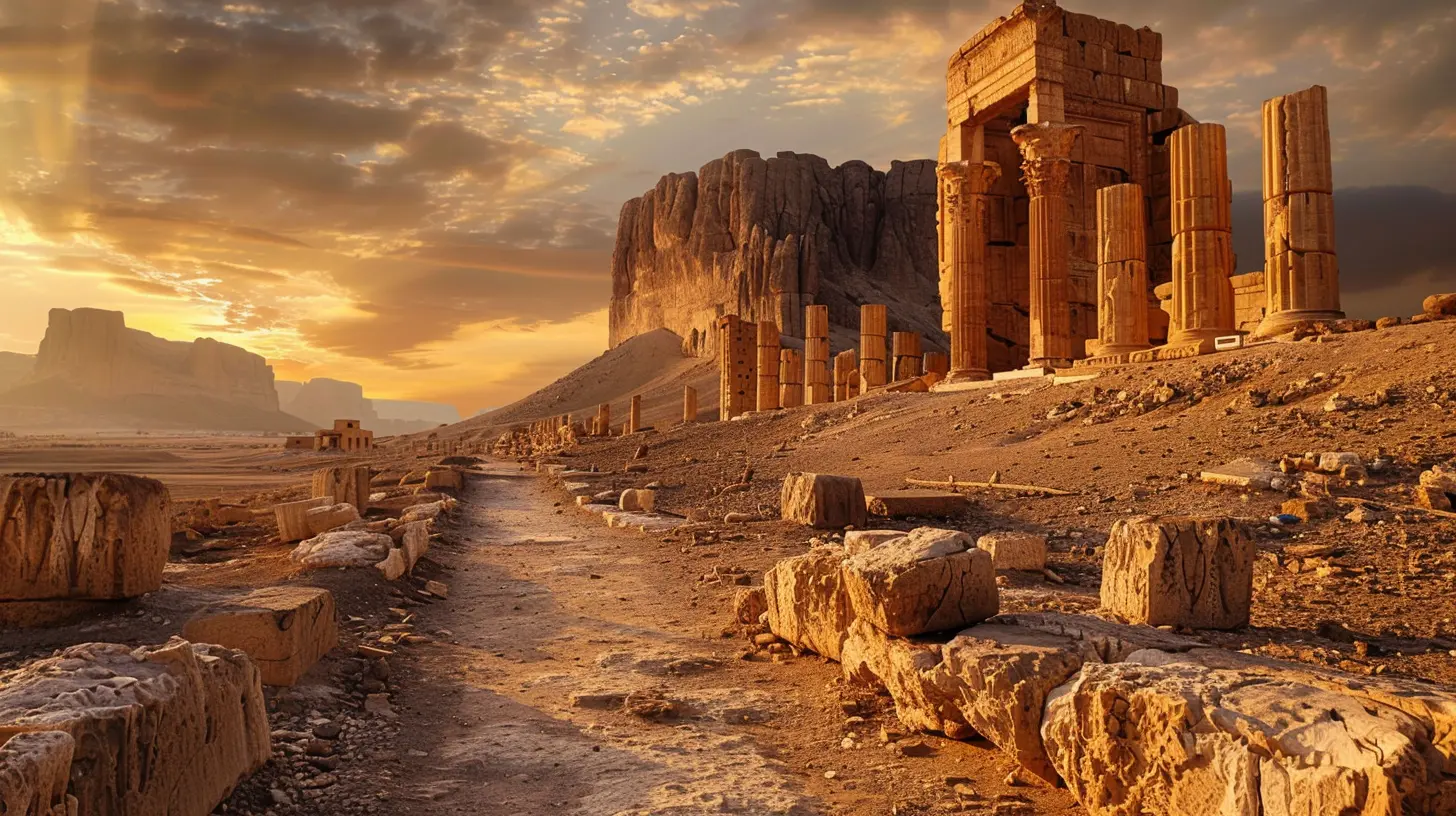
2. Petra – The Rose-Red City
Location: JordanCarved into pink sandstone cliffs, Petra looks like something straight out of a fantasy novel. This ancient city was the capital of the Nabataean kingdom and thrived around the 1st century AD. At its peak, it was a bustling trade hub, controlling commerce between Arabia, Egypt, and the Mediterranean.
But then, Petra vanished. The shift in trade routes and devastating earthquakes slowly brought about its decline. By the Middle Ages, it was nothing more than a legend, hidden deep in the Jordanian desert. When Swiss explorer Johann Ludwig Burckhardt "rediscovered" it in 1812, it sent shockwaves through the world of archaeology.
Walking through its narrow canyon entrance, the Siq, and laying eyes on the breathtaking Treasury, you can’t help but wonder: How could such a grand city simply fade into obscurity? 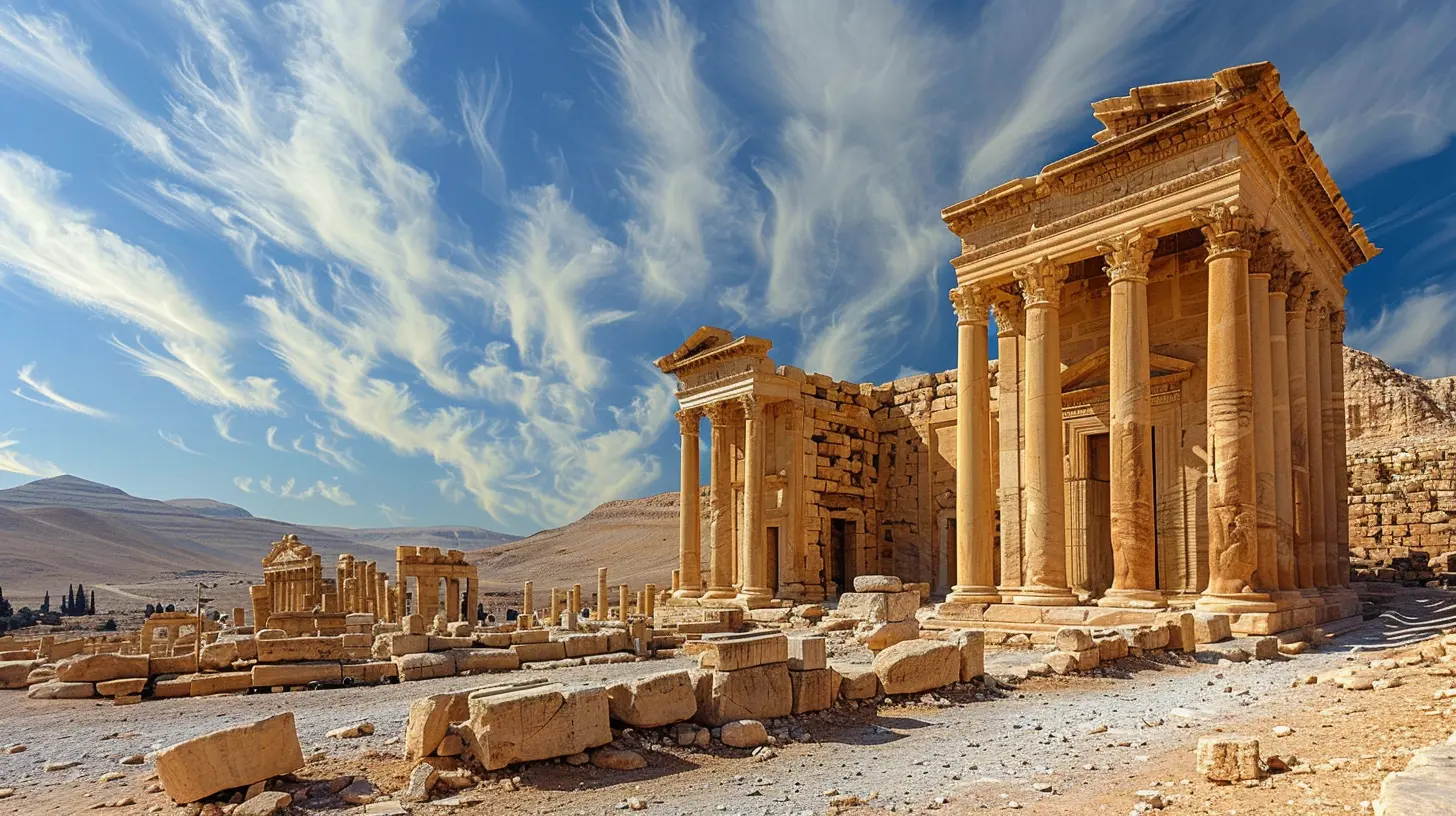
3. Angkor Wat – The Forgotten Temples of the Khmer Empire
Location: CambodiaImagine a vast temple city so grand, it was once the largest metropolis in the world. That was Angkor—the heart of the mighty Khmer Empire in Cambodia. Built in the 12th century, its most famous structure, Angkor Wat, is the largest religious monument on Earth.
Angkor thrived for centuries, but by the 15th century, it was abandoned. Why? Historians suggest a combination of factors—overpopulation, deforestation, water management failures, and repeated invasions. The jungle slowly reclaimed what was left, turning Angkor Wat into a ghostly relic swallowed by nature.
Today, the towering stone faces of Bayon Temple stare down at visitors as if guarding a forgotten past. It’s both haunting and mesmerizing—a place where history still breathes through the roots of ancient trees tangled around its walls. 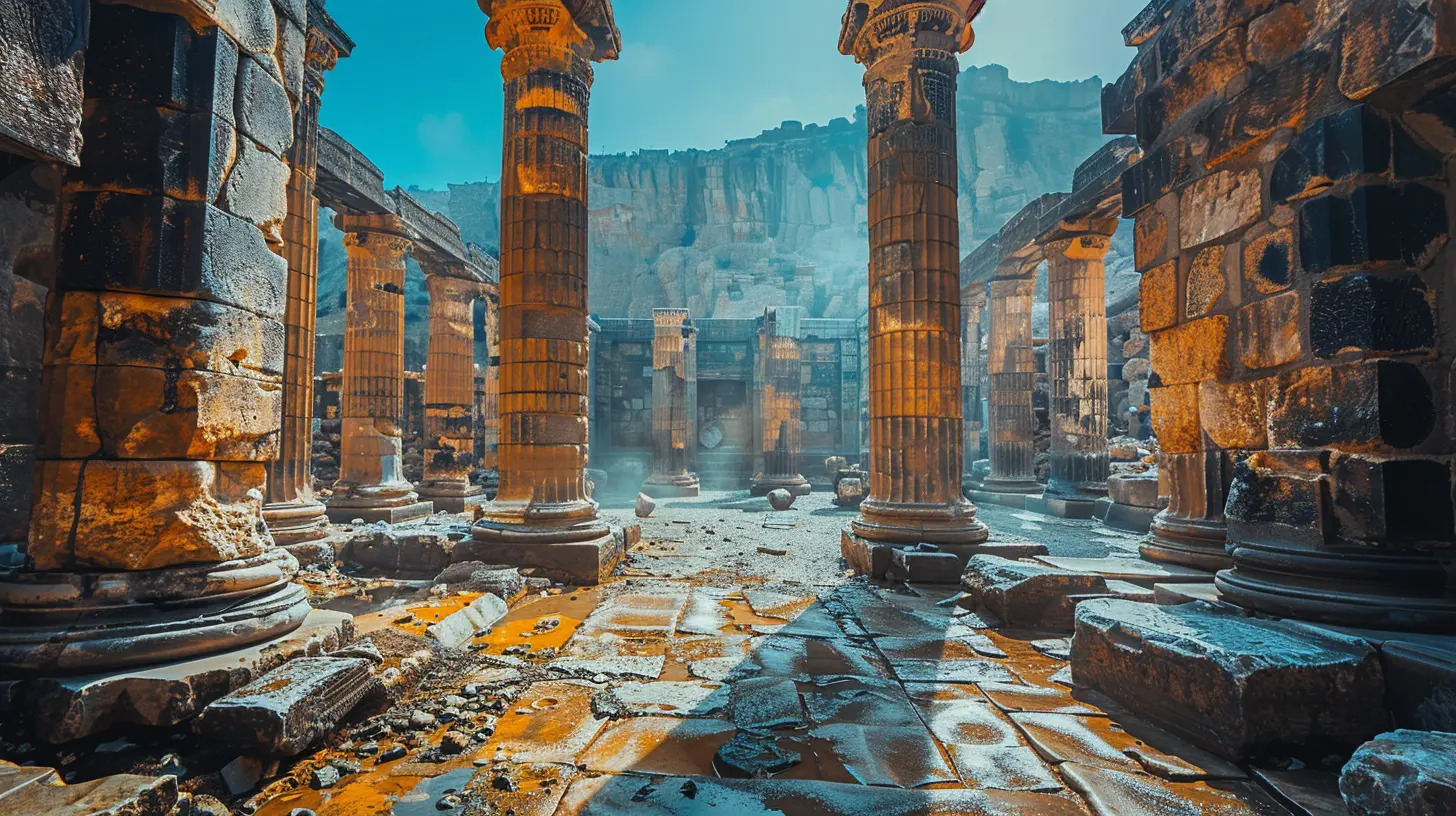
4. The Mysterious City of Tikal
Location: GuatemalaDeep in the heart of the Guatemalan jungle lies Tikal, an ancient Mayan city that was once a thriving center of civilization. Towering pyramids pierce the treetops, remnants of a kingdom that ruled from around 200 to 900 AD.
Tikal wasn't just any city—it was a powerful kingdom with massive stone temples, palaces, and a sprawling network of roads. And yet, despite its grandeur, the city was abandoned.
Theories about its fall range from prolonged droughts and resource depletion to political turmoil. Whatever the cause, by the 10th century, Tikal was swallowed by the jungle, forgotten until its rediscovery in the 19th century. Today, the eerie silence of the ruins, broken only by howler monkeys, offers an otherworldly experience.
5. Pompeii – The City Frozen in Time
Location: ItalyUnlike most lost cities, Pompeii wasn’t abandoned over time—it was destroyed in an instant. When Mount Vesuvius erupted in 79 AD, it buried the Roman city under a thick blanket of volcanic ash, preserving it exactly as it was in its final moments.
Because of this, Pompeii is one of the most well-preserved ruins in history. Walking its streets today, you can still see frescoes, kitchens, and even the eerie plaster casts of its inhabitants, frozen in their last, desperate moments.
It’s a chilling yet fascinating window into daily life in ancient Rome. One can almost hear the echoes of conversation, the clatter of market stalls, and the final, panicked cries when disaster struck.
6. The Unsolved Mystery of Mohenjo-Daro
Location: PakistanMohenjo-Daro stands as one of the most mysterious civilizations of the ancient world. Dating back to around 2500 BC, it was one of the major cities of the Indus Valley Civilization—one of the earliest urban cultures in human history.
What’s baffling is that this city was built with an advanced drainage system, streets laid out in a grid pattern, and multi-story houses, yet no one knows precisely what language its people spoke or why they vanished. Some believe climate change, invasions, or even a catastrophic natural event led to their downfall.
Curiously, archaeologists found hundreds of skeletal remains scattered as if they had met a sudden, violent end. Was it a war? A plague? Or something even more inexplicable? The truth remains buried beneath the sands of time.
7. Göbekli Tepe – The World’s Oldest Temple
Location: TurkeyGöbekli Tepe changes everything we thought we knew about human civilization. Dating back over 11,000 years, this ancient site predates Stonehenge by thousands of years.
Built before the advent of settled agriculture, this temple complex suggests that early humans gathered to build sacred sites before even establishing permanent homes! The stone pillars, carved with intricate animal figures, hint at a lost culture that had deep spiritual beliefs.
Yet, for some unknown reason, these ancient builders deliberately buried the entire site. Did they abandon it? Were they hiding something? The mystery lingers, making Göbekli Tepe one of the most perplexing ruins on Earth.
The Silent Echoes of Vanished Worlds
Every ruin tells a story—a tale of ambition, innovation, and sometimes, downfall. Were these civilizations doomed by their own success? Were they victims of environmental disasters, war, or something we still don’t understand?One thing is certain: these lost cities remind us that even the mightiest empires can fall, leaving behind only cryptic ruins and unanswered questions.
Perhaps there are still more lost civilizations waiting to be uncovered beneath the sands, jungles, and oceans. Who knows what other secrets history is still keeping from us?
all images in this post were generated using AI tools
Category:
Historical SitesAuthor:

Kelly Hall
Discussion
rate this article
1 comments
Jillian McCoy
This article beautifully highlights the allure of ancient ruins, transporting readers to forgotten worlds. Each site whispers stories of lost civilizations, igniting a sense of wonder and curiosity about our shared human history. A must-read!
November 4, 2025 at 5:23 AM
Kelly Hall
Thank you for your lovely feedback! I'm glad you enjoyed the journey through these ancient sites and their captivating stories.