Finding Reliable Internet in Off-the-Grid Destinations
27 March 2026
Ever dreamed of escaping the city noise and heading off-grid, only to panic at the thought of losing internet access? We’ve all been there—craving adventure but still needing a connection for work, emergencies, or just sharing epic moments on social media.
While some remote destinations seem like a digital dead zone, don’t worry! There are plenty of tricks and tools to keep you connected, even in the most rugged locations. Whether you’re a digital nomad, a remote worker, or simply someone who doesn’t want to go completely offline, this guide will help you find reliable internet in off-the-grid destinations. 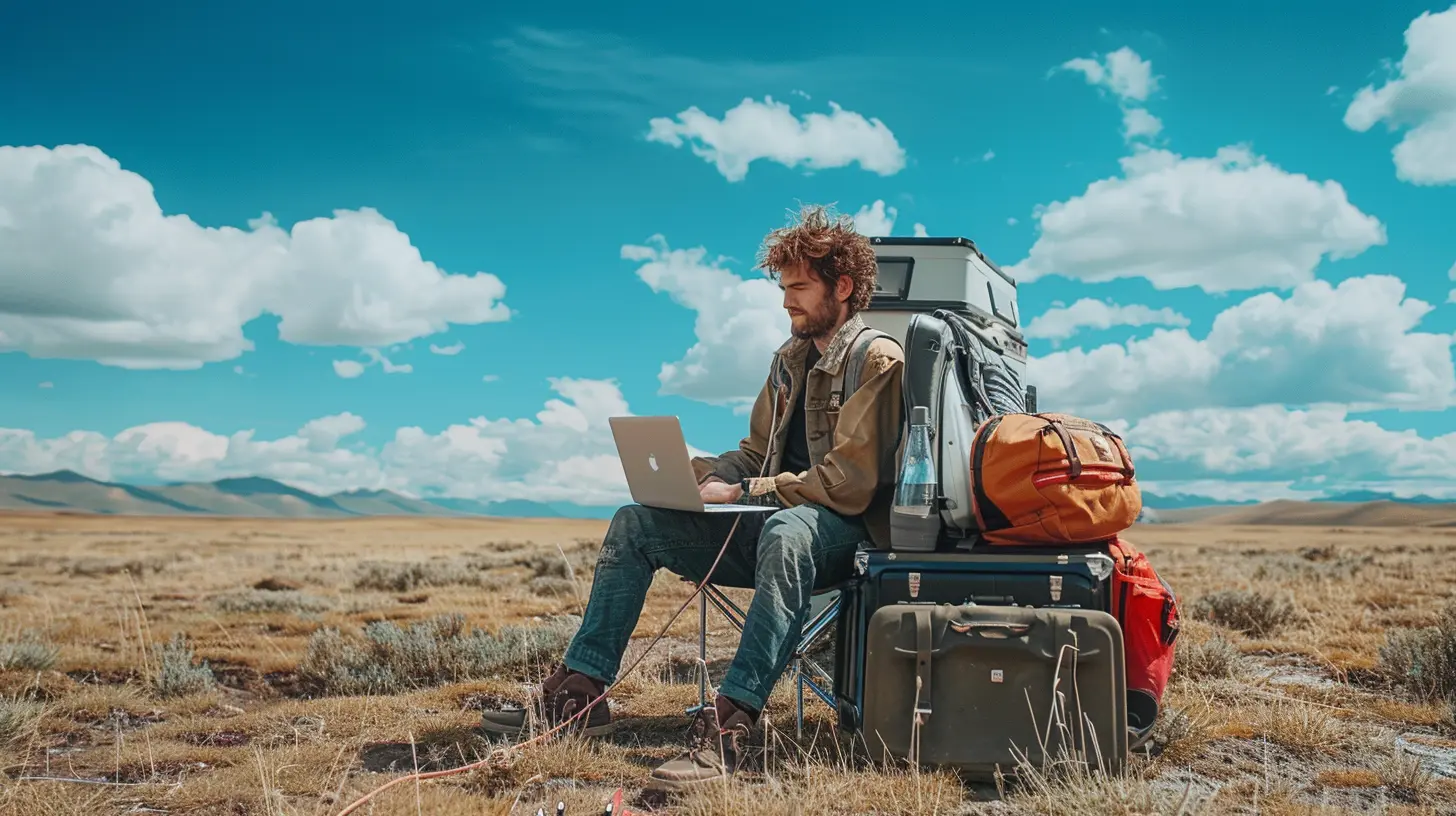
Why Internet Access Matters in Remote Destinations
Sure, the idea of unplugging sounds great in theory, but let’s be real—staying connected can be essential. Here’s why:- Emergency Situations – Having internet access could be a lifesaver if something goes wrong.
- Remote Work – If you're working while traveling, an internet blackout isn’t an option.
- Navigation & Information – Google Maps, translation apps, and travel guides are super handy.
- Staying in Touch – Whether checking in with family or posting updates, connection matters.
Now, let’s get into how you can stay connected no matter how far off the beaten path you go. 
Best Ways to Get Internet in Remote Areas
1. Portable Wi-Fi Hotspots
Portable Wi-Fi hotspots, also known as MiFi devices, are a travel essential. These small devices use cellular networks to create a personal Wi-Fi signal. Just pop in a SIM card, and you're good to go.Pros:
✅ Easy to use and set up✅ Works in many locations with cellular coverage
✅ Supports multiple devices
Cons:
❌ Requires a strong mobile signal to function❌ Data plans can get pricey
Best hotspots to consider:
- Skyroam Solis
- GlocalMe G4 Pro
- Netgear Nighthawk M1
Hotspots are fantastic for travelers who need occasional connectivity without relying on public Wi-Fi.
2. Local SIM Cards with Data Packages
If you’re traveling internationally, grabbing a local SIM card is one of the most cost-effective ways to stay connected. Most countries offer prepaid SIMs with generous data plans.How to Get One:
1. Visit a local telecom shop or kiosk upon arrival.2. Choose a plan based on your data needs.
3. Insert the SIM into an unlocked phone or hotspot device.
Pros:
✅ Generally cheaper than roaming fees✅ Often provides better coverage than international SIMs
Cons:
❌ Requires an unlocked phone❌ You’ll need a new SIM for each country
If you’re staying in one location for a while, a local SIM is a no-brainer.
3. Starlink and Satellite Internet
In extremely remote areas where cellular networks fail, satellite internet is a game-changer. Companies like Starlink by SpaceX are revolutionizing internet access in rural and off-grid locations.Why It’s Awesome:
- Works in remote spots with NO cell towers nearby- Offers decent speeds (sometimes even better than hotel Wi-Fi)
- Great for RVs, campers, and tiny homes
Downsides:
- Requires a clear view of the sky- More expensive than mobile options
- Some locations may have longer wait times for service
If you’re a serious off-grid traveler, investing in Starlink or another satellite system could be worth it.
4. Network Extenders & Signal Boosters
Sometimes, getting internet is just a matter of improving your signal. Cell signal boosters amplify weak signals, making them stronger and more reliable.Best for:
- Rural cabins and lodges
- RV travelers and road trippers
- Areas with patchy but existing coverage
How They Work:
A booster takes an existing weak signal and amplifies it for better connectivity. The WeBoost Drive Reach is one of the most popular options for travelers.Pros:
✅ Enhances weak cell signals✅ Works with most carriers
✅ No extra data plan required
Cons:
❌ Does NOT create internet—it only improves existing service❌ Useless in places with ZERO signal
If you usually find yourself “one bar away” from good service, a booster could be your best friend.
5. Leveraging Public Wi-Fi (With Caution!)
Public Wi-Fi can be a lifesaver in some areas, but it’s not always reliable—or safe. If you must use it, take some precautions:Tips for Using Public Wi-Fi Safely:
✔️ Use a VPN to encrypt your data.
✔️ Avoid accessing sensitive accounts like online banking.
✔️ Stick to trusted hotspots, such as cafes or hotels.
While public Wi-Fi is a backup option, it should never be your primary plan, especially in off-the-grid areas where service can be spotty. 
Tips for Staying Connected in Remote Areas
Now that you know your options, here are some pro tips to make the most of them:1. Check Coverage Maps Before You Go – Websites like OpenSignal or carrier coverage maps will tell you where service is strongest.
2. Bring Backup Power – A portable power bank or solar charger ensures your devices don’t die when you need them most.
3. Download Maps & Content Beforehand – If all else fails, having offline maps (like Google Maps offline mode) can be a lifesaver.
4. Consider Multiple Options – Sometimes, a combination of a local SIM, hotspot, and booster works best.
5. Let Someone Know Your Plans – If you’re truly going off-grid, let a friend or family member know your itinerary in case of emergencies. 
Final Thoughts
Going off-grid doesn’t have to mean going completely offline. Whether you’re hiking through the mountains, road-tripping through the desert, or working from a beachside bungalow, staying connected is possible with the right tools.From portable hotspots to satellite internet, there’s an option for every type of traveler. The key is planning ahead, knowing your destination’s connectivity situation, and having backup solutions in place.
Got a favorite way to stay connected in remote areas? Drop a comment and share your experience! Safe travels and happy surfing—wherever you are in the world.
all images in this post were generated using AI tools
Category:
Digital NomadAuthor:

Kelly Hall
Discussion
rate this article
2 comments
Gavin Dillon
Great tips for staying connected while exploring remote places! Essential for modern travelers. Thanks for sharing!
April 10, 2026 at 2:53 PM
Kelly Hall
Thanks for your feedback! I'm glad you found the tips helpful. Happy travels!
Zadie Morris
When traveling to off-the-grid destinations, consider local SIM cards or portable Wi-Fi hotspots for reliable internet access. Research accommodations that offer Wi-Fi, and download essential maps and apps beforehand. Always have a backup plan, like offline navigation tools, to stay connected.
April 1, 2026 at 2:47 AM
Kelly Hall
Great tips! Local SIM cards and offline tools are essential for staying connected in remote areas. Thanks for sharing!