From Jazz to J-Pop: Tokyo’s Musical Melting Pot in 2026
9 May 2026
Let me guess. You think Tokyo is all neon lights, vending machines, and people bowing at train stations. Sure, that's part of it. But if you're not tuning into the city's raw, chaotic, and downright addictive music scene, you're missing the real heartbeat of this place. In 2026, Tokyo isn't just a city that listens to music-it breathes it, fights with it, and throws it back at you like a dare. From smoky jazz joints tucked in back alleys to massive J-Pop arenas where fans scream until their voices crack, this city has more musical layers than a mille-feuille pastry. And trust me, you want a bite of every single one.
So, what's the deal with Tokyo's soundscape in 2026? It's a glorious mess of tradition and rebellion, where old-school saxophones trade licks with digital synths, and traditional shamisen strings get sampled into bass drops. If you think you know Japanese music from that one anime opening you heard on TikTok, buckle up. You're about to get schooled.
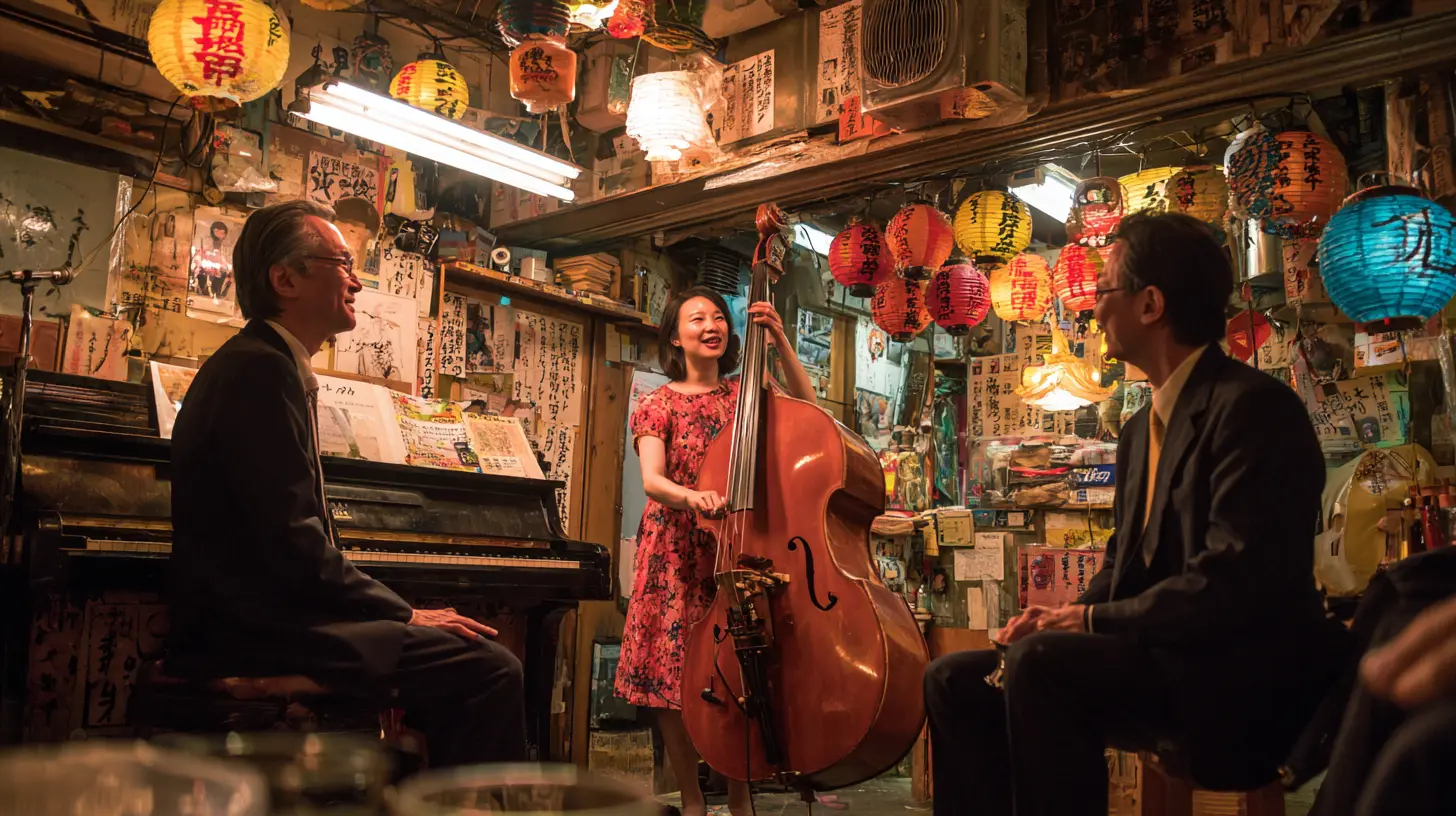
The Ghost of Jazz Past: Where Swing Still Lives
Let's start where you least expect it: jazz. Yeah, that smoky, late-night, bourbon-on-the-rocks kind of jazz. Tokyo has a love affair with it that goes back almost a hundred years. Walk into a place like the "Pit Inn" in Shinjuku or "Blue Note Tokyo" in Minato, and you'll hear ghosts of the 1920s floating through the air. But here's the twist-2026 isn't about nostalgia. It's about evolution.Young Japanese musicians are taking jazz and twisting it into something wild. Imagine a trumpet player who studied in New Orleans but grew up on Final Fantasy soundtracks. You get solos that start like a Louis Armstrong tribute and then melt into a video game melody. It's disorienting in the best way. And the crowds? They're not just gray-haired aficionados. You'll see college kids in vintage thrift-store suits, sipping whiskey like they're in a noir film, but then pulling out their phones to record a crazy improvisation. Jazz in Tokyo 2026 is a secret handshake between the past and the future. You don't just hear it-you feel it in your ribs.
Rhetorical question: When was the last time a saxophone made you want to cry and dance at the same time? In Tokyo, that's a Tuesday night.
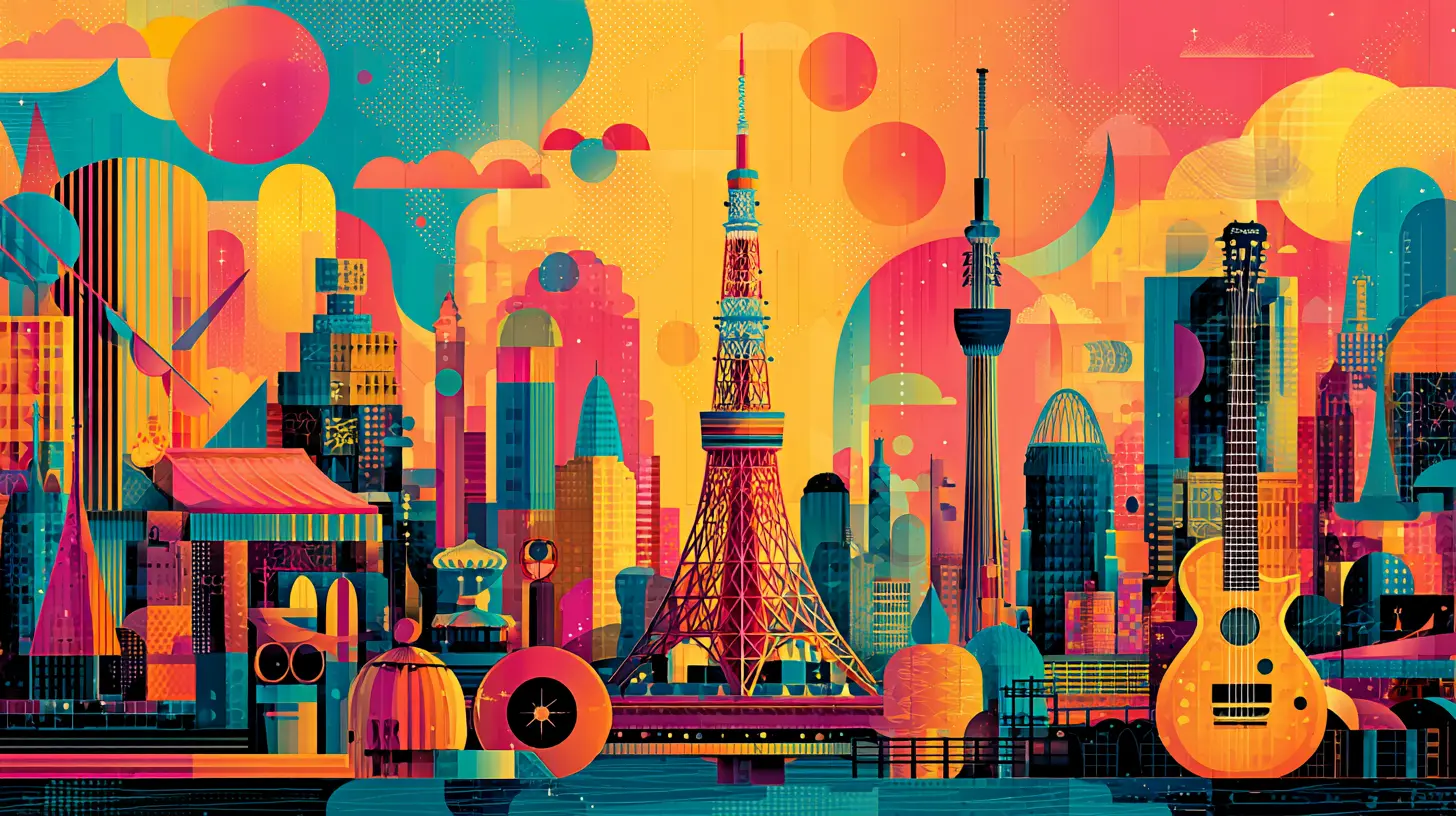
J-Pop: The Glittering Monster That Eats Everything
Now, let's flip the script completely. J-Pop in 2026 is a beast. It's not just music-it's a full-on sensory assault. Think sparkly outfits, choreography so tight it looks like a video game glitch, and hooks that lodge in your brain for days. Groups like Bish, Perfume, and the ever-present AKB48 are still dominating, but the scene has mutated. You've got virtual idols like Hatsune Miku headlining holographic concerts alongside real humans. Yeah, you read that right. In 2026, you can watch a pixelated anime girl trade vocal runs with a flesh-and-blood singer, and nobody bats an eye.But here's the sassy truth: J-Pop gets a bad rap for being "manufactured." And sure, some of it is. But walk into a live show at Tokyo Dome or the smaller Zepp venues, and you'll see something raw. The fans aren't just consumers-they're participants. They wave glow sticks in perfect sync, shout call-and-response lyrics, and treat every concert like a religious experience. It's cheesy, it's loud, and it's absolutely magnetic. You can hate the production, but you can't deny the energy. J-Pop in 2026 is a glittering monster that eats everything-rock, hip-hop, electronic, even traditional folk-and spits out pure adrenaline.
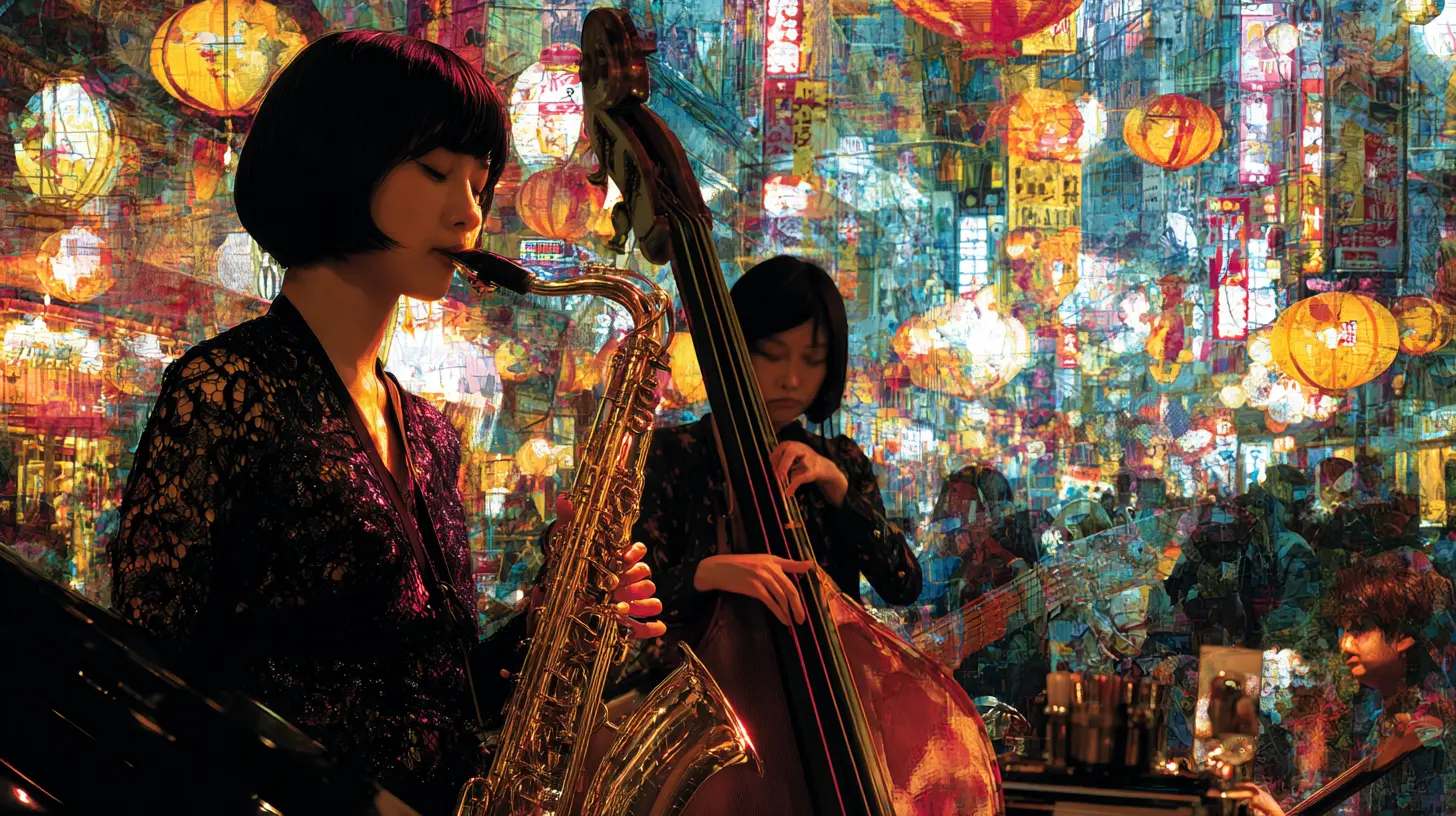
The Underground: Where Tokyo Gets Weird (And We Love It)
Okay, let's get off the beaten path. Because the real magic of Tokyo's music scene in 2026 isn't in the big venues. It's in the basements, the tiny bars, the live houses that fit maybe forty people. This is where you find the weird stuff. I'm talking about bands that mix traditional Japanese instruments like the koto and shakuhachi with heavy metal distortion. Or DJs who spin ambient noise recordings of the city's trains layered over lo-fi beats. It's experimental, it's messy, and it's totally alive.One night, I stumbled into a place in Koenji called "The Crocodile." No sign, just a red door. Inside, a three-piece band was playing what I can only describe as "cyberpunk folk." The singer played a shamisen through a wah-wah pedal, the drummer used a trash can lid, and the bassist looked like he just walked out of a 1980s anime. The crowd was a mix of salarymen, punks, and tourists who clearly got lost. And you know what? It was the best show I saw all year. That's Tokyo's underground-it doesn't care if you understand it. It just wants you to feel something.
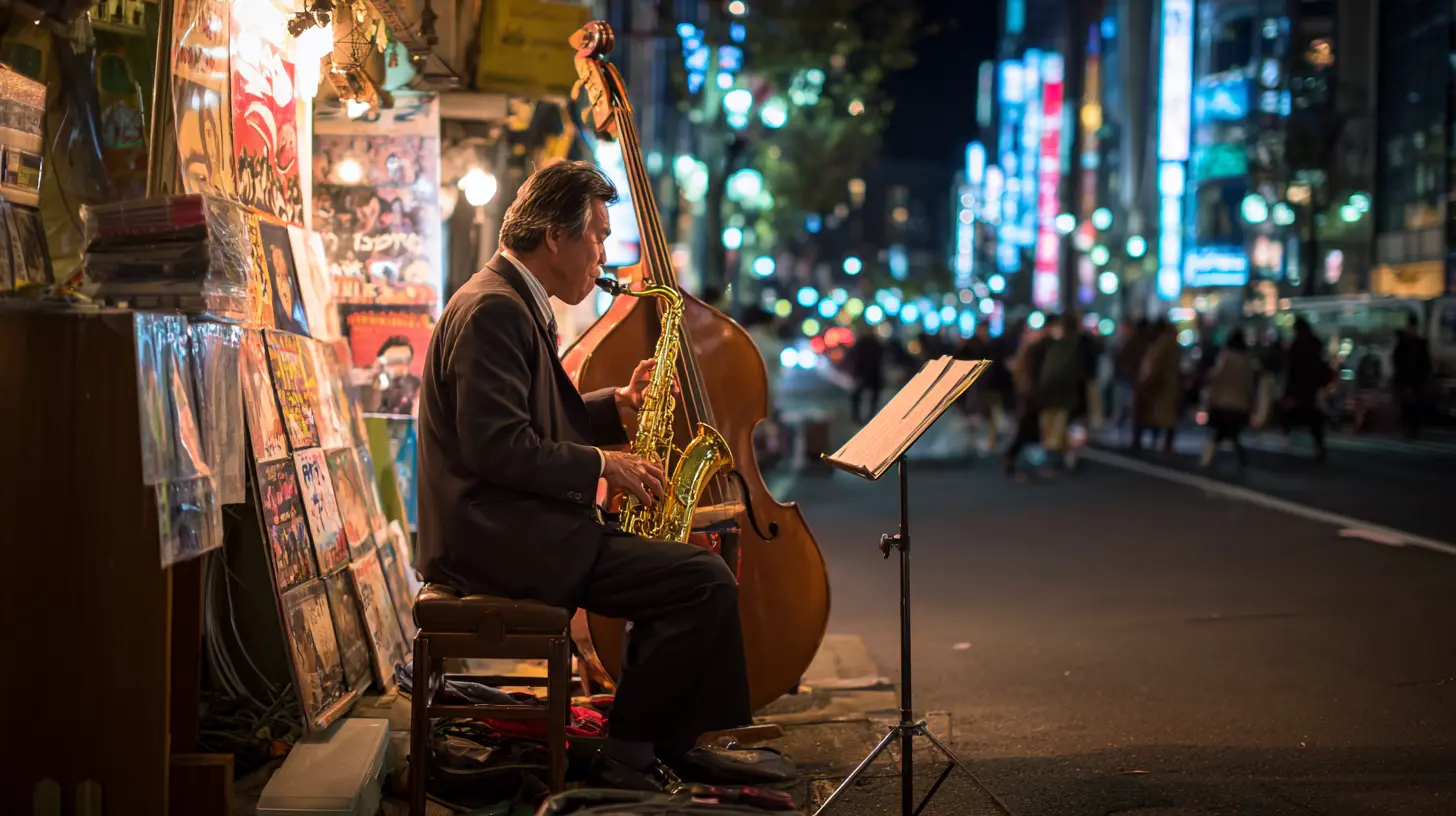
The 2026 Sound: Genre Blending on Steroids
Here's the big picture: 2026 is the year Tokyo's music scene stopped caring about labels. Jazz, J-Pop, rock, electronic, traditional-it's all fair game. You'll hear a J-Pop idol drop a verse in English over a trap beat, then the next song switches to a bossa nova groove with a flute solo. It sounds like a musical ADD episode, but it works. Why? Because Tokyo is a city of constant input. You've got the shrines, the skyscrapers, the arcades, the ramen shops-all crammed together. The music reflects that. It's a collage, not a painting.Take the band "Wednesday Campanella," for example. They've been around for a bit, but in 2026, they've gone full chaos mode. One song might be a tropical house banger about a convenience store, the next a slow-burn ballad about a train station. They sample everything from weather reports to old TV commercials. It's ridiculous, and it's genius. Or look at the rise of "City Pop" revival-that groovy, 1980s sound that's all over TikTok. In Tokyo, it's not a trend. It's a lifestyle. You'll hear it in cafes, in department stores, even in taxis. The past is never dead here-it just gets remixed.
Where to Catch the Vibe: A Sassy Guide
You're probably thinking, "Okay, cool story, but where do I actually go?" Fair question. Let me break it down for you without the boring guidebook stuff.First, skip the tourist traps in Shibuya. Yeah, the crossing is iconic, but the music there is mostly chains. Instead, head to Shimokitazawa. This neighborhood is the indie music capital of Tokyo. It's a maze of tiny venues, vintage record shops, and cafes that double as listening bars. You'll find everything from punk to folk to experimental noise. Just follow the sound of a guitar that's slightly out of tune-you'll land somewhere good.
If you want J-Pop spectacle, go to Odaiba. The Zepp Tokyo venue there is a beast, and the crowds are insane. Bring earplugs if you value your hearing. For jazz, hit up Kichijoji. It's a little west of central Tokyo, but it's worth the train ride. Places like "Sometime" have been around for decades, and the musicians there treat every note like it's their last. And if you want something truly bizarre, check out Nakano Broadway. It's a shopping mall full of otaku culture, but hidden on the upper floors are tiny live houses where you might catch a virtual idol concert or a noise band that uses power tools as instruments. No joke.
The Tech Twist: AI, Holograms, and the Future
Let's talk tech, because 2026 Tokyo is a tech playground. AI isn't just writing songs here-it's performing them. You'll see holographic singers that look so real you forget they're not human. The Vocaloid scene, which started as a niche geek thing, is now mainstream. Hatsune Miku has her own tour bus. Seriously.But here's the kicker: the human musicians are fighting back. In 2026, there's a growing movement of "analog resistance." Bands that refuse to use any digital effects, playing only acoustic or vintage electric gear. They're doing it as a statement-to prove that real sweat and breath still matter. And the audience loves it. You get this beautiful tension between the hyper-digital and the hyper-real. One night you're at a show where the singer is a hologram, the next you're in a basement watching a drummer sweat through his shirt. Tokyo doesn't pick sides. It lets both exist, and that's what makes it so damn exciting.
Why You Should Care (Even If You Hate Crowds)
I get it-big cities can be overwhelming. Tokyo especially. But music is the shortcut. You don't need to speak Japanese to understand a killer guitar riff or a perfect harmony. The city's musical melting pot in 2026 is an invitation. It's saying, "Come as you are, leave your expectations at the door, and let the sound wash over you." Whether you're a jazz purist, a J-Pop fanatic, or someone who just wants to hear something new, Tokyo has a corner for you.And honestly? The best part is the unpredictability. You can plan your whole itinerary, but the real magic happens when you wander. When you hear a saxophone from a basement window and decide to follow it. When you stumble into a tiny bar where an old man plays a piano that's older than your parents. That's Tokyo in 2026-a city that never stops playing.
The Final Note: A City That Remixes Itself
So, what's the takeaway? Tokyo's music scene in 2026 is a living, breathing organism. It takes the old and the new, the East and the West, the analog and the digital, and it shakes them up in a cocktail that's equal parts chaos and beauty. It's not about genre purity-it's about fusion. It's about a jazz trumpeter nodding to a J-Pop idol as they pass on the street. It's about a shamisen player sampling a beat from a video game. It's about a city that refuses to be boxed in.If you visit Tokyo in 2026, don't just look at the lights. Listen. Listen to the subway busker playing a violin cover of a Vocaloid song. Listen to the salaryman humming a jazz standard on his way home. Listen to the teenagers blasting City Pop from a Bluetooth speaker in Yoyogi Park. That's the real Tokyo-a melody that never ends, a rhythm that keeps changing, and a song that belongs to everyone.
Now go. Find your sound. Tokyo's waiting.
all images in this post were generated using AI tools
Category:
Local Music ScenesAuthor:

Kelly Hall
Discussion
rate this article
1 comments
Tracie McGee
Tokyo's music scene in 2026 is a vibrant mix, blending jazz, J-Pop, and more. A must-visit for music lovers everywhere!
June 7, 2026 at 3:51 PM
Kelly Hall
Thanks for the insight! Tokyo's music scene truly offers something for everyone.