How Local Bands Shape Sydney's Nightlife in 2027
5 May 2026
You know that feeling when you walk into a pub on a Tuesday night, and the air has that specific buzz? Not the pre-planned, corporate kind of buzz, but the real one. The one that comes from a room full of strangers all leaning in, listening to something raw and new. That is the sound of 2027 in Sydney. The city's nightlife has always been a shapeshifter, but right now, local bands are not just part of the scene. They are the scene.
Let me take you on a walk through the suburbs and the city center to see how these musicians are rewriting the rules of a night out. Forget the mega-clubs with their DJs and laser shows for a second. The real pulse of Sydney after dark is coming from sweaty basements, converted warehouses in Marrickville, and the back rooms of old-school pubs in Newtown.
The Death of the "One-Size-Fits-All" Nightclub
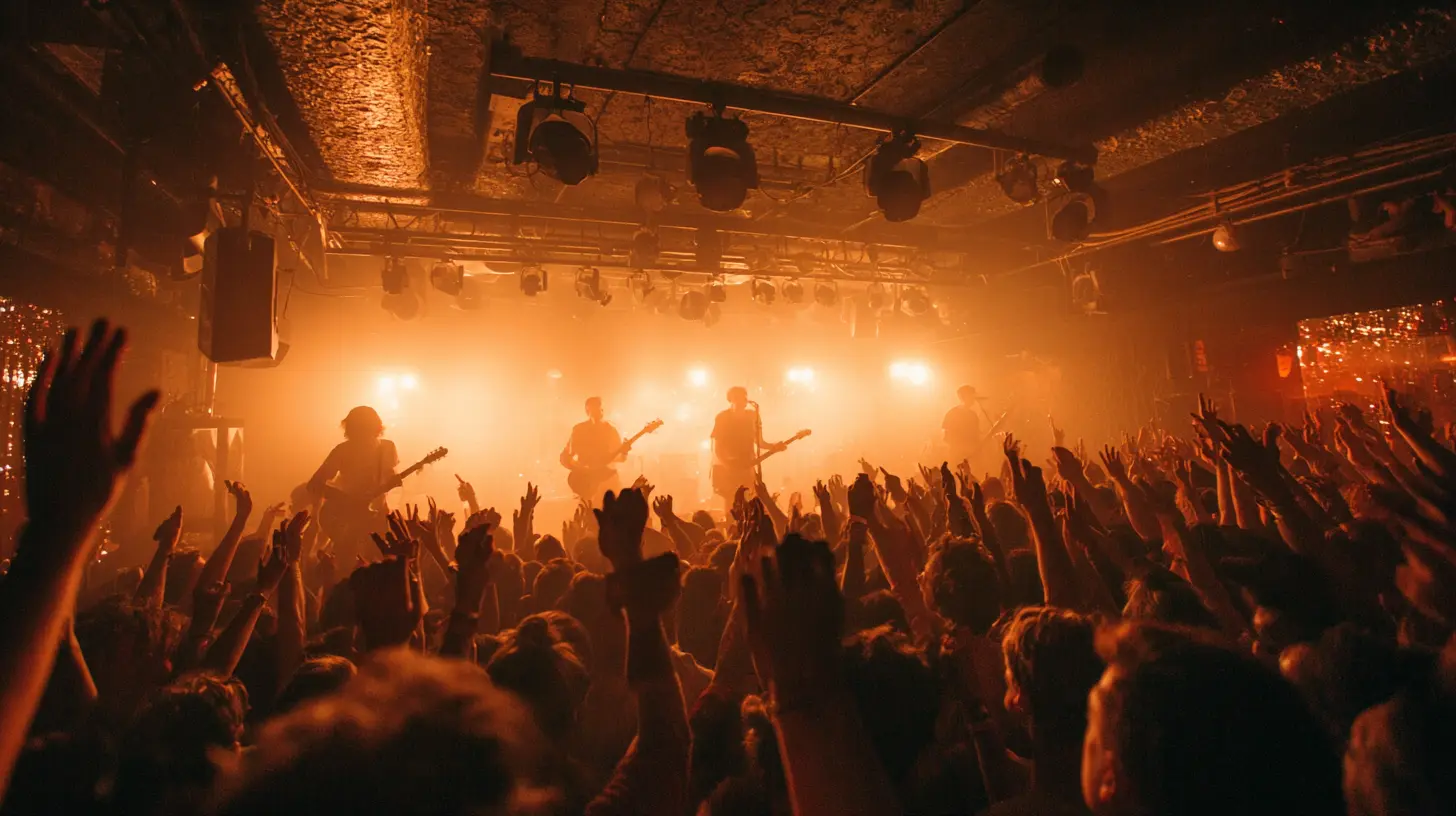
For years, Sydney nightlife was about going to a big venue, paying a cover charge, and hoping the music was good. It was passive. You were a consumer. In 2027, that model is dying, and local bands are the ones holding the shovel.Why? Because people are hungry for connection. We are tired of scrolling through curated feeds. We want to be in a room with someone who is making a mistake, hitting a wrong note, and then laughing it off. That is human. That is real. Local bands offer a live, unpredictable experience that no algorithm can replicate.
Think of it this way: a DJ set is a perfectly polished, pre-recorded movie. A local band is a live play. You might see a stumble, a moment of pure joy, or a spontaneous jam that will never happen again. That imperfection is the gold. In 2027, Sydneysiders are choosing the live play over the blockbuster. They want to see the sweat on the guitarist's brow. They want to feel the bass in their chest, not just hear it through a speaker.
The Suburbs Are the New Epicenter
If you think Sydney nightlife is just about the CBD and Kings Cross, you are living in the past. The real action in 2027 is in the 'burbs. Specifically, the Inner West.Places like the Lansdowne Hotel in Broadway, the Vic on the Park in Enmore, and the Lazy Bones in Marrickville are not just venues. They are community hubs. Local bands have turned them into destinations. You do not go to Marrickville for a fancy cocktail. You go to see a three-piece punk band that sounds like they just crawled out of a garage, and you want a cheap beer in your hand while you do it.
This shift has changed the entire economy of a night out. Instead of spending $100 on a taxi and cover charges, you can walk to your local, see three bands for a tenner, and be home by midnight. It is more accessible. It is more sustainable. And it is creating micro-communities all over the city. Each suburb now has its own sound. The surf-rock bands of the Northern Beaches sound completely different from the post-punk acts of the Inner West. That diversity is what makes Sydney's nightlife in 2027 so rich.
The "Listen First" Economy
Here is a weird thing that has happened. In 2027, people are actually listening again. I know, crazy concept. But local bands have trained their audiences to do something that streaming services cannot: pay attention.A few years ago, everyone had their phones out, filming the whole set. Now? More and more venues are putting up "No Phone" signs or having the band ask for a "phone-down" first song. It creates a weirdly intimate vibe. You are not watching a concert through a tiny screen. You are watching it with your actual eyes.
This has made the live music experience more valuable. People are willing to pay for tickets because they know they are buying a moment, not just background noise. Local bands have become masters of the "listening room" concept. They build sets with dynamics. They go from whisper-quiet to deafening loud. They take you on a journey. And the audience is along for the ride, not distracted by Instagram notifications.
The DIY Scene Is a Force of Nature
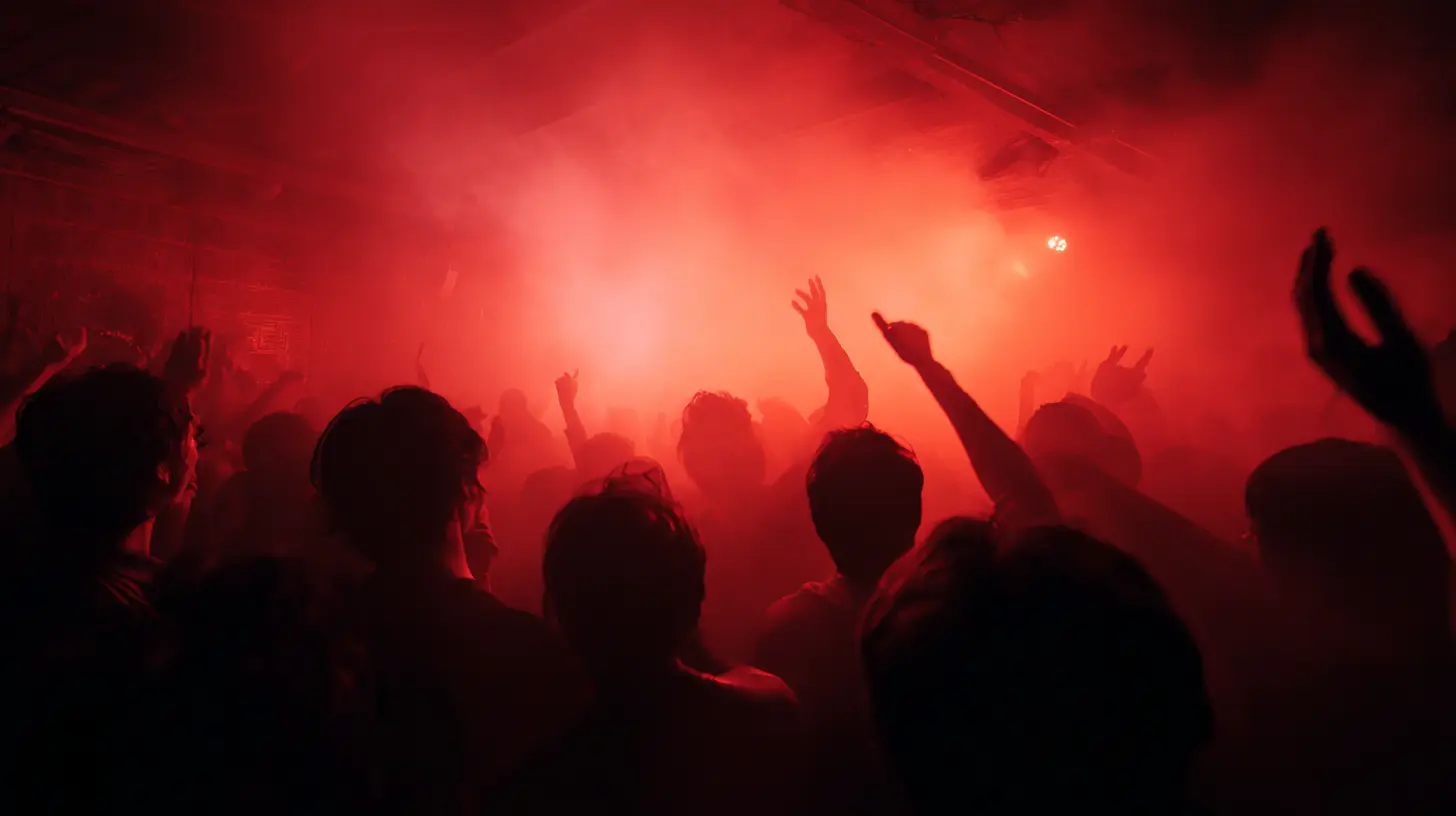
Let me tell you about the house shows. In 2027, they are everywhere. Not just illegal raves in warehouses, but proper organized gigs in someone's living room or backyard. The DIY scene is the engine that fuels the rest of the industry.These shows are gritty. The sound might be a bit rough. The PA system might be two mismatched speakers. But the energy is unmatched. Local bands use these spaces to experiment. They try out new songs. They fail. They succeed. They build a following one sweaty house show at a time.
What is beautiful is that these shows are often all-ages. That is a huge deal. For years, Sydney's nightlife was closed off to anyone under 18. But the DIY scene has opened the door. Teenagers can go see a band in a backyard in Glebe without needing a fake ID. This is how you build the next generation of music fans. It is also how you build the next generation of musicians. Every big band in Sydney started in a room like that.
Technology and the "Hyper-Local" Fan
You might think local bands would hate technology. They are competing with the entire world on Spotify, right? Wrong. In 2027, local bands have weaponized technology to get people off their couches and into venues.They use hyper-local marketing. Forget billboards. They post in neighborhood Facebook groups. They put up posters at the local bakery. They text their fans directly through platforms like BandLab or Discord. The connection is personal.
Imagine this: you are scrolling through your phone, and a band you saw last month sends a voice note saying, "Hey, we are playing at the Union Hotel tomorrow. We are trying out a new song. Come hang." That feels like a friend inviting you out, not a corporate ad. That is the power of the local band in 2027. They are not distant stars. They are your neighbors who happen to be really good at playing guitar.
This personal touch has made the nightlife scene more resilient. When a big, faceless nightclub closes, nobody cries. But when the MoshPit Bar in Newtown almost closed last year, the community raised money to save it. Why? Because it is the home of local bands. It is a sacred space. People protect what they love.
The Sound of Sydney in 2027
So what does a local band in Sydney actually sound like right now? It is a mix. You have the surf-rock revival, with bands that sound like they are chasing the perfect wave. You have the electronic-infused indie acts, blending live drums with synthesizers. And you have a massive punk and hardcore scene that is louder and angrier than ever, reacting to the cost-of-living crisis and the housing market.But the common thread is authenticity. Nobody is trying to sound like they are from London or Los Angeles. They sound like Sydney. They sing about the humidity, the traffic on the M5, the weird vibe of Bondi on a Sunday, and the beauty of a sunset over the Harbour. They are writing the soundtrack to our lives, right here, right now.
This authenticity is what draws people in. You can tell when a band is faking it. And in 2027, the Sydney audience has zero tolerance for fakes. They want the real deal. They want the band that shows up in a van, loads their own gear, and drinks a beer with you after the set.
The Economic Ripple Effect
Let me get a little practical here. Local bands are not just artists. They are small businesses. And they are driving a massive part of Sydney's nightlife economy.Think about it. A local band needs a venue. The venue needs a sound engineer. The sound engineer needs a lighting tech. The band needs a merch printer. They need a photographer. They need a graphic designer for their posters. That is a whole ecosystem of jobs. Every time a local band books a show, they are putting money into the pockets of at least a dozen people.
And then there is the audience. When you go see a local band, you are not just paying for the ticket. You are buying a drink at the bar. You might grab a pizza afterwards. You might buy a t-shirt. You are spending money in your local economy. In 2027, this is more important than ever. The nightlife industry is fragile. The pandemic nearly killed it. But local bands have been the immune system, helping it heal and grow stronger.
Why You Should Give a Damn
If you are reading this and thinking, "I am not really into live music," I get it. It can be loud. It can be crowded. But I promise you, there is a local band in Sydney that will change your mind.Maybe it is the jazz trio playing in a quiet wine bar in Surry Hills. Maybe it is the folk singer-songwriter with a voice like honey at the Brass Monkey in Cronulla. Maybe it is the heavy metal band that makes you want to punch the air. The beauty of 2027 is that there is something for everyone.
Go to a show. Not a big arena show. A small one. Stand at the front. Watch the drummer's face as they hit the crash cymbal. Watch the bass player lock eyes with the guitarist. You will feel something. You will feel part of something bigger than yourself.
That is what local bands do. They take a city of five million people and make it feel like a small town. They turn strangers into friends. They turn a Tuesday night into an event.
The Future Is Live
As we move further into 2027, the trend is clear. The future of Sydney nightlife is not in a bottle or a VIP section. It is on a stage, no matter how small. Local bands are the architects of this new world. They are building it one chord, one gig, one sweaty room at a time.So next time you are looking for something to do, skip the club. Skip the pub with the pokies. Find a local band. Go see them. Buy their merch. Tell them you liked their set. You will be surprised how much it means to them. And you will be surprised how much it means to you.
Because in 2027, the best night out in Sydney is the one where you leave with a ringing in your ears and a smile on your face, knowing you just witnessed something that can never be replicated. That is the power of local bands. That is the heart of Sydney after dark.
all images in this post were generated using AI tools
Category:
Local Music ScenesAuthor:

Kelly Hall
Discussion
rate this article
1 comments
Valentina Coffey
What a fascinating look at Sydney's vibrant music scene! It's incredible to see how local bands are not just enhancing nightlife but also fostering community connections. I love the idea of supporting homegrown talent. Looking forward to experiencing this evolution firsthand!
May 6, 2026 at 2:14 PM
Kelly Hall
Thanks for your kind words! It's exciting to see the local music scene thrive and bring people together. Enjoy the shows!