How South Korea’s Traditional Hanbok is Making a Comeback by 2027
24 April 2026
You’ve probably seen it in K-dramas: a woman in a flowing, vibrantly colored hanbok walking through a palace courtyard, her skirt billowing like a painter’s brushstroke against the gray Seoul sky. Or maybe you’ve spotted it on Instagram—tourists posing in rented hanbok at Gyeongbokgung Palace, their outfits looking like they were plucked straight from the Joseon Dynasty. But here’s the thing: that hanbok you’re seeing isn’t just a costume for vacation snaps. It’s a cultural phoenix, rising from the ashes of fast fashion and Western influence. By 2027, South Korea’s traditional attire is not just surviving—it’s thriving, evolving, and rewriting its own story. Let’s dive into why this comeback is real, raw, and undeniably cool.
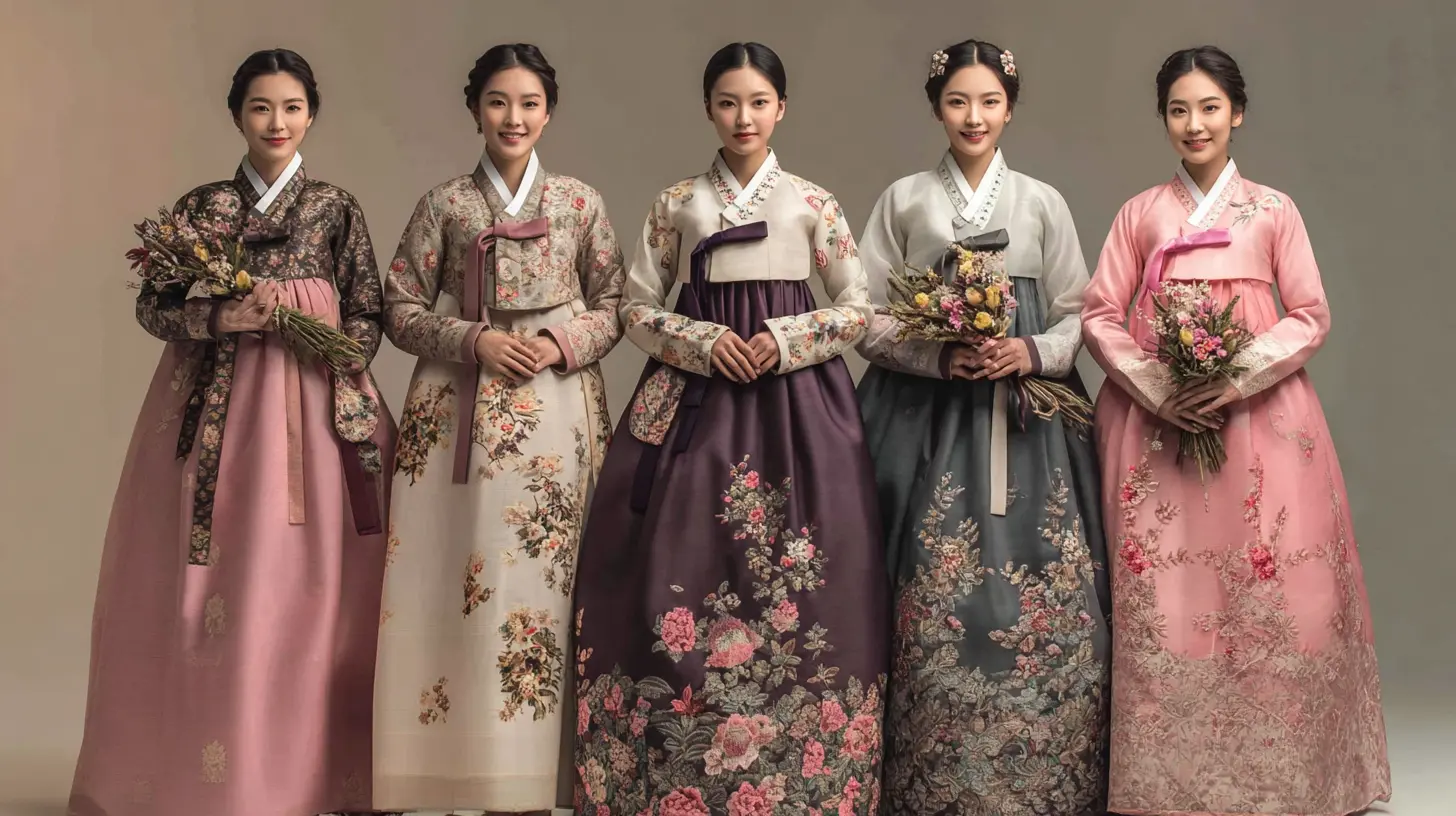
The Hanbok’s Near-Death Experience: Why It Almost Faded Away
Let’s be honest: thirty years ago, wearing a hanbok in daily life felt like wearing a corset to a soccer game. It was beautiful but impractical. The traditional hanbok—with its long jeogori (jacket), voluminous chima (skirt for women), and baggy baji (pants for men)—was designed for a slower, agrarian lifestyle. By the 1990s, Koreans had traded their hanbok for jeans, suits, and K-pop-inspired streetwear. The garment became a relic, pulled out only for weddings, Lunar New Year, or Chuseok (harvest festival). It was like a dusty family heirloom you respect but never use.But here’s the kicker: the hanbok didn’t die. It went underground. Designers started experimenting, blending traditional silks with modern cuts. Celebrities like BTS’s RM and actress Bae Suzy wore hanbok-inspired outfits on red carpets, sparking quiet curiosity. Then, in 2023, a seismic shift happened. The South Korean government declared 2024-2025 as the “Hanbok Promotion Period,” aiming to boost exports and domestic use. Fast forward to 2027, and we’re seeing a full-blown renaissance. Why? Because the hanbok learned to adapt without losing its soul.
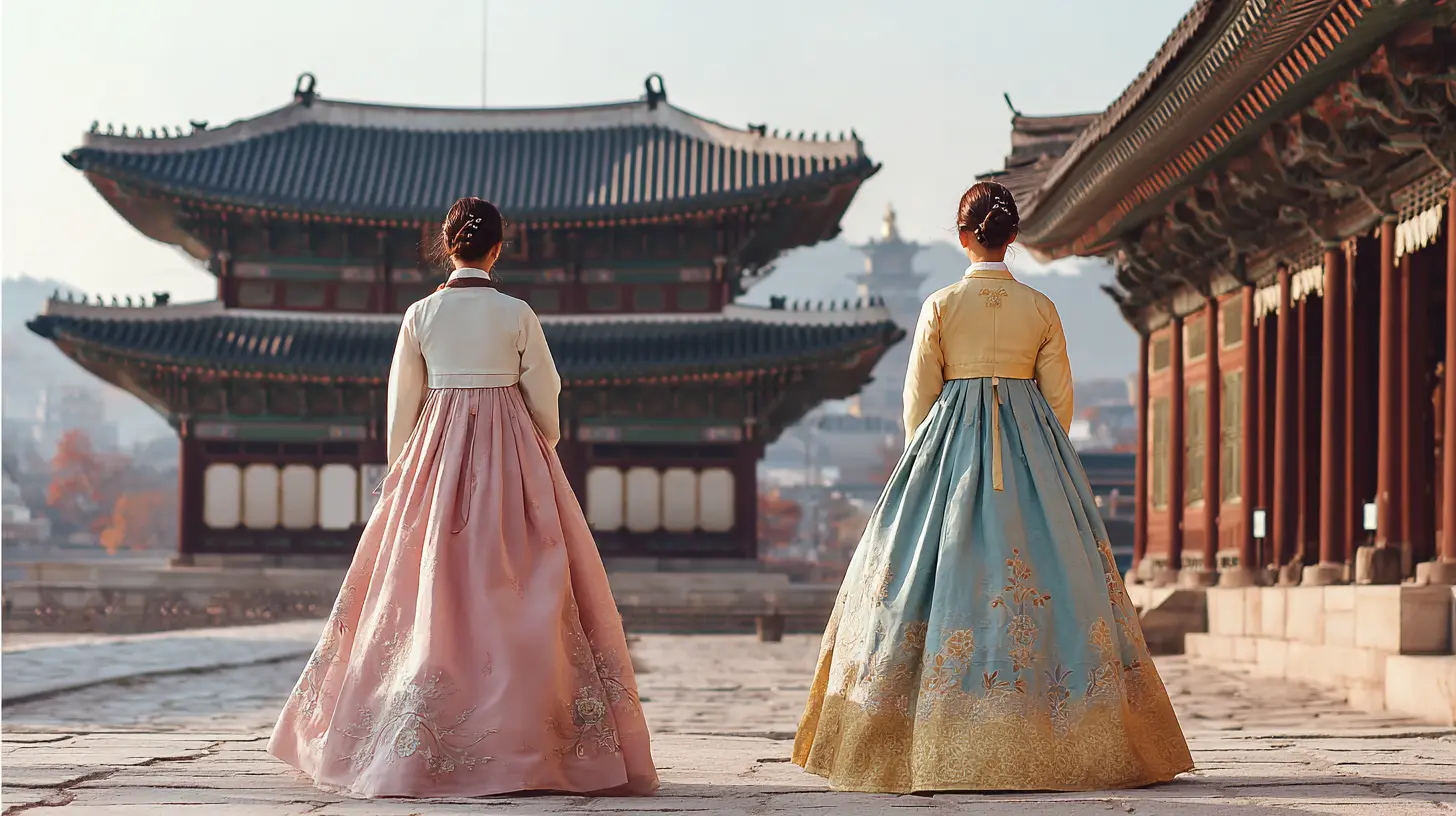
The 2027 Hanbok Revolution: Not Your Grandmother’s Silhouette
Picture this: you’re walking through Hongdae, Seoul’s youth hub, and you spot a group of 20-somethings in hanbok—but not the stiff, historical kind. Their jeogori are cropped, their chima are asymmetrical, and they’re paired with chunky sneakers and crossbody bags. This is the “New Hanbok,” a hybrid that respects tradition but screams modernity. By 2027, designers like Kim Seon-young and Lee Young-hee have cracked the code: make it wearable, make it Instagramable, and make it theirs.The Three Pillars of the Comeback
1. Fusion Fashion: Think hanbok meets streetwear. Brands like DANHA and Leesle are crafting hanbok with zippers, pockets, and stretchy fabrics. Women’s skirts now hit above the ankle for easier walking, and men’s pants are tapered but still flowy. It’s like taking a classic car and giving it a Tesla engine—still recognizable, but built for today’s roads.2. Celebrity Endorsements: When BLACKPINK’s Jennie wore a custom black hanbok to a 2026 Paris Fashion Week event, the internet exploded. Suddenly, hanbok wasn’t just “traditional”—it was haute couture. K-dramas like The King’s Affection and Mr. Sunshine normalized hanbok on screen, but idols and actors wearing it off-screen made it aspirational.
3. Government Backing: The Korean Cultural Heritage Administration is funding hanbok workshops in high schools. By 2027, over 40% of Korean youth have tried making a hanbok in class. It’s like teaching kids to bake bread—they might not do it daily, but they’ll never forget the smell.
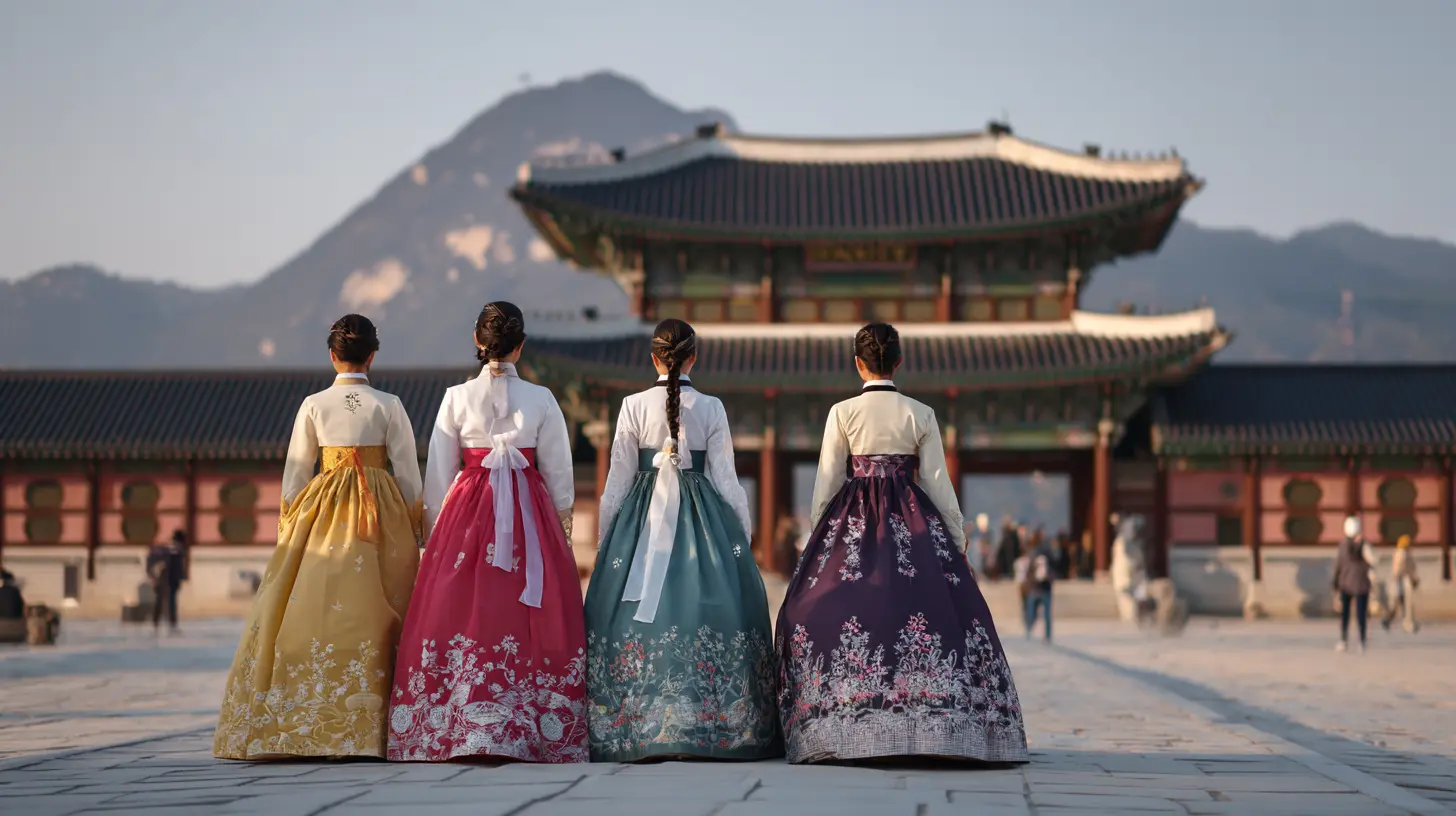
Why Tourists Are the Unsung Heroes of This Revival
Let’s talk about you—the traveler. You’re the reason hanbok rental shops are popping up like coffee shops in Myeongdong. In 2025 alone, over 12 million tourists rented hanbok in Seoul, according to the Korea Tourism Organization. That’s a 60% jump from 2022. But here’s the twist: these tourists aren’t just wearing hanbok for photos. They’re learning about the symbolism behind the colors (red for passion, blue for serenity) and the intricate embroidery (cranes for longevity, lotus flowers for purity). They’re becoming ambassadors.The Psychology of Wearing Hanbok as a Tourist
Have you ever worn a costume that made you feel like a different person? That’s the hanbok effect. When you slip into that chima, you’re not just a visitor—you’re a time traveler. You understand why Korean grandmothers insist on silk ties for jeogori. You feel the weight of history on your shoulders (literally, if you go for the heavy brocade). Tourists are sharing these experiences on TikTok, YouTube, and Instagram, using hashtags like #HanbokLife and #Korea2027. The result? Hanbok is becoming a global fashion statement, not just a cultural artifact.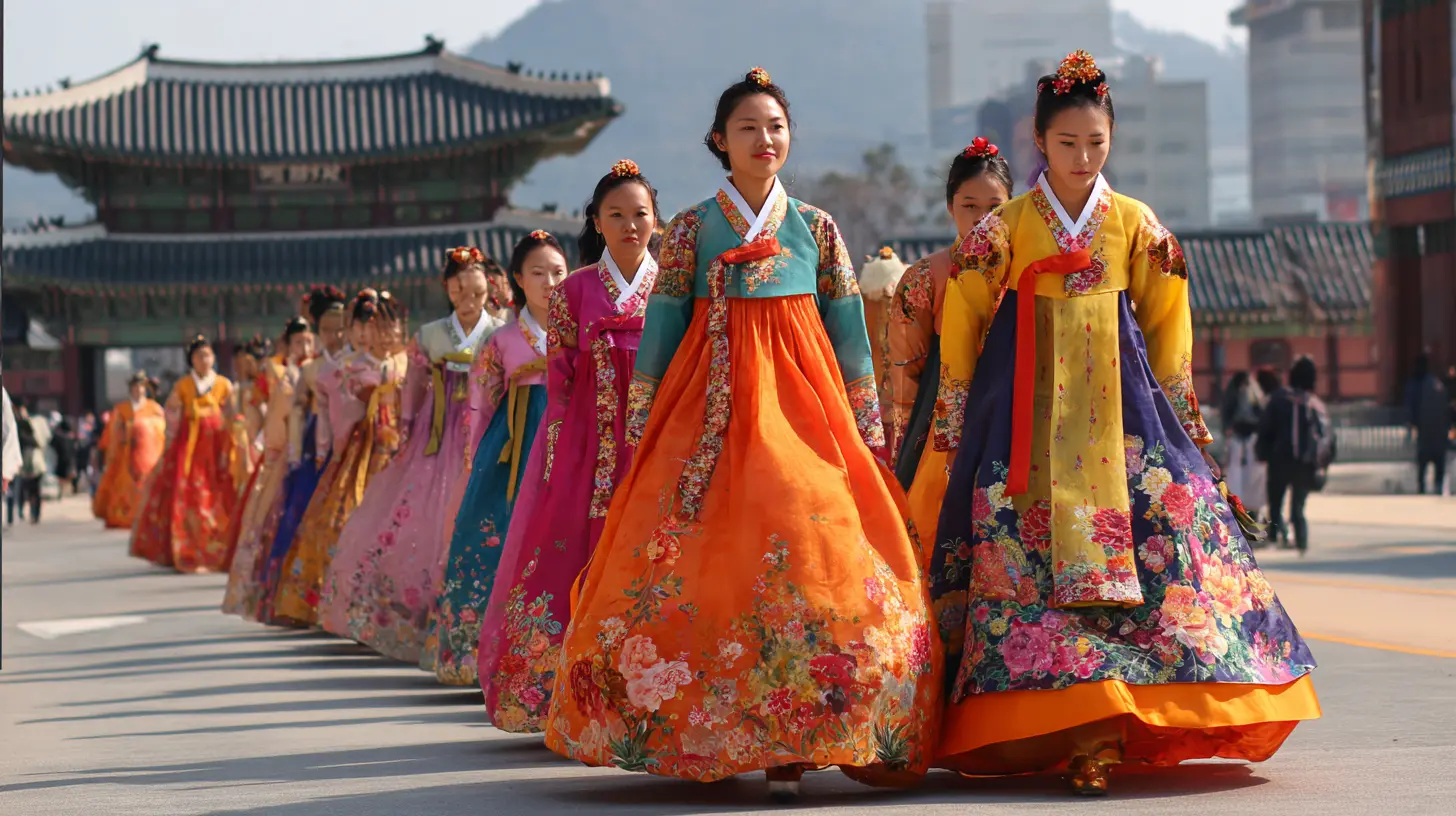
The Economic Ripple Effect: Hanbok Goes Global
By 2027, the hanbok industry is projected to hit $2.3 billion in revenue, up from $800 million in 2020. That’s not just from domestic sales. Exports to the U.S., Japan, and even Europe have skyrocketed. High-end retailers like Dior and Gucci have released hanbok-inspired collections, but here’s the irony: the real money is in affordable hanbok. Online marketplaces like Coupang and Gmarket sell daily-wear hanbok for under $50, making it accessible to everyone.The “Hanbok-ification” of K-Culture
Think of it like this: just as kimchi went from a side dish to a global superfood, hanbok is moving from “costume” to “closet staple.” In 2026, a Seoul-based startup launched HanbokBox, a subscription service that delivers a new hanbok every month. It’s like Stitch Fix for traditional wear. Meanwhile, Hyundai Department Store now has dedicated hanbok sections alongside Armani and Prada. The message is clear: tradition isn’t a museum piece—it’s a business opportunity.The Social Media Tsunami: How TikTok and Instagram Fueled the Fire
Let’s be real: without social media, the hanbok comeback would be a whisper, not a roar. In 2024, a video of a Korean toddler in a miniature hanbok dancing to NewJeans’ “Super Shy” went viral with 50 million views. By 2027, the #Hanbok hashtag on TikTok has over 8 billion views. But it’s not just about the look—it’s about the story. Influencers are explaining the meaning behind the geumbak (gold leaf patterns) or showing how to tie the otgoreum (ribbon). They’re making education entertaining.The “Hanbok Challenge” Phenomenon
Remember the Ice Bucket Challenge? Replace ice with hanbok. In 2025, a global trend called the “Hanbok Challenge” emerged: influencers wore hanbok to unexpected places—a McDonald’s in New York, a beach in Bali, a subway in Tokyo. The juxtaposition was jarring and beautiful. It broke the stereotype that hanbok is only for palaces or weddings. Suddenly, wearing hanbok to a grocery store was a statement: “I am Korean, and I am proud.”
The Environmental Angle: Hanbok as Sustainable Fashion
Here’s a plot twist you didn’t see coming: the hanbok revival is partly an eco-friendly movement. Fast fashion is destroying the planet, and people are desperate for alternatives. Traditional hanbok is made from natural fibers like ramie, hemp, and silk—biodegradable and durable. A well-made hanbok can last decades. Compare that to a $10 T-shirt that disintegrates after three washes. By 2027, sustainability influencers are championing hanbok as a “slow fashion” hero. Brands like Museum Hanbok are even using upcycled fabrics from discarded bojagi (wrapping cloths). It’s fashion with a conscience.The “One Hanbok, Ten Lives” Movement
Imagine owning a garment that your grandchild could wear. That’s the hanbok promise. In 2026, a Seoul-based collective launched “Hanbok Heirlooms,” a program where families pass down hanbok through generations, adding modern touches (like adjustable waistbands) to keep them relevant. It’s the antithesis of disposable fashion. And it’s catching on: secondhand hanbok markets on Joonggonara (Korea’s Craigslist) have seen a 300% increase since 2023.The Challenges: Why the Comeback Isn’t Perfect
Let’s not sugarcoat it: the hanbok revival has its critics. Some traditionalists argue that the “New Hanbok” is a bastardization—too short, too tight, too fast. They worry that the spiritual essence of the hanbok (its connection to Confucian values of modesty and harmony) is being sacrificed for likes and clicks. There’s also a class issue: high-quality hanbok can cost thousands of dollars, creating a “hanbok divide” between those who can afford authentic silk and those who settle for polyester replicas.The “Cultural Appropriation” Question
As hanbok goes global, non-Koreans are wearing it—and not always respectfully. In 2025, a U.S. fashion show featured models in “hanbok-inspired” outfits that were actually distorted versions of mongol or qipao styles. Koreans called it out. The debate is messy, but the hanbok community is fighting back with education. By 2027, hanbok rental shops in Seoul offer free 10-minute lessons on cultural etiquette: “Don’t wear it backward,” “Don’t lift the skirt too high,” “Respect the durumagi (overcoat) as formal wear.”
The Future: Hanbok in 2030 and Beyond
So, is the hanbok comeback a fad or a forever trend? I’d argue it’s the latter. By 2027, hanbok is already integrated into daily Korean life. School uniforms are incorporating hanbok elements (think jeogori-style blazers). K-pop groups are wearing hanbok for music videos, not just award shows. Even the Korean military has introduced a “hanbok day” for off-duty soldiers. The next step? Global adoption. Expect to see hanbok at weddings in Brazil, graduations in Nigeria, and fashion weeks in Milan.The Role of Technology
Imagine a hanbok that changes color based on your mood—sound like sci-fi? By 2027, smart hanbok is a real prototype. Designers are embedding LED lights into silk, creating garments that glow in sync with music. There’s even a hanbok with built-in air conditioning (because those summer palace tours are brutal). Technology isn’t diluting the tradition; it’s extending its life.Why You Should Care (Even If You’re Not Korean)
Here’s the heart of it: the hanbok comeback is a masterclass in cultural resilience. It’s proof that tradition doesn’t have to die—it can evolve. It’s a reminder that fashion is never just about fabric; it’s about identity, pride, and belonging. When you see a hanbok in 2027, you’re not just seeing a garment. You’re seeing generations of Koreans saying, “We are still here, and we are still beautiful.”So, the next time you scroll past a hanbok photo on your feed, stop. Zoom in. Notice the embroidery, the color, the cut. And ask yourself: What tradition in my own culture could use a comeback? Because if Korea can bring back a 600-year-old dress and make it cool, maybe we all can.
all images in this post were generated using AI tools
Category:
Local TraditionsAuthor:

Kelly Hall
Discussion
rate this article
2 comments
Lys McConnell
The resurgence of Hanbok beautifully showcases South Korea's rich heritage, blending tradition with modern flair. A must-experience cultural revival!
April 26, 2026 at 2:55 AM
Kelly Hall
I'm glad you appreciate the revival of Hanbok. It truly represents the fusion of South Korea's heritage and contemporary style. Exciting times ahead!
Ranger Williams
As the vibrant threads of history weave through modernity, the resurgence of Hanbok whispers secrets of culture and identity, inviting wanderers to uncover the stories hidden within each fold by 2027. What will you discover?
April 25, 2026 at 3:12 AM