How to Avoid Burnout While Working Remotely on the Road
23 January 2026
Working remotely while traveling sounds like the dream, right? Being able to work from a beachside café in Bali or a mountain lodge in the Swiss Alps? But let’s be real—while the digital nomad lifestyle is exciting, it also comes with a unique set of challenges. One of the biggest? Burnout.
When your office is anywhere with a Wi-Fi connection, the lines between work and play blur, making it easy to overwork yourself. If you're not careful, burnout can sneak up on you, zapping your productivity and draining the joy from your adventures.
So, how do you balance work and travel without feeling exhausted all the time? Keep reading for practical strategies to help you stay refreshed, productive, and stress-free while working remotely on the road. 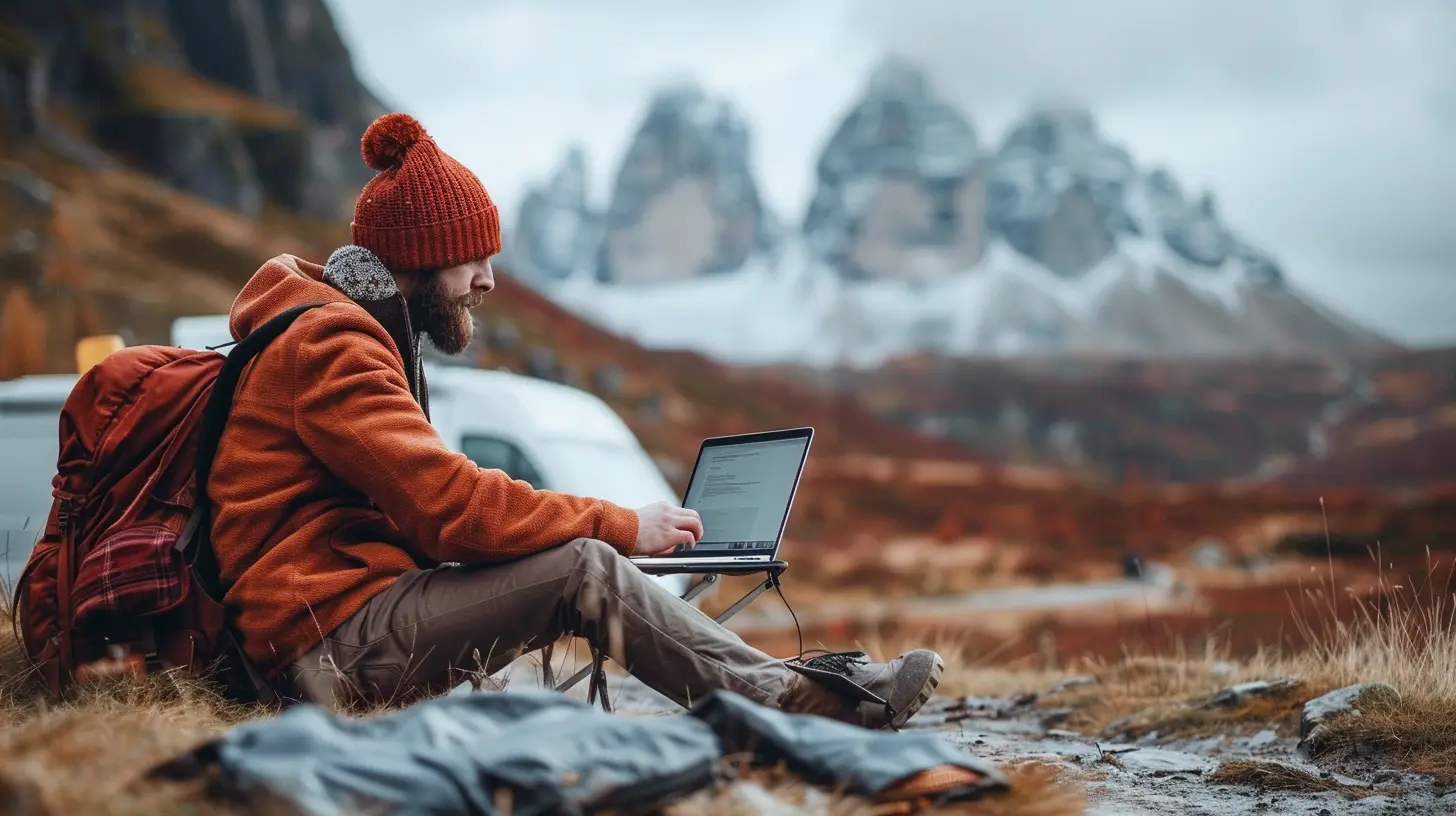
1. Set Firm Work Boundaries
One of the biggest pitfalls of remote work is the temptation to be always on. When your office is your Airbnb or a co-working space, it’s easy to slip into a cycle of endless work.How to Set Clear Work Boundaries:
- Create a work schedule and stick to it. Define your start and end times just like a regular 9-to-5 job.- Communicate your availability. Let clients or teammates know when you're online and when you're off-duty.
- Use separate devices if possible. Keep work and personal use separate so you’re not tempted to check emails during downtime.
Setting these boundaries will help you avoid the trap of working all the time while still enjoying your travels. 
2. Prioritize a Healthy Work Environment
Sure, working from a hammock sounds cool, but have you ever tried typing for hours in one? Not fun. A poor work setup can lead to fatigue, back pain, and decreased focus—major contributors to burnout.Tips for a Comfortable Remote Work Setup:
- Use a laptop stand or find a desk with a good chair to support your posture.- Invest in a wireless keyboard and mouse to avoid wrist strain.
- If possible, opt for co-working spaces or cafés with ergonomic seating.
- Work in places with good lighting to reduce eye strain.
Your setup doesn’t have to be perfect, but small adjustments can make a world of difference in your daily work experience. 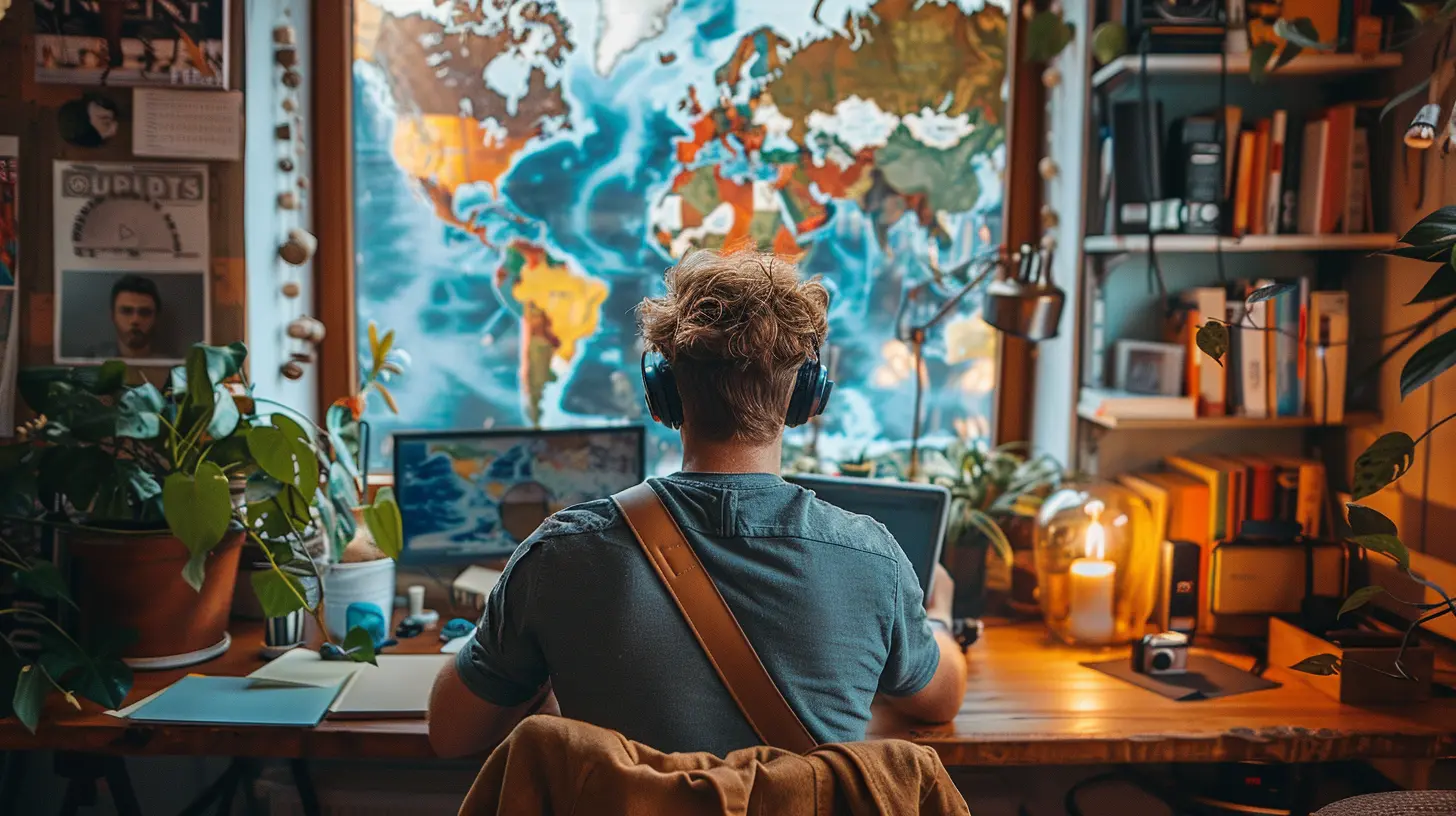
3. Take Breaks (Seriously!)
When you’re in a new city, it’s easy to either work non-stop or get lost in sightseeing and fall behind. To avoid burnout, schedule your breaks intentionally.How to Take Effective Breaks:
- Follow the Pomodoro technique (work for 25-50 minutes, then take a 5-10 min break).- Step outside and walk around—fresh air and movement can do wonders.
- Use breaks to experience the local culture. Grab a coffee at a local café or stroll through a nearby market.
- Take a real lunch break. No eating while typing—give yourself time to recharge.
Your brain needs downtime to stay sharp. Don’t underestimate the power of a good break! 
4. Manage Your Energy, Not Just Your Time
Time management is important, but energy management is even more crucial. When you're constantly moving between time zones, navigating new spaces, and juggling work, your energy levels can dip quickly.How to Manage Your Energy Efficiently:
- Identify your peak productivity hours. Work during times when you feel the most energized.- Schedule deep work sessions for demanding tasks and keep light tasks for low-energy periods.
- Avoid overloading your schedule. Don’t book back-to-back video calls or cram too much sightseeing into one day.
You don’t just need time to work—you need the energy and focus to do it well.
5. Stay Active and Move Your Body
Sitting for long hours is a burnout recipe. When working remotely on the road, exercise often takes a backseat, but staying active is essential for maintaining your mental and physical health.Ways to Stay Fit While Traveling:
- Walk everywhere—skip taxis and explore on foot.- Stretch or do yoga in your hotel room.
- Work out in parks, beaches, or nearby gyms.
- Use travel-friendly fitness apps for quick workouts.
Regular movement boosts your mood, sharpens your focus, and keeps burnout at bay.
6. Don’t Skimp on Sleep
Ever tried writing an important email after pulling an all-nighter? Yeah, not fun. Sleep deprivation increases stress, lowers productivity, and leads to faster burnout.How to Get Better Sleep While Traveling:
- Stick to a consistent sleep schedule even if you're in different time zones.- Use blackout curtains, sleep masks, and earplugs for uninterrupted rest.
- Avoid caffeine and screens before bedtime.
- If jet lag hits, take short naps instead of disrupting your entire schedule.
Good sleep = better focus, more energy, and fewer burnout symptoms. Prioritize it!
7. Socialize and Connect with Others
The digital nomad life can get lonely if you're constantly moving from place to place. Loneliness and isolation often contribute to burnout, so make it a habit to connect with other people.Ways to Stay Social While Working Remotely:
- Join co-working spaces and interact with other remote workers.- Attend meetups, networking events, or digital nomad groups.
- Stay in hostels or shared accommodations for built-in social circles.
- Schedule regular calls with family and friends to stay connected.
Feeling part of a community, even if you’re constantly changing locations, will help you stay emotionally balanced.
8. Embrace Work-Life Balance
You didn’t choose the remote work lifestyle just to sit behind your laptop all day. Balance is key!How to Maintain Work-Life Balance:
- Plan work-free days where you focus only on travel and relaxation.- Set realistic expectations about how much you can work while traveling.
- Keep a fun-to-do list alongside your work list—prioritize playtime just as much as deadlines.
Remember, you’re working remotely to enjoy life more, not to become a digital workaholic.
9. Learn to Say No
If you're constantly saying yes to extra projects, last-minute calls, or extended work hours, burnout is inevitable.How to Protect Your Time and Energy:
- Assess your workload realistically before taking on more tasks.- Politely decline unnecessary meetings or projects that don’t align with your goals.
- Set firm office hours and respect your own boundaries.
Saying no isn’t selfish—it’s necessary to protect your well-being.
10. Make Time for Hobbies and Fun
Work is important, but so is enjoying new experiences, cultures, and activities. Engaging in non-work-related hobbies helps you recharge and stay inspired.Ideas for Fun Activities While Traveling:
- Try a new local dish or take a cooking class.- Go on hiking trips, city walks, or cultural tours.
- Take up painting, photography, or writing.
- Meditate or journal to reflect on your experiences.
Keeping up with fun hobbies prevents work from consuming all your time.
Final Thoughts
Working remotely on the road can be both incredibly rewarding and extremely exhausting. Finding the right balance between work and travel takes effort, but it’s essential to avoid burnout.The key? Set boundaries, take breaks, manage your energy, stay active, sleep well, and embrace a work-life balance. Make time for adventure, human connection, and personal well-being while working remotely—you’ll not only be more productive but also happier and healthier.
Stay mindful of your limits, prioritize self-care, and enjoy the incredible journey ahead. After all, what’s the point of working remotely if you’re too burned out to enjoy the adventure?
all images in this post were generated using AI tools
Category:
Digital NomadAuthor:

Kelly Hall
Discussion
rate this article
2 comments
Valerie Sanchez
Balance exploration with downtime; set boundaries, prioritize self-care, and embrace moments of stillness to rejuvenate both mind and spirit.
January 31, 2026 at 5:57 PM
Kelly Hall
Absolutely! Prioritizing self-care and setting boundaries are key to maintaining a healthy work-life balance while traveling. Embracing downtime helps rejuvenate your mind and spirit, preventing burnout.
Charlotte Vasquez
Embracing remote work on the road can be exhilarating, but it’s essential to establish boundaries. Prioritize self-care, schedule regular breaks, and create a dedicated workspace. This balance not only enhances productivity but also enriches your travel experiences, making each destination more rewarding.
January 25, 2026 at 5:50 AM
Kelly Hall
Absolutely! Setting clear boundaries and prioritizing self-care are key to enjoying both productivity and travel. Your insights on creating a dedicated workspace and taking breaks are spot on!