How to Choose the Perfect Backcountry Trail for Your Skill Level
14 January 2026
So, you've caught the backcountry bug? Welcome to the club! There's nothing quite like stepping off the beaten path, breathing in that crisp air, and knowing it's just you, your pack, and nature. But let’s be real — not all trails are made equal. Some are a walk in the park (literally), while others will throw you into the rugged wild with more twists and turns than your grandma’s detective novel.
Whether you're a curious beginner, a weekend warrior, or a seasoned trail-blazer, picking the right backcountry trail is key to having a good time — and avoiding the kind of trip that becomes a cautionary tale.
So let's break it down together! Here's how to choose the perfect backcountry trail for your skill level — without the stress, the guesswork, or those blister-inducing regrets.
🌲 First Things First: What Is a Backcountry Trail?
Before we dive in, let’s clear something up. Backcountry trails are a far cry from your neighborhood park loop. These are the wild, unpaved, often remote paths that take you deep into nature — think forests, deserts, mountains, and everything in between.They’re where the real adventure begins — and where being unprepared can turn your dream hike into a total nightmare. But hey, don’t worry. That’s why we’re here.
🧭 Know Thyself — And Thy Limits
Here’s the deal: you don’t need to be Bear Grylls to enjoy the backcountry. But you do need to be honest about your experience, stamina, and comfort zone.Ask yourself:
- How far have I hiked before?
- Can I carry a full backpack for multiple miles?
- Am I okay with less-than-perfect trails, bugs, mud, or no cell service?
- How comfortable am I navigating with a map and compass?
Be real with your answers. If you’ve only hiked flat terrain for a couple of hours at a time, maybe don’t start with a technical, 4-day alpine climb. It’s not about being tough; it’s about being smart!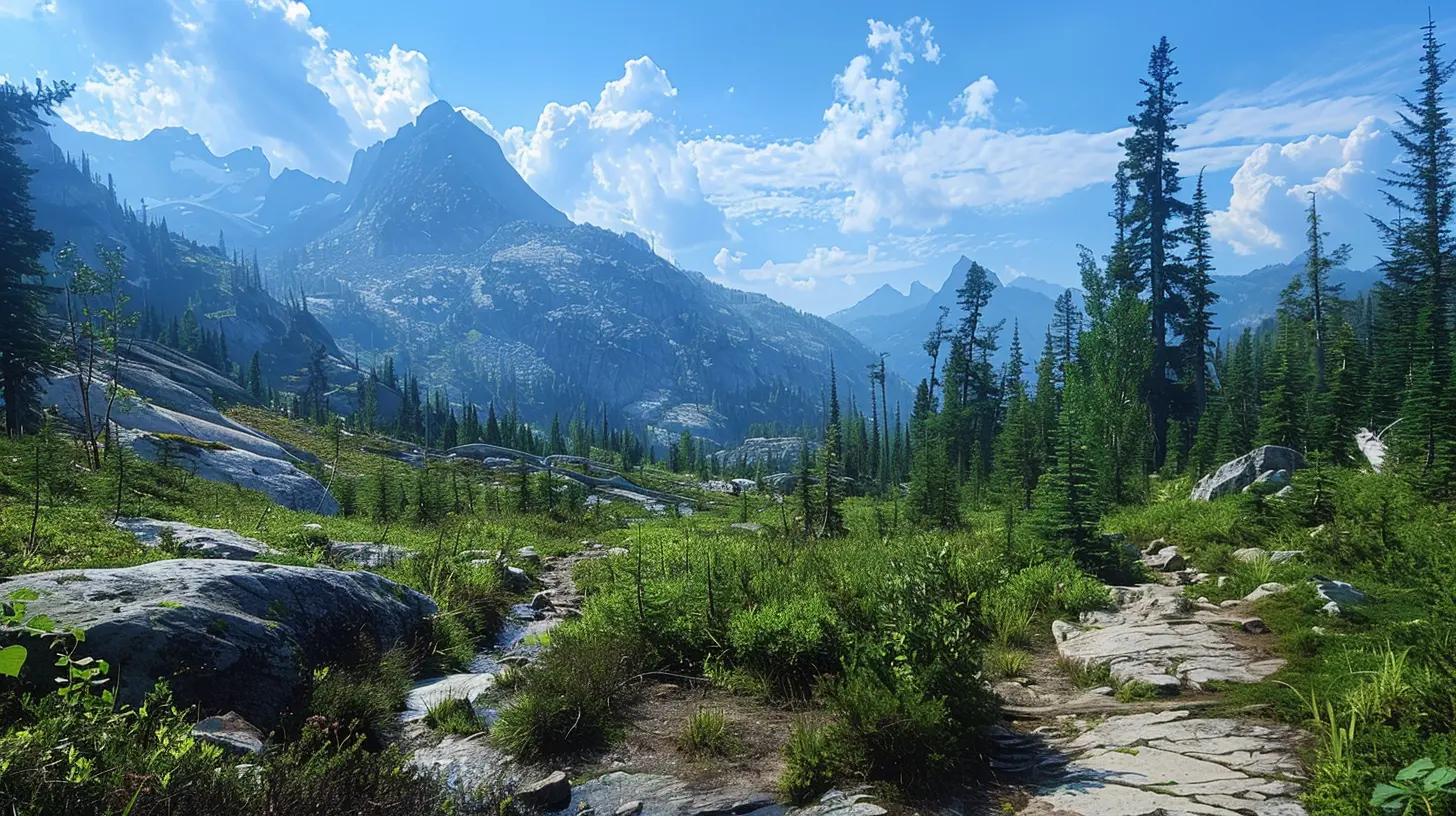
🏞️ Start with the Trail Type
Not all backcountry trails are rugged multi-day beasts. Some are perfect for dipping your toes in the dirt. Here's a quick breakdown:1. Beginner Trails
- Length: Short (under 5 miles)- Duration: Day hike or easy overnight
- Terrain: Mostly flat with marked paths
- Amenities: Possibly water access or designated campsites
These are your training wheels of the backcountry world. Perfect for gaining confidence without totally roughing it.
2. Intermediate Trails
- Length: 5–15 miles- Duration: 1–3 nights
- Terrain: Varied — some elevation, uneven ground, minor obstacles
- Navigation: May require basic skills
So you’ve done some hikes, and your legs are craving more. These trails offer a healthy challenge without throwing you into the deep end.
3. Advanced Trails
- Length: 15+ miles- Duration: Multi-day or extended treks
- Terrain: Steep climbs, river crossings, snowfields, rocky sections
- Navigation: Often unmarked — GPS or map/compass required
- Prep: High level of planning, route knowledge, and survival skills
If you’re reading this and thinking “Sounds like my kind of party,” then kudos! Just make sure you’re packing the gear and the know-how.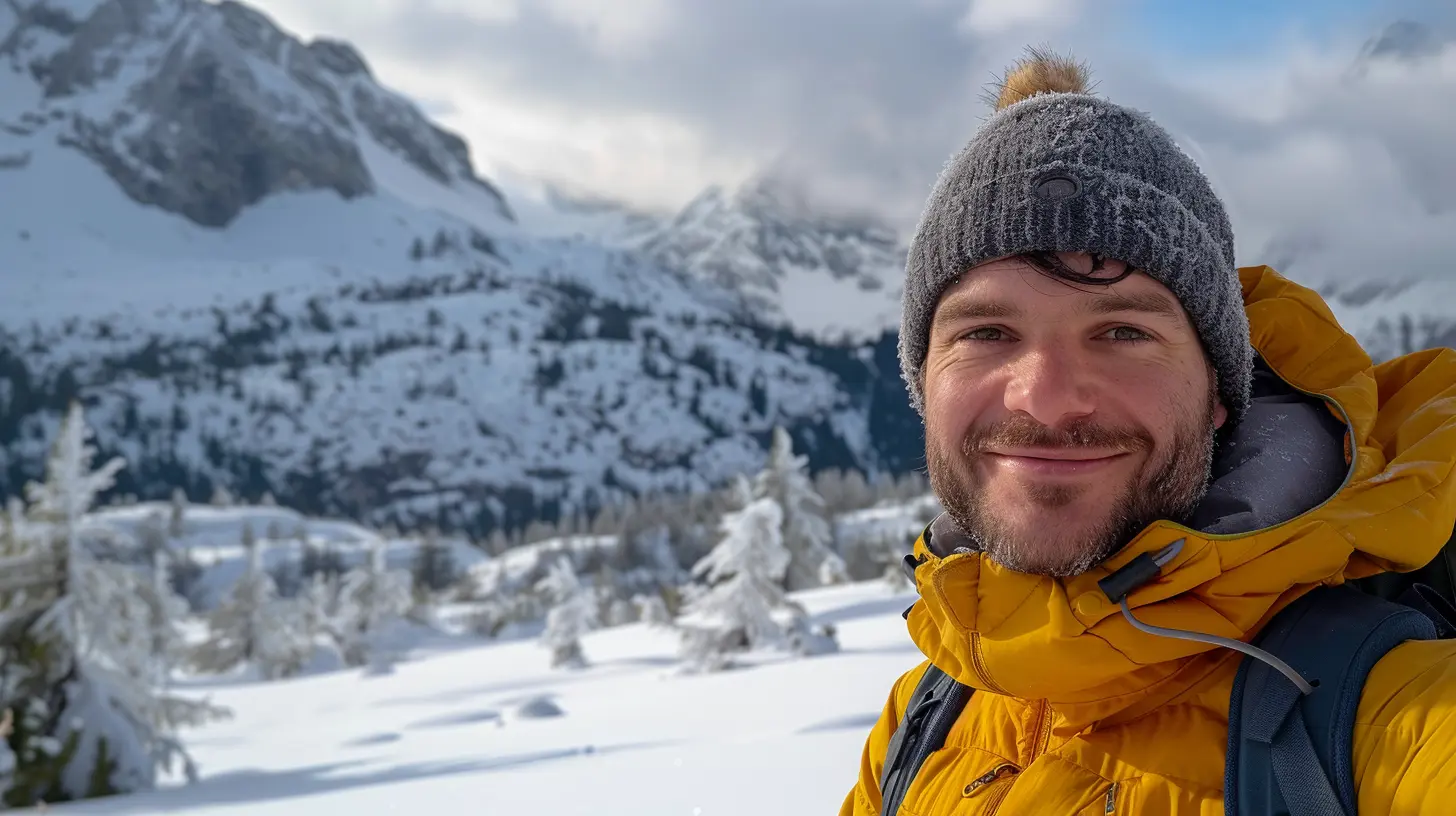
🗺️ Do Your Homework — Trail Research Isn’t Just for Nerds
Let’s imagine picking a backcountry trail is like dating. You wouldn’t commit to a weekend getaway with someone after only looking at their profile pic, right? No. You stalk — I mean, research. You read reviews. You make sure they’re not secretly a serial killer.Same goes for trails.
🔍 Where to Look:
- AllTrails- Gaia GPS
- Local hiking forums
- National Park Service websites
- YouTube (yep, trail vlogs are a thing!)
Study recent trail conditions, elevation changes, water availability, and permits. Trust me, a trail that’s “only 10 miles” can feel like 30 if it’s all uphill with no shade.
🥾 Know the Key Trail Features to Watch For
Alright, let’s get a bit nerdy now — but in a fun way. When browsing trails, keep an eye on these factors:1. Distance and Duration
A 3-mile trail may sound easy, but if it involves 2,000 feet of elevation gain, your legs are in for a surprise. Match the distance to your stamina — and remember, hiking with a full pack is way harder than a casual day hike.2. Elevation Gain
This tells you how much climbing you’ll be doing. More gain = more pain. A rule of thumb? Beginners should shoot for less than 500 ft of elevation gain per mile.3. Water Sources
Unless you're hauling gallons (not recommended), you’ll need streams, rivers, or lakes to refill from. Make sure they’re reliable — seasonal streams can dry up fast.4. Navigation Difficulty
Are there trail markers? Can you use an app to follow the route? Or is it more of a “make your own adventure” type of trail that requires serious map skills?5. Campsite Availability
Especially for popular areas, campsites might need reservations. Wild camping is awesome — but only if it’s legal and you know how to Leave No Trace.🧰 Don't Forget to Pack the Right Mindset (And Gear!)
Choosing the perfect trail isn’t just about matching your physical abilities. It’s also about what kind of experience you're craving.🎯 Ask Yourself:
- Do I want solitude, or am I cool with passing other hikers?- Am I okay with primitive camping, or do I want some amenities?
- Do I need to see a sweeping vista, or does a quiet forest float my boat?
Also — never underestimate the gear factor. The best trail in the world won’t feel so “perfect” if your boots give you blisters or your pack feels like you’re hauling bricks.
Here’s a quick list of essentials:
- Water filtration system
- Proper footwear
- Shelter (tent, bivvy, or tarp)
- Layers for changing weather
- Food (bring more than you think you need)
- First aid kit
- Navigation tools (offline maps, compass, GPS)
- Permits and trail maps
📍 Matchmaking: A Few Example Trails for Every Skill Level
👟 Beginner: Monarch Lake Loop, Colorado
- Distance: 4 miles- Elevation Gain: Minimal
- Why It Rocks: Gentle terrain, lake views, and it’s a loop — no backtracking!
🥾 Intermediate: Enchanted Valley Trail, Olympic National Park
- Distance: ~13 miles one-way- Elevation Gain: Moderate
- Highlights: Old-growth forests, waterfalls, and bear sightings (the cute kind, hopefully from afar)
🏔️ Advanced: Rae Lakes Loop, Kings Canyon NP, California
- Distance: 41 miles- Elevation Gain: 7,900+ ft
- Features: Alpine lakes, high passes, jaw-dropping views — and a true test of endurance
🚨 Bonus Tips to Keep You Safe & Happy
- Check weather reports — and update them before you go. Backcountry weather can flip like a pancake.- Tell someone your itinerary — and stick to it.
- Start early — daylight is your friend.
- Don’t be a hero — if something feels off, turn around. The mountain isn’t going anywhere.
🧡 Final Thoughts: It’s Your Adventure — Own It!
At the end of the day, the “perfect” backcountry trail isn’t the one that other people say is best — it’s the one that fits you. Your pace. Your comfort zone. Your hunger for adventure (and snacks).So take your time. Trust your gut. Choose wisely. And when in doubt? Start small.
Remember: the trail will always be there. Your sanity, knees, and future camping stories will thank you for planning ahead.
Now grab that backpack, fill up your water bottle, and get ready for the time of your life — one footstep at a time.
all images in this post were generated using AI tools
Category:
Backcountry TravelAuthor:

Kelly Hall
Discussion
rate this article
2 comments
Zarek Wagner
Great tips! Choosing the right trail makes all the difference—happy hiking and explore safely! 🌲🏞️
January 23, 2026 at 3:35 AM
Kelly Hall
Thank you! I'm glad you found the tips helpful—enjoy your adventures and stay safe out there! 🌟
Zephyrae Frye
Great tips for choosing the ideal backcountry trail! Exploring nature at your own pace is so rewarding. Happy hiking and enjoy every moment! 🌲🥾✨
January 16, 2026 at 4:58 AM
Kelly Hall
Thank you! I'm glad you found the tips helpful. Enjoy your adventures in nature! 🌲🥾✨