How to Choose the Right Campsite for Your Group in 2026
16 May 2026
So, you have finally convinced your friends to ditch the hotel Wi-Fi and sleep on the ground like our ancestors. Good for you. But now comes the hard part: picking a campsite that does not turn your group into a bunch of grumpy, mosquito-bitten strangers by Saturday morning.
Let me tell you, nothing kills a vibe faster than a bad campsite. I have seen groups break up over a sloped tent pad. I have watched friendships dissolve because someone picked a spot next to the bathroom that smelled like a thousand forgotten port-a-potties. In 2026, with new gear, new apps, and more people cramming into the outdoors, you need a strategy. Not just a pin on a map.
This is not a guide for solo hikers or Instagram influencers who only need a pretty rock and a tripod. This is for the real group: the one with the friend who packs a cast-iron skillet, the one who forgets their sleeping bag, and the one who insists on a 6 AM bird-watching walk. Let us get into it.
Step One: Know Your Group's Pain Tolerance
Before you even look at a map, ask yourself one brutal question: "How much do these people actually like camping?"I am not talking about the fantasy version where everyone sits around a fire singing Kumbaya. I am talking about the reality. Does someone in your group get cranky if they do not shower for 48 hours? Is there a person who panics at the sight of a spider the size of a quarter? Do you have that one friend who thinks "glamping" means bringing a memory foam pillow?
You need to rate your group on a scale of "Sprinter Van" to "Bear Grylls." This will tell you everything about your campsite choice.
- The Luxury Crew: These folks want a picnic table, a fire ring, and a flush toilet within a short, flat walk. They are fine with car camping, but they will complain if the gravel pad is too dusty. Pick a developed campground with reservations. Look for "electric hookups" and "hot showers." Do not even think about a primitive site.
- The Weekend Warriors: This is the sweet spot. They want a real campfire, a decent view, and a hike to a waterfall. They can handle a vault toilet and a bit of a walk from the car. They are okay with no cell service, but they want a clear tent pad. Look for first-come, first-served sites in national forests or state parks. Avoid anything that says "walk-in" if you have heavy coolers.
- The Hardcore Crew: These people sleep on a thin foam pad, cook on a single stove, and consider a bear bag an essential piece of fashion. They want solitude. They want to feel like they are the only humans for miles. Look for dispersed camping on BLM land or backcountry permits. But be honest: if you have to drag a cooler full of steaks and beer for two miles, you are not hardcore. You are just ambitious.
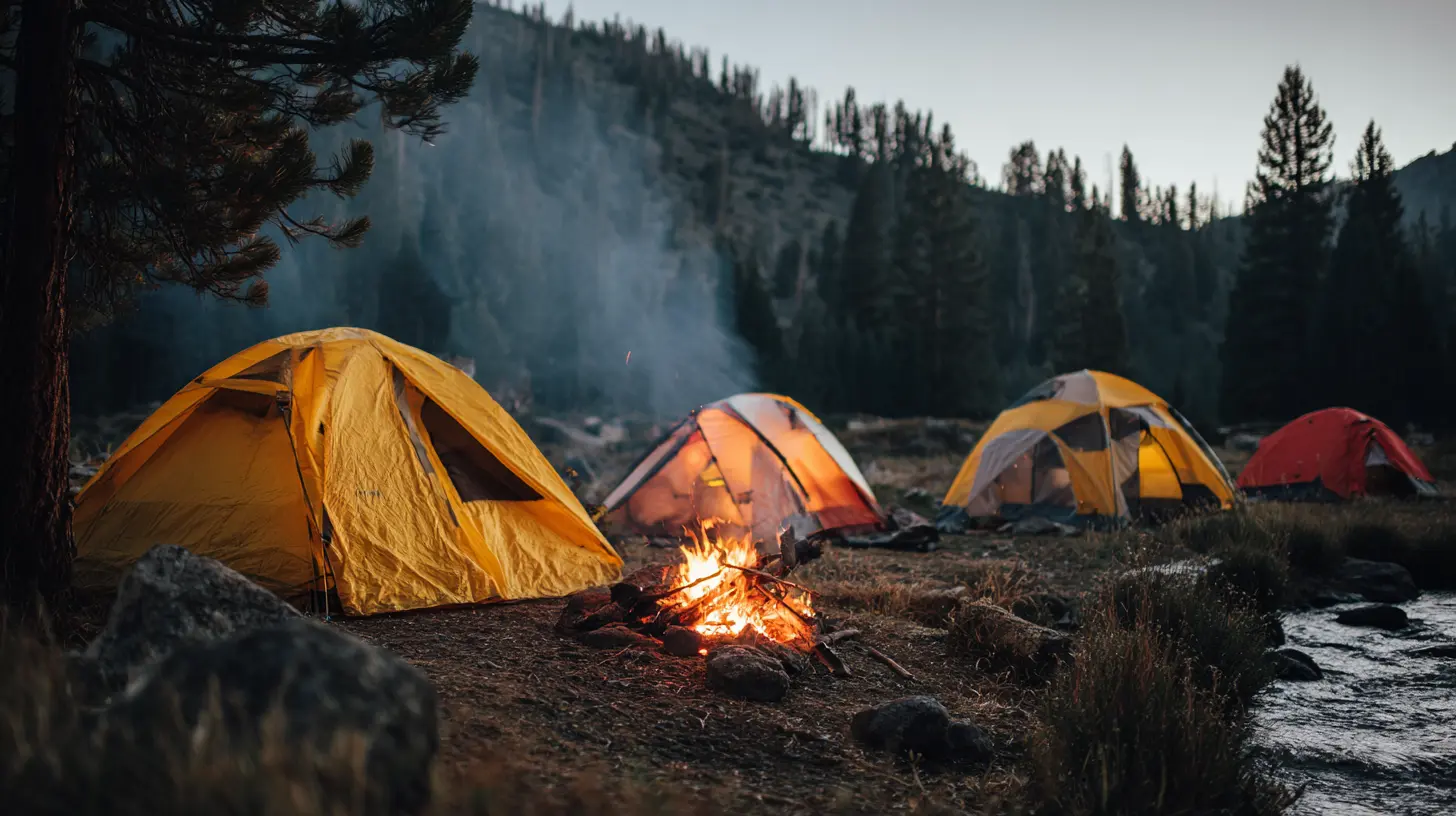
Step Two: The Three Laws of Campsite Physics
Forget the fancy gear. There are three physical laws that make or break a campsite. Ignore them at your own risk.Law #1: Gravity is a Liar.
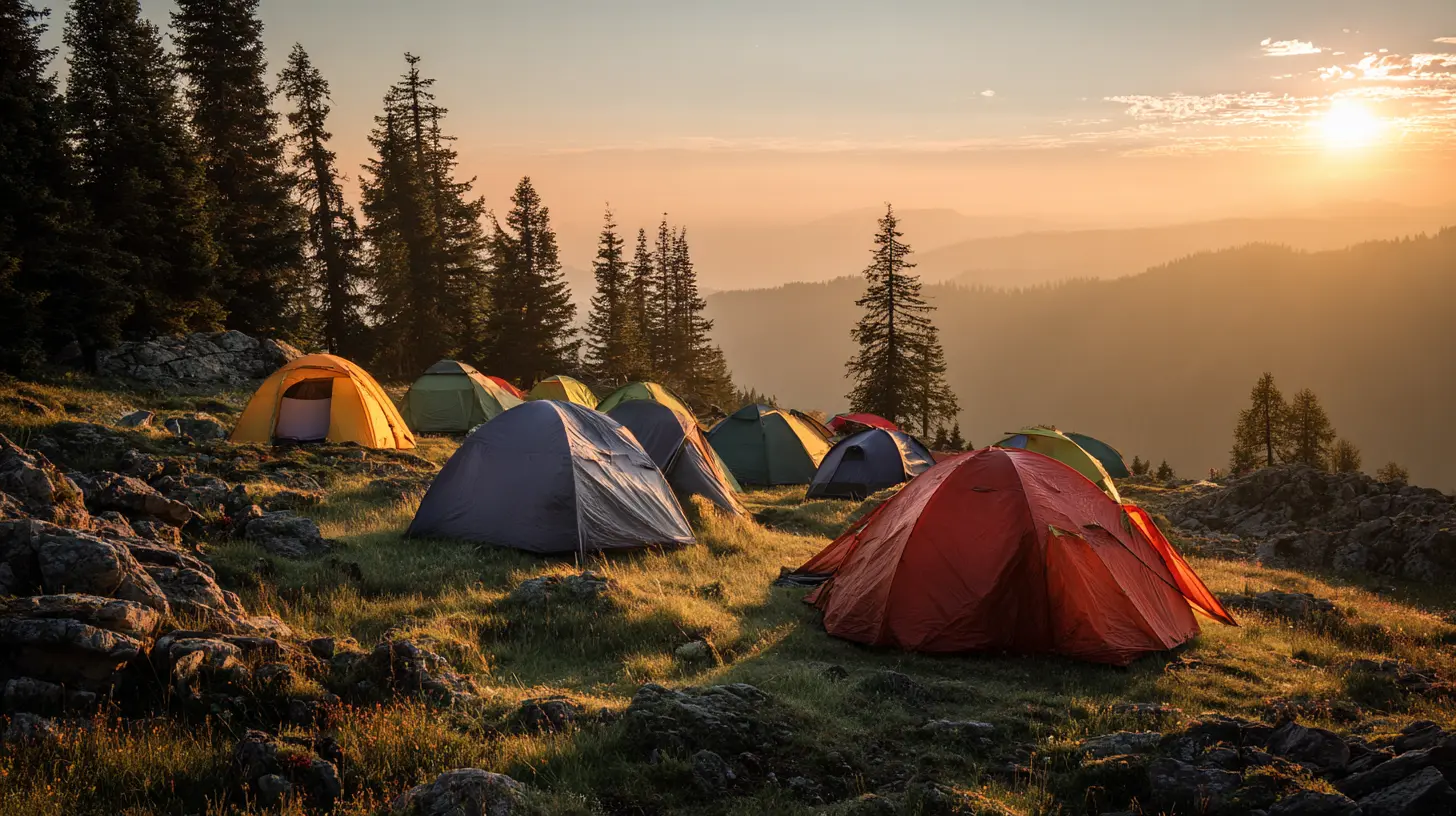
That beautiful, flat-looking patch of grass in the picture? It is probably on a 15-degree slope. I cannot tell you how many times I have woken up at 3 AM, slowly sliding down my air mattress, pressed against the tent wall like a pancake. The only thing worse is waking up with your head lower than your feet. That is a guaranteed headache and a grumpy morning.
When you arrive, do not just look at the ground. Lie down on it. Or at least put your foot on it and feel the angle. A slight tilt is okay if you sleep with your head uphill. But if you can roll a tennis ball across the tent pad, move on.
Law #2: Water Finds the Lowest Point.
Rain is not your friend at a campsite. Even if the forecast says "mostly sunny," assume a rogue thunderstorm will find you. Look for signs of previous water flow. Are there little gullies? Is the ground spongy? Is the area full of rocks that look like they were washed clean? That is a drainage channel.
Never pitch your tent in a low spot between two hills. That is where all the water will collect. You will wake up in a swimming pool. Also, avoid the bottom of a slope. Water runs downhill, and it will run right through your vestibule. Find a spot that is slightly raised, or at least has a gentle slope away from your tent door.
Law #3: The Wind Will Find Your Zipper.
A gentle breeze is lovely. A 20 mph wind that rattles your tent all night is a special kind of hell. Trees are your best friends here. Look for a natural windbreak. A cluster of pine trees, a large rock outcropping, or even a dense bush can cut the wind in half.
But do not pitch your tent directly under a dead tree branch. That is called a "widowmaker." In 2026, with more storms and unpredictable weather, check for dead branches hanging above you. If you see a branch that looks like it could snap, move your tent. It is not worth the risk.
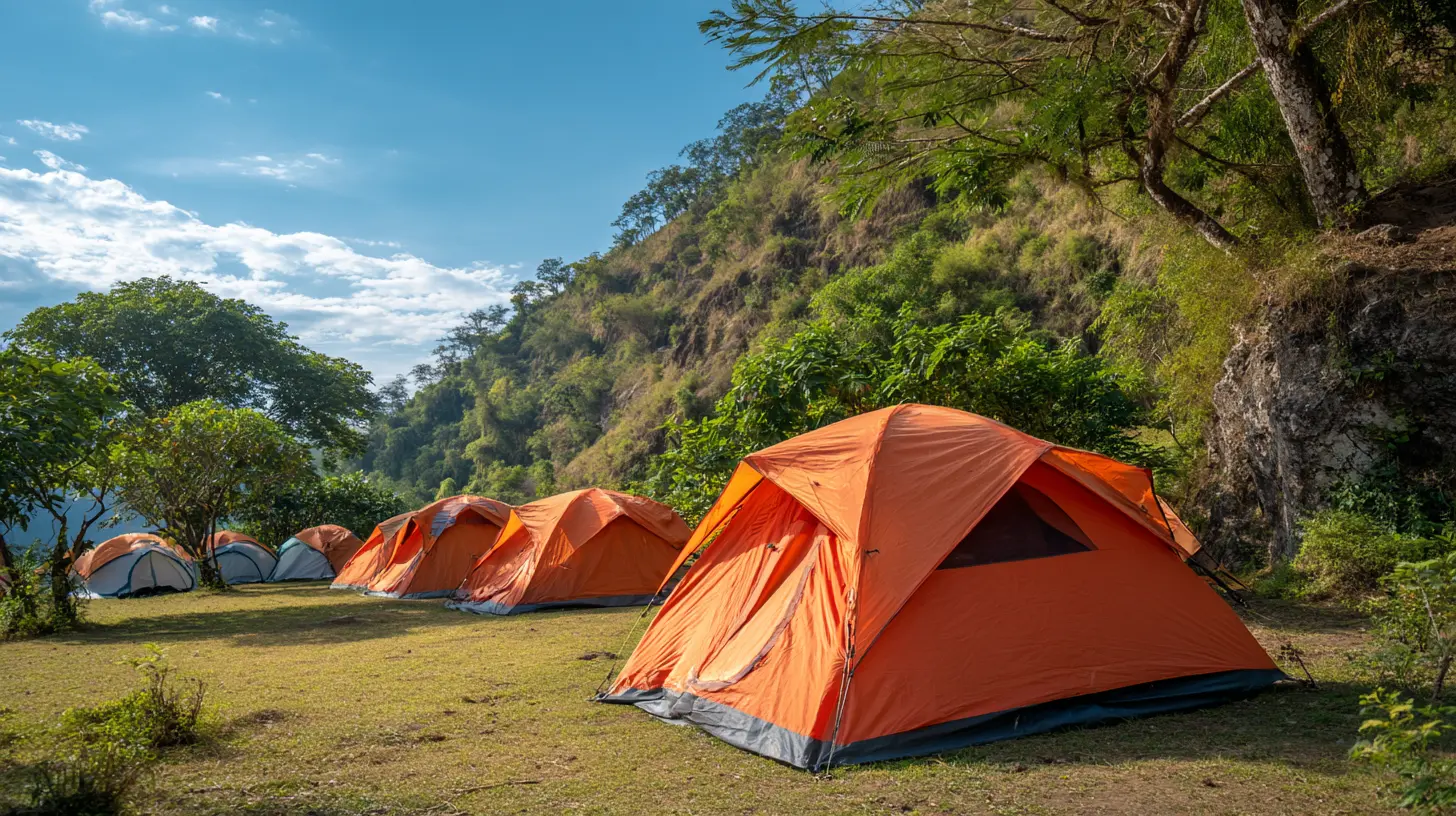
Step Three: The Social Geometry of the Fire Ring
You are not camping alone. You are camping with a group. That means you need to think about the "social zone" of the campsite.The fire ring is the heart of the operation. But it is also the source of most conflict.
- The Loud Talker vs. The Early Sleeper: Someone in your group will want to stay up until 2 AM telling stories. Someone else will want to be in their sleeping bag by 9:30 PM. If your tent is 10 feet from the fire, the early sleeper will hate everyone. Place the tents as far from the fire pit as possible, but within a reasonable walking distance. A good rule is at least 50 feet. This gives the night owls a place to hang out without shining headlamps into everyone's eyes.
- The Kitchen vs. The Bear Bag: In 2026, bear safety is not optional, even if you are not in grizzly country. Raccoons, squirrels, and mice are relentless. Never cook near your tent. Set up your kitchen area (camp stove, cooler, food prep table) at least 100 feet downwind from your sleeping area. This keeps smells away from your bed. And yes, you need a bear canister or a proper hang. Do not be the person who leaves a bag of chips in their tent. You will attract a raccoon that will shred your tent for a single Dorito.
- The Parking Lot Problem: If you are car camping, where do you park? Do not block the road. Do not park on the grass if it is wet. And for the love of all things holy, do not park your car facing the campfire. The heat and smoke will ruin your paint and make your car smell like a bonfire for weeks. Park it to the side, preferably with the rear facing the camp for easy gear access.
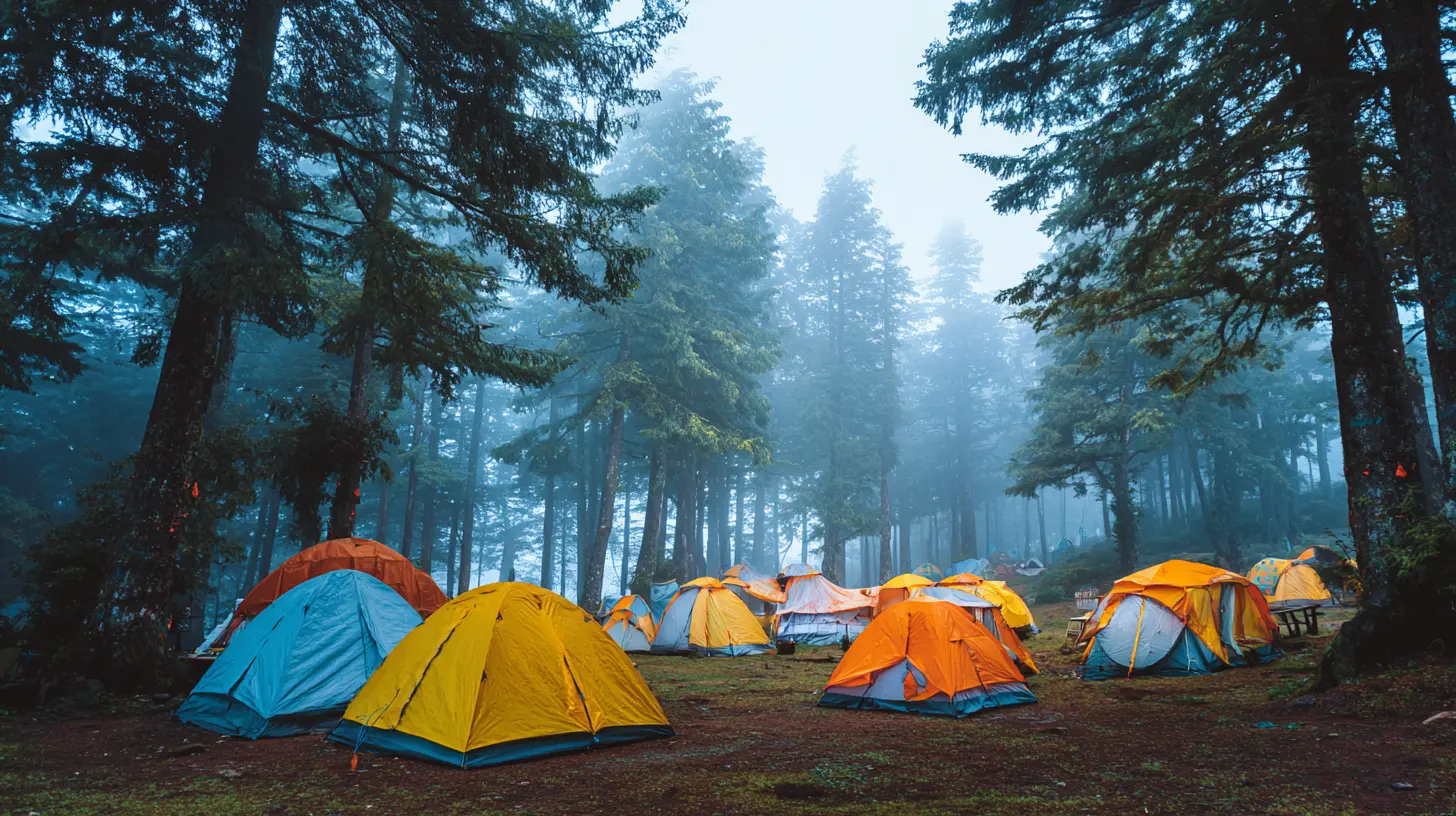
Step Four: The 2026 Tech Check
We are in 2026. You have a phone. Use it. But use it wisely.- Apps are your friend: Use apps like The Dyrt, Recreation.gov, or iOverlander. Look for recent reviews. If someone posted a photo from last week showing a muddy mess, believe them. If they said "loud road noise," do not ignore it.
- Cell Service is a Myth: Do not assume you will have service. Download your maps offline. Screenshot your reservation confirmation. Tell someone at home your exact plans. A dead phone in the woods is not an adventure; it is a safety hazard.
- Check for "Glamping" Spots: Some campgrounds now offer "glamping" sites with yurts, canvas tents, or tiny cabins. If your group is mixed (some love camping, some hate it), this is a cheat code. The campers get their tent, the glampers get a bed. Everyone wins.
- Solar is Gold: In 2026, portable solar panels are cheap and effective. Bring a small one to charge your phone and your lantern. It saves you from the "I need to charge my phone in the car" walk of shame.
Step Five: The "No Regrets" Checklist
Before you book, run through this quick checklist with your group. Answer honestly.1. How far is the drive? If it is more than 3 hours, someone will complain. If it is more than 5, you need a rest stop and snacks.
2. Is there potable water? If not, you must bring it. And I mean a lot of it. One gallon per person per day is the bare minimum.
3. Are fires allowed? Many places have burn bans in 2026 due to drought. If you cannot have a fire, do you still want to go? Be honest. Some groups need the fire for the vibe.
4. What is the bathroom situation? Vault toilet? Flush? No toilet? This is a deal-breaker for some people. Do not be shy about asking.
5. Is it dog-friendly? If you are bringing a dog, make sure the campground allows it. And check for leash laws. A loose dog in a busy campground is a recipe for disaster.
6. What is the noise policy? Some campgrounds have quiet hours starting at 9 PM. If your group likes to party, find a more remote spot. Do not be that group that gets yelled at by a ranger.
Step Six: The "Just in Case" Spot
Here is a pro tip: always have a backup plan. In 2026, popular campgrounds book up months in advance. But sometimes, a site looks great online and is a total dud in person. Maybe it is too close to a highway. Maybe the neighbors are blasting reggaeton at 11 PM. Maybe the tent pad is a mud pit.When you arrive, do not be afraid to walk around and look at other sites. If you see an empty one that is better, check if it is reserved. If it is first-come, first-served, move your gear. You are not stuck with the first spot you see.
Also, know where the nearest alternate campground is. If your site is a disaster, you can bail and go somewhere else. This is especially important for groups. One bad experience can ruin camping for a newbie forever. Do not let a bad site be the reason your friend never wants to go again.
The Final Word on Group Camping in 2026
Choosing a campsite is not about finding the most scenic spot on Instagram. It is about finding a spot that works for your specific, messy, wonderful group of people. It is about balancing the loud talker with the early sleeper. It is about knowing that a flat tent pad is worth more than a million-dollar view.In 2026, the outdoors are getting more crowded. You have to be smarter. You have to plan ahead. But you also have to be flexible. The best campsite is the one where everyone wakes up feeling good, makes coffee, and laughs about the raccoon that stole the marshmallows.
So go out there. Pick a spot that is dry, flat, and far enough from the bathroom. Build a fire. Eat burnt hot dogs. And remember: the only thing worse than a bad campsite is a bad attitude. You got this.
all images in this post were generated using AI tools
Category:
Camping AdventuresAuthor:

Kelly Hall
Discussion
rate this article
1 comments
Foster Rosales
Consider your group's needs and preferences to find the perfect campsite experience.
May 26, 2026 at 2:36 AM
Kelly Hall
Absolutely! Tailoring the campsite to your group's needs makes all the difference.