How to File Taxes as a Digital Nomad and Remain Compliant
5 July 2026
Being a digital nomad comes with undeniable perks—working from exotic beaches, sipping coffee in hidden European cafés, and living life on your own terms. But with great freedom comes great responsibility... especially when it comes to taxes.
Navigating tax laws as a remote worker can feel like deciphering ancient hieroglyphs. The good news? It doesn’t have to be that complicated. If you’re wondering how to stay tax-compliant while hopping between countries, you’re in the right place. Let’s break it all down in simple terms. 
Understanding Your Tax Obligations as a Digital Nomad
Before diving into filing strategies, you need to understand who you owe taxes to. Contrary to what some believe, moving around doesn’t free you entirely from tax obligations.Here’s what matters:
- Your tax residency status (which country considers you a tax resident?)
- Foreign income tax laws (are you liable for taxes in the country you’re currently in?)
- Your home country’s tax rules (do they tax worldwide income?)
Each country has unique tax laws, so it’s crucial to know where you stand. 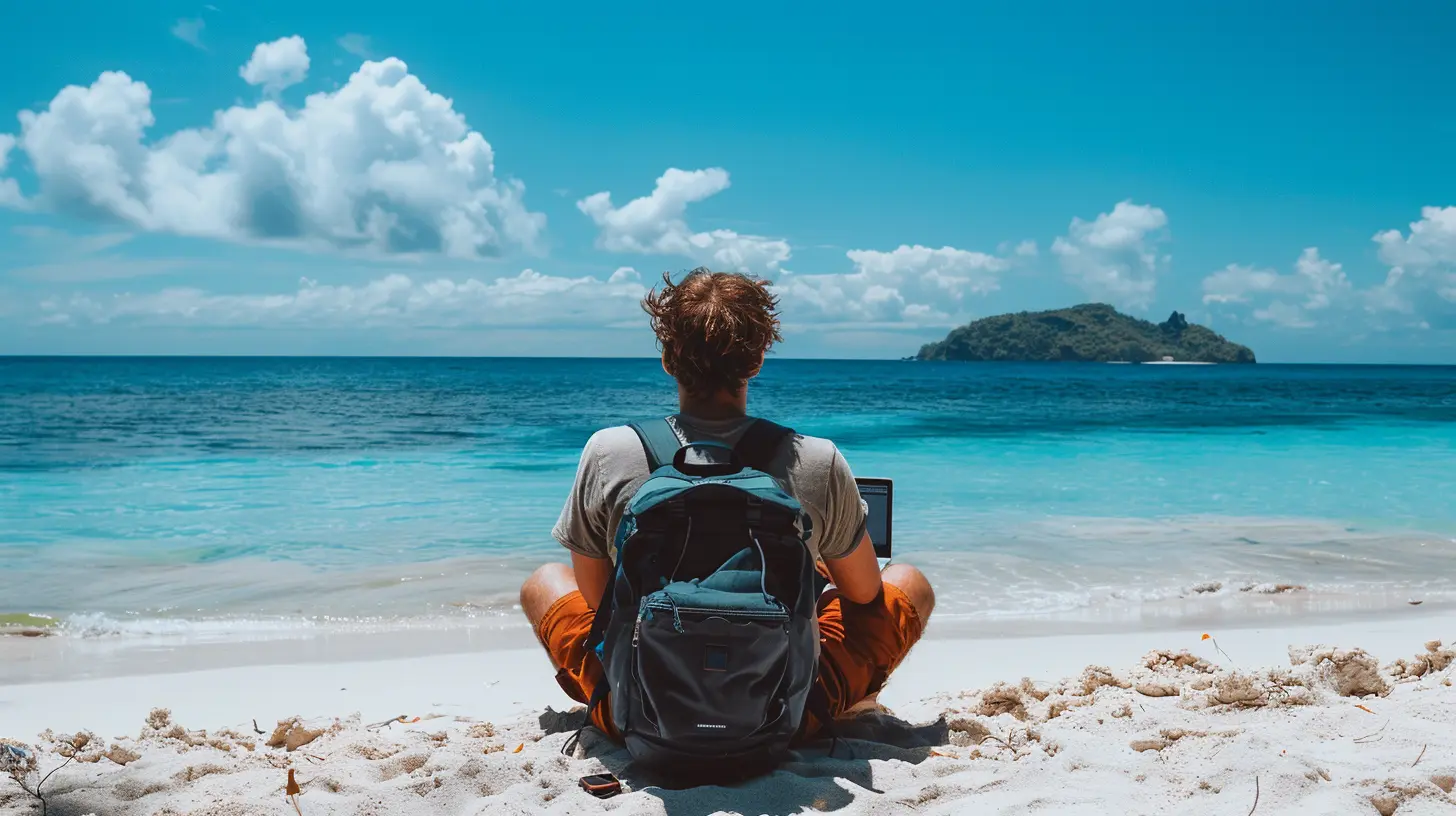
Does Your Home Country Tax Worldwide Income?
Some countries tax you based on where you live, while others tax you based on citizenship. Let’s look at the two major systems:Territorial Taxation
If your home country follows a territorial tax system, you’re only taxed on income earned within that country. Many countries in Southeast Asia and Latin America fall into this category, making them attractive to digital nomads.Citizenship-Based Taxation
The U.S. is a prime example of this. If you’re an American citizen, you’re taxed on worldwide income, no matter where you live. That means even if you spend years living abroad, Uncle Sam still expects a piece of the pie.Residence-Based Taxation
Most countries follow this model. If you become a tax resident (often by spending 183+ days in a country), you may owe local taxes.So how do you determine if you owe taxes? It starts with identifying your tax residency. 
Determining Your Tax Residency
Your tax residency isn’t always the same as your citizenship. Countries define tax residency in different ways, but here are some common factors:- How long you stay in a country (typically 183 days in a calendar year)
- Where your main home or business is located
- Where your financial and family ties are strongest
Becoming a tax resident in multiple countries can lead to double taxation—where two governments demand taxes on the same income. Luckily, many countries have tax treaties to prevent this from happening. 
How to Avoid Double Taxation
Worried about paying taxes twice? Here’s how to prevent it:1. Foreign Earned Income Exclusion (FEIE) (For U.S. Citizens)
If you’re an American living abroad, you may qualify for the Foreign Earned Income Exclusion (FEIE). This allows you to exclude up to $120,000+ (2024 figures) in foreign-earned income from U.S. taxes—if you meet the Bona Fide Residence Test or the Physical Presence Test.- Bona Fide Residence Test: You must live in another country for at least one full tax year.
- Physical Presence Test: You must be outside the U.S. for 330 days in a 12-month period.
2. Foreign Tax Credit (FTC)
If you’re paying taxes in a foreign country, you can often claim a Foreign Tax Credit, which reduces your U.S. tax bill dollar for dollar.3. Tax Treaties
Many countries have tax treaties in place to avoid double taxation. Before moving, check if your home country has agreements with your destination!Paying Taxes While Living Abroad
Paying taxes as a digital nomad varies based on where you are and the source of your income. Here’s what you need to know:1. Paying Taxes in Your Home Country
If your home country taxes worldwide income, you’ll need to file tax returns every year—regardless of where you live. U.S. citizens, for example, must file annually even if they qualify for exclusions.2. Paying Taxes in Your Host Country
If you become a tax resident in the place you’re staying, you might need to pay income taxes locally. Some digital nomad-friendly countries, like Portugal and Georgia, offer favorable tax schemes for remote workers.3. Paying Taxes as a Freelancer or Business Owner
Many digital nomads work as freelancers or run online businesses. Depending on where your business is registered, you may need to:- Pay self-employment taxes
- Register a business in a low-tax country
- Look into offshore company structures for tax efficiency
Should You Set Up a Business Offshore?
Some digital nomads establish businesses in tax-friendly jurisdictions like Estonia, Singapore, or the Cayman Islands.Benefits include:
- Low or zero corporate tax
- More financial privacy
- Simplified business operations
However, tax authorities in your home country might still tax you on global income, so consult a tax professional before making the move.
Best Tax-Friendly Countries for Digital Nomads
If you want to legally reduce your tax burden, consider basing yourself in a low-tax or territorial tax country. Some top options:- Portugal – NHR (Non-Habitual Resident) tax scheme offers benefits to expats
- Georgia – 1% tax for small business owners
- Panama – No tax on foreign-sourced income
- Thailand – Special long-term visas with tax incentives
- UAE – No personal income tax
These locations offer a legal way to minimize taxes while living a nomadic lifestyle.
How to Stay Compliant and Avoid Penalties
Failing to address your tax obligations can lead to hefty fines or even legal issues. To stay compliant:1. Keep Track of Where You’ve Been – Track the days you spend in each country to monitor tax residency status.
2. Work With a Tax Professional – Digital nomad tax laws are tricky. A specialized accountant can help.
3. File Your Taxes On Time – Even if you don’t owe anything, filing is often mandatory.
4. Consider Opening an Offshore Bank Account – Some countries require reporting foreign bank accounts.
Being proactive can save you thousands in unnecessary taxes and penalties.
Final Thoughts
Filing taxes as a digital nomad can seem overwhelming at first, but with the right strategy, it’s manageable. The key is understanding your tax residency, taking advantage of exclusions and credits, and staying compliant with both home and host countries.A little tax planning goes a long way in ensuring you keep more of your hard-earned money, while still staying on the right side of the law.
Need expert help? Consider hiring a digital nomad tax advisor to guide you through the process—and breathe easy knowing you’re tax-compliant wherever your journey takes you!
all images in this post were generated using AI tools
Category:
Digital NomadAuthor:

Kelly Hall
Discussion
rate this article
1 comments
Tatianna Banks
Embrace the freedom of the digital nomad lifestyle while staying compliant with tax obligations. Navigating taxes might seem daunting, but understanding the process empowers you. With the right tools and knowledge, you can confidently explore the world and focus on what truly matters... adventure!
August 13, 2026 at 2:43 PM
Kelly Hall
Thanks for your thoughts! Staying compliant while exploring is key. With the right approach, adventure and responsibility can go hand in hand.