How to Handle Emergencies in Remote Wilderness Areas
30 June 2026
Venturing into remote wilderness areas is an exhilarating experience—crisp air, breathtaking landscapes, and the thrill of the unknown. However, the further you move away from civilization, the greater the risks. Emergencies can strike at any time, and when you're miles from the nearest road or hospital, knowing how to handle them could mean the difference between life and death.
So, how do you prepare for the unexpected? Let’s break it down step by step, so the next time you find yourself in a tight spot, you’ll know exactly what to do. 
1. Preparation is Half the Battle
Before even setting out on your adventure, proper preparation is key. Emergencies are unpredictable, but you can minimize their impact with a few essential steps.1.1. Research Your Destination
Not all remote locations are the same. Some have extreme weather conditions, others are home to dangerous wildlife, and a few may have treacherous terrains. Research your location thoroughly:- What is the weather forecast?
- Are there any potential hazards like avalanches, flash floods, or wild animals?
- Where are the nearest medical facilities, ranger stations, or evacuation points?
Knowing what you're up against will help you pack the right gear and make informed decisions in case of an emergency.
1.2. Pack an Emergency Kit
Your survival gear could save your life. A well-packed emergency kit should include:✔ First-aid supplies (bandages, antiseptic, pain relievers, tweezers, etc.)
✔ A multi-tool or knife
✔ Fire-starting materials (waterproof matches, lighter, fire starter)
✔ A space blanket or bivy sack
✔ Water purification tablets or a filtration system
✔ High-calorie food bars
✔ A flashlight with extra batteries
✔ A whistle and signal mirror
✔ A fully charged satellite phone or emergency beacon (PLB or Garmin inReach)
The wilderness is unforgiving. Carry what you need, because nature won’t lend you a helping hand when you’re in trouble. 
2. Staying Calm During an Emergency
When disaster strikes, your first instinct may be to panic. Don't. Staying calm is crucial. Your brain is your most valuable survival tool, and panic clouds judgment.2.1. The S.T.O.P. Method
If something goes wrong, follow the S.T.O.P. protocol:- Stop: Take a deep breath and halt your actions. Rushing can make things worse.
- Think: Assess the situation logically. What exactly happened? What are your options?
- Observe: Look around for hazards, shelter opportunities, or nearby water sources.
- Plan: Make a well-thought-out decision instead of acting impulsively.
This method can save your life by preventing rash decisions that put you in greater danger. 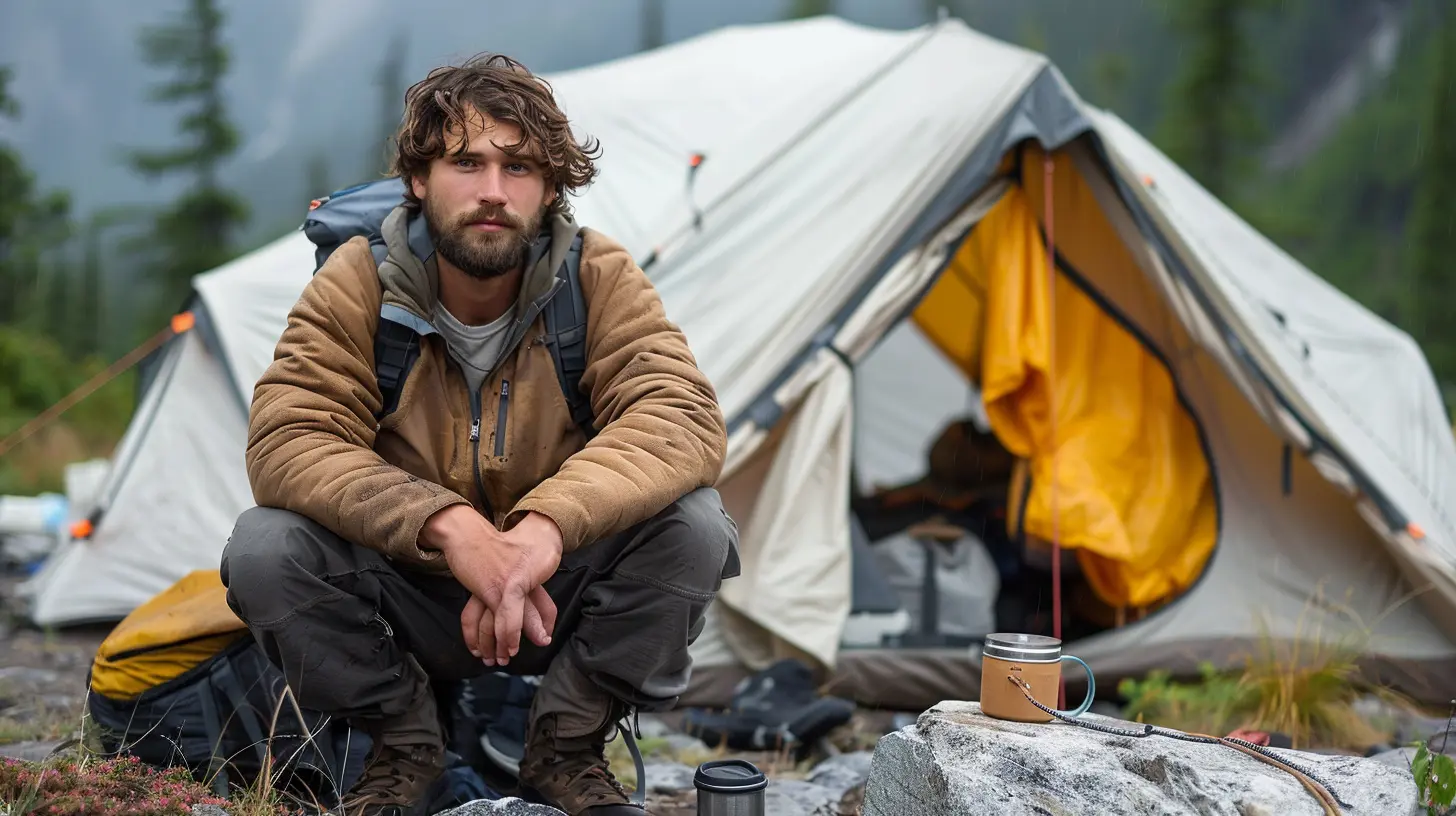
3. Handling Common Wilderness Emergencies
Emergencies come in many forms—injuries, adverse weather, getting lost, or wildlife encounters. Let's break down the most common ones and how to deal with them.3.1. Dealing With Injuries
Injuries are a top concern in the wilderness. Whether it’s a twisted ankle, deep cut, or broken bone, knowing how to respond can prevent the situation from worsening.Sprains and Fractures
- Immobilize the affected area using a splint (sticks and clothing work in a pinch).- Minimize movement to avoid further damage.
- Reduce swelling by elevating the limb if possible.
- If walking is impossible, signal for help with a whistle, mirror, or flare.
Severe Bleeding
- Apply firm pressure using a clean cloth or bandage.- If the bleeding continues, elevate the wound and press on the nearest pressure point.
- As a last resort, use a tourniquet (but only if trained).
Hypothermia
- Symptoms: Uncontrollable shivering, slurred speech, confusion.- Action: Get the person into dry clothing and a warm sleeping bag. Use body heat if necessary. Warm them slowly—avoid exposing them to sudden high heat like a fire.
Heat Exhaustion & Dehydration
- Symptoms: Dizziness, nausea, excessive sweating (or lack of sweat in severe cases).- Treatment: Rest in the shade, drink small sips of water, and avoid exertion.
3.2. Getting Lost in the Wilderness
It’s easy to lose your way, even for experienced trekkers. If you realize you're lost:- S.T.O.P. and avoid wandering aimlessly.
- Try to retrace your steps if you’re sure of the direction.
- Use your map and compass (or GPS device) to reorient yourself.
- Look for high ground to get a better vantage point.
- Signal for rescue—use a whistle, bright clothing, or create a large visible marker on the ground.
3.3. Wildlife Encounters
Running into wildlife can be thrilling, but it can also be dangerous if you’re unprepared.Bears
- Stay calm and don’t run (it might trigger a chase response).- Slowly back away while avoiding direct eye contact.
- If attacked: Play dead for a grizzly, but fight back against a black bear.
Snakes
- If bitten, stay still to slow venom spread.- Keep the affected limb immobilized at heart level.
- Do not suck out venom or apply ice—get medical help ASAP.
Mountain Lions
- Stand tall and make yourself look big.- Back away slowly while maintaining eye contact.
- If it attacks, fight back aggressively—use sticks, rocks, or anything available.
4. Finding or Creating Shelter
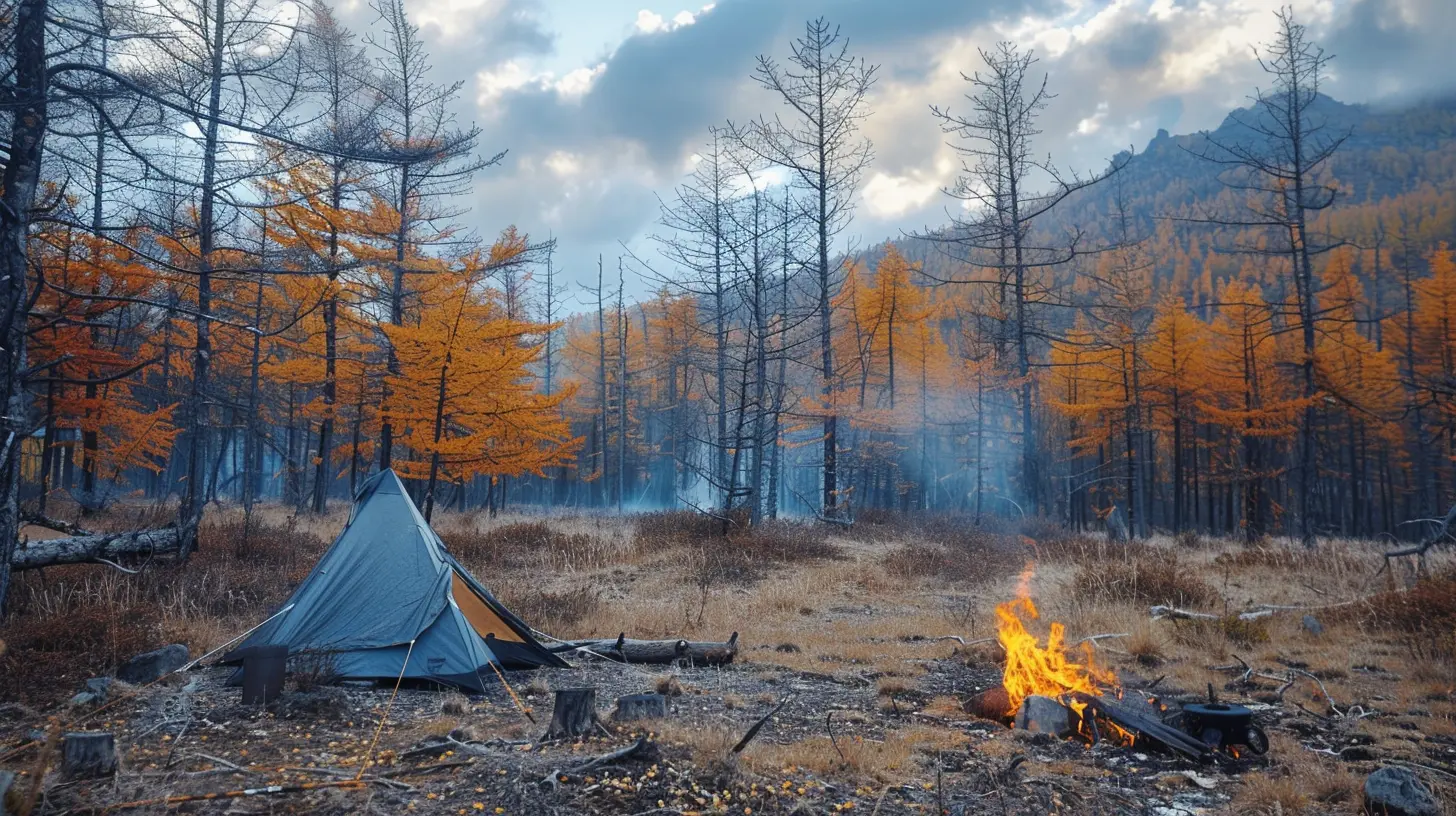
If you’re stranded overnight or stuck in harsh conditions, shelter is key. Exposure is one of the biggest killers in the wild.4.1. Natural Shelters
- Caves or rock overhangs (but be cautious of animals).- Thick tree cover can provide decent protection from rain or sun.
4.2. Improvised Shelters
- Lean-to: Prop sturdy branches against a tree and cover with leaves or pine needles.- Snow Cave: If in snowy conditions, dig out a small cave insulated by snow.
A good shelter retains heat and provides wind/rain protection, keeping you safe until help arrives.
5. How to Call for Help
If self-rescue isn’t an option, signaling for help is the next best thing.5.1. Distress Signals
- Whistle blasts: Three short bursts are an international distress signal.- Fire signals: Three fires in a triangle formation indicate an emergency.
- Signal mirror: Flash sunlight reflections toward aircraft or search parties.
- SOS in large letters: Stomp it into the snow or lay rocks to contrast the ground.
5.2. Emergency Communication Devices
- Satellite Phones: Work where mobile networks fail.- Personal Locator Beacons (PLBs): Send distress signals with GPS coordinates.
- Two-Way Radios: Useful for group communication and reaching park rangers.
Final Thoughts
Handling emergencies in remote wilderness areas is all about preparation, quick thinking, and knowing basic survival skills. Whether it’s a minor scrape or a life-threatening situation, staying calm, using your resources wisely, and signaling for help can make a world of difference.Next time you head into the wild, remember: Nature is unpredictable, but being prepared can keep you alive.
all images in this post were generated using AI tools
Category:
Backcountry TravelAuthor:

Kelly Hall
Discussion
rate this article
1 comments
Amy McEvoy
Stay safe, explore boldly!
August 7, 2026 at 4:24 PM