How to Pack Light and Green for Your Next Eco Adventure
10 March 2026
Ever felt that overwhelming urge to just grab a backpack and disappear into nature? The wind in your hair, birds serenading your every step, and the crisp air filling your lungs—sounds like a dream, right? But before you lace up those hiking boots, let's talk about something that can make or break your adventure: packing.
Packing light is an art. Packing green? That’s a whole new level of travel mastery. If you're ready to step up your eco-friendly packing game, keep reading. This guide will help you pack smarter, lighter, and greener—without sacrificing comfort or convenience. 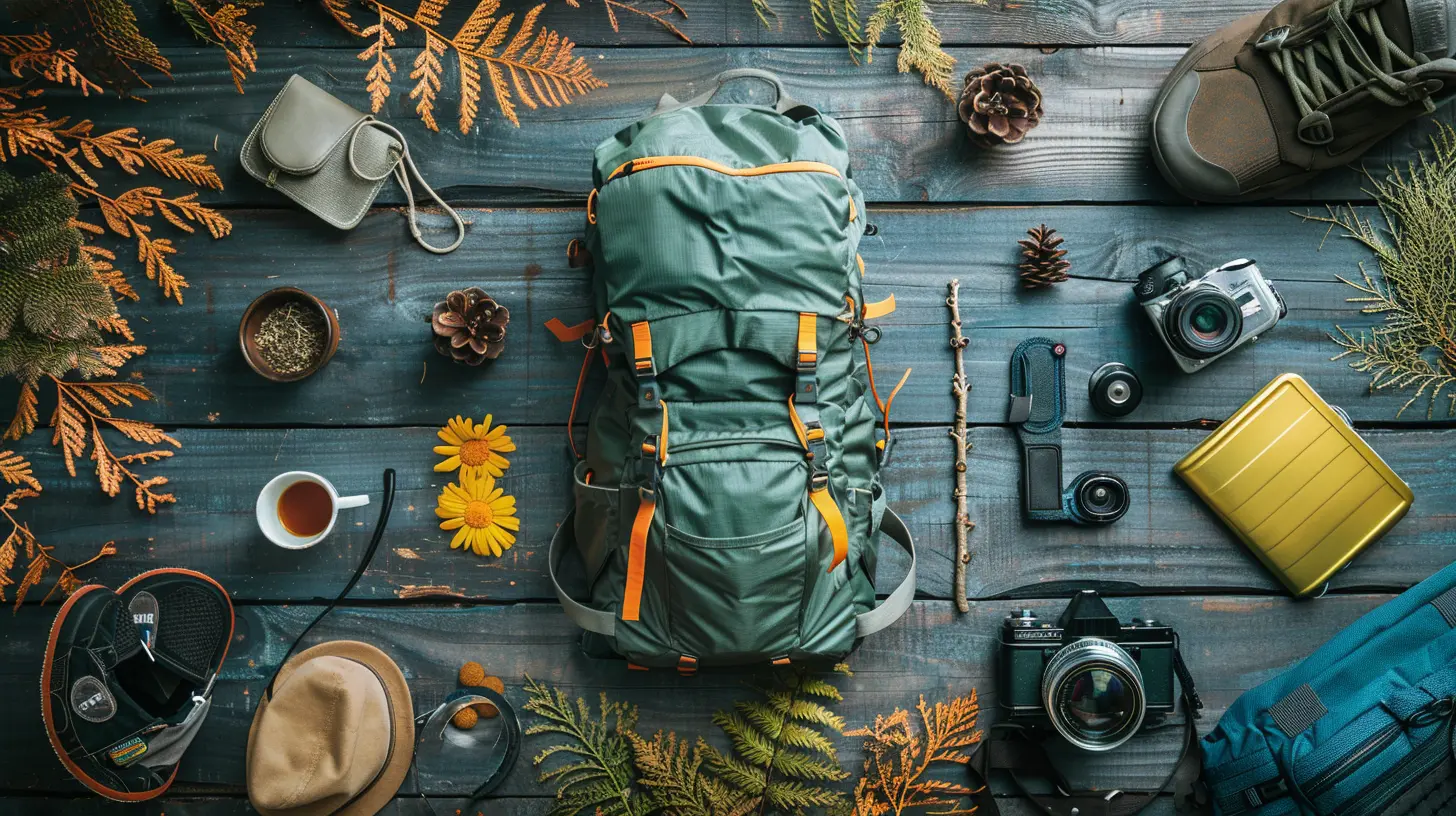
Why Packing Light and Green Matters
Let’s be real—most of us have been guilty of overpacking at some point. An extra pair of shoes, just in case. That bulky jacket, because what if it gets cold? And suddenly, you're lugging around a small mountain on your back.The Problem with Overpacking
Apart from the literal pain of carrying too much, overpacking has environmental consequences. The heavier the load, the more fuel is required for transport, whether you're flying, taking the bus, or even hiking. More weight = more emissions.The Hidden Environmental Cost of Travel Gear
Many travel products are made from plastic, synthetic materials, and non-biodegradable chemicals. Fast fashion applies to outdoor gear too—cheap, mass-produced travel accessories don't last long and contribute to waste.So, how do you strike the perfect balance? Let’s dive in. 
1. Choose the Right Bag
Your bag is the foundation of your packing game. Think of it as your mobile home—it should be functional, lightweight, and eco-friendly.Go for a Sustainable Backpack
Look for one made from recycled or organic materials, like:- Recycled PET fabric (made from plastic bottles)
- Hemp or organic cotton (biodegradable and durable)
- Bluesign® certified materials (ensuring minimal environmental impact)
Size Matters
A smaller bag forces you to take only what you need. A 30- to 40-liter backpack is perfect for most eco adventures. Anything bigger is an invitation to overpack.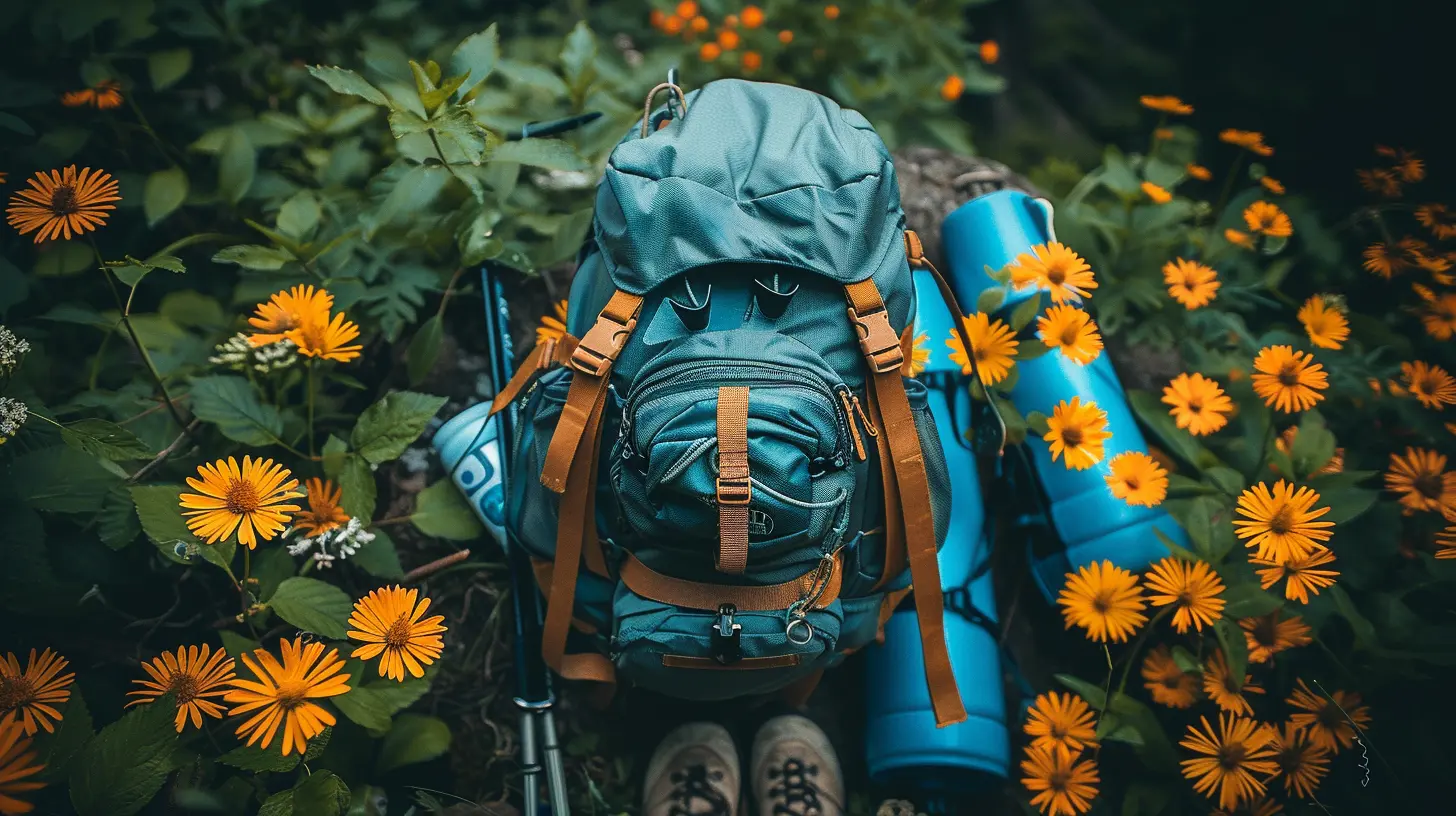
2. Pack Multi-Use Clothing
Clothing is where most people go overboard. But here’s the trick: pack smart, not more.Opt for Versatile, Layer-Friendly Pieces
Instead of bringing separate outfits for every occasion, choose clothes that mix and match easily. Some key essentials:- A merino wool base layer – It regulates temperature, dries fast, and resists odors.
- Lightweight, quick-dry pants – Great for hiking, city exploring, or even sleeping.
- A waterproof shell jacket – Doubles as a windbreaker and raincoat.
- Multi-functional scarf or buff – Works as a head covering, face mask, or towel substitute.
Sustainable Fabrics
Look for materials that are eco-friendly and durable:- Merino wool (biodegradable and odor-resistant)
- Tencel (Lyocell) (made from sustainable wood pulp)
- Recycled polyester (made from post-consumer waste)
3. Minimize Toiletries (Without Compromising Hygiene)
Tiny bottles of shampoo and body wash may seem convenient, but they contribute to plastic waste. Instead, go for solid options and biodegradable alternatives.Solid Toiletries for the Win
- Shampoo and conditioner bars – Last longer and don’t require plastic packaging.- Solid soap (biodegradable) – Doubles as body wash and laundry detergent.
- Toothpaste tablets – No plastic tubes, no mess.
- Reusable razor – Say goodbye to disposable plastic razors.
The 3-1-1 Rule for Carry-Ons
If you're flying, liquid toiletries must fit in a single quart-sized bag. Stick to small, reusable bottles if necessary.4. Smart Packing Techniques
Now that you’ve nailed down what to bring, the next question is: How do you pack it efficiently?Use Packing Cubes (But Make Them Sustainable)
Packing cubes help organize your bag, but opt for ones made from recycled materials. They compress clothes, making it easier to fit everything without creating chaos.Roll, Don’t Fold
Rolling your clothes saves space and prevents wrinkles. It’s a win-win.Stuff Socks into Shoes
Make use of dead space—sneakers and boots have built-in storage (hello, socks and toiletries!).5. Eco-Friendly Travel Gadgets & Gear
Tech gear can be an afterthought, but if you’re serious about light and green travel, you'll want sustainable, energy-efficient gadgets.Solar-Powered Chargers
Instead of relying on traditional power banks, invest in a solar charger. It keeps your devices powered without draining electricity.Collapsible and Reusable Essentials
- Reusable water bottle with a filter – A lifesaver when access to clean water is limited.- Collapsible coffee cup – Perfect for take-out drinks without single-use waste.
- Reusable silicone bags – Replace plastic zip-lock bags for snacks and toiletries.
6. Sustainable Footwear: One Pair is Enough
Shoes are bulky, and bringing too many weighs you down fast. Instead, pick one all-purpose pair that suits most activities:- Lightweight hiking shoes (if trekking is on your agenda)
- Eco-friendly sneakers (for urban adventures and light hiking)
- Minimalist sandals (if you're heading somewhere warm)
Look for brands that use vegan leather, recycled rubber, or plant-based materials.
7. Say No to Waste: Zero-Waste Travel Hacks
Traveling green isn’t just about packing eco-friendly—it’s also about leaving no trace.Zero-Waste Travel Kit
- Bamboo cutlery & metal straw – Avoid single-use plastic utensils.- Cloth napkin – Doubles as a handkerchief or mini towel.
- Beeswax wraps – Keep snacks fresh without plastic wrap.
Carry a Small Trash Bag
This is a game-changer. A simple bag lets you pack out your waste, so you’re not leaving litter behind—especially on trails.8. Travel Light on Digital Waste
Bet you didn’t see this one coming! Digital waste is real. Overloaded devices drain energy faster, and unnecessary cloud storage contributes to massive energy consumption in data centers.Declutter Before You Go
- Delete unused apps.- Organize your travel documents digitally (no need for extra paper).
- Download offline maps instead of relying on constant data usage.
Final Thoughts: Light & Green is the Way to Go
Packing light and green isn’t just an eco-friendly choice—it’s a game-changer for stress-free travel. You move easier, reduce your footprint, and embrace a more conscious way of exploring the world.So, next time you gear up for an adventure, ask yourself: Do I really need this? Chances are, you don’t. And that's the secret to sustainable, hassle-free travel.
What’s Your Best Eco Travel Hack?
Drop it in the comments! Let’s make sustainable travel the norm, not the exception.all images in this post were generated using AI tools
Category:
Eco TravelAuthor:

Kelly Hall
Discussion
rate this article
2 comments
Daria Carter
Efficient packing enhances eco-friendly travel experience.
March 24, 2026 at 3:40 PM
Kelly Hall
Absolutely! Efficient packing not only minimizes waste but also promotes sustainable travel practices, allowing you to enjoy your eco-adventure with a lighter footprint.
Eloise Navarro
Packing light and green enhances your eco-adventure by minimizing waste and carbon footprint, while maximizing convenience and enjoyment in nature’s beauty.
March 10, 2026 at 3:24 AM