How to Rent a Car in Europe as an American Traveler
23 July 2026
So, you’re planning a trip to Europe and considering renting a car? First of all, great choice! Renting a car is one of the best ways to see the hidden gems of Europe on your own schedule. You can cruise through the Tuscan countryside, chase sunsets along the rugged cliffs of Ireland, or sip coffee in a French village most tourists never even hear about.
But let’s be real — if you’re an American traveler, the idea of driving in Europe might sound a little intimidating. Manual transmissions? Roundabouts the size of stadiums? Foreign road signs? Yep, we’ve all been there. The good news? It’s totally doable — and it can be downright fun once you get the hang of it.
In this guide, I’ll walk you through everything you need to know about how to rent a car in Europe as an American traveler — from paperwork and insurance to driving tips and what to expect on the roads. Ready to buckle up?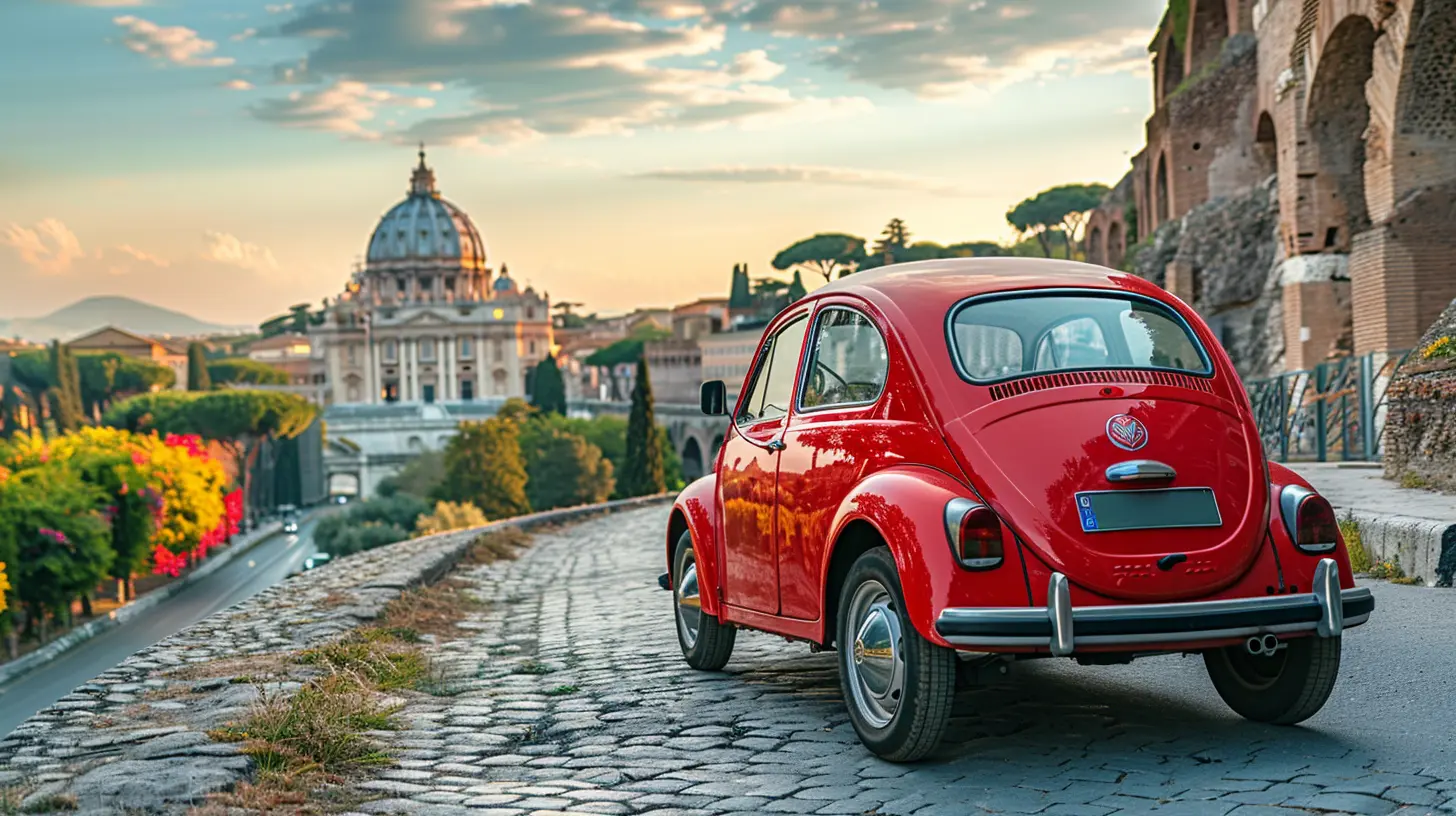
Why Rent a Car in Europe?
Before we dive into the nitty-gritty, let’s quickly talk about why renting a car in Europe is such a game-changer.Sure, trains are fantastic in many parts of Europe. But they don’t go everywhere. If you're itching to explore quaint villages, coastal hideaways, or countryside vineyards, a rental car gives you the freedom to stop wherever your heart (or stomach) desires. Plus, you control your own schedule — no more rushing to catch that 6:52 a.m. train.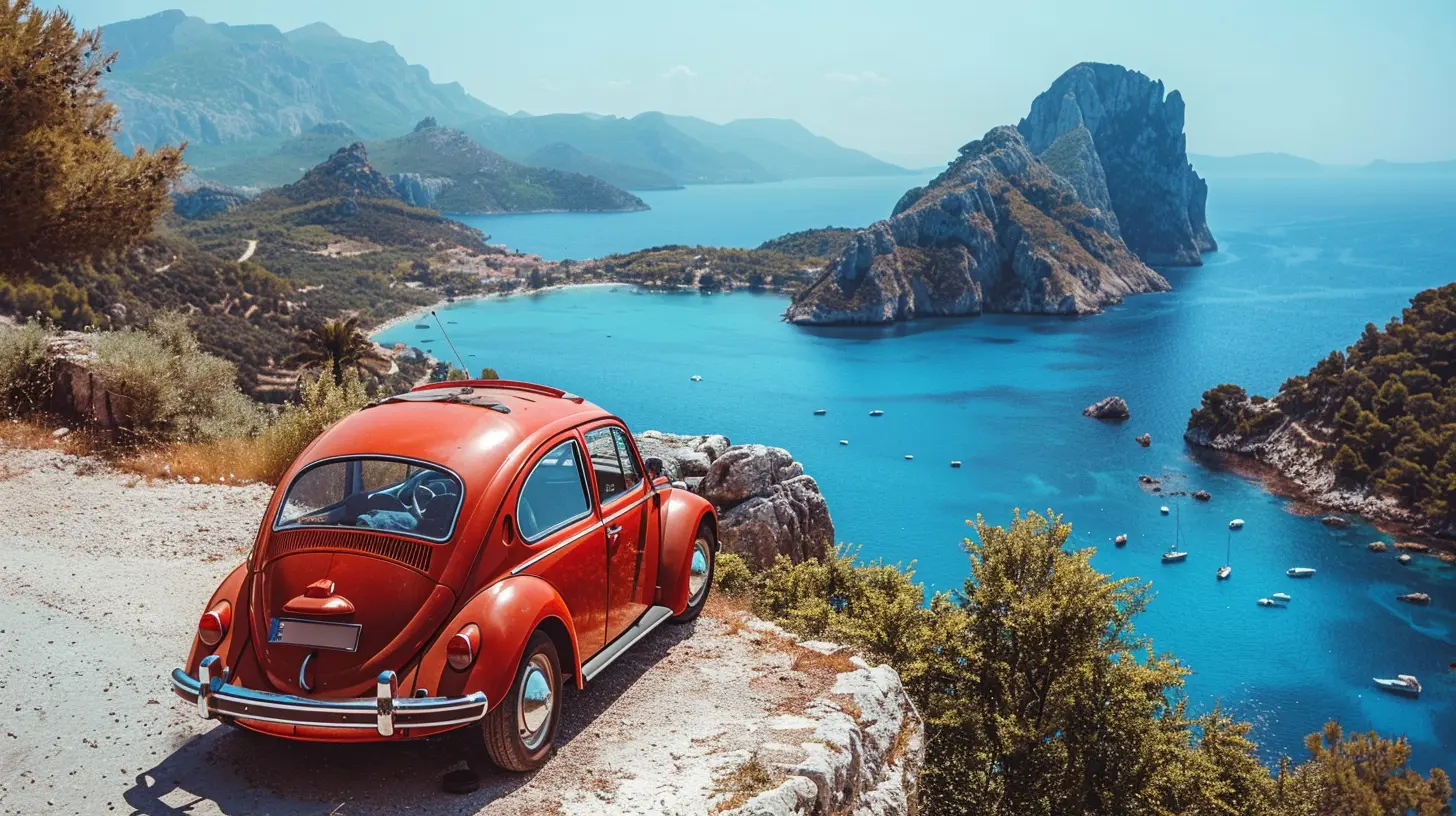
Choosing the Right Rental Car Company
Okay, let’s talk options. While you’re probably familiar with big names like Hertz, Avis, or Enterprise, Europe also has tons of regional rental companies — sometimes with better rates and friendlier policies.Tips for Picking a Rental Company:
- Stick with reputable names if this is your first European rental.- Compare prices on aggregator sites like Kayak, Rentalcars.com, or Auto Europe.
- Watch out for hidden fees, like airport surcharges or extra driver charges.
- Read reviews, especially about customer service and the pickup/drop-off experience.
? Pro Tip: If you're renting across countries, make sure the company allows cross-border travel and doesn't charge hefty fees for it.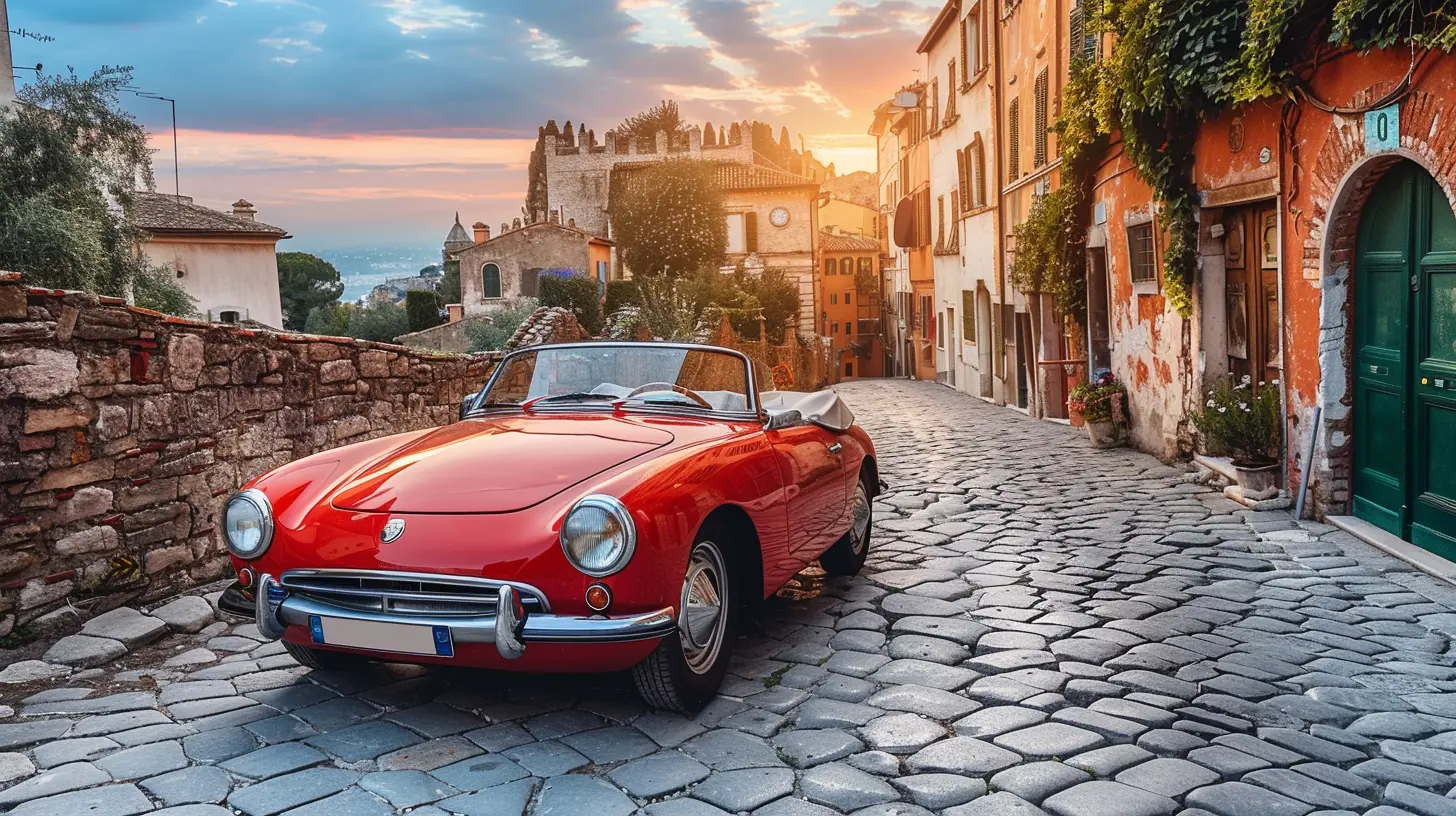
What You’ll Need to Rent a Car
You can’t just stroll into a rental office with your passport and a smile. There are a few things you absolutely need in order to rent a car in Europe as an American traveler.1. A Valid U.S. Driver’s License
Yep, your regular American driver’s license is totally fine in many European countries — at least to start.2. An International Driving Permit (IDP)
This is a biggie. Even though not all European countries strictly require it, many do — and rental companies might ask for it, even if local laws don’t. It’s basically a translation of your U.S. license and is super easy to get through AAA (around $20 and a passport photo or two).? Think of it like packing an umbrella. You might not need it, but if you do, you’ll be glad you have it.
3. A Credit Card (Preferably with Travel Perks)
Most rental companies require a credit card for the deposit. Bonus points if your card offers rental car insurance coverage — which brings us to the next section.
Understanding Car Insurance in Europe
Insurance can be the trickiest part of renting a car abroad. But don’t worry, I’ll break it down.Types of Rental Car Insurance:
- Collision Damage Waiver (CDW): Covers you if the car’s damaged. Not technically insurance, but you’ll want it.- Liability Insurance: Covers damage to others (people or property).
- Theft Protection: Yep, self-explanatory.
- Super CDW: A souped-up version of CDW — often reduces your deductible to zero.
?️ Important: Many U.S.-issued credit cards offer CDW coverage if you pay for your rental using the card and decline the rental company’s CDW. Just check ahead with your card issuer to confirm what’s covered — and what’s not.
Manual vs. Automatic: Choose Wisely
You're probably used to automatics, right? Well, here's the deal — in Europe, manual (stick-shift) cars are the norm and tend to be cheaper. Automatics are available but can be hard to find, especially in smaller towns or with smaller rental companies.So unless you’re confident in your clutch skills, it’s best to splurge a little for an automatic. Trust me, stalling on a cobblestone hill in Rome is a travel moment no one wants to remember.
Booking Tips For Better Deals
Let’s talk strategy. Booking your rental car isn’t rocket science, but there are ways to save yourself a few bucks and a lot of hassle.Book Early
Like flights and hotels, rental car prices can skyrocket the closer you get to your trip. Booking a few months ahead often gets you the best deal.Rent and Return at the Same Location
One-way rentals are super convenient but often come with extra fees — sometimes hundreds of dollars. If you can plan your trip to loop back to your starting point, you’ll save big.Watch for Unlimited Mileage
Some rental agreements limit how many miles (or kilometers!) you can drive per day. That’s not ideal for road trippers. Look for deals that offer unlimited mileage.Know the Driving Rules (Each Country is a Little Different!)
Driving in Europe isn’t wildly different from driving in the U.S., but every country has its own quirks.General Tips for Driving in Europe:
- Speed limits are in kilometers per hour, not miles. You’ll adjust quickly.- Roundabouts are everywhere. Always yield to traffic inside the circle.
- Seat belts and headlights are required pretty much everywhere.
- Some cities have restricted zones (ZTLs) — especially in Italy. Entering one without permission = a ticket, even months later!
?️♂️ My advice? Google “[country name] driving tips” before you go. It'll give you a good idea of local rules.
Tolls, Fuel, and Parking — Oh My!
Let’s talk about the small stuff no one remembers until it's too late.Tolls
Many European highways (especially in France, Italy, and Spain) are tolled. You’ll usually get a ticket when you enter and pay when you exit — often with cash or card.In some countries like Austria or Switzerland, you’ll need to buy a "vignette" (a toll sticker) before using highways. These are sold at border crossings or gas stations.
Fuel
Fuel (called petrol or diesel) is pricey in Europe — often twice what we pay in the U.S. Pay attention to what your car takes and double-check before filling up. Mixing up diesel and gas? That’s a costly mistake.?️ Quick tip: “Unleaded” = gas. “Diesel” = well, diesel. Watch the pump colors — they’re not the same as in the States.
Parking
Parking can be a nightmare in cities. Look for blue lines (often paid parking) or park in official garages. Don’t try to squeeze into a questionable spot — fines and tows are no joke.Cross-Border Travel: Yes, But…
Thinking of road-tripping across multiple countries? Awesome. You can definitely do that — just make sure your rental agreement allows it.Some rental companies have restrictions on where you can take their cars. For example, driving a Western Europe rental into Eastern Europe might not be allowed — or it could cost extra.
✍️ Always double-check with your rental company before crossing borders. It’s better to ask than to assume.
Returning the Car: Read the Fine Print
Returning the car should be easy, but there are a few things to keep in mind:- Fuel level: Most rentals require you to return the car with a full tank. If not, you’ll pay a premium — sometimes double!
- Timing: Many rental locations charge by the 24-hour window. Returning the car late can cost you a whole extra day.
- Condition: Obvious, but don’t trash the car. Take photos when you pick up and drop off the car to avoid disputes.
Final Thoughts: Is Renting Worth It?
Absolutely. Renting a car in Europe as an American traveler isn’t just doable — it can seriously elevate your trip. You’ll get to explore parts of the continent that buses and trains just don’t reach, and do it all on your own schedule.Sure, there’s a learning curve. But once you’ve done it once, the freedom is addictive. The spontaneity of pulling off a country road to photograph a sunflower field? That’s the type of moment that becomes a core memory.
So go ahead — take the scenic route. Europe is waiting.
Quick Recap Checklist ?
Before you hit the road, make sure you’ve got:✔️ U.S. Driver’s License
✔️ International Driving Permit (IDP)
✔️ Credit Card with Rental Insurance (if possible)
✔️ Booked Automatic Car (if you can't drive stick)
✔️ Know Local Driving Rules
✔️ GPS or Phone with Maps
✔️ Patience for Roundabouts
all images in this post were generated using AI tools
Category:
Car RentalsAuthor:

Kelly Hall