How to Travel Sustainably in the Himalayas
17 June 2026
The Himalayas—the roof of the world—hold a special place in the hearts of adventurers, nature lovers, and spiritual seekers. Towering peaks, untouched landscapes, and unique cultures make the region a must-visit. But with great beauty comes great responsibility. Tourism, if not managed well, can seriously harm these delicate ecosystems and communities.
So, how do you travel sustainably in the Himalayas? Let’s break it down into actionable steps so you can enjoy this breathtaking region while minimizing your footprint. 
1. Choose Responsible Tour Operators
If you’re booking a guided trek or expedition, pick a tour operator that follows ethical and sustainable practices. Look for companies that:- Employ local guides and porters at fair wages
- Follow “Leave No Trace” principles (meaning they clean up after themselves)
- Support local conservation efforts
- Limit group sizes to reduce the environmental impact
How Can You Identify a Responsible Tour Company?
Check online reviews, certifications (such as Travelife or GSTC), and see if they partner with conservation organizations. Also, ask questions—ethical businesses will happily answer!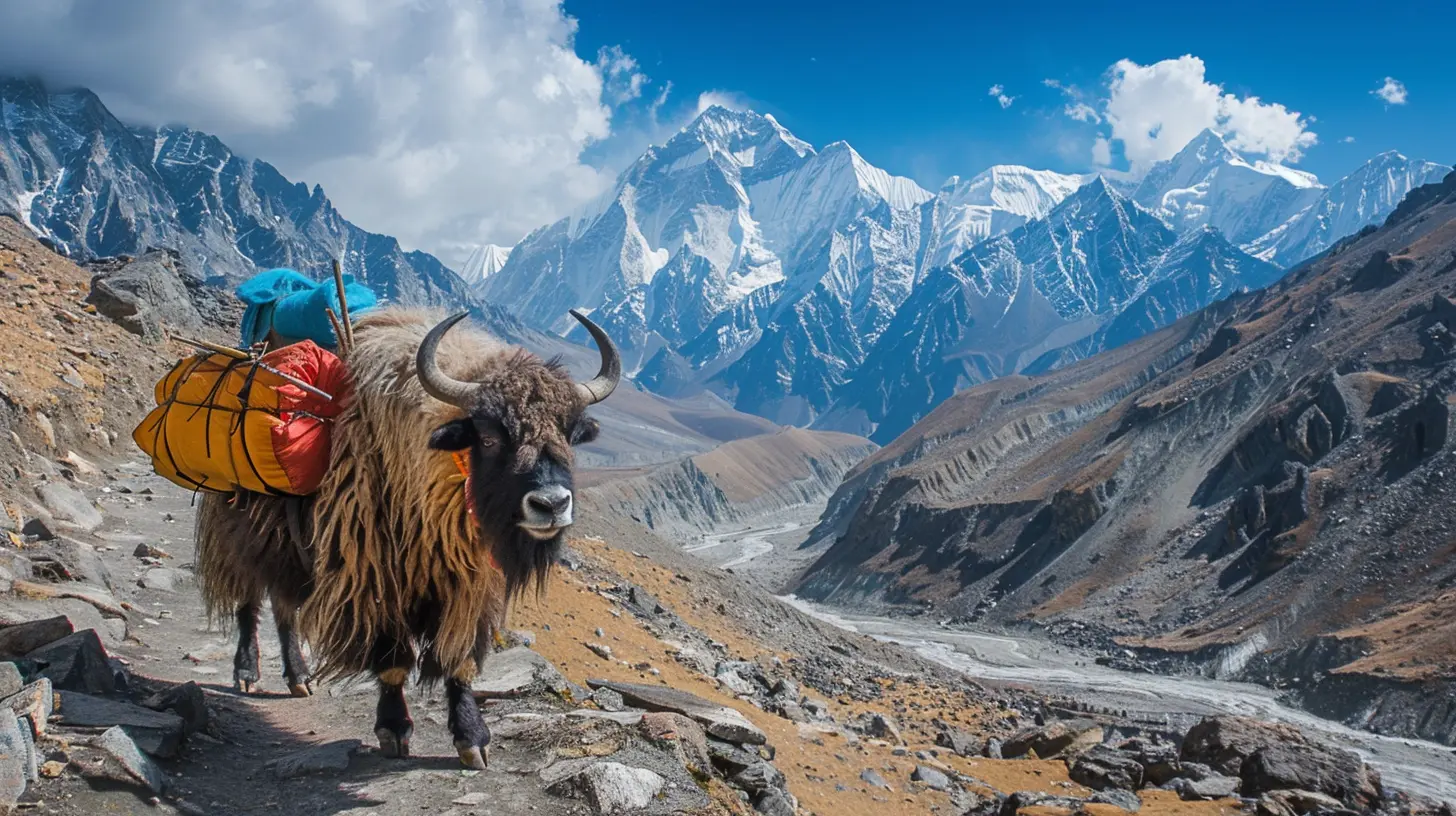
2. Pack Light and Smart
Every extra pound you carry means more energy is required for transport, whether by porters, yaks, or even yourself. Packing efficiently reduces the burden on the environment and local resources.Here are some smart packing tips:
- Bring eco-friendly toiletries – Use biodegradable soap, shampoo bars, and toothpaste tablets to avoid polluting water sources.
- Carry a reusable water bottle and filter – Single-use plastic bottles are a major problem in the Himalayas. A good filter or purification tablets will keep you safe and hydrated.
- Select energy-efficient gear – LED headlamps, rechargeable batteries, and solar chargers reduce waste.
- Wear sustainable clothing – Buy second-hand or invest in brands that prioritize ethical sourcing and production. 
3. Respect Local Culture and Traditions
The Himalayas are home to diverse cultures, languages, and spiritual traditions. Being mindful of how you interact with locals can make a huge difference in promoting sustainable tourism.What Can You Do?
- Dress modestly – Many Himalayan regions have conservative norms. Covering shoulders and knees is a sign of respect.- Ask before taking photos – Not everyone is comfortable being photographed. A simple smile and request can go a long way.
- Support local crafts – Instead of mass-produced souvenirs, buy handmade goods directly from artisans. It helps preserve traditional skills and supports families.
- Learn basic phrases – A little effort in the local language (Nepali, Tibetan, Ladakhi, etc.) can create meaningful interactions and show respect.

4. Reduce Waste and Plastic Usage
Waste disposal is a huge challenge in the high-altitude regions of the Himalayas. With limited recycling options, most non-biodegradable waste either piles up or gets burned—releasing harmful toxins into the air.How Can You Minimize Waste?
✅ Avoid single-use plastics – Carry reusable bags, containers, and utensils. A collapsible cup and a bamboo cutlery set can be super handy.✅ Bring back your trash – If you pack it in, pack it out. Carry waste like snack wrappers and dispose of them responsibly in a larger town.
✅ Refill instead of buying bottled water – Many guesthouses offer boiled or filtered water for a small fee. It’s a win-win: safe drinking water without plastic waste.
✅ Say no to wet wipes – They contain plastic fibers and don’t decompose. Opt for biodegradable wipes or a simple washcloth.
5. Choose Sustainable Accommodation
Where you stay matters. Many lodges and homestays in the Himalayas are now adopting eco-friendly practices. Before booking, look for places that:- Use solar energy for heating and electricity
- Offer composting toilets to reduce water usage
- Cook with locally sourced ingredients
- Have waste-reduction programs in place
Want an even more immersive experience? Stay in a homestay! It not only provides a cultural experience but also directly benefits the family hosting you.
6. Mind Your Energy Consumption
Up in the mountains, resources are limited. Electricity is often generated through hydropower or solar panels, and excessive usage can strain local supplies.Simple Ways to Conserve Energy:
- Limit hot showers—Most rely on firewood or solar energy. If possible, use cold water (bonus: it’s refreshing after a long trek!).- Turn off lights and unplug devices when not in use.
- Use fewer electronic gadgets to reduce charging demands. Books and good old-fashioned conversation are great alternatives!
7. Travel Off-Peak and Off-Beaten Paths
Mass tourism can overwhelm popular trekking routes like Everest Base Camp, Annapurna Circuit, or Ladakh’s Pangong Lake. Visiting during the shoulder season or opting for lesser-known trails helps distribute tourism benefits more evenly.Why Go Off-Beat?
- You’ll have a more serene experience — Fewer crowds mean more meaningful interactions with nature and locals.- It spreads economic benefits — Lesser-known villages also deserve a piece of the tourism pie.
- Nature gets a break — High foot traffic can lead to soil erosion and habitat disruption.
Some beautiful but less-touristy treks include the Dhaulagiri Circuit, Kanchenjunga Base Camp, and the Markha Valley trek in Ladakh.
8. Be Mindful of Wildlife and Nature
The Himalayas are home to incredible wildlife, including the elusive snow leopard, red pandas, Himalayan black bears, and various bird species. But human activities can threaten their existence.Guidelines for Responsible Wildlife Watching:
- Keep a respectful distance – Don't disturb animals by getting too close for a selfie.- No feeding wildlife – It disrupts their natural diet and makes them dependent on human food.
- Stick to marked trails – This prevents habitat destruction and avoids accidental harm to wildlife.
- Say no to animal exploitation – Avoid riding poorly treated yaks or participating in unethical wildlife attractions.
9. Give Back to the Communities
Sustainable travel isn't just about reducing harm—it’s also about giving back! Simple actions can positively impact local communities.Ways to Contribute:
- Volunteer responsibly – If you're staying longer, find ethical opportunities to help (teaching, conservation, or medical aid).- Support local businesses – Eat at small family-run eateries instead of big chains.
- Donate wisely – Instead of giving handouts to children (which can encourage begging), donate to reputable NGOs that support education and healthcare.
10. Spread Awareness
Finally, the sustainability movement gains strength when more people get involved. Share your responsible travel experiences, encourage others to follow suit, and promote ethical tourism operators.Use social media, blogs, or even word-of-mouth to inspire fellow travelers to preserve the beauty of the Himalayas for generations to come.
Final Thoughts
Traveling sustainably in the Himalayas isn’t about making drastic sacrifices—it’s about making mindful choices. Small steps like avoiding plastic, respecting local culture, and choosing eco-friendly stays add up to a big impact.So, as you set out on your Himalayan adventure, remember: take only memories, leave only footprints, and give back more than you take. The mountains will thank you!
all images in this post were generated using AI tools
Category:
Asia TravelAuthor:

Kelly Hall