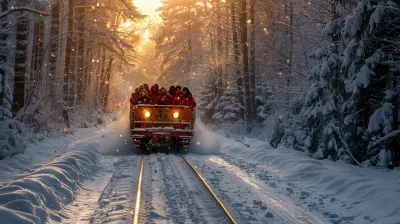
Immersive Cultural Experiences on Your Next Farm Stay
14 March 2026
Ever dreamed of waking up to the sounds of roosters crowing instead of blaring city traffic? Or sipping a fresh cup of milk straight from the cow that produced it hours ago? If that sounds like a refreshing change, then buckle up, because farm stays aren’t just about hayrides and feeding goats anymore. They’re the ultimate ticket to step into a whole new lifestyle—even if it's just for a weekend.
Welcome to the world of immersive cultural experiences on your next farm stay, where tradition meets travel in the most hands-on, boots-on, taste-and-touch kind of way.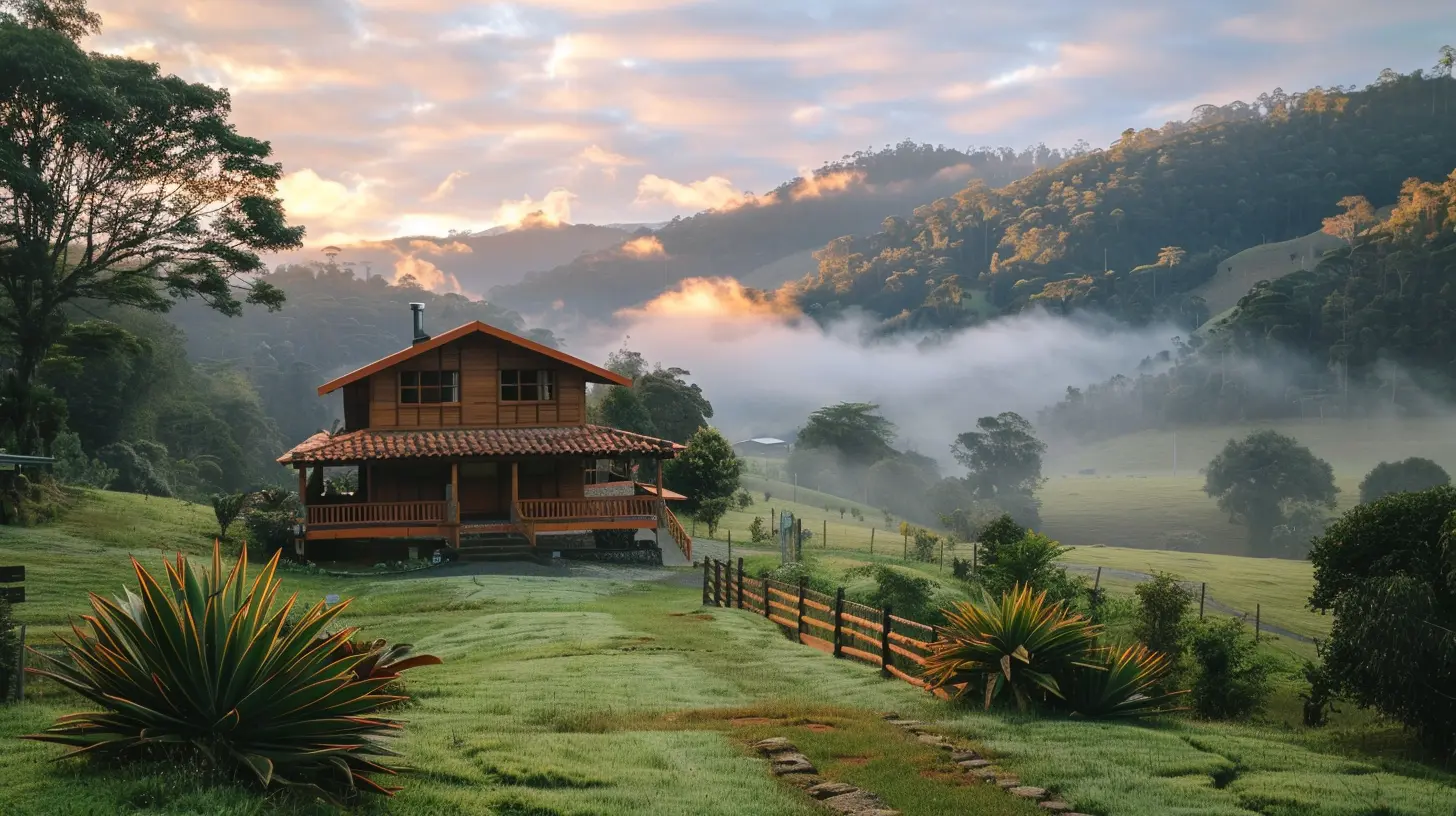
What Is a Farm Stay, Really?
Let’s start with the basics. A farm stay is a type of vacation where you lodge on a working farm and get to experience the daily life of farmers. But don't imagine yourself getting stuck in hard labor (unless you want to!). It’s about learning through doing. From milking cows and collecting eggs to baking bread and herding sheep—it’s your chance to roll up your sleeves and live the life of the locals.And the best part?
Many farm stays are deeply rooted in their regional cultures, offering not just a place to sleep, but a fully immersive experience—language, food, customs, stories, and all.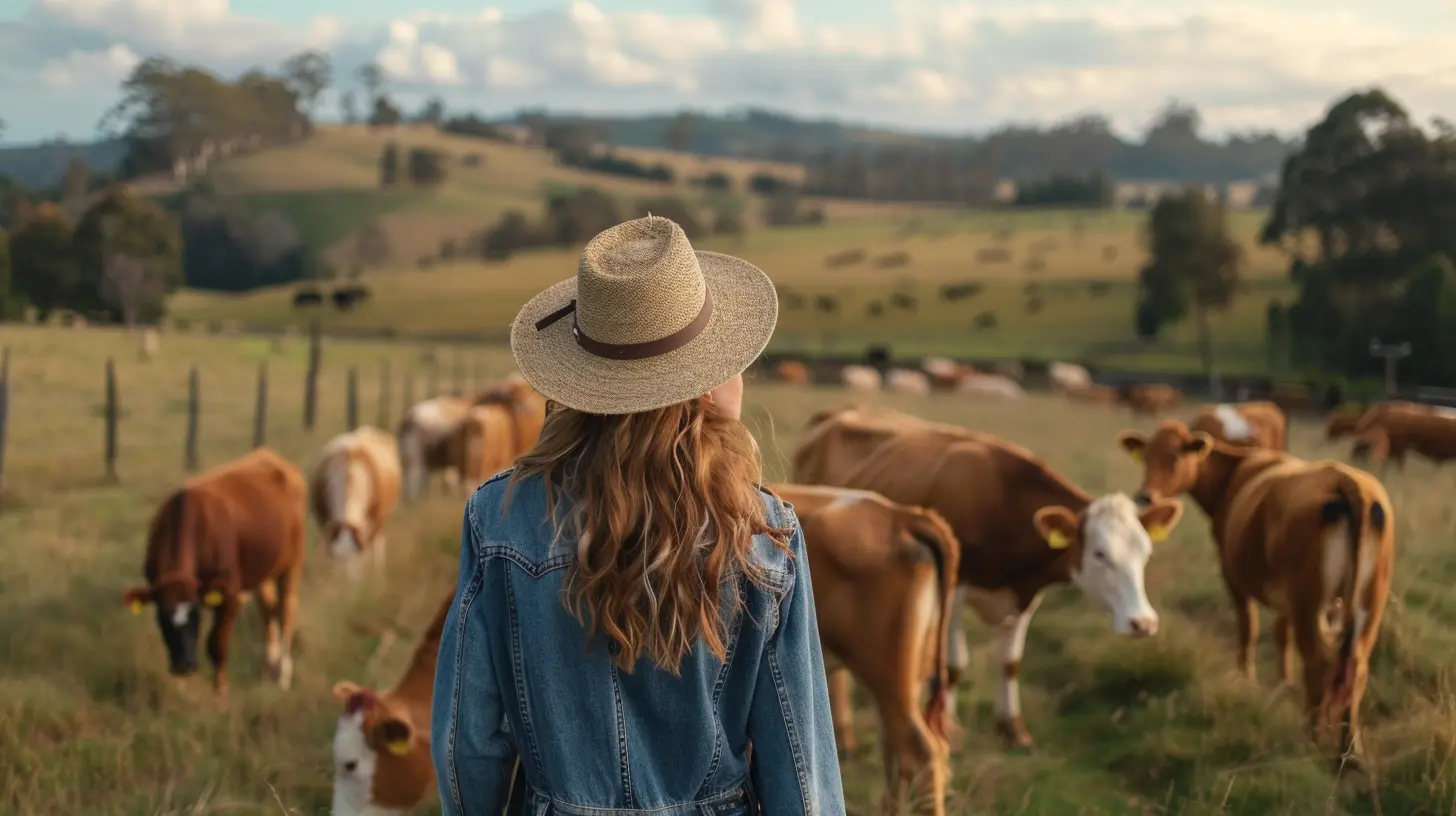
Why Choose a Farm Stay for Cultural Immersion?
Let’s face it. Buzzing through five cities in seven days barely scratches the surface of understanding a culture. You see the highlights, sure, but do you feel it?Farm stays flip the script. Instead of being a tourist, you become a temporary insider. You're not just tasting a dish—you’re learning the recipe from someone whose family has been cooking it for generations. You're not just watching traditional dances—you’re clumsily trying them yourself under the stars.
Farm stays give you more than a vacation—they give you a story. One with dirt under your nails and joy in your soul.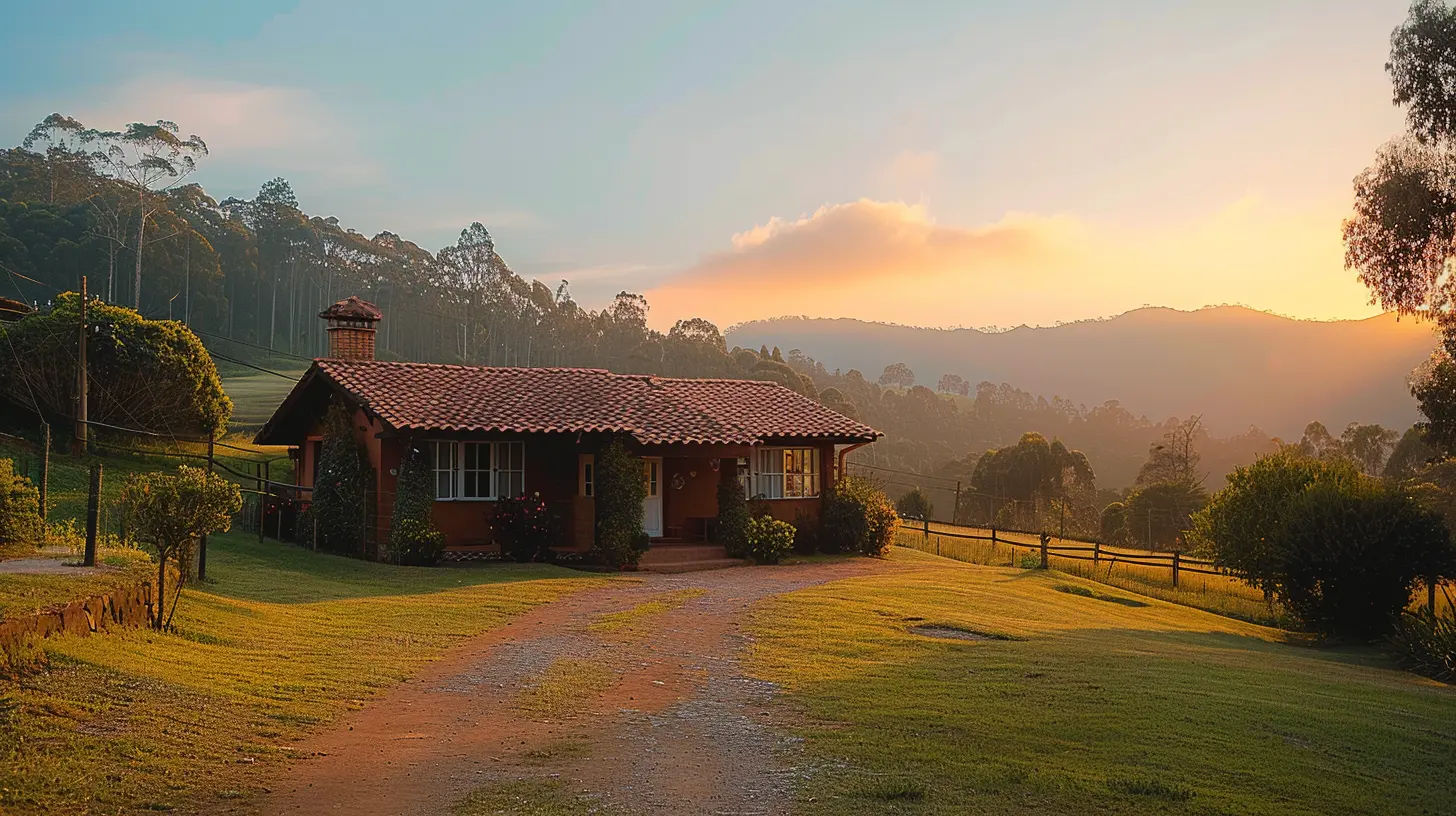
Local Cuisine: From Field to Fork
Food is culture. Period. And when you stay on a farm, you don’t just eat local—you eat hyper-local. You’re eating what’s grown right outside your window.1. Cooking with Locals
Many farm stays include home-cooked meals, and often invite guests into the kitchen. It’s not just about following a recipe—it’s about understanding why a dish is made a certain way, during a certain season, and how it's tied to local beliefs and history.In Tuscany? You might learn to make gnocchi under the guidance of a nonna who swears by using flour from their own wheat.
2. Farm to Table—Literally
Imagine collecting eggs in the morning and having them poached for breakfast. Or picking tomatoes and herbs and tossing them into a pizza sauce that afternoon. It's not just fresh—it’s fulfilling.3. Unique Flavors You Can’t Find Elsewhere
Many farms grow heirloom varieties of fruits and vegetables or raise indigenous animal breeds you won’t see on supermarket shelves. Trying these gives your palate a passport stamp all its own.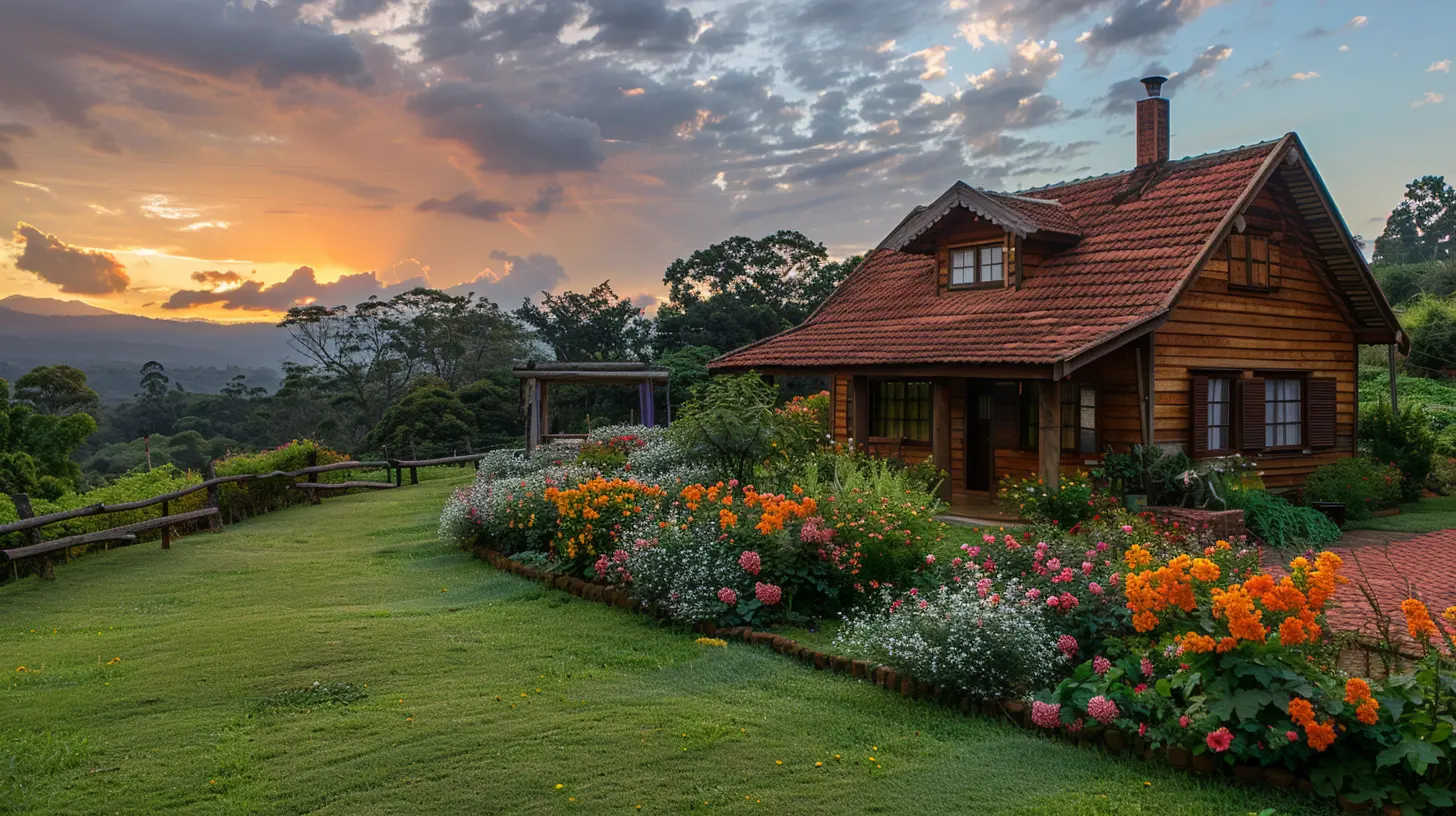
Traditions and Folklore: Living History Lessons
One of the biggest perks of staying on a family-run farm is the storytelling. You're not just hearing about history—you’re living in it.1. Festivals & Seasonal Events
Farm communities thrive on seasonal rhythms. From harvest festivals to solstice celebrations, you're likely to catch some authentic event no matter when you go.In Spain’s olive country, for example, you might join in the Fiesta de la Cosecha, helping harvest olives and dance around bonfires.
2. Artisan Crafts
Ever tried your hand at weaving, cheese-making, or blacksmithing? No? Well, a farm stay often includes workshops by local artisans. Making something with your own two hands creates a connection no souvenir shop can replicate.Language and Social Interaction
When you stay in a city hotel, you interact with receptionists and waiters. On a farm? You're chatting with your host over coffee, learning local slang, and maybe even absorbing bits of a new language without realizing it.Farm stays are intimate. You’ll probably eat meals at a communal table, share stories, and laugh a lot—even if it's in broken sentences and wild gesturing.
It’s not a language barrier. It’s a language bridge.
Daily Life: Get Your Hands Dirty (or Not)
Part of immersion is just... living. Participating in the ebb and flow of rural life.1. Farming Chores
Milking cows, feeding pigs, planting vegetables—these aren’t just chores; they’re cultural rites. They show you how people live, what matters to them, and how human beings have coexisted with the land for centuries.And don’t worry—you won’t be asked to dig a well or anything (unless that’s your thing).
2. Nature-Based Mindfulness
Farms force you to slow down. Whether it's watching the sunrise with a thermos of fresh milk or taking a walk through an orchard, this slower pace lets you take in the world around you with fresh eyes.Types of Cultural Farm Stays Around the World
Where you go matters. Different countries offer different flavors of farm life. Here’s a taste of what you’ll find worldwide.1. Italy (Agriturismo)
Italy’s agriturismi are legendary. These farm stays blend vineyard life, olive harvesting, pasta-making, and old-world hospitality into one delightful package.You’ll likely stay in a rustic yet charming farmhouse surrounded by sunflowers or grapevines. Picture yourself sipping Chianti made from grapes grown just meters away.
2. Japan (Nōka Minpaku)
Japan’s rural hospitality is unmatched. Stay with a farming family in a small village, eat fresh rice, learn calligraphy, or join a tea ceremony. You’ll experience ancient traditions in a serene setting.3. New Zealand
Think sheep, green pastures, and thrilling farm adventures. Kiwi farm stays often blend Maori cultural lessons with rugged outdoor fun. You could be shearing sheep one day and kayaking the next.4. South Africa
From wine estates to safari lodges doubling as working farms, here’s where you can learn about traditional medicine gardens, taste local braai (BBQ), or even spot a giraffe from your porch.5. India
Spice plantations, dairy farms, or rice paddies—farm stays in India burst with color, aroma, and energy. Learn traditional cooking, enjoy folk dances, or even take a ride on a bullock cart.Sustainable Travel at Its Best
Farm stays are often the poster children of sustainable tourism.- Local impact: Your money goes directly to the family or community.
- Low carbon footprint: Meals are locally sourced, and activities rely more on nature and hands than engines.
- Education & awareness: You leave with more knowledge and appreciation for cultures, farming, and life itself.
By choosing a farm stay, you're not just seeing the world—you’re helping preserve it.
Tips for Booking the Right Cultural Farm Stay
Alright, you're sold on the idea. But how do you choose the right one? Here are a few tips:1. Research the cultural aspect: Not all farm stays offer cultural interaction. Look for ones that promote local traditions, food, or language learning.
2. Read reviews and blogs: See what past guests say—usually, you’ll get a sense of how immersive the experience is.
3. Contact the hosts directly: Ask about activities. Can you join a cooking class? Help in the garden? Attend a festival?
4. Decide how hands-on you want to be: Some people want to get dirty, others just want to observe. Be honest about your comfort level.
5. Pack appropriately: Bring sturdy shoes, casual clothes, and an open mind.
6. Be respectful: You’re stepping into someone’s everyday life—so show curiosity with kindness and gratitude.
Final Thoughts: Why You'll Never Forget It
Here’s the thing. Your beach vacay might give you tan lines, but a farm stay? It gives you perspective. It sticks with you because it’s not just about where you went—it’s about what you did and felt.You’ll return home with a heart full of stories. The time you learned to bake bread with a 90-year-old farmer. The laughter shared under the stars. The new friends who felt like family.
Farm stays are living proof that the best way to travel is not just to see the place, but to live the life—even if for just a little while.
So next time you're planning a getaway, skip the all-inclusive resort, and take the road less paved. Let the rooster wake you, let the soil ground you, and let the culture transform you.
all images in this post were generated using AI tools
Category:
Farm StaysAuthor:

Kelly Hall
Discussion
rate this article
2 comments
Vanta Garcia
Embrace authentic connections; farm stays offer unparalleled cultural immersion and enriching experiences.
April 7, 2026 at 4:35 PM
Kelly Hall
Thank you! Embracing authentic connections on a farm stay truly enhances the cultural experience, allowing for deeper engagement and understanding.
Sophie McLanahan
Thank you for sharing these wonderful insights! I’m excited to explore immersive cultural experiences during my next farm stay.
March 21, 2026 at 3:15 AM
Kelly Hall
You're very welcome! I'm glad you found it helpful—enjoy your farm stay adventures!