Pros and Cons of Working Abroad You Should Know by 2027
1 May 2026
So you are sitting there, scrolling through another gray Tuesday, and a thought flickers: what if I just... left? Not for a two-week vacation, but for real. A job. A life. A different sky. The idea of working abroad has this magnetic pull, like a siren song for the restless soul. But by 2027, the world is going to look different. Remote work has already cracked the door open, and now the whole frame is splintering. Before you pack that single suitcase, let me walk you through the real trade-offs. Not the glossy Instagram version, but the raw, messy, beautiful chaos of it. We will weigh the pros and cons of working abroad like we are sitting in a noisy cafe, two cups of coffee between us, being brutally honest.

The Pros: Why Your Heart Says "Go"
1. Your Resume Gets a Rocket BoostLet us start with the obvious, the career currency. When you work abroad, you are not just adding a line to your CV. You are telling future employers, "I can handle the unexpected." By 2027, companies will value adaptability more than a perfect GPA. Navigating a foreign bureaucracy to get a visa is like a crash course in problem-solving. You learn to communicate without a safety net. You pick up a second language, even if it is just enough to order coffee and argue about the Wi-Fi. This is not just about skills on paper. It is about the grit you build. You will walk into an interview with stories that make the guy who "managed a team of three" sound like a hobbyist.
2. Your Bank Account Might Actually Grow
Here is the part nobody talks about in the travel blogs. Sometimes, the money is just better. I am not talking about getting rich overnight. I am talking about the math. A software engineer in Berlin might earn less than in San Francisco, but their rent is half the price, and healthcare is not a monthly hostage negotiation. By 2027, the global salary arbitrage game will be even sharper. You can earn in a strong currency (like the US dollar or Euro) and live in a country where the cost of living is low. That is the secret sauce. You are not just surviving; you are building a cushion. You can save for a house back home, pay off student loans, or fund a passion project. The money is not the destination, but it is a damn good engine.
3. The World Becomes Your Classroom
Think about this: every single day is a lesson. You learn that a smile means different things in different cultures. You learn that "mañana" is not laziness, it is a philosophy. You learn how to read a room without speaking the language. By 2027, with AI and automation taking over routine tasks, the one thing that will remain irreplaceable is human connection and cultural intelligence. Working abroad forces you to become fluent in nuance. You will understand why a meeting in Tokyo starts with silence, or why a lunch in Madrid takes two hours. That is not a waste of time. That is wisdom you cannot buy from a course.
4. The Personal Growth Is Inevitable
Here is the raw truth: you cannot hide when you move abroad. All the little excuses you use at home vanish. "I am too shy" becomes irrelevant when you need to ask for directions. "I am not good at networking" becomes a joke when you are the new person in a foreign office. You will be uncomfortable. That is the point. The discomfort is the forge. By 2027, the world will be more connected, but also more anxious. The person who has learned to thrive in a foreign environment will have a superpower: resilience. You will look back at your old self and wonder why you were so afraid of a simple phone call.

The Cons: Why Your Head Says "Wait"
1. The Loneliness is a Real BeastLet me be blunt. The first six months can be brutal. You will miss the sound of your native language in a crowd. You will miss the inside jokes with your friends. You will miss knowing exactly which brand of peanut butter to buy. Loneliness is not just a feeling; it is a physical weight. By 2027, even with video calls and social media, the digital connection will not replace a hug from your mom or the comfort of a familiar pub. You will have to build a new social circle from scratch, like a toddler learning to walk. It is exhausting. And some people never find their footing. The "honeymoon phase" wears off, and you are left with the reality of being a permanent outsider.
2. The Bureaucracy is a Nightmare
Nobody puts this in the brochure. Getting a work visa is like trying to solve a Rubik's cube while blindfolded. Every country has its own labyrinth of paperwork, fees, and waiting periods. By 2027, some governments will tighten borders even more, making it harder for digital nomads and foreign workers. You will need to prove you have a job, a place to live, health insurance, and sometimes a clean criminal record from every country you have ever visited. Lost documents, contradictory rules, and unhelpful officials are the norm. It can drain your savings and your soul before you even start your new job.
3. The Financial Pitfalls Are Real
Yes, you can save money. But you can also lose it fast. Currency fluctuations can eat your salary. A sudden change in tax laws can leave you with a surprise bill. You might not realize that your home country expects you to pay taxes even while you are away. Double taxation is a real monster. And if your job falls through? You are stuck in a foreign country with no safety net. By 2027, the gig economy will be even more volatile. The freedom of working abroad comes with a hidden cost: financial insecurity. You are one bad contract away from a crisis.
4. The Relationship Strain
This is the one that breaks people. Long-distance relationships with partners, family, and close friends are hard. Time zones become a constant negotiation. You miss birthdays, funerals, and the small, quiet moments that build a life together. By 2027, the pace of life will only accelerate, and your loved ones back home will have their own struggles. You might feel guilty for leaving. They might feel abandoned. The distance can turn love into a series of scheduled video calls. And if you meet someone abroad? Now you have a whole new set of cultural and logistical puzzles to solve. It is beautiful, but it is also a heavy load to carry.
5. The "Lost Years" Feeling
Here is a thought that haunts many expats. While you are out "living the dream," your friends back home are building careers, buying houses, and climbing ladders. You are trading stability for experience. By 2027, this gap might widen. The person who stayed might have a 401k and a promotion. You might have a passport full of stamps and a head full of stories. But which one is more valuable? That is a personal question. Some people come back and find themselves five years behind their peers. Others come back and realize they are light-years ahead in wisdom. The risk is real: you might feel like you are running in place while everyone else is sprinting forward.
The 2027 Reality Check: What Will Actually Change?
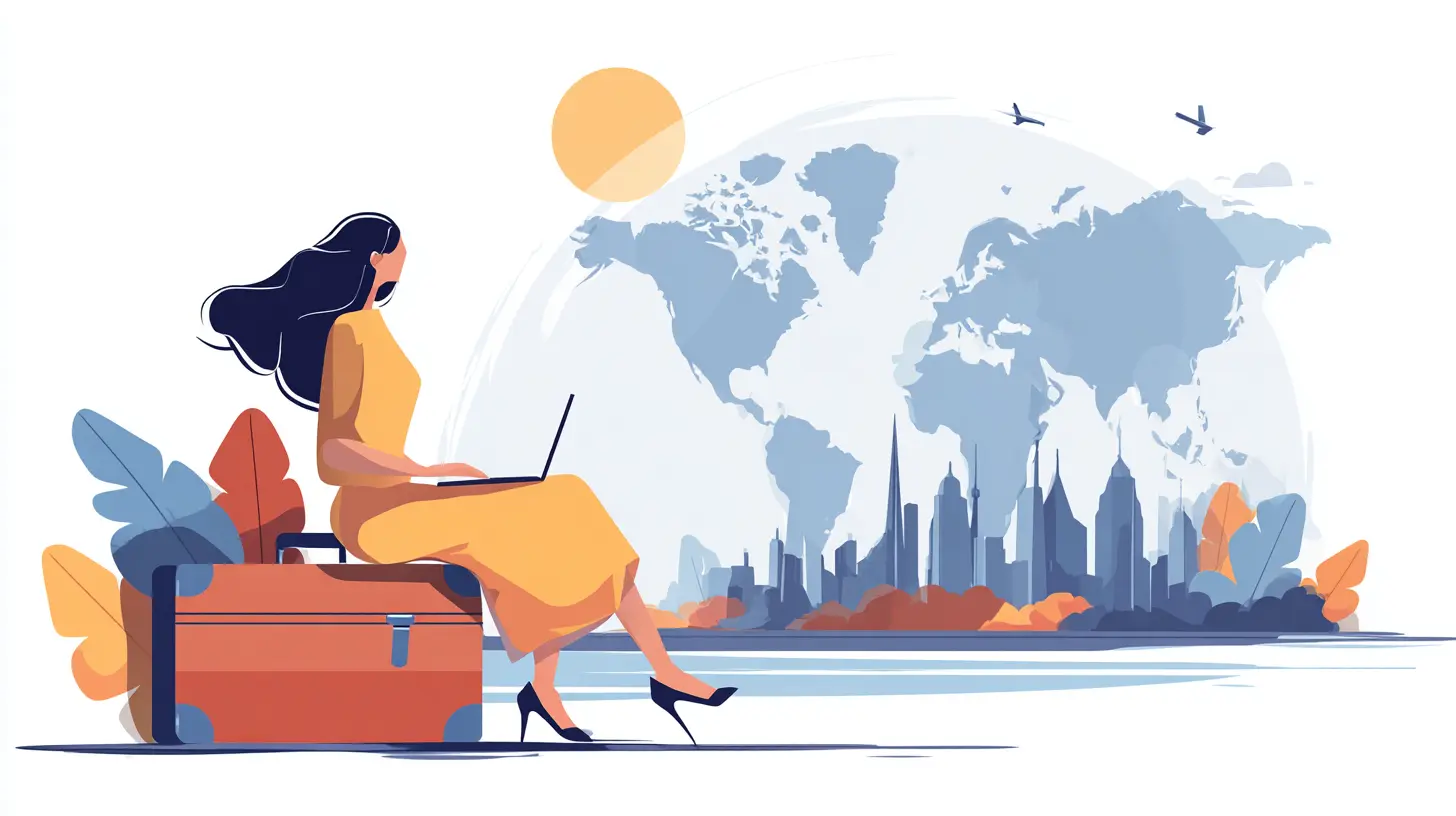
By 2027, the landscape will shift. Remote work will be the norm, not the exception. This means you might not even need a traditional visa. You could be a "digital nomad" with a special visa in countries like Portugal, Spain, or Thailand. That is a pro. The con? More competition. Everyone will be trying to do the same thing. The "cheap" destinations will become more expensive as demand rises. Local resentment towards expats might grow, especially in housing markets. You will need to be more intentional, more strategic.The biggest pro for 2027? The ability to design your life like a mosaic. You are not just picking one country. You are picking a rhythm. You might spend three months in the mountains, six months in a city, and a year by the sea. The con? The lack of roots. You will become a master of goodbyes. You will learn that every new beginning is also an ending.

The Verdict: Is It Worth It?
Look, I am not going to sugarcoat it. Working abroad is not for everyone. It is for the person who is willing to trade comfort for growth. It is for the person who understands that the cons are not obstacles, but tuition. You pay for the experience with loneliness, paperwork, and financial uncertainty. In return, you get a life that is wide open.If you are considering this by 2027, ask yourself one question: "Am I running away from something, or running toward something?" If it is the former, the cons will crush you. If it is the latter, the pros will carry you through the hard nights.
So go ahead. Book the flight. Fill out the forms. But do it with your eyes wide open. The world is waiting, but it is not a fairy tale. It is a long, strange, beautiful road. And you have to walk it yourself.
all images in this post were generated using AI tools
Category:
Working AbroadAuthor:

Kelly Hall
Discussion
rate this article
2 comments
Theodore McMichael
Working abroad: free adventures and new friends, but also missing your couch and favorite snacks...
May 5, 2026 at 3:18 AM
Arden Gray
Working abroad can be exhilarating but comes with its own set of challenges. Embrace the adventure, but stay realistic about the sacrifices involved. You might gain experience and a new perspective, but don't underestimate the cultural shocks and homesickness. Weigh the pros and cons carefully before making the leap.
May 3, 2026 at 3:41 AM
Kelly Hall
You make a great point. The adventure of working abroad is real, but so are the challenges. Balancing excitement with a clear understanding of the hurdles is essential. Thanks for sharing your insights.