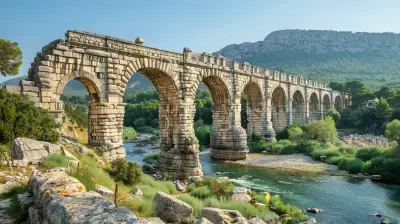
Pyramids Beyond Egypt: Discovering the World’s Forgotten Monuments
19 May 2026
When you think of pyramids, what’s the first thing that comes to mind? Probably the Great Pyramid of Giza, right? You're not alone—it’s easily the world's most famous pyramid. But what if I told you that the majestic pyramids of Egypt are just the tip of the iceberg?
Yup, pyramids aren’t exclusive to Egypt. Ancient civilizations around the globe constructed these awe-inspiring structures for wildly different reasons—some for kings, others for gods, and a few possibly even aligned with the stars. In this article, we’re going on a journey (no passport required!) to uncover the world’s lesser-known pyramids. These hidden gems are bursting with history, mystery, and, let’s be honest, bucket-list potential.
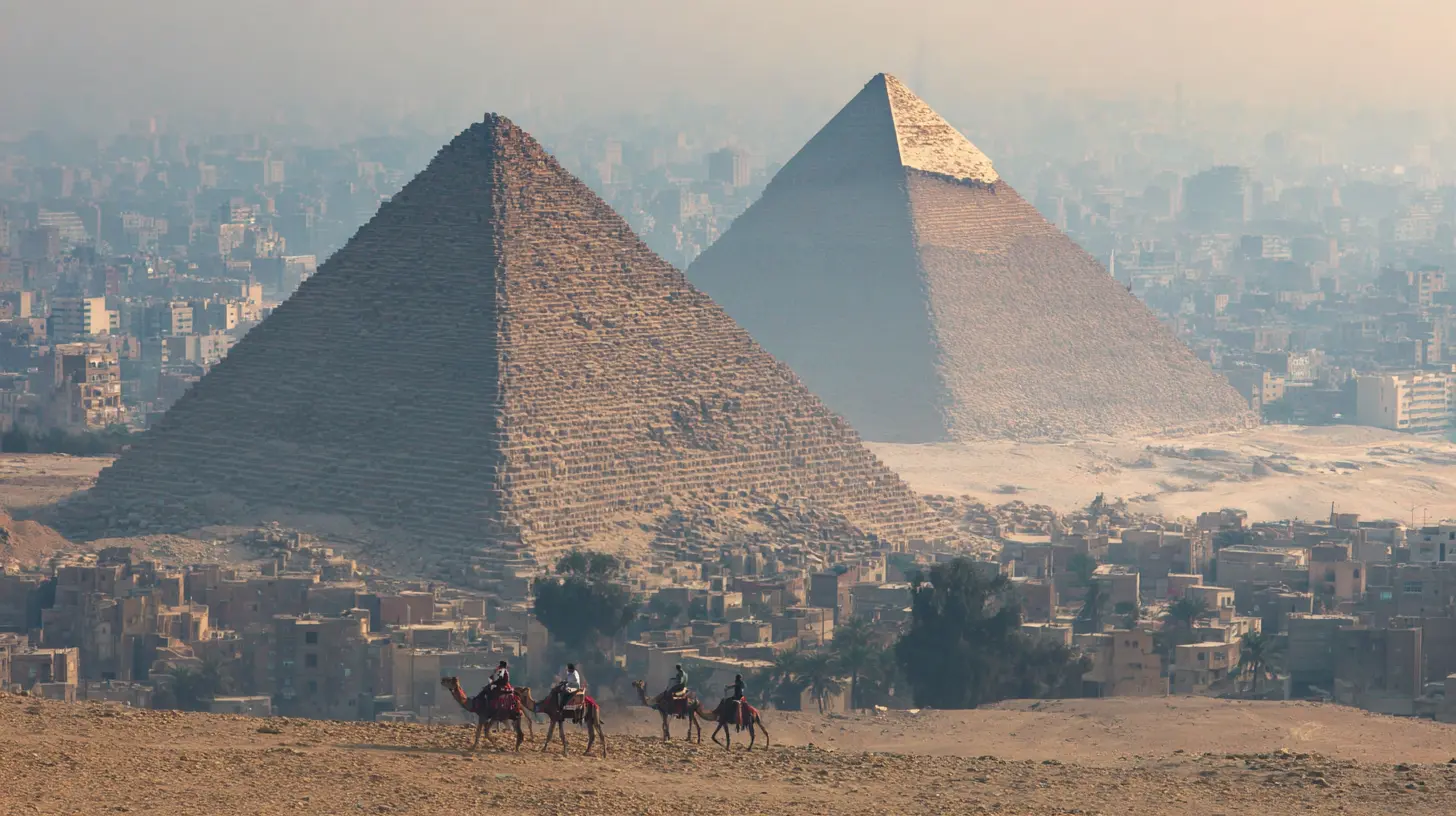
Why Were Pyramids Built All Over the World?
Before we get into the where, let’s touch on the why. So, why did so many different cultures—who never met—end up building pyramid-shaped structures? Coincidence? Not quite.Well, pyramids are stable, easy-ish to build with basic tools, and they can be scaled up pretty dramatically. Think of them as ancient skyscrapers—tall, impressive, and built to last. And from a spiritual standpoint, many ancient cultures believed a high point brought you closer to the heavens. So, it’s no surprise pyramids popped up everywhere, from the deserts of Sudan to the jungles of Central America.
Now, buckle up, because we’re jetting around the world (virtually!) to meet some of the most mind-blowing pyramids you've probably never heard of.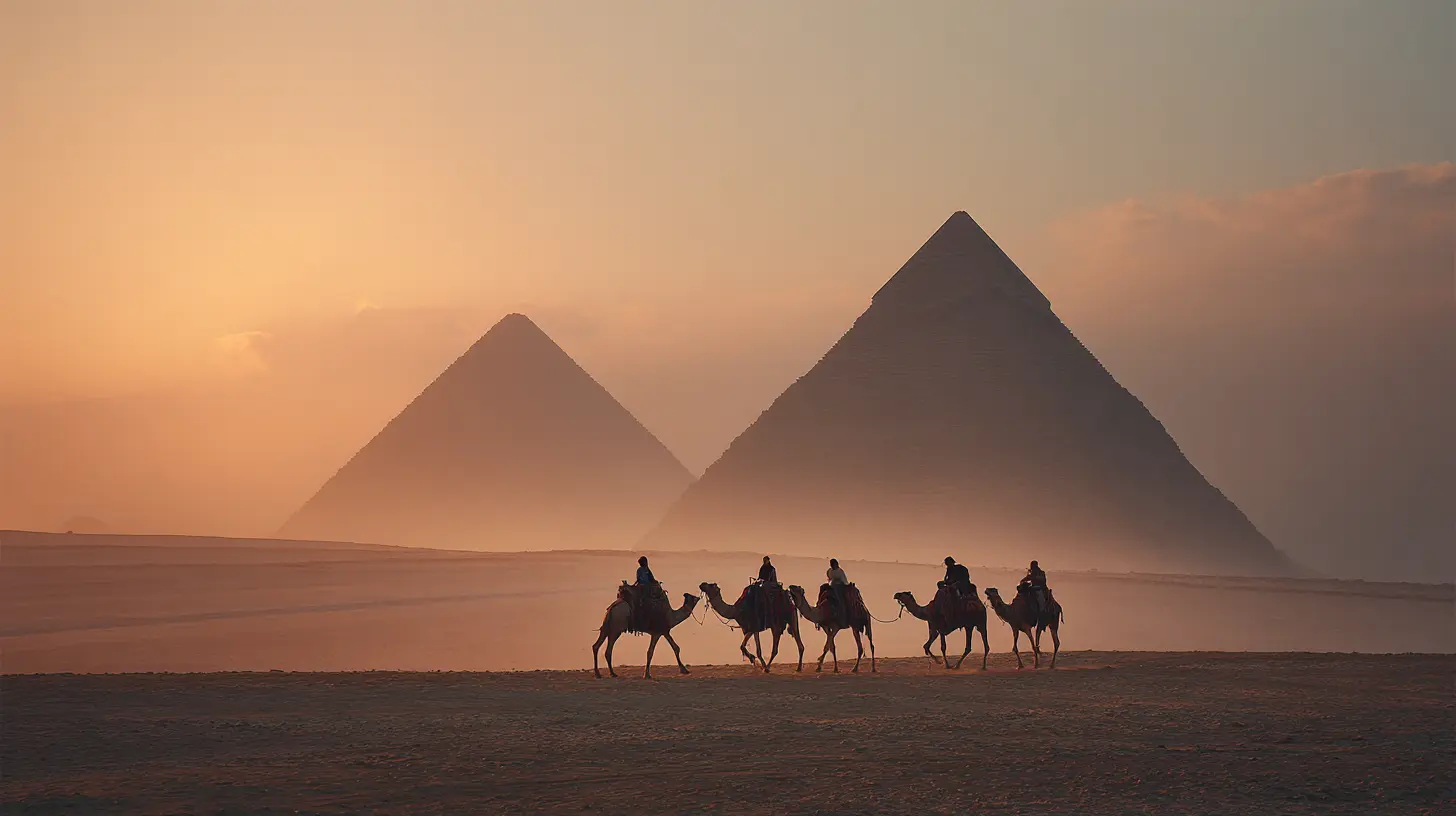
1. The Nubian Pyramids of Sudan — Egypt’s Lesser-Known Cousins
Let’s start with Egypt’s southern neighbor—Sudan.Ever heard of Meroë? No? Well, it’s home to over 200 pyramids, way more than Egypt! These Nubian pyramids served as tombs for the kings and queens of the ancient Kingdom of Kush, and they’re seriously underrated.
What’s wild is how different they look from their Egyptian relatives. They’re much steeper and narrower, with sharply angled sides—think more steep staircase than smooth climb. Though many of them were looted centuries ago, their haunting beauty still dominates the desert landscape.
Why visit? Meroë is way less crowded than Giza, and you actually get to walk through history without busloads of tourists. It’s like stumbling into a secret chapter of civilization.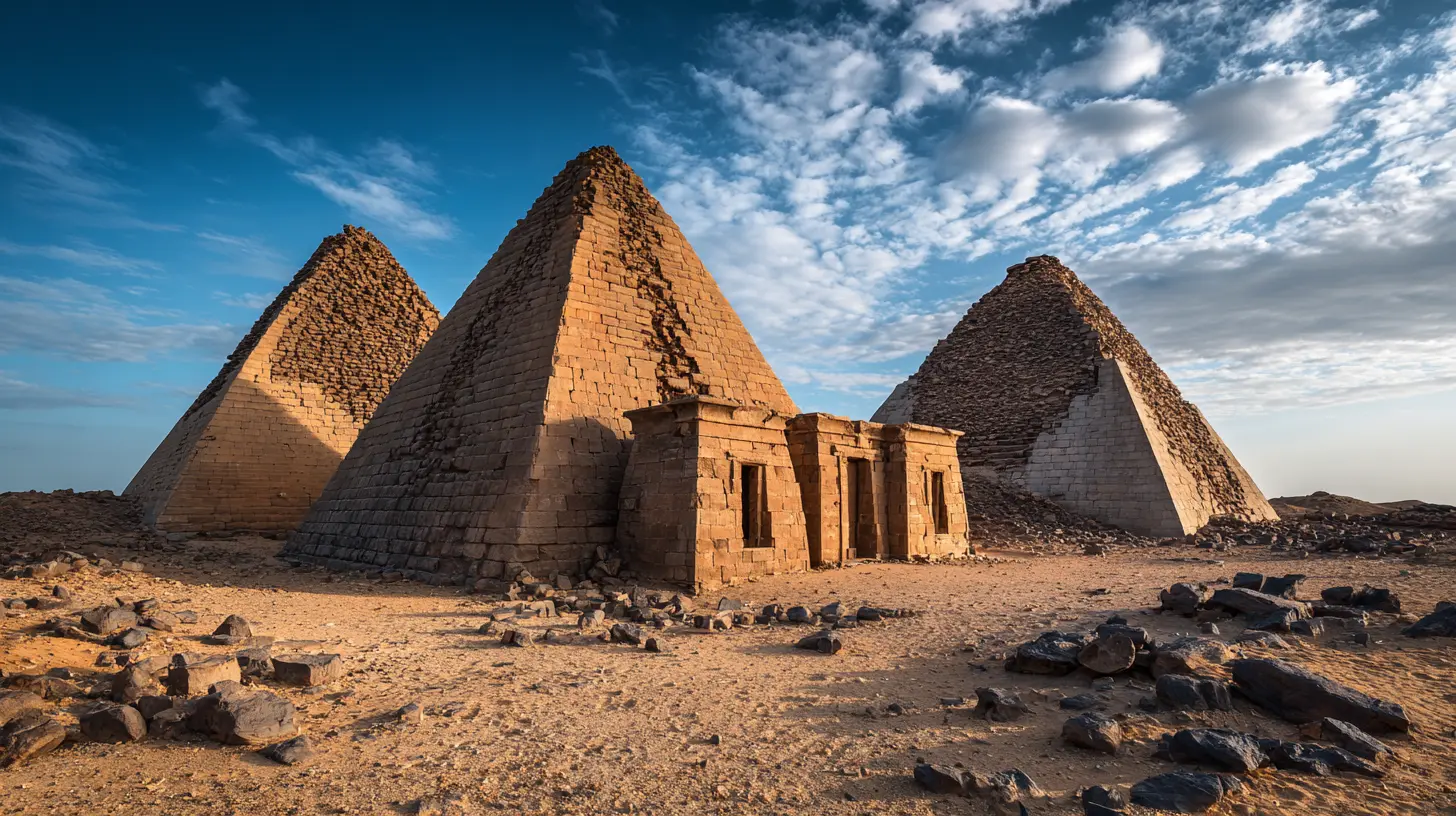
2. The Pyramids of Mesoamerica — Temples to the Gods
Hop across the Atlantic, and you'll hit Mexico, Guatemala, and Belize—lands rich in mysterious pyramids built by the Maya, Aztec, and earlier Olmec civilizations.If the Egyptian pyramids were tombs, the pyramids here were more like stairways to heaven. Literally. These structures often had temples on top, used for ceremonies and, yep, human sacrifices.
▸ Chichen Itza (Mexico)
You’ve seen photos of this one—El Castillo is the iconic step pyramid dedicated to the serpent god Kukulkan. The cool part? On the spring and fall equinox, the sun casts a snake-like shadow that slithers down the pyramid’s steps. Mind-blowing engineering, right?▸ Tikal (Guatemala)
Hidden deep in the jungle, Tikal isn’t just a pyramid—it's a whole ancient city. Towering above the trees, its temples lure both history buffs and Star Wars fans (it starred as a Rebel base in Episode IV).Fun Fact: Unlike Egyptian pyramids, these ones were often meant to be climbed. So bring your stamina—you’ll earn those views!
3. The Pyramids of Peru — Ancient and Earthy
Peru is usually all about Machu Picchu, but the pyramids here may just surprise you.Enter the Pyramids of Caral, one of the oldest known civilizations in the Americas. Built around 5,000 years ago (yep, roughly the same time as the Egyptian pyramids), Caral is an archaeological marvel.
Then there’s Pachacamac, a massive temple complex just outside Lima. These pyramids, made mostly from adobe, may lack the grand look of Giza, but they still hold spiritual and ritual significance.
Insider Tip: The adobe might crumble faster than stone, but thanks to recent preservation efforts, you can still see the magic and mystery in every corner.
4. The Pyramids of China — Hidden in Plain Sight
Let’s head east now—to China, where ancient pyramids are tucked away in the countryside near Xi’an, home of the famous Terracotta Army.Most of these pyramids, like the Mausoleum of the First Qin Emperor, are still unexcavated. Why? Some believe unsealing them could damage priceless artifacts, or even cause structural collapse.
One legend tells of a “White Pyramid” taller than Giza’s, spotted by WWII pilots but never officially found. Real or not, it fuels imaginations and treasure hunts to this day.
Why They Matter: These pyramids offer a fascinating peek into Chinese imperial tomb practices—and possibly a few secrets we've yet to uncover.
5. Pyramids in Europe? You Bet.
Believe it or not, Europe’s got skin in the pyramid game too.Let’s talk about the Bosnian Pyramid of the Sun. Located near the town of Visoko, this pyramid-shaped hill sparked global debate. Is it a man-made structure? Or just a natural hill?
Archaeologist Semir Osmanagić claims it's the world’s oldest man-made pyramid—though mainstream scholars remain skeptical. Still, the area draws thousands of visitors, curious to see it for themselves.
Spiritual Vibes: Many tourists report feeling energized and rejuvenated after visiting. Whether it’s geological or mystical, there's definitely something in the air.
6. Indonesia’s Mysterious Mount Padang
Now we’re hopping over to Southeast Asia. Indonesia’s Gunung Padang has been making headlines for being possibly one of the oldest man-made pyramid-like structures on Earth.Covered in grass and trees, this structure looks like a natural hill. But dig deeper—literally—and you'll find layered stone terraces that suggest sophisticated construction more than 12,000 years ago.
Why It’s a Big Deal: If confirmed, it could rewrite human history and push back the timeline of advanced civilizations. Mind = blown.
7. North America’s Forgotten Mounds
You didn’t think we’d skip the U.S., did you?Before skyscrapers, there were Mississippian mound builders who created massive earth pyramids. The most famous? Cahokia Mounds in Illinois.
At its peak, Cahokia was larger than London and bustled with tens of thousands of people. Its central pyramid, Monks Mound, is over 100 feet tall—made purely of earth!
The Vibe: While not made of stone, these mounds carried immense spiritual and political significance. They show a side of Native American culture that often gets overlooked.
Connecting the Dots: Why This Matters
So, what do all these pyramids have in common? They show us that humans, regardless of where or when they lived, had big dreams. They looked to the sky and wanted to build something that would last. Pyramids are more than just architecture—they’re a legacy written in stone (or mud, or adobe).Maybe it’s time we stop thinking of pyramids as a one-country wonder and start seeing them as a shared human obsession across cultures.
Tips for the Pyramid-Chasing Traveler
Feeling inspired? Here are a few quick travel tips if you’re planning to visit some of these unsung wonders:- Pack for terrain: Whether it’s mud mounds or stone steps, good shoes are a must.
- Respect local customs: Many pyramids are sacred, so dress appropriately and follow the rules.
- Go with a guide: Especially in less-developed areas, a knowledgeable local guide can really bring the site to life.
- Be patient: Some sites are remote and require effort—but the payoff is always worth it.
Final Thoughts: The World is a Pyramid Playground
Traveling teaches you that iconic doesn't always mean best-known. While the Egyptian pyramids deserve their fame, the rest of the world is sprinkled with underrated pyramid treasures just waiting for a curious traveler like you.So next time you feel that wanderlust itch, why not skip the crowds and head somewhere unexpected? Who knows—you might just stumble upon a forgotten pyramid that completely changes the way you see history.
Now that's what I call time travel.
all images in this post were generated using AI tools
Category:
Historical SitesAuthor:

Kelly Hall
Discussion
rate this article
1 comments
Julia Pruitt
Exploring pyramids beyond Egypt reveals a rich tapestry of cultures and histories. Monuments like those in Mesoamerica and Sudan highlight the diverse architectural ingenuity of ancient civilizations. These structures, often overshadowed by their Egyptian counterparts, invite deeper appreciation for humanity's shared past and the stories buried within each stone.
June 5, 2026 at 2:47 PM
Kelly Hall
Absolutely! Each pyramid tells a unique story, showcasing the diversity of human creativity and history. It's fascinating to uncover these overlooked monuments and appreciate our shared heritage.