Remote Villages in Asia that Offer a Unique Window into Tradition
27 January 2026
Asia, the largest continent on Earth, is often celebrated for its mega-cities, spicy street food, and bustling markets. But if you're the kind of traveler who's more into whispered legends, age-old crafts, and unfiltered cultural experiences, the secret lies in its remote villages. These tiny, often overlooked dots on the map hold the keys to centuries of tradition, untouched by time or tourism. They're not just places—they’re time machines. Buckle up, because we’re about to take you off the beaten path to witness some of Asia’s most culturally rich and soul-stirring villages.
Why Remote Villages Matter
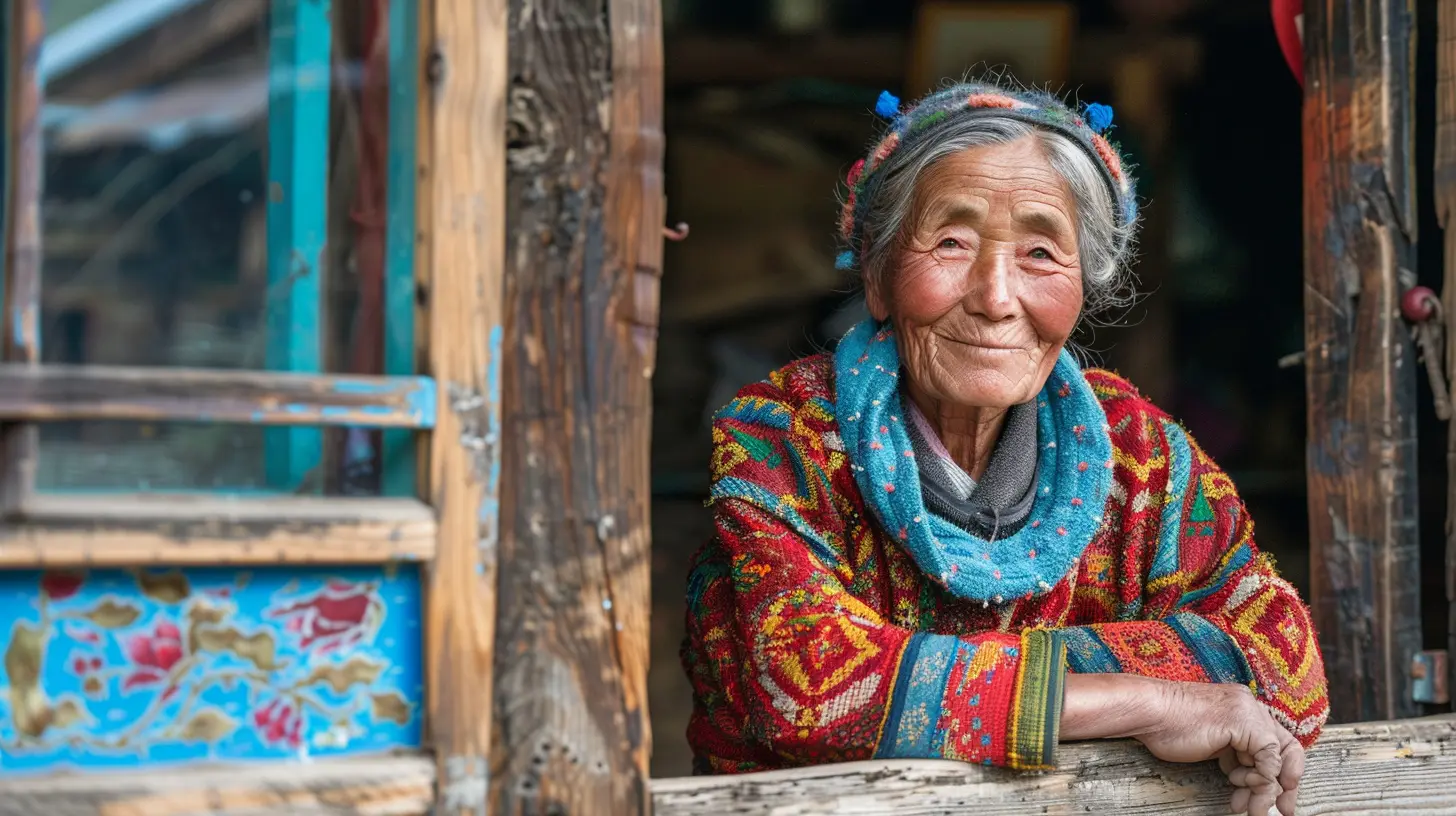
Let’s face it—over-tourism is a beast. The Eiffel Tower? Too crowded. Bali beaches? Packed. But out in the remote corners of Asia, life carries on like it did hundreds of years ago. These villages are more than homes—they're living museums. Think of them as cultural time capsules where every smile, dish, dance, and custom has a story.And honestly, isn’t that why we travel in the first place?
1. Turtuk, India – Where Cultures Collide
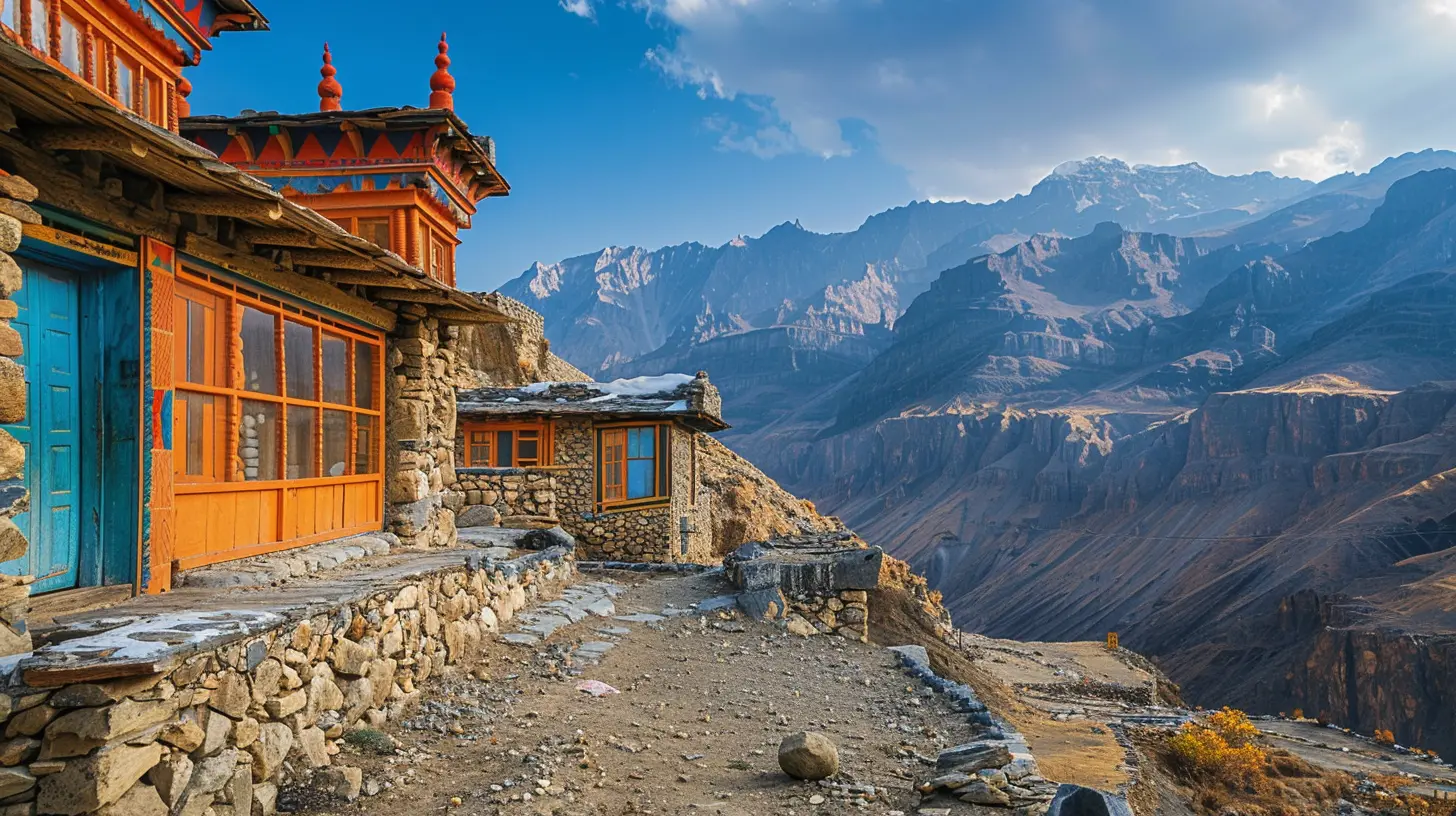
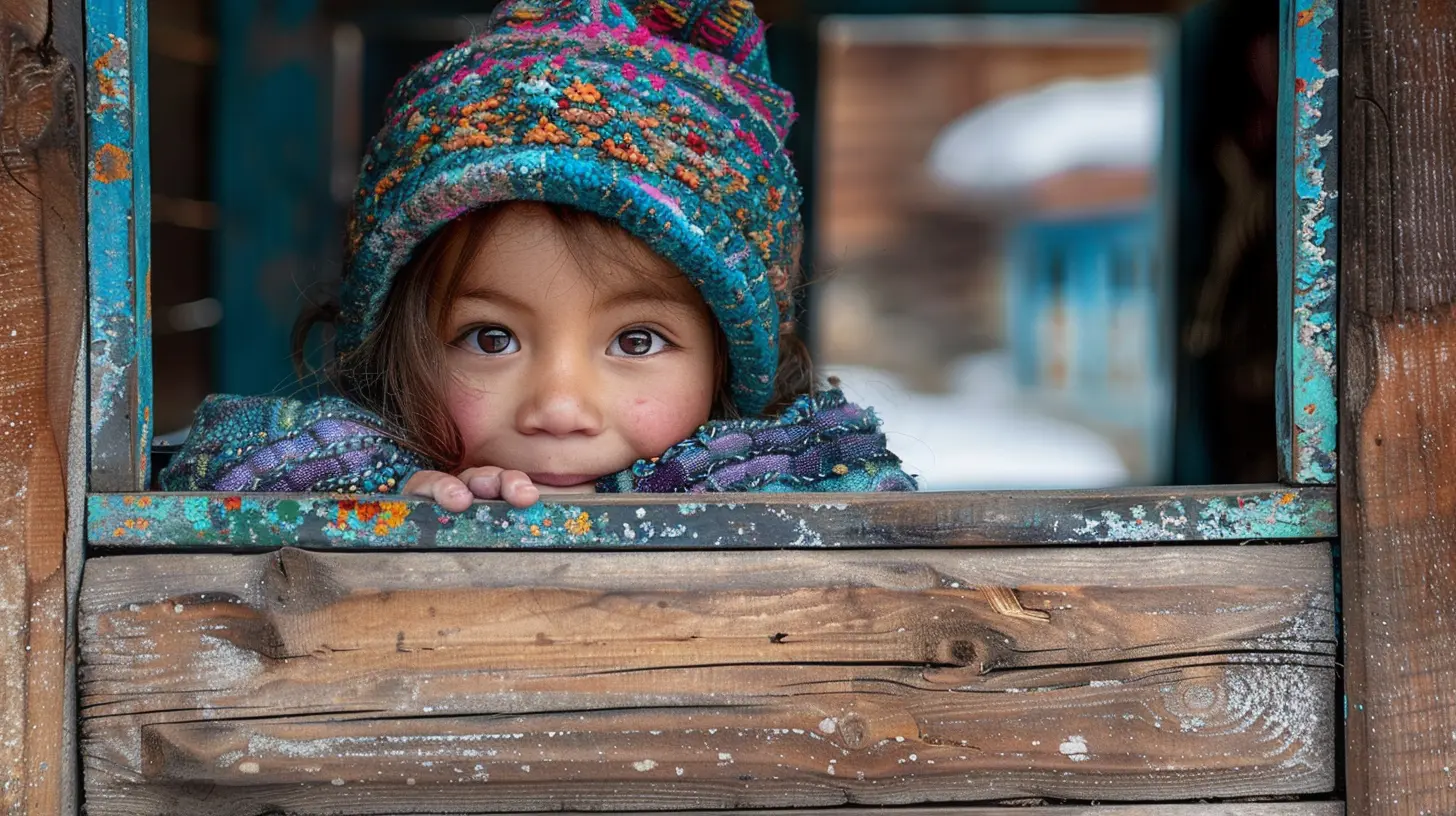
Nestled in the Nubra Valley of Ladakh, Turtuk feels like a place out of a history book. This tiny village lies close to the Pakistan border and was actually part of Pakistan until the 1971 war. It only opened up to tourists in 2010—yeah, it’s that fresh.What makes Turtuk fascinating isn’t just its scenic beauty (think rugged mountains and apricot orchards) but its people—the Balti community. The residents speak Balti, a Tibetan dialect, and their customs are a blend of Central Asian and Tibetan traditions. Walking through the cobblestone paths, you’ll come across wooden homes, traditional grain storage systems, and warm smiles that'll just melt you.
👉 Tip: Try the local buckwheat bread with yak butter—it’s love at first bite.
2. Jiufen, Taiwan – Lanterns, Fog, and Folklore
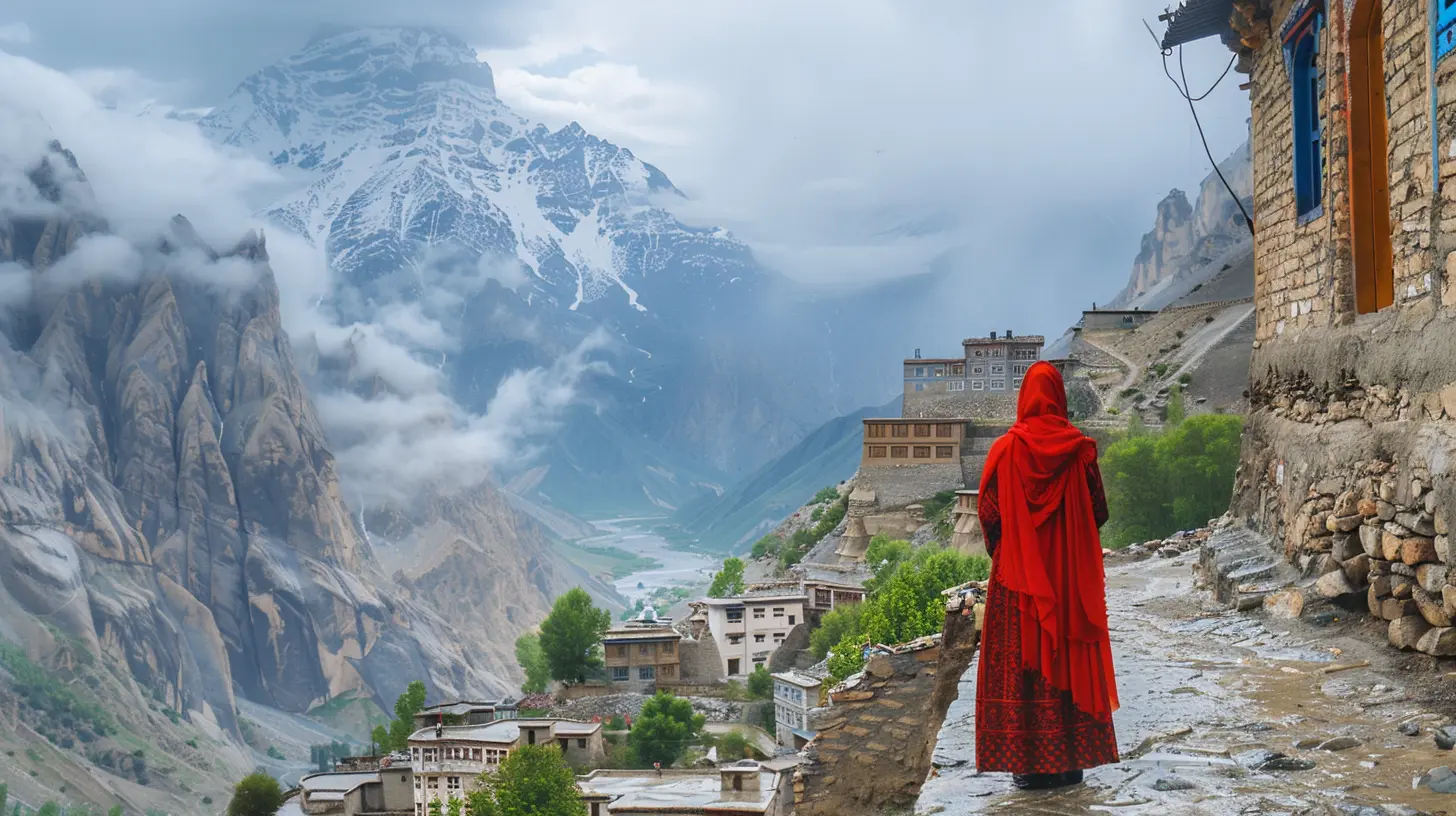
Perched on a mountainside northeast of Taipei, Jiufen might seem familiar if you’ve seen the film Spirited Away. Narrow alleyways, red lanterns swaying in the mist, and the scent of oolong tea—that’s Jiufen’s vibe.Historically a gold mining town, Jiufen is now famous for preserving its old-world charm. Though it’s slightly more accessible than others on this list, its soul remains intact. Tea houses here aren't trendy cafes; they’re cultural hubs with century-old traditions. Locals still honor deities with regular rituals and you’ll often stumble upon small temples tucked into quiet corners.
👉 Fun Fact: Many believe the town is haunted, and ghost stories are shared as casually as weather updates.
3. Sapa, Vietnam – Home of the Hill Tribes
Sapa may be on your radar already, but it's the villages beyond the touristy town that hold the real treasures.From the Black Hmong to the Red Dao, the hills surrounding Sapa are home to diverse ethnic tribes, each with their own language, clothing, and belief systems. Venture into villages like Ta Van or Lao Chai, and you'll witness weaving done on wooden looms, rice terraces carved generations ago, and herbal baths that smell like a forest after rain.
Here, traditions aren't revived for tourists—they’re part of everyday life. It’s not unusual to see women sewing intricate designs while gossiping about the latest village news.
👉 Pro Tip: If you’re up for it, do a multi-day homestay trek. Your legs will hate you, but your soul will be grateful.
4. Shirakawa-go, Japan – Snow-Covered Serenity
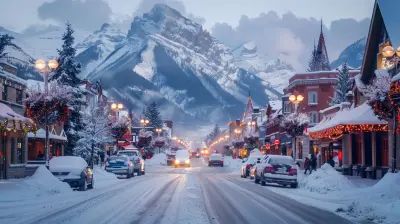
Tucked away in the Japanese Alps, Shirakawa-go is like stepping into a snow globe. This UNESCO World Heritage Site is known for its gassho-zukuri farmhouses—centuries-old homes with steep thatched roofs, designed to withstand heavy snow.Despite Japan’s lightning-fast development, this village has held onto its traditional methods of farming, silk production, and cultural rituals. Families still come together for seasonal festivals that feel more like spiritual gatherings than celebrations.
It’s the kind of place where silence speaks volumes and simplicity becomes profound.
👉 Winter tip: Visit during the illumination festival when the entire village is lit up—it’s pure magic.
5. Haa Valley, Bhutan – The Hidden Kingdom
Bhutan measures success by Gross National Happiness, and when you visit the Haa Valley, you’ll understand why.This western Bhutanese valley was off-limits to tourists until 2002. Even now, it receives significantly fewer visitors than Paro or Thimphu. The result? Unspoiled culture and stunning beauty.
The valley is dotted with ancient temples, sacred mountains, and traditional homes called "Haa-dzongs." Locals are devout Buddhists, and their lives revolve around monastery festivals, butter lamp offerings, and seasonal farming.
👉 Did You Know? Yaks outnumber humans here.
6. Kampong Ayer, Brunei – A Floating Time Capsule
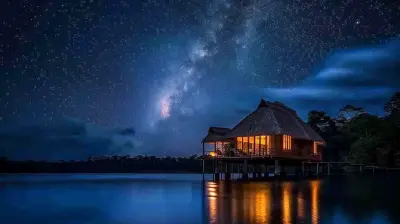
Known as the "Venice of the East," Kampong Ayer in Brunei isn’t just a village—it’s a floating city. Built entirely on stilts over the Brunei River, this settlement has thrived for over 1,300 years.Despite modern influences, residents here stick to traditional practices. They commute by boat, practice Malay customs, and host neighborhood feasts during Islamic festivals. Every home has a story, and every canal echoes with laughter and local lore.
👉 Insider Insight: Locals often say, “We may float, but our roots are deep.”
7. Kalaw, Myanmar – The Crossroads of Culture
If there's one place where you can walk through the past—literally—it’s Kalaw. Situated in the Shan State, Kalaw is a trekking hub, but the real gems are the surrounding villages like Pindaya and Inle.Here, the Pa-O, Danu, and Taung Yo communities live in remarkable harmony. Each group has its own distinctive dress, language, and spiritual customs. From cheroot cigars rolled by hand to bamboo houses built without a single nail, tradition isn’t just remembered—it’s lived.
👉 Bonus: You’ll get to walk through sunflower fields, forests, and ancient monasteries all in a day’s trek.
8. Tengger Villages, Indonesia – Guardians of the Volcano
High up near Mount Bromo in East Java, the Tenggerese people have built a life on the edge—literally. Their villages circle the dramatic Bromo volcano, and the air carries both the scent of sulfur and spiritual devotion.What’s unique? Every year, during the Yadnya Kasada festival, villagers trek up the volcano to throw offerings—vegetables, livestock, even money—into its smoking crater to appease the mountain gods. It’s raw, sacred, and goosebump-inducing.
👉 No Joke: Some brave souls climb into the crater to catch those offerings (wouldn’t recommend trying it yourself!).
9. Ghandruk, Nepal – Gateway to the Peaks
Tucked into the Annapurna region, Ghandruk is a traditional Gurung village that feels like a warm cup of chai after a cold mountain trek. Classic stone houses, slate-tiled rooftops, and women in traditional attire welcome you with open arms.The Gurung people are known for their military service in the Gurkha Army, but back home, they are also incredible hosts and storytellers. Folk songs, dances, and tales of Himalayan gods keep cultural fires burning.
👉 Wake Up Call: Nothing beats opening your eyes to a sunrise over the Annapurna and Machapuchare peaks.
10. Luang Prabang’s Outskirts, Laos – The Spirit of Simplicity
While Luang Prabang itself is a UNESCO-loved gem, its surrounding villages like Ban Xieng Mene or Ban Na Oun showcase pure Lao heritage. Walk a few miles out and watch monks glide past bamboo homes as drumbeats call for alms. Witness villagers weaving silk, distilling rice whisky, and carving Buddha statues from tree trunks.The best part? No one's in a rush. Time flows differently here.
👉 Life Hack: Rent a bicycle and spend a day just getting lost—it’s the best GPS for the soul.
A Few Things to Keep in Mind
Before you pack your bags and charge into these rustic wonderlands, here’s a little friendly advice:- Respect traditions: These are not theme parks. Ask before snapping photos.
- Pack light, but right: Remote means remote—WiFi might be a myth, and electricity may be a luxury.
- Stay longer: Don’t rush. Take the time to connect, observe, and appreciate.
Why These Villages Matter More Than Ever
In a world getting faster by the minute, these remote Asian villages are like deep breaths in the chaos. They remind us of where we come from, and maybe—just maybe—where we should be headed. Back to simplicity, community, and meaning.So next time you’re planning a getaway, think beyond beaches and skyscrapers. Think of firewood crackling, elders sharing stories under an open sky, and children playing without screens.
You won’t just take photos—you’ll take pieces of their spirit with you.
all images in this post were generated using AI tools
Category:
Asia TravelAuthor:

Kelly Hall
Discussion
rate this article
2 comments
Elowen Luna
Great insights! These villages truly preserve rich cultural heritage.
February 6, 2026 at 5:22 PM
Kelly Hall
Thank you! I'm glad you enjoyed the article and appreciate the importance of preserving cultural heritage.
Blair Moses
Perfect for Instagram, but bring your own Wi-Fi!
January 27, 2026 at 5:58 AM
Kelly Hall
True! Embracing tradition often means disconnecting from the digital world. Enjoy the experience!