Reviving Greek Mythology through Village Traditions in 2027
10 May 2026
You know that feeling when you're scrolling through your phone, watching yet another video of someone's perfectly curated life, and you just think... Is this it? I've been there. We all have. But here's the thing: while we're busy chasing the next dopamine hit, something ancient and beautiful is quietly coming back to life in the hills of Greece.
Let me take you on a journey. Not to the crowded beaches of Mykonos or the tourist-packed streets of Santorini. No, I'm talking about the real Greece. The one where goats outnumber tourists, where grandmothers still bake bread in wood-fired ovens, and where the stories of gods and heroes aren't just museum exhibits - they're the heartbeat of everyday life.
Welcome to 2027, where Greek mythology isn't dead. It's just been waiting for us to stop and listen.
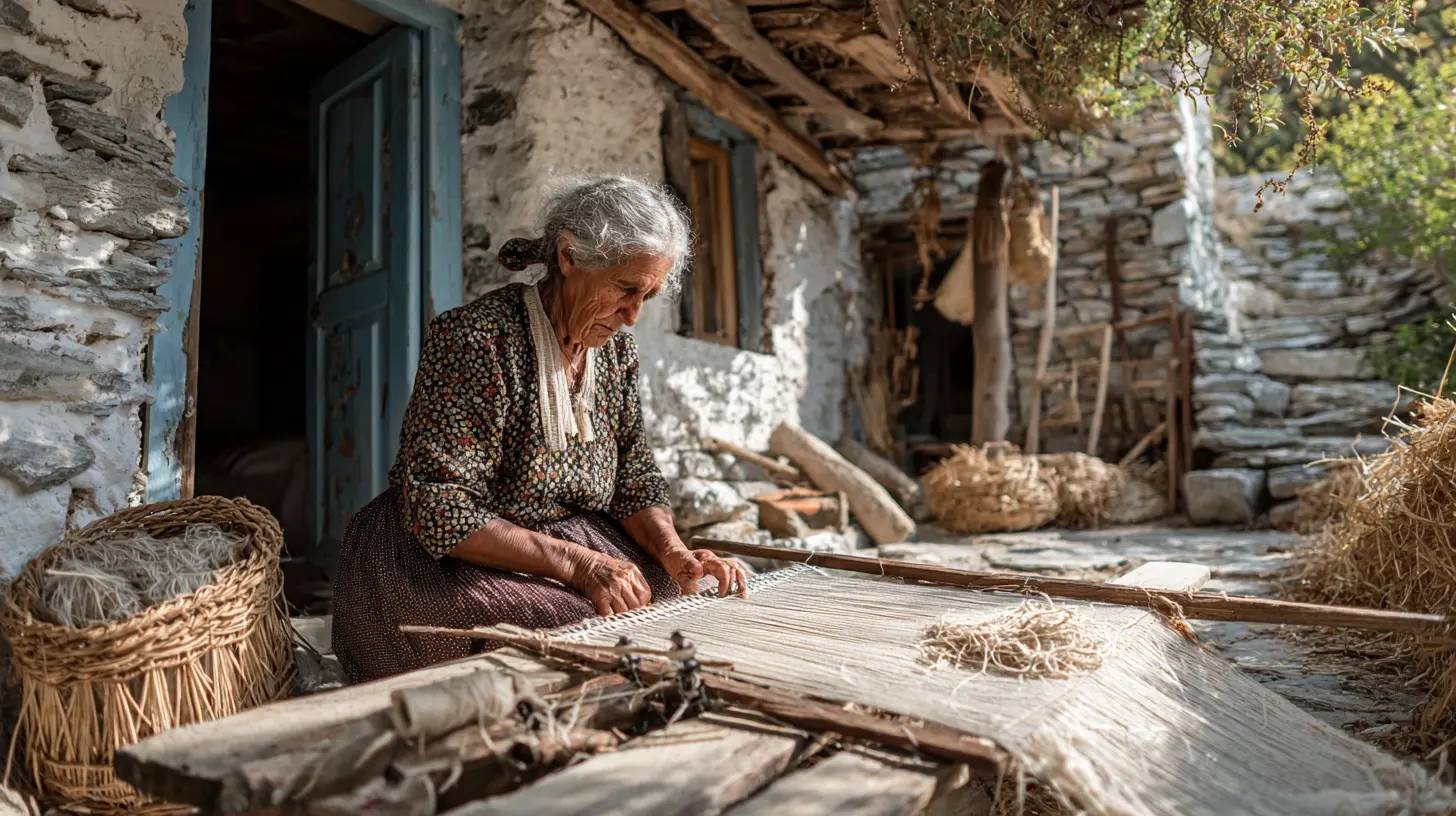
Why Village Traditions Matter More Than Ever
Think of a village tradition like an old olive tree. The roots go deep - centuries deep - but the branches, they keep reaching for the sun. In 2027, those branches are flowering again. And it's happening for a reason.We're exhausted. Not just tired, but spiritually exhausted. The digital world promised us connection, but it gave us anxiety. The modern world promised convenience, but it stole our sense of belonging. So where do we turn? Back to the stories that shaped our ancestors.
Greek villages never really forgot their myths. They just didn't shout about them. While big cities turned ancient temples into photo ops, the villages kept the myths alive in the most organic way possible: through festivals, rituals, and the simple act of passing stories from one mouth to another.
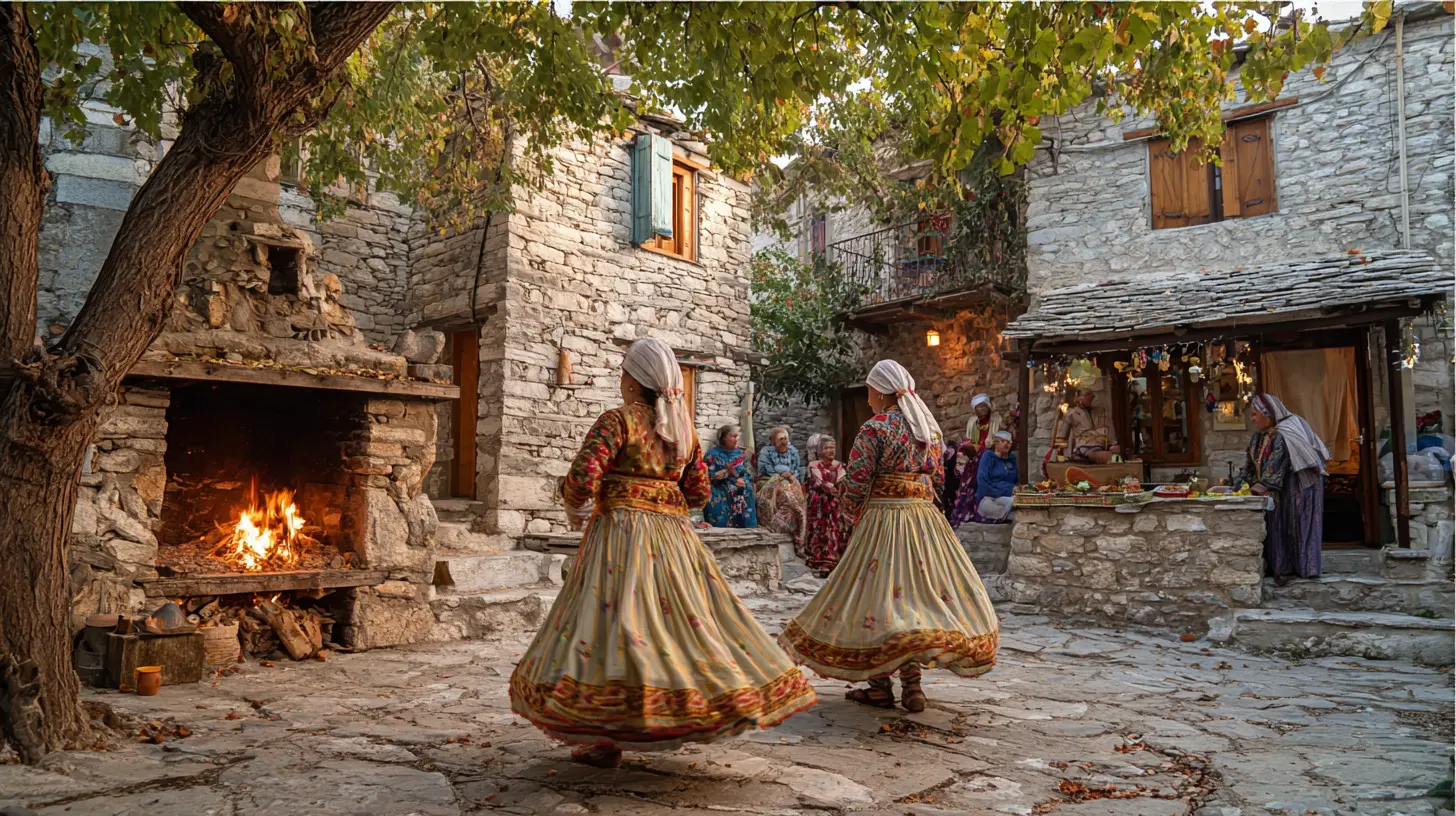
The Gods Are Still Here, Just Wearing Different Clothes
Here's what I love about Greek mythology: it's messy. The gods make mistakes. They fall in love with mortals. They get jealous. They throw tantrums. Sound familiar? That's because these stories are mirrors, reflecting our own humanity back at us.In 2027, villages across Greece are leaning into this. Take the village of Dimitsana in the Peloponnese. Every spring, they hold a festival honoring Artemis, the goddess of the hunt. But here's the twist - it's not about hunting animals. It's about hunting purpose. Locals dress in handmade costumes, carry torches through the forest, and tell stories of finding their way when they felt lost.
Does that sound like a tourism gimmick? Maybe. But when you're standing there, smelling pine needles and woodsmoke, watching a farmer's wife recite an ancient hymn she learned from her great-grandmother... you feel something. You feel the thread connecting you to every person who ever stood in that same spot, wondering about the same big questions.
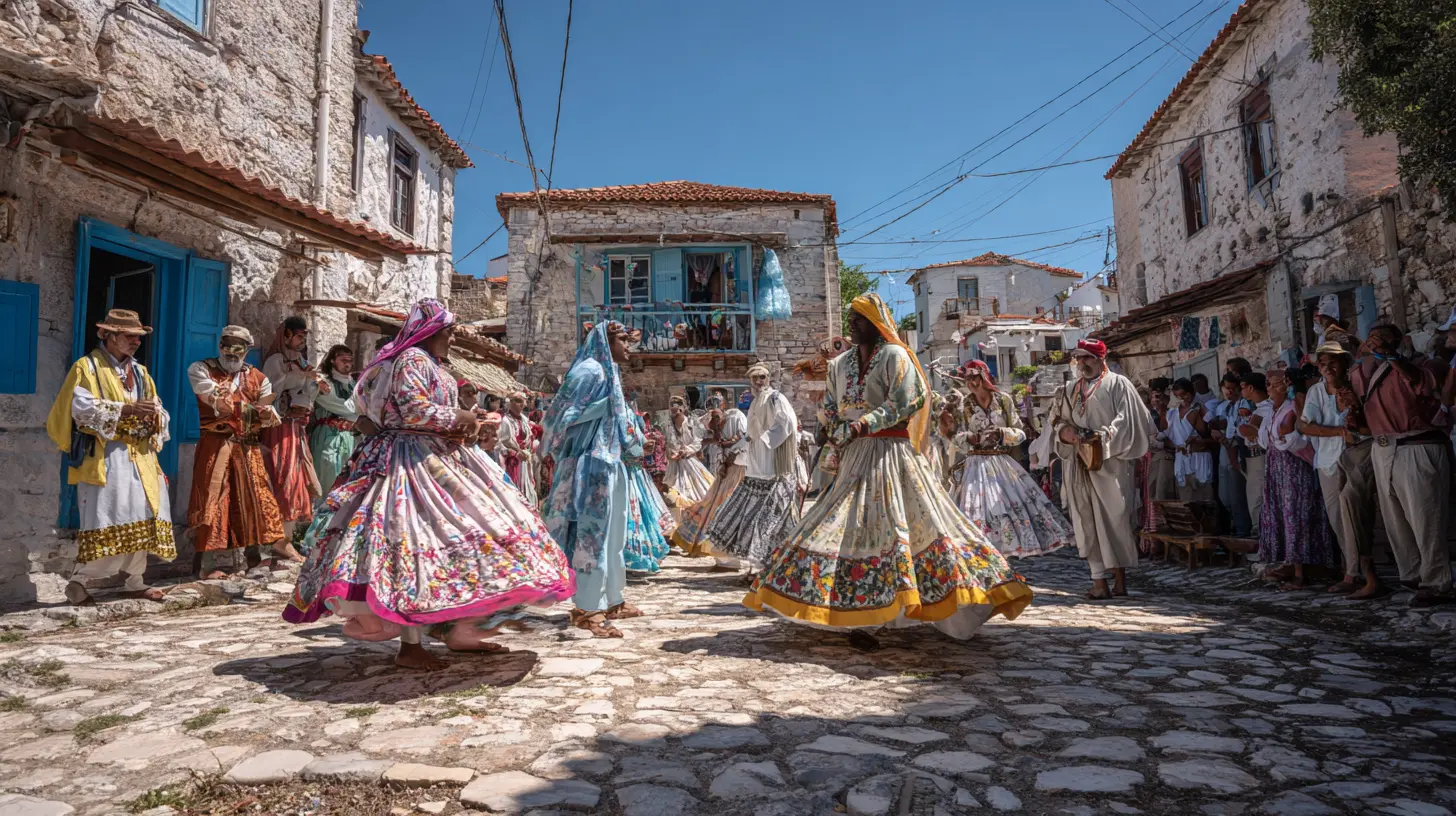
How Villages Are Breathing New Life into Old Myths
The Night of the Nymphs in Nafpaktos
Let me paint you a picture. It's July. The air is thick with jasmine and salt. You're walking down a cobblestone path in Nafpaktos, a sleepy seaside town that most tourists skip. But tonight, the streets are alive with laughter and music.This is the Night of the Nymphs. For one evening, the village transforms into a living myth. Women dress as nymphs - not the airbrushed versions from movies, but real, earthy interpretations. They carry baskets of wild herbs, dance barefoot on the stones, and tell stories of the Nereids, the sea nymphs who protected sailors.
The best part? It's not a show. There's no stage. You're not watching from behind a rope. You're in it. A local grandmother might grab your hand and teach you a dance that's been passed down for generations. A fisherman might share a story about how a nymph saved his grandfather from drowning.
This is mythology as lived experience, not as textbook fact.
The Wrath of Demeter in Eleusis
You've probably heard of the myth of Persephone - how she was taken to the underworld, how her mother Demeter mourned, and how the seasons changed because of it. But have you ever felt it?In the village of Eleusis, just outside Athens, they've revived a tradition called the "Wandering of Demeter." Every autumn, as the leaves turn brown and the first chill hits the air, the village women walk in silence from the town square to the sea. They carry empty baskets. They don't speak for the entire three-mile journey.
Why? Because they're embodying Demeter's grief. They're showing us what it means to lose something precious. And when they reach the shore, they light candles and float them on the water, whispering prayers for whatever they've lost - a loved one, a dream, a part of themselves.
I won't lie to you. It's heavy. But it's also healing. There's something powerful about being surrounded by people who are willing to sit with sadness, not run from it. In a world that tells us to be happy all the time, this tradition gives us permission to grieve.
The Trickster's Feast in Corinth
Not all myths are sad. Some are just plain fun. Enter Hermes, the messenger god, the trickster, the patron of travelers and thieves. In the village of Ancient Corinth, locals celebrate him with a festival that's equal parts chaos and joy.Picture this: a long table set up in the main square, loaded with food. But here's the rule - you can't eat anything that's placed directly in front of you. You have to steal from your neighbor's plate. That's right, it's a feast built on playful thievery.
The idea comes from Hermes' myth, where he stole Apollo's cattle as a baby. But in 2027, it's become a metaphor for something deeper: that sometimes, the best things in life come when we let go of control and embrace a little mischief.
Kids love it. Adults love it even more. There's something liberating about breaking a social rule in a safe, silly way. And by the end of the night, everyone's sharing stories of their "heists" and laughing until their stomachs hurt.
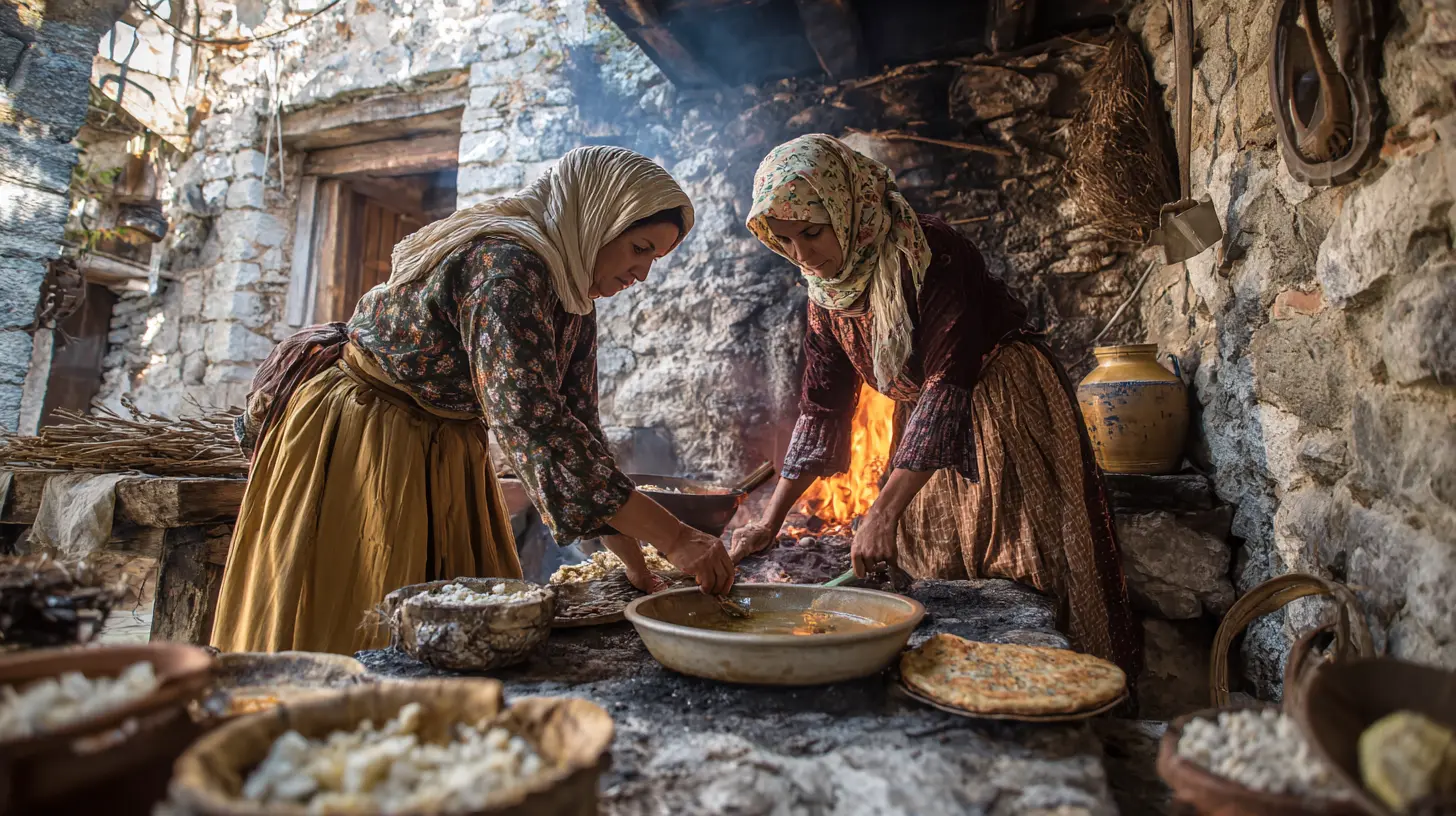
Why These Traditions Work in 2027
You might be thinking, "This sounds nice, but isn't it just nostalgia? Aren't people just dressing up and pretending?"Maybe. But I'd argue it's more than that.
See, myths aren't really about gods and monsters. They're about human truths. The story of Icarus isn't about a boy who flew too close to the sun - it's about hubris, about knowing your limits. The story of Persephone isn't about a kidnapped maiden - it's about cycles, about loss and return, about how darkness is always followed by light.
These village traditions work because they tap into those truths without lecturing us. They let us feel the lesson instead of reading it on a plaque.
And in 2027, when we're drowning in information but starving for wisdom, that feeling is priceless.
How You Can Experience This Revival
So you're sold. You want to see this for yourself. Good. Here's how to do it right.First, skip the guidebooks. Most of these traditions aren't listed in tourist brochures. They're passed by word of mouth. Your best bet? Find a local. Stay in a guesthouse run by a family, not a chain hotel. Ask the owner what's happening in the village this week. They'll know.
Second, be patient. These aren't scheduled performances. A festival might start at 8 PM or 10 PM or "when the moon rises." That's part of the charm. You're living on village time now.
Third, participate. Don't stand in the corner with your phone out. Put it away. Dance the wrong steps. Eat the stolen food. Let a stranger paint your face with clay. The whole point is connection, and you can't connect from behind a lens.
Fourth, learn a little Greek. Not the formal stuff, just the basics: "Yassas" (hello), "Efharisto" (thank you), "Opa!" (a general expression of joy). It makes a difference. Villagers notice when you try.
The Deeper Gift of These Traditions
Here's what I've learned from spending time in these villages: the myths aren't just stories. They're tools.When a village celebrates the myth of Ariadne, who helped Theseus escape the labyrinth, they're not just remembering a princess. They're remembering that we all need help sometimes. That it's okay to be lost. That a thread of kindness can lead us home.
When they honor Prometheus, who stole fire from the gods, they're celebrating creativity and rebellion. They're saying, "It's okay to think differently. It's okay to challenge authority."
And when they tell the story of Persephone returning from the underworld every spring, they're reminding us that nothing is permanent. Not the cold, not the dark, not the pain. Spring always comes.
These are lessons we need right now. In a world that feels increasingly divided and uncertain, the old myths offer something solid to hold onto.
What the Future Holds
I asked an old woman in a village called Amfissa what she thought about tourists coming to see their traditions. She laughed and said, "We don't do this for tourists. We do this for us. But if you want to join, you're welcome."That's the magic of it. These traditions aren't manufactured for Instagram. They're authentic. They're alive. And they're spreading.
In 2027, more villages are reviving their myths than ever before. Young people who moved to the cities are coming back, bringing new energy and ideas. They're filming the festivals, but not for likes - for preservation. They're creating digital archives of the songs and stories, so they never disappear.
Some villages are even starting to offer workshops where visitors can learn the old ways - how to weave a basket like the nymphs, how to bake bread for the feast of Demeter, how to carve a wooden charm of Hermes for safe travel.
It's not about charging money. It's about sharing something precious.
A Personal Invitation
I know this sounds like a sales pitch for a vacation, but I promise it's not. I'm not a travel agent. I'm just someone who stumbled into a village festival by accident a few years ago and walked away changed.I went expecting a tourist show. I found a community that welcomed me like family. I sat on a stone wall, eating bread dipped in olive oil, listening to a man my grandfather's age tell me about the time he saw a nymph in the forest. Was he telling the truth? I don't know. But the way he told it, with his eyes sparkling and his hands moving through the air, I believed him.
That's what these traditions offer: the chance to believe again. Not in gods made of marble, but in the power of storytelling. In the magic of human connection. In the idea that the old ways still have something to teach us.
So if you're tired of the same old vacations, the same crowded beaches, the same filtered photos... maybe it's time to go somewhere real. Somewhere the myths are still breathing.
The villages are waiting. The gods are patient. And the stories are ready for you.
All you have to do is show up and listen.
all images in this post were generated using AI tools
Category:
Local TraditionsAuthor:

Kelly Hall
Discussion
rate this article
1 comments
Nellie McDowell
Oh great, just what we needed-another village trying to convince us that Zeus is still on speed dial. I can hardly wait to see villagers dressed as ancient gods while I sip my frappé. Nothing says authentic like a sprinkle of modern-day tourism magic... right?
May 29, 2026 at 2:28 AM
Kelly Hall
I get your point. It can feel a bit over the top, but blending the old with the new might just spark some interest in our rich history. Who knows, it could start a fun conversation about mythology.