Spiritual Journeys: Visiting Asia’s Sacred Sites
13 June 2026
Have you ever felt the urge to disconnect from the chaos of daily life and embark on a journey that feeds your soul? Asia, with its deep-rooted spirituality, offers some of the most profound and awe-inspiring sacred sites in the world. From ancient temples to towering monasteries, these places don’t just impress with their beauty—they invite reflection, mindfulness, and an experience that stays with you long after you leave.
So, if you're searching for peace, purpose, or just a deeper connection with yourself, let's take a journey to some of Asia's most sacred sites. 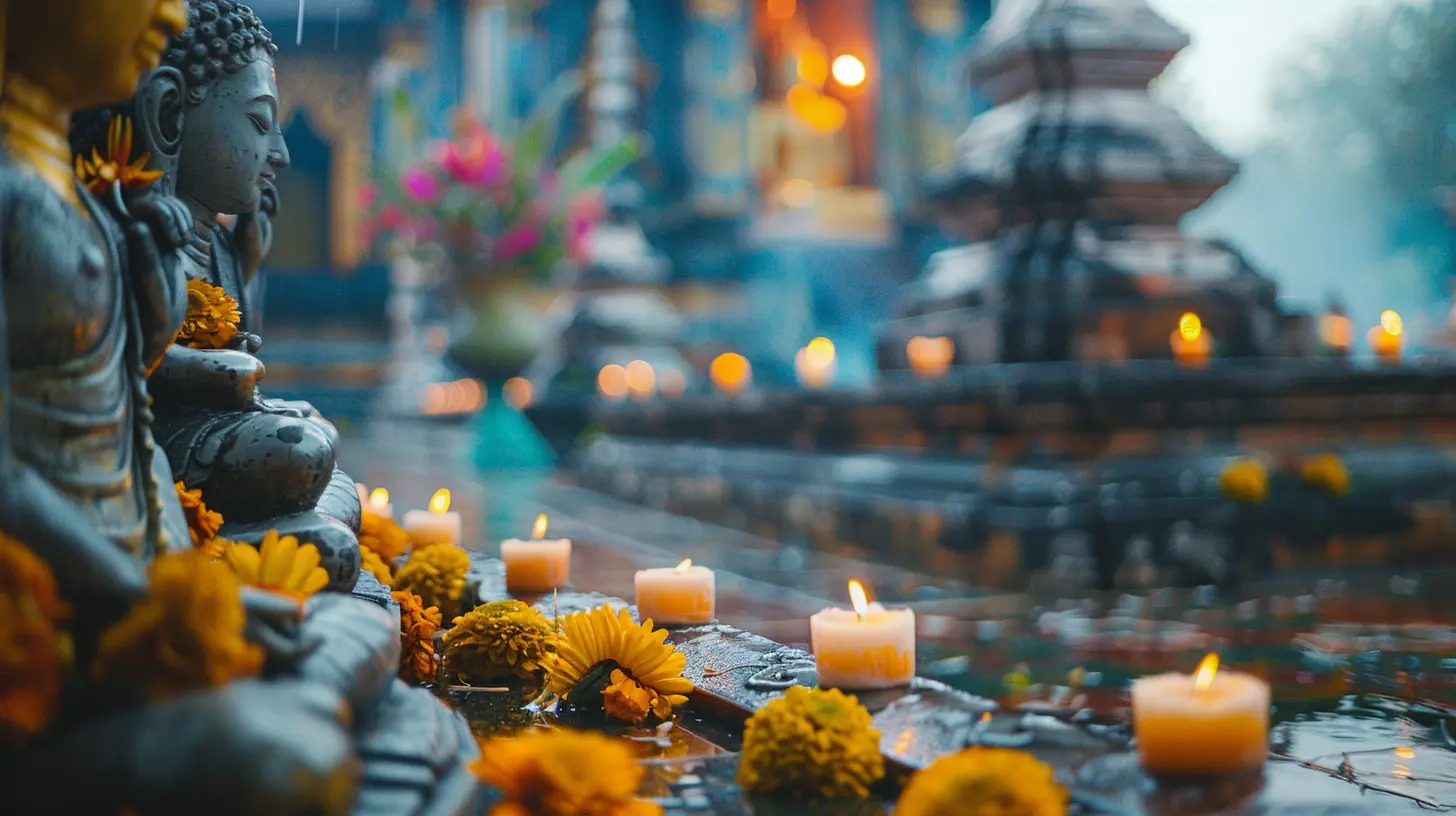
1. The Mystical Temples of Cambodia: Angkor Wat
Why It’s Sacred
Angkor Wat isn’t just the largest religious monument in the world; it’s also a spiritual masterpiece steeped in both Hindu and Buddhist traditions. Originally built in the 12th century as a Hindu temple dedicated to Vishnu, it later transformed into a Buddhist site, symbolizing the seamless blend of religious beliefs in Southeast Asian history.What to Expect
Walking through Angkor Wat at sunrise is like stepping into another dimension. The golden hues reflecting off the ancient stone structures give the place an almost surreal energy. Monks in saffron robes quietly chant, while travelers wander in awe, each taking a moment to absorb the temple’s peaceful atmosphere.Spiritual Experience
If meditation is on your agenda, the quieter corners of the complex, like Ta Prohm (the famous tree-covered temple), offer perfect spots to sit, breathe, and soak in the energy of centuries past.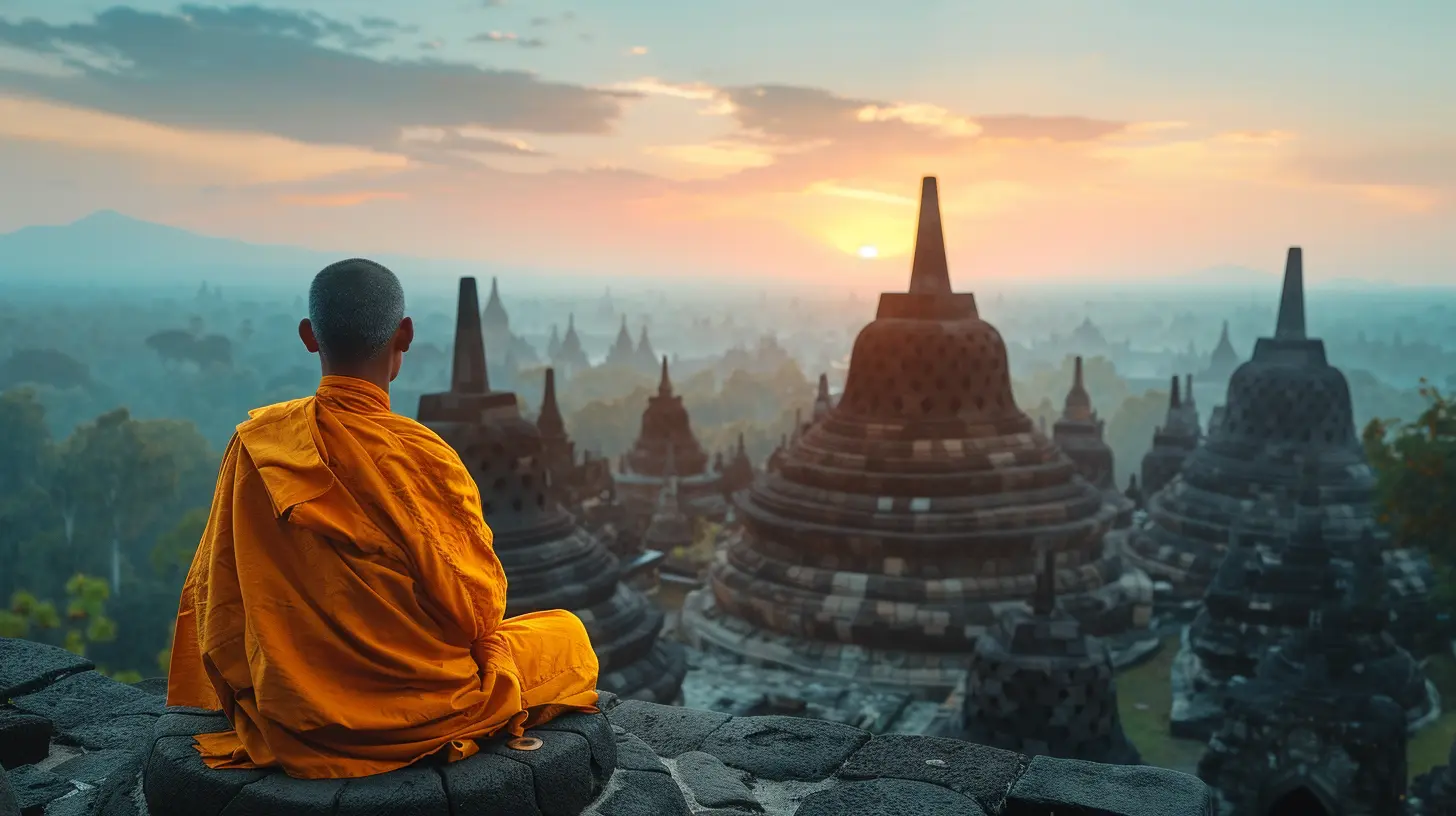
2. The Sacred Peaks of Tibet: Mount Kailash
Why It’s Sacred
In Hinduism, Buddhism, Jainism, and Bon (Tibet’s ancient religion), Mount Kailash is considered the axis of the world—a sacred center connecting heaven and earth. It’s said that circling the mountain on foot (known as a kora) washes away lifetimes of karma.What to Expect
Reaching Kailash isn’t easy. The journey involves high-altitude trekking through rugged terrain, often accompanied by icy winds and an unforgiving climate. But, every step is worth it. Pilgrims, monks, and seekers from around the world walk the 52-kilometer circuit, chanting prayers, spinning prayer wheels, and offering respect to the sacred mountain.Spiritual Experience
Walking the kora around Kailash is more than just a physical challenge—it’s a deeply transformative experience. Many travelers speak of an unexplainable sense of peace, clarity, and even a cosmic connection by the time they return.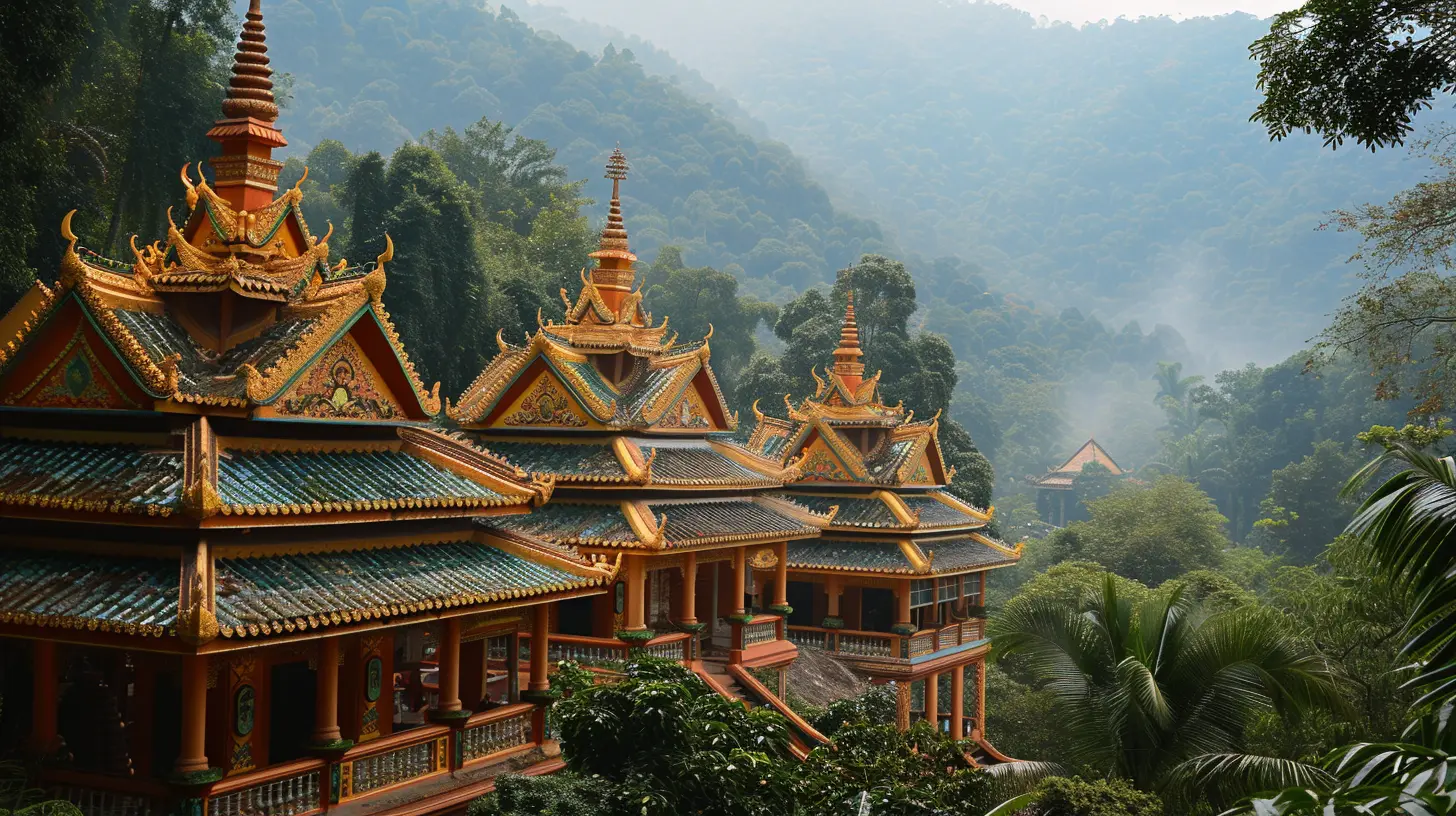
3. Japan’s Tranquil Mount Koya
Why It’s Sacred
Nestled in the misty mountains of Wakayama, Mount Koya is the heart of Shingon Buddhism in Japan. Established in the 9th century by the monk Kukai, the site serves as a spiritual retreat for monks and visitors alike.What to Expect
Picture yourself staying overnight in a Buddhist monastery, sleeping on tatami mats, and waking up to the sound of morning chants. The air is thick with the scent of burning incense, and the surrounding forests add to the almost mystical atmosphere.One of the most significant sites here is Okunoin Cemetery, where thousands of ancient tombs rest under moss-covered trees—a place believed to be watched over by Kukai himself, in eternal meditation.
Spiritual Experience
Joining the monks for a morning prayer or simply walking through the misty cemetery in silence creates a powerful sense of introspection. It’s the perfect place to disconnect and gain perspective.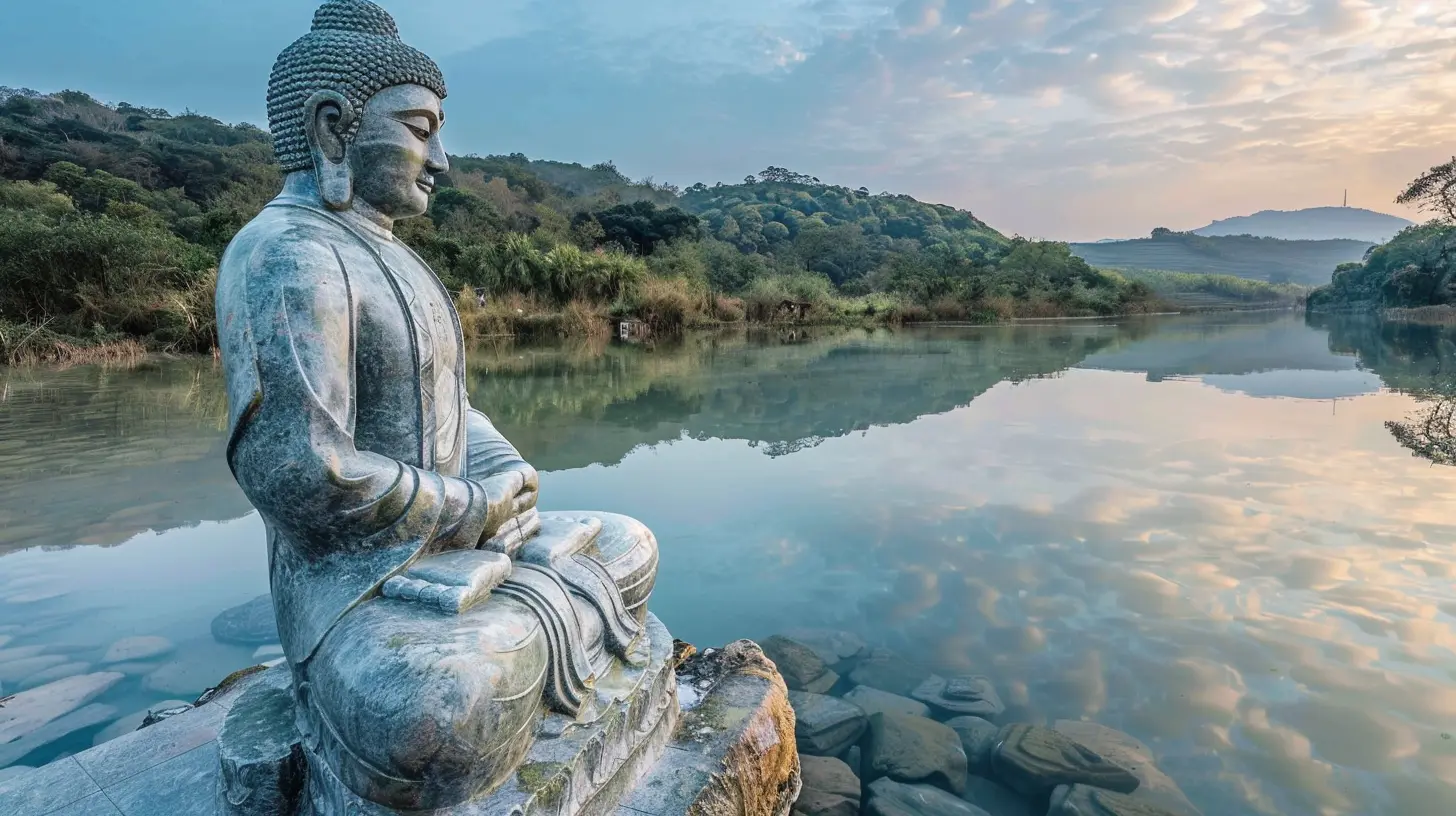
4. India’s Timeless Varanasi
Why It’s Sacred
Varanasi isn’t just a city—it’s an experience. Situated along the holy Ganges River, it’s one of the oldest continuously inhabited cities in the world and a sacred place for Hindus. It’s believed that dying here ensures liberation from the cycle of rebirth.What to Expect
The city is a sensory overload—sacred chants fill the air, the scent of burning incense mixes with the aromas of street food, and the sight of thousands bathing in the river at dawn is a powerful testament to faith.The evening Ganga Aarti, held at Dashashwamedh Ghat, is a must-see. Priests perform elaborate fire rituals, bells chime in unison, and devotees gather in boats or on the banks, mesmerized by the spectacle.
Spiritual Experience
Taking a boat ride at sunrise offers a moment of peace amidst the city’s chaos. Watching devotees immerse themselves in the sacred waters is a reminder of the deep faith that runs through the city's veins.5. The Enigmatic Borobudur in Indonesia
Why It’s Sacred
Borobudur is the largest Buddhist temple in the world, dating back to the 9th century. The temple represents the Buddhist path to enlightenment, depicted through intricate stone carvings and a massive stupa at its summit.What to Expect
Climbing Borobudur at sunrise is nothing short of magical. As the mist lifts and the first rays of sun hit the temple, the entire structure seems to glow. Pilgrims walk clockwise around each level, absorbing the teachings embedded in the carvings.Spiritual Experience
Sitting in meditation near the top level, surrounded by stone Buddhas, gives off a sense of stillness and transcendence. Many say that reaching the summit feels like ascending beyond the material world into a higher state of consciousness.6. The Remote Monasteries of Bhutan
Why It’s Sacred
Bhutan, known as the “Land of the Thunder Dragon,” is deeply entrenched in Buddhist philosophy. The country’s monasteries, especially the famous Tiger’s Nest (Paro Taktsang), are perched on cliff edges, creating a breathtaking yet humbling experience.What to Expect
The hike to Tiger’s Nest is steep, but the view alone is worth it. The monastery clings to a sheer rock face, 900 meters above the valley. According to legend, Guru Rinpoche meditated here in the 8th century, bringing Buddhism to Bhutan.Spiritual Experience
Stepping inside, the scent of butter lamps and the distant echoes of monks chanting create an atmosphere that transcends time. Sitting here, overlooking the vast green expanse below, you realize how small yet connected we all are.7. The Ancient Caves of Ajanta and Ellora, India
Why It’s Sacred
Carved into cliffs in Maharashtra, these rock-cut caves house some of the most incredible Buddhist, Hindu, and Jain temples, dating back over 2,000 years. These caves aren’t just architectural wonders—they were places of meditation and devotion for monks centuries ago.What to Expect
The darkness inside the caves contrasts with the intricate carvings depicting scenes from Buddhist Jataka tales, Hindu epics, and Jain teachings. The Kailasa temple at Ellora, carved from a single rock, is nothing short of miraculous.Spiritual Experience
Standing inside these caves, knowing monks once meditated here in absolute silence, evokes an overwhelming sense of serenity. It’s as if the very walls hold the echoes of ancient prayers.Final Thoughts
Asia’s sacred sites aren’t just historical landmarks—they’re living, breathing spaces of devotion, enlightenment, and transformation. Whether you’re a spiritual seeker, a history lover, or simply someone looking for a deeper connection with the world, these places offer more than just a visit; they offer an experience that lingers in your soul.So, when’s your next spiritual journey?
all images in this post were generated using AI tools
Category:
Asia TravelAuthor:

Kelly Hall
Discussion
rate this article
1 comments
Harrison McMillen
The article beautifully captures the essence of Asia's sacred sites, emphasizing their spiritual significance and cultural richness. Each location offers a unique experience, inviting travelers to reflect and connect on a deeper level. The blend of ancient traditions and contemporary spirituality truly enriches the journey, making it unforgettable.
July 19, 2026 at 2:47 AM