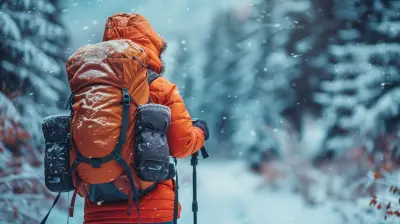
Stay Safe: How to Avoid Wildlife Run-ins on Remote Hikes
19 March 2026
So, you've decided to go off the beaten path, huh? Hiking through remote trails, soaking up raw nature, and chasing that sweet silence away from the city’s buzz—sounds like a dreamy escape! But here’s the thing: you're not the only one enjoying those tranquil trails. There's a whole cast of furry, clawed, curious (sometimes hangry) creatures out there too. And while sharing nature sounds poetic, a surprise face-off with a bear, snake, or mountain lion? Not exactly what you want in your vacation scrapbook.
But don't worry—I’ve got your back. In this guide, we’re going to break down how to hike smart, stay safe, and still have the adventure of a lifetime. Whether you're a first-timer or a seasoned trail stomper, these tips will help you steer clear of wildlife trouble (and save you from becoming an accidental snack).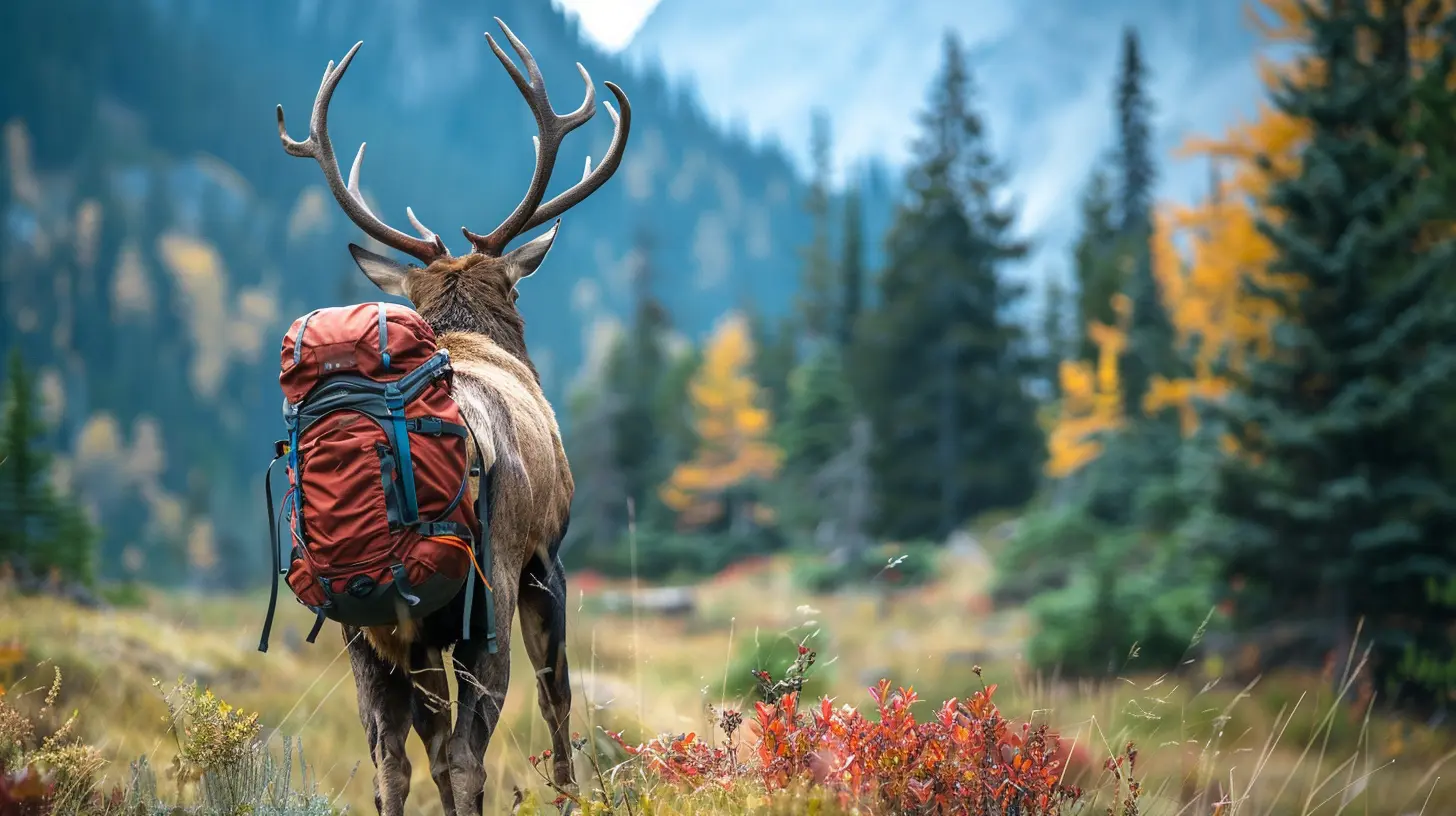
Why Wildlife Encounters Happen in the First Place
Let’s clear something up: wild animals aren’t out to get you. They’re just trying to live their best life—hunt, nap, raise babies, avoid Netflix. The problem starts when humans unknowingly stumble into their space, especially in remote hiking trails where human traffic is lighter.Think of it this way—if someone barges into your house while you're making dinner, you'd probably freak out too, right? Same goes for a mama bear or a startled rattlesnake.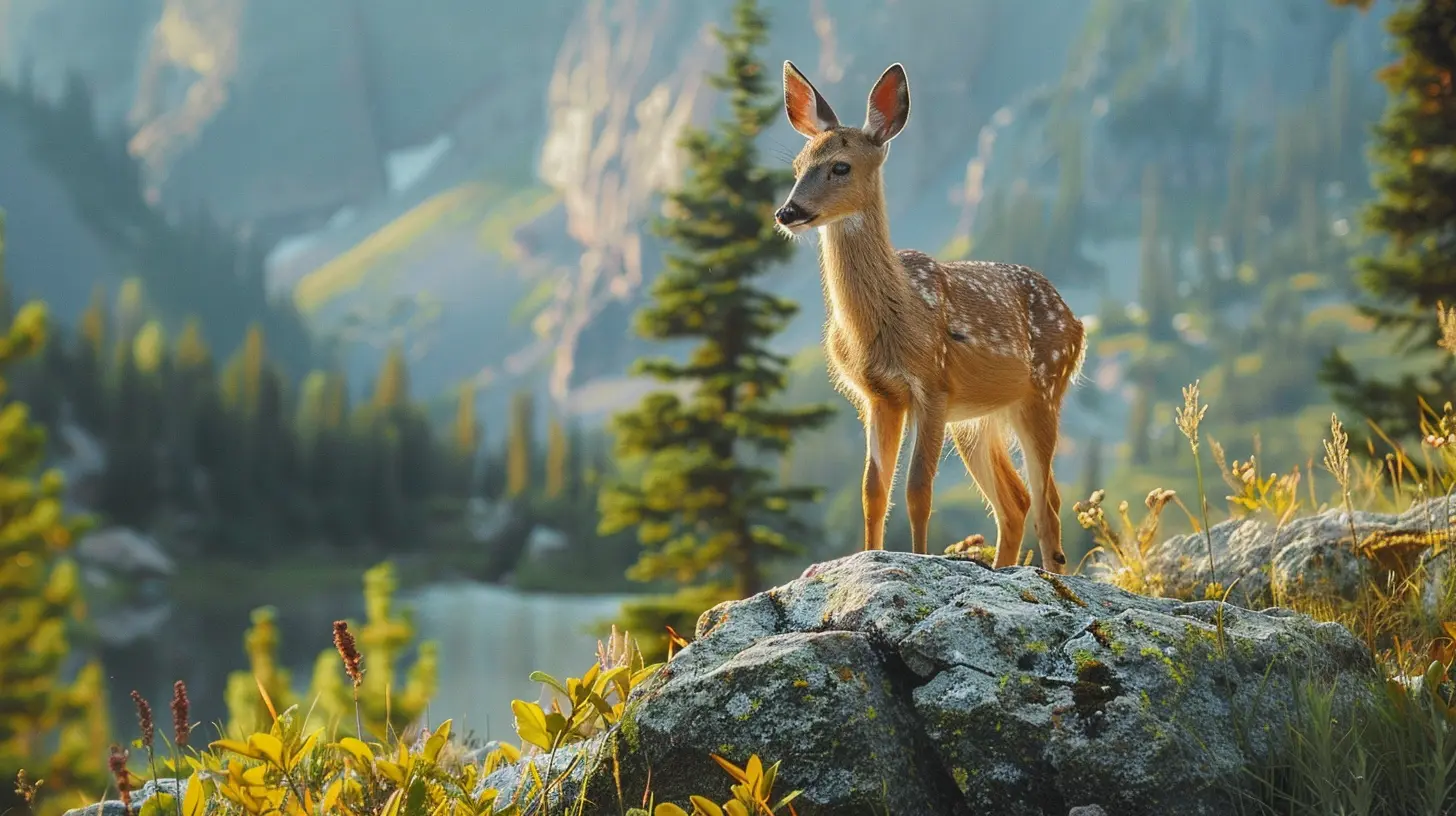
Know Before You Go: Research the Wildlife in the Area
Before lacing up your hiking boots and strapping on that pack, take a few minutes to research the area. It’s easy and can seriously save your hide.Ask yourself:
- What animals are common where I'm going?
- Are there any recent wildlife sightings or warnings?
- What type of terrain will I be hiking through (forests, deserts, high-altitude zones, etc.)?
Park ranger stations, official trail websites, and even hiking forums are great for real-time info. Knowing what animals you're likely to encounter helps you pack and plan accordingly. If you're heading into grizzly territory, you'll need very different gear than if you're trekking through rattlesnake country.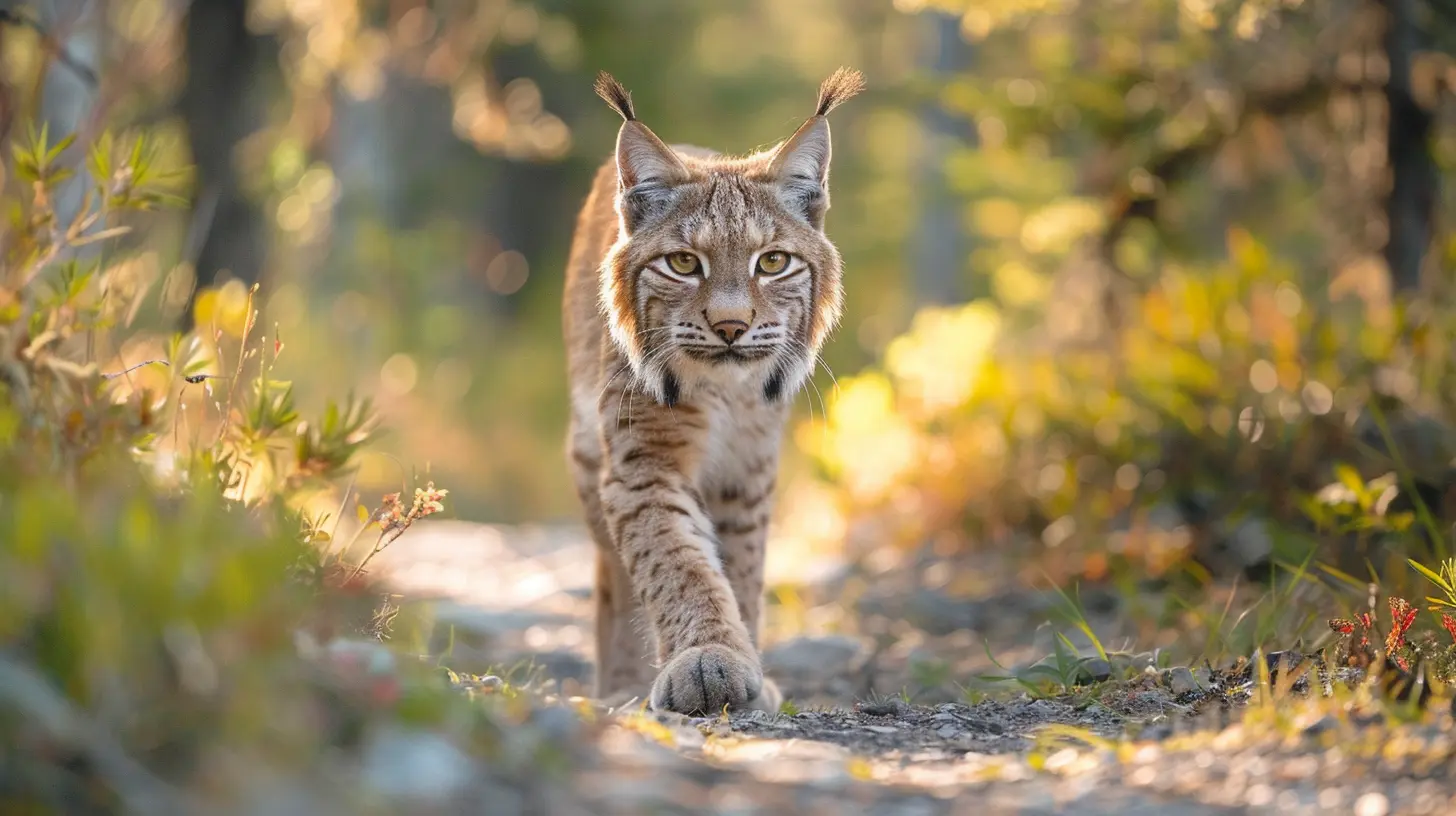
Gear Up Like a Pro (Safety First, Style Second)
Fancy hiking gear looks cool on Instagram, but safety gear is what might save your life. Here's a checklist of essentials to minimize your wildlife risk:✅ Bear Spray
Think of this as pepper spray but for bears. It’s non-lethal and effective. Keep it easily accessible—clipped to your belt or backpack strap, not buried next to your trail snacks.✅ Whistle
A whistle can scare off curious animals and alert others if you're in trouble. It’s tiny, lightweight, and could be a game-changer.✅ Trekking Poles
They’re not just for balance—those pointy ends can help you look bigger or feel more secure when passing through sketchy areas.✅ Food Storage Bags or Bear Canisters
Never keep food in your tent. Ever. Animals have stronger noses than a bloodhound on a coffee binge. Use odor-proof containers and always store your snacks at least 100 feet away from your sleeping area.
Make Some Noise (No Need to Tiptoe)
When hiking in more remote areas, silence is NOT golden. Unlike your daily life where quiet equals serenity, in the wild, quiet equals “sneak attack.” Most animal encounters happen when you surprise them—so don’t.Here's how to avoid a jump-scare:
- Talk to your hiking buddies.- Sing (even badly—it might help more).
- Clap your hands or snap your fingers as you walk.
- Wear a bear bell or attach it to your pack.
Remember, animals respect your space—if they know you're coming, they’ll usually clear out before you ever see them.
Stick to the Trail (You're Not Indiana Jones)
We get it—bushwhacking your way through the wilderness sounds adventurous. But wandering off the trail increases your chances of running into animals, trampling through dens, or getting hopelessly lost.Trail systems are designed for a reason:
- They avoid sensitive wildlife habitats.
- They keep you on established, safer terrain.
- They make rescue easier if something does go sideways.
Stay on the path, and let your need for adventure shine in safer ways—like trying new snacks or measuring how many steps it takes you to go a mile. (Spoiler: it's a lot.)
Be Smart About Food (Because Your Peanut Butter Sandwich Smells Like Heaven to a Bear)
Food-related encounters are one of the biggest reasons hikers get into trouble. Animals don’t understand what’s yours and what’s not—they’re just following their noses.Essential food safety tips:
- Never leave food unattended.- Store food in airtight containers or specialized bear canisters.
- Clean up all crumbs and trash—even the invisible ones.
- Use bear hangs or food poles in designated backcountry campsites.
And here's one you might not expect: don’t cook right outside your tent. Cook at least 100 feet away, and never sleep in the same clothes you cooked in. Yes, that means hiking with a change of clothes. Trust me, it's worth it.
Keep Your Distance (You're Not on a Safari)
Seeing a bear in the wild might feel like hitting the jackpot—but this isn't a zoo, and that animal isn't behind glass. Maintain a safe distance at all times.Here's a good rule of thumb (literally):
Hold out your thumb at arm's length. If you can completely cover the animal with your thumb, you’re probably far enough away.That goes for all wildlife—moose, elk, bison, snakes, birds, even squirrels. Yes, squirrels. (They bite. Hard.)
What to Do If You Actually Encounter Wildlife
Okay, deep breath. Let's break it down by animal. Because when you're face-to-face with a 300-pound bear, you don’t want to be Googling “what to do if I see a bear” with shaky hands and spotty signal.🐻 If You See a Bear:
- Stay calm.- Don’t run (you can’t outrun a bear. Not even close).
- Speak in a calm, firm voice.
- Back away slowly—never turn your back.
- Use your bear spray if the bear gets too close (within about 30 feet).
🐍 If You Encounter a Snake:
- Freeze and give it space. Most snakes strike when they feel threatened.- Back away slowly.
- Don’t poke it. (Seriously, why would you even want to?)
- Watch where you step, especially near rocks and logs.
🦁 If You Spot a Mountain Lion:
- Make yourself look big—raise your arms, open your jacket.- Don’t crouch, run, or play dead (you are not a possum).
- Maintain eye contact.
- Throw rocks or sticks if it approaches—but only if needed.
- Shout loudly and back away slowly.
🦌 If You See a Moose:
- Back away slowly (moose can charge if threatened).- Don’t yell.
- Try putting a tree between you and Bullwinkle.
Hike in Groups (There's Safety in Numbers)
Lone wolf hiking may sound romantic, but it's also riskier. Groups are noisier, more intimidating to wild animals, and better prepared to deal with emergencies.If you do hike solo, make sure someone knows:
- Where you're going.
- When you plan to return.
- What gear you're taking.
There are also personal GPS devices with emergency features. Pair that with your usual trail snacks? You’re ready for just about anything.
The Golden Rule: Respect Nature
This might sound cheesy, but it’s true: if you respect nature, nature (usually) respects you back. That means:- Take only pictures, leave only footprints.
- Don’t feed the animals (even if that raccoon looks super hungry and very polite).
- Follow trail etiquette.
- Keep pets leashed or, better yet, leave them at home if the trail isn’t pet-friendly.
We’re just visitors out there. Let’s act like it.
Bonus Tip: Learn Basic First Aid & Defensive Moves
Okay, so this one’s not about animals directly—but knowing how to treat a snake bite, a sprained ankle, or calm your breathing during a panic attack can be huge if something does happen.There are plenty of short online or in-person wilderness first aid classes you can take. Bonus: it makes you look like a total boss when you casually mention, “Oh yeah, I’m first-aid certified" at your next group hike.
Final Thoughts: Stay Aware, Stay Chill, and Stay Safe
Hiking in remote areas is one of the most incredible ways to connect with the natural world. And yes, it comes with risks—but with the right mindset, a little prep, and a healthy respect for wildlife, those risks are easy to manage.So pack your bag, get your playlist ready, and head out into the wild—but maybe keep those peanut butter sandwiches sealed tight, yeah?
Happy hiking. And may your only animal encounters be cute enough for a postcard—but far enough away for comfort.
all images in this post were generated using AI tools
Category:
Backcountry TravelAuthor:

Kelly Hall
Discussion
rate this article
2 comments
Landon McLanahan
Thank you for sharing these valuable tips! Staying informed about wildlife safety is crucial for enjoying remote hikes. I appreciate your insights and will definitely keep them in mind for my next adventure!
April 4, 2026 at 4:23 PM
Kelly Hall
You're welcome! I'm glad you found the tips helpful. Stay safe and enjoy your next hike!
Bernadette McGrath
Great tips! Staying alert makes remote hikes so much more enjoyable!
March 19, 2026 at 4:50 PM
Kelly Hall
Thank you! Staying alert is key to a safe and enjoyable hiking experience. Happy trails!