Stockholm's Street Sounds: A Music Lover’s Itinerary for 2027
20 May 2026
Picture this: you step off the train at Stockholm Central, and the first thing that hits you isn't the crisp Nordic air-it's the hum. A low, melodic hum that seems to leak out of every cobblestone crack, every café door, every subway grate. That's Stockholm for you. It's a city that breathes music, and by 2027, it's going to be even more alive with sound. If you're a music lover, you don't just visit Stockholm-you listen to it. So grab your headphones, leave the map behind, and let me take you on a journey through the city's street sounds. This isn't your typical tourist itinerary. It's a rhythm map for your soul.
Why Stockholm's Soundscape Is Unlike Any Other
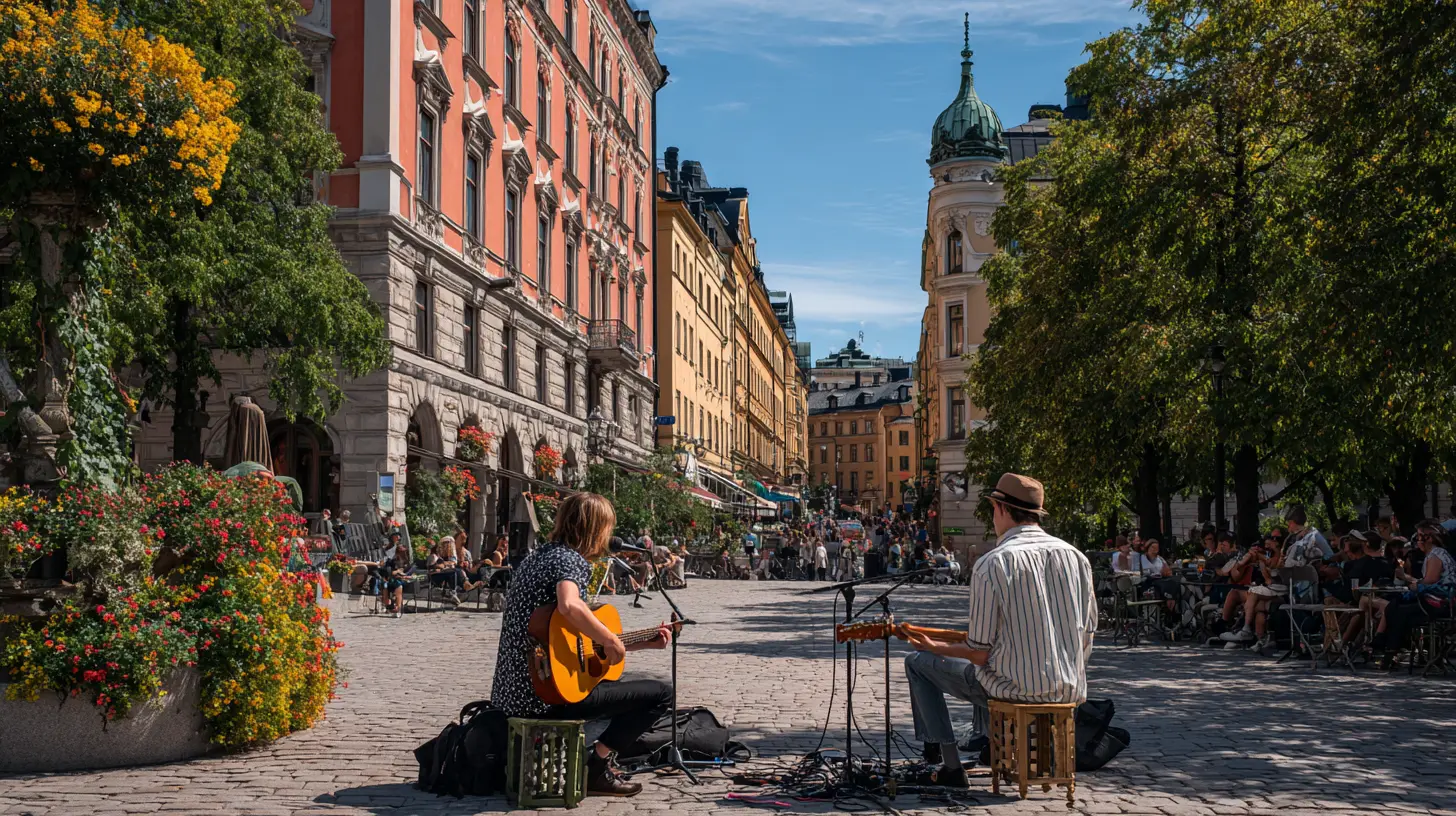
You've been to cities where music feels like an afterthought-background noise in a coffee shop or a busker you barely notice. Stockholm is different. Here, music is woven into the city's DNA. Think of it like a symphony where every street, every square, every bridge plays its own instrument. The clatter of bicycles on cobblestones becomes a percussion section. The distant chime of a church bell adds a brass note. And the buskers? They're the soloists, each one adding a layer of emotion to the city's score.By 2027, Stockholm's soundscape will have evolved even further. New venues will pop up, old ones will get facelifts, and the underground scene will push boundaries. But the heart of it all remains the same: this is a city that invites you to stop, listen, and feel. So, where do you start?
Morning: The Quiet Prelude in Gamla Stan
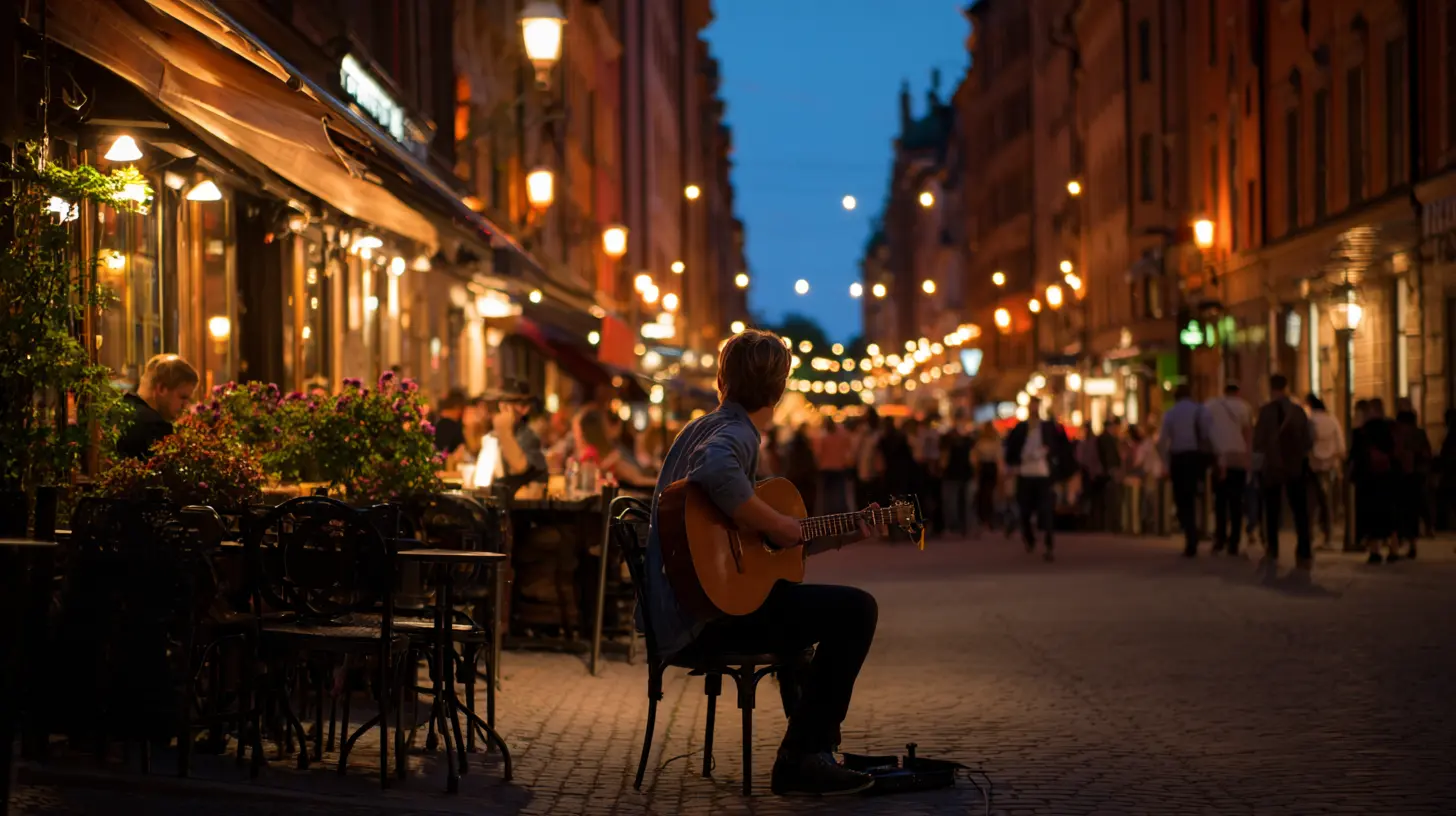
Let's begin in Gamla Stan, the old town. Most tourists rush through here, snapping photos of the narrow alleys and colorful buildings. But if you're a music lover, you need to slow down. Arrive early, around 8 AM, when the streets are still waking up. The sound here is delicate-a soft whisper of footsteps on ancient stone, the creak of a wooden door opening, the distant clink of a café setting up tables. It's like the opening bars of a classical piece, building anticipation.Find a bench near Stortorget, the main square. Close your eyes. What do you hear? A street musician warming up on a violin, maybe. Or the gentle strum of a guitar from a nearby courtyard. These sounds are intimate, almost private. They're not trying to impress you; they're just existing. And that's the magic. In 2027, expect more pop-up acoustic sets here, organized by local musicians who want to reclaim the old town's soul from the tourist crowds. Don't be shy-sit and listen for at least 20 minutes. Let the quiet prelude set your mood for the day.
Mid-Morning: The Jazz Pulse of Södermalm
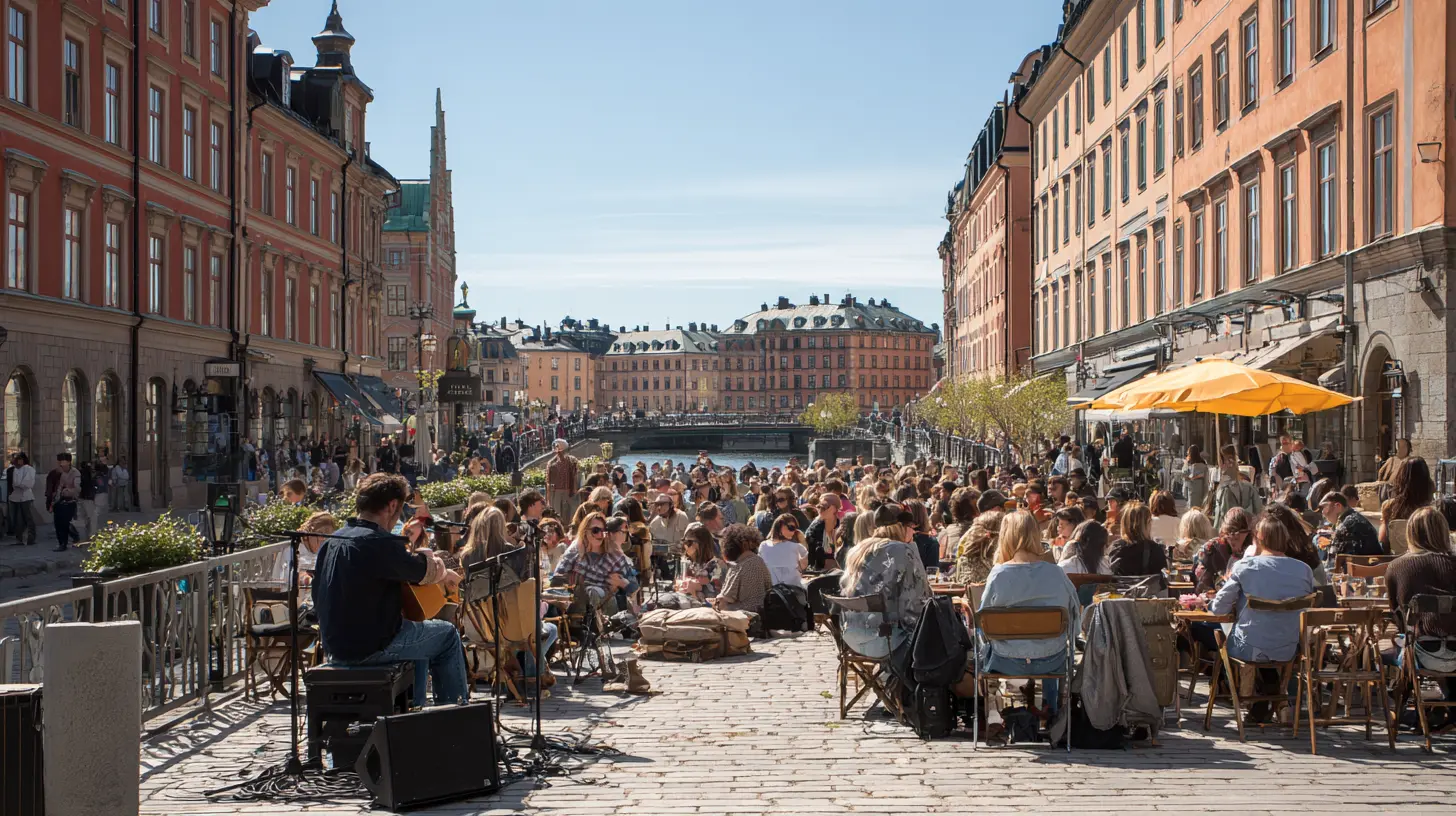
By 10 AM, your ears need a shift. Head south to Södermalm, the island that never sleeps. This is where Stockholm's heartbeat gets louder. Södermalm is the city's creative hub, full of vintage shops, indie bookstores, and bars that smell like spilled beer and ambition. The street sounds here are grittier, more alive. You'll hear the thump of a bass from a basement club, the chatter of artists debating over coffee, and the occasional saxophone riff spilling out of an open window.Make your way to SoFo-South of Folkungagatan. This area is a goldmine for live street jazz. By 2027, expect a dedicated "Jazz Mile" where buskers rotate every hour, from solo trumpet players to full brass bands. I'm not kidding. The city council has been pushing for this, and it's happening. Grab a coffee from a kiosk, find a curb, and let the music wash over you. The best part? No cover charge. Just the sound of a city that's unapologetically cool.
Lunch Break: The Rhythm of Food and Music
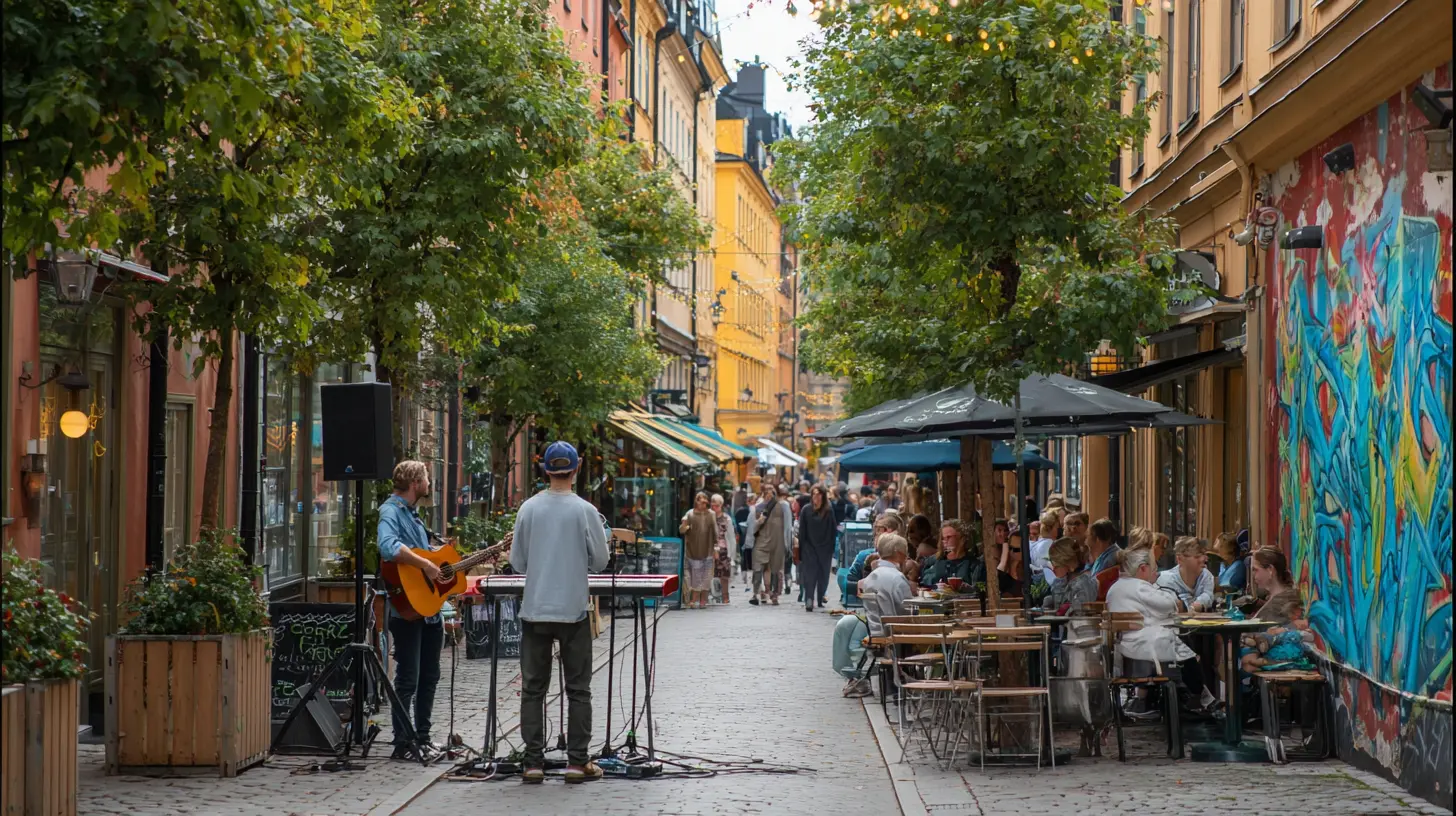
You're hungry, right? Good. Because Stockholm's street food scene in 2027 is a symphony in itself. Head to Östermalms Saluhall, the indoor food market. But don't just eat-listen. The market is a cacophony of sounds: the sizzle of herring on a grill, the clatter of knives on cutting boards, the laughter of vendors haggling in Swedish. It's messy, chaotic, and absolutely musical. Think of it as the percussion section of your day.If you want something more curated, try the new "Sound Bites" pop-ups that are popping up around the city. These are tiny food stalls with a live DJ spinning vinyl. You'll find them near Hornstull or on the edge of Djurgården. Grab a plate of Swedish meatballs or a smoked salmon sandwich, and let the beats fuel your afternoon. The key here is to eat with your ears open. Notice how the music changes the flavor of your food? It's weird, but it's real.
Afternoon: The Underground Beat of Slussen
After lunch, it's time to dive deep. Slussen is the heart of Stockholm's public transport, but don't let the buses fool you. Underneath the concrete, there's a thriving underground music scene. By 2027, the Slussen area will have transformed into a hub for experimental sounds. Think of it as the city's basement, where the noise gets raw and unpolished.Find the stairwell near the main entrance. You'll hear it before you see it: a low, throbbing electronic beat echoing through the tunnels. That's the "Slussen Sessions," an unofficial series of DJ sets and live performances that happen daily from 2 PM to 6 PM. No stage, no lights, just a speaker and a crowd of strangers moving together. It's intimate, sweaty, and real. Don't worry if you're not into techno-you'll find acoustic sets, spoken word, and even experimental jazz here. The vibe is pure Stockholm: unpretentious and full of passion.
Late Afternoon: The Classical Whispers of Djurgården
You need a break from the noise, I get it. That's where Djurgården comes in. This island is Stockholm's green lung, a sprawling park that feels a world away from the city's hustle. But even here, music finds you. Walk along the water's edge, and you'll hear the gentle lapping of waves mixing with the distant sound of a cello from the Skansen open-air museum. In 2027, Skansen will host daily "Nature Concerts" at 4 PM-small ensembles playing classical pieces in the middle of the woods. It's surreal, like stumbling into a fairy tale.Find a spot under an oak tree. Close your eyes. The cello weeps, the wind hums through the leaves, and a bird joins in with its own melody. This is Stockholm's reminder that music doesn't need a stage. It just needs a moment.
Evening: The Electric Vibe of Stureplan
As the sun sets, the city's energy shifts again. Stureplan is where Stockholm's nightlife roars to life. By 2027, this area will be a neon-lit playground of sound. The streets are lined with clubs, bars, and restaurants, but the real show is outside. Street performers here are next-level-think breakdancers with Bluetooth speakers, live-looping vocalists, and DJs set up on makeshift platforms. The sound is loud, brash, and undeniable.Don't be intimidated. Walk through the crowd, let the bass hit your chest, and watch the faces around you. Everyone is smiling, dancing, or just nodding along. This is Stockholm's collective exhale after a long day. If you're feeling brave, join in. No one cares if you can't dance. The music doesn't judge.
Night: The Silent Symphony of Riddarholmen
Finally, when the clubs close and the streets empty, there's one last sound you need to hear: silence. Head to Riddarholmen, the tiny island near Gamla Stan. By midnight, it's almost deserted. The only sounds are the wind, the water, and the occasional boat horn from the harbor. It's a stark contrast to the chaos of Stureplan, but it's just as musical.Sit on the steps of the Riddarholm Church. Listen to the quiet. It's not empty-it's full of echoes from the day. The violin from Gamla Stan, the sax from Södermalm, the cello from Djurgården-they all linger in the air like ghosts. This is Stockholm's silent symphony, and it's the perfect way to end your day.
Where to Catch Live Music in 2027
Okay, so you want the nitty-gritty. Here are the must-visit spots for live music in Stockholm in 2027:- Fasching (Kungsgatan): The jazz club that refuses to die. Expect world-class acts every night.
- Debaser Strand (Hornstull): Indie rock and alternative bands, with a killer view of the water.
- Slaktkyrkan (Medborgarplatsen): A converted church turned into a club. The acoustics are insane.
- Trädgården (Södermalm): An outdoor venue that feels like a secret garden. Summer nights here are magical.
- Berns (Berzelii Park): Old-school glamour with a modern sound system. Dress up, or don't-no one cares.
The Unsung Heroes: Stockholm's Street Musicians
Let's be real for a second. The real soundtrack of Stockholm isn't in the clubs-it's on the streets. By 2027, the city will have over 500 licensed buskers, and they're the heart of this itinerary. Talk to them. Drop a few kronor in their hat. Ask them why they play. You'll hear stories of love, loss, and the simple joy of making noise in a beautiful city. One guitarist I met told me he plays the same corner every day because "the echo from the buildings sounds like an old friend." That's Stockholm for you.How to Make Your Own Sound Map
Here's a little trick I learned: carry a small notebook or use your phone's notes app. Every time you hear a sound that moves you-a laugh, a chord, a gust of wind-write it down. Where were you? What time was it? How did it feel? By the end of your trip, you'll have a "sound map" of Stockholm that's more personal than any photo. It's like a diary of the city's heartbeat.
The Takeaway: Listen, Don't Just See
Most travel guides tell you to see Stockholm. I'm telling you to listen to it. Because when you close your eyes and let the sounds guide you, you stop being a tourist. You become part of the city's rhythm. You become a note in its endless song.So, will you take the challenge? Will you let Stockholm's street sounds be your itinerary? I hope so. Because in 2027, this city will be louder, weirder, and more beautiful than ever. And it's waiting for you.
all images in this post were generated using AI tools
Category:
Local Music ScenesAuthor:

Kelly Hall
Discussion
rate this article
1 comments
Jaxon Wilcox
Stockholm's vibe is infectious; the street music scene truly captures the city's spirit.
June 7, 2026 at 3:51 PM
Kelly Hall
I completely agree! The street music in Stockholm really reflects its unique energy and culture. It's a must-experience for any music lover.