Sustainable Backcountry Adventures: How to Tread Lightly
7 February 2026
Ever heard the phrase, "Take only pictures, leave only footprints"? Yeah, well, let’s aim for even fewer footprints while we're at it. Backcountry adventuring is all about soaking in nature’s beauty without trashing the place like last weekend’s house party.
If you love hiking, camping, or just wandering where Wi-Fi fears to tread, it’s time to amp up your sustainability game. Ready to become the eco-friendly explorer your grandma (and Mother Nature) would be proud of? Let’s do this. 
Why Should You Care About Sustainable Backcountry Adventures?
Look, we get it. The wilderness seems endless—towering trees, rolling hills, pristine lakes—but here’s the catch: it’s not invincible. Every off-trail shortcut, single-use plastic wrapper, and unburied… um, "natural deposit" chips away at its beauty.Imagine you find this breathtaking hidden waterfall, but when you get there, someone’s left their snack wrappers and a pair of forgotten flip-flops (seriously, who hikes in flip-flops?). Annoying, right? Well, let’s make sure we’re not that person.
The good news? Sustainable adventuring doesn’t mean sacrificing fun. It just means being mindful. And hey, who doesn’t want to be the hero who saves the outdoors? 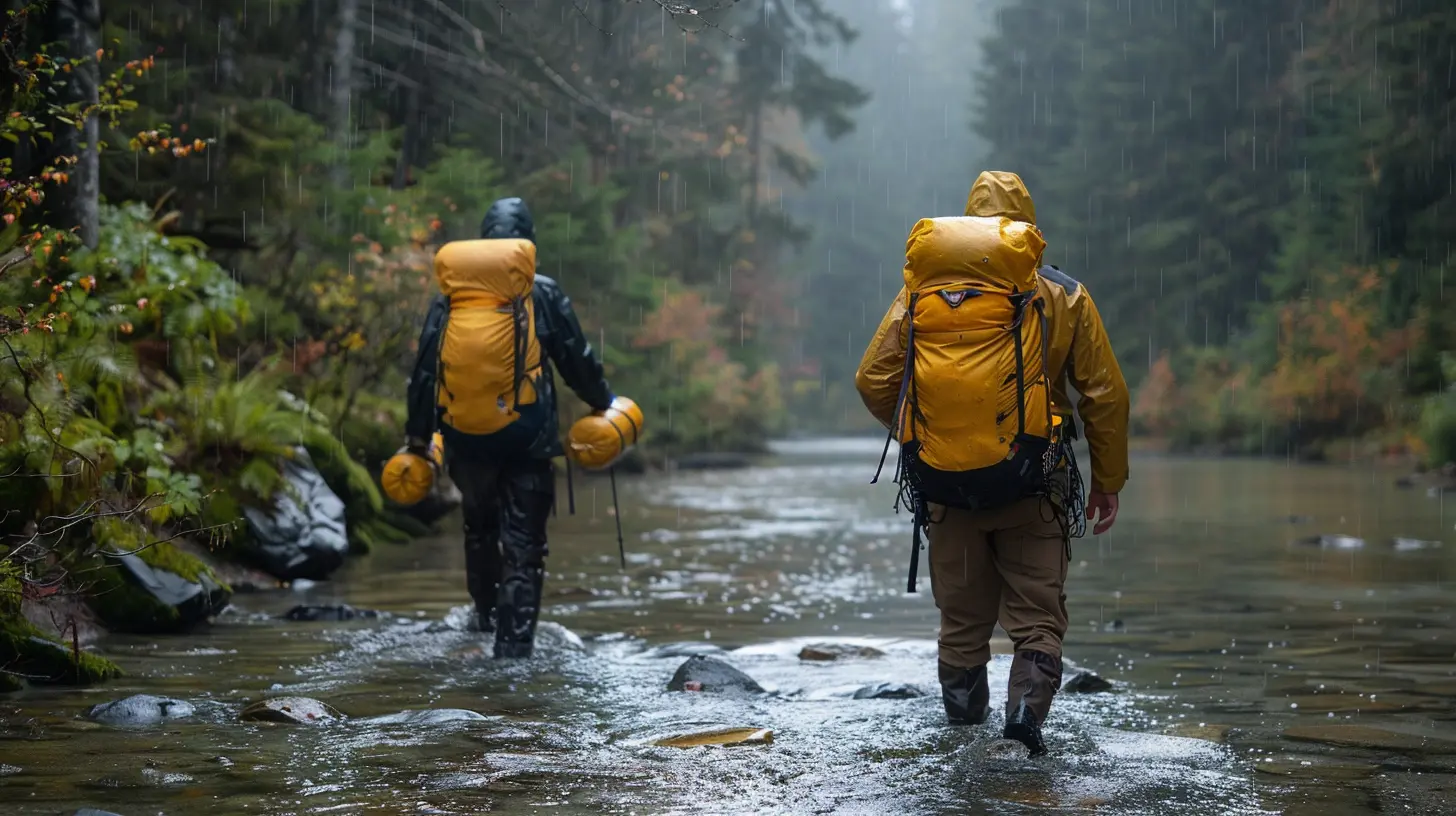
1. Pack Smart, Not Heavy
Before you even set foot on the trail, let’s talk about your gear. Think of your backpack as a tiny house—you wouldn’t fill it with useless junk, right?The Golden Rules of Eco-Friendly Packing:
- Ditch single-use plastic: Bring a reusable water bottle, food containers, and utensils.- Opt for biodegradable products: Soap, toothpaste, even your toilet paper should be nature-approved.
- Lightweight, durable gear rules the game: Invest in high-quality, long-lasting equipment instead of cheap stuff that’ll fall apart faster than your New Year’s resolutions.
Think of it like packing for a survival reality show—except, you know, without the drama (or the weirdly intense voice-over narration). 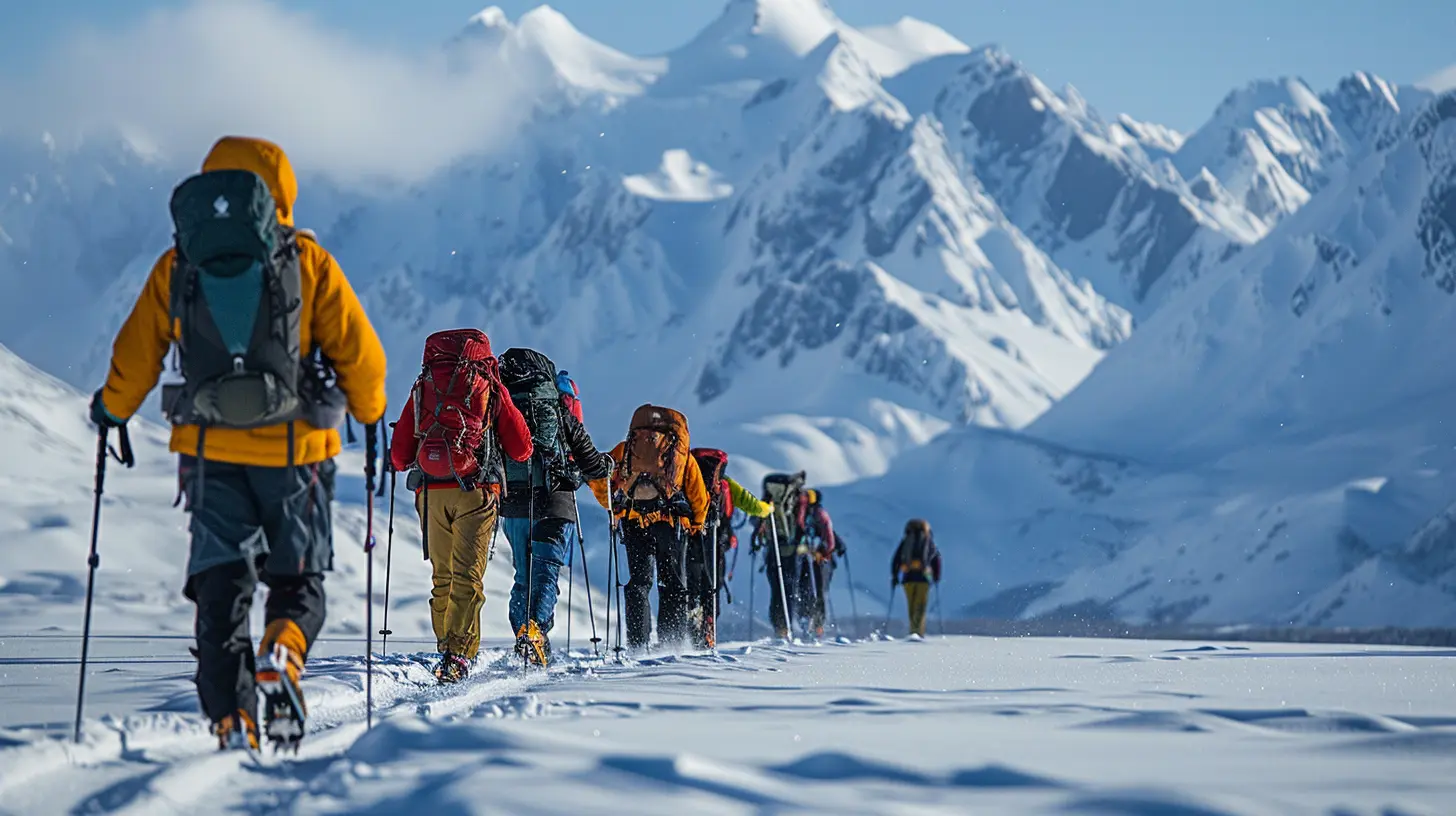
2. Stick to the Trail Like Your Life Depends on It (Because It Kind of Does)
Trails exist for a reason: to keep nature safe from our clumsy feet. Every time someone decides to go “off-route” for a better view, they’re trampling over delicate plants, disturbing wildlife, and basically giving nature a hard time.But wait, what if your buddy wants to cut across that meadow for the “perfect sunset photo”? Just remind them that stepping off-trail is like cutting in line—it’s rude, unnecessary, and messes things up for everyone else. Be cool. Stay on the path. 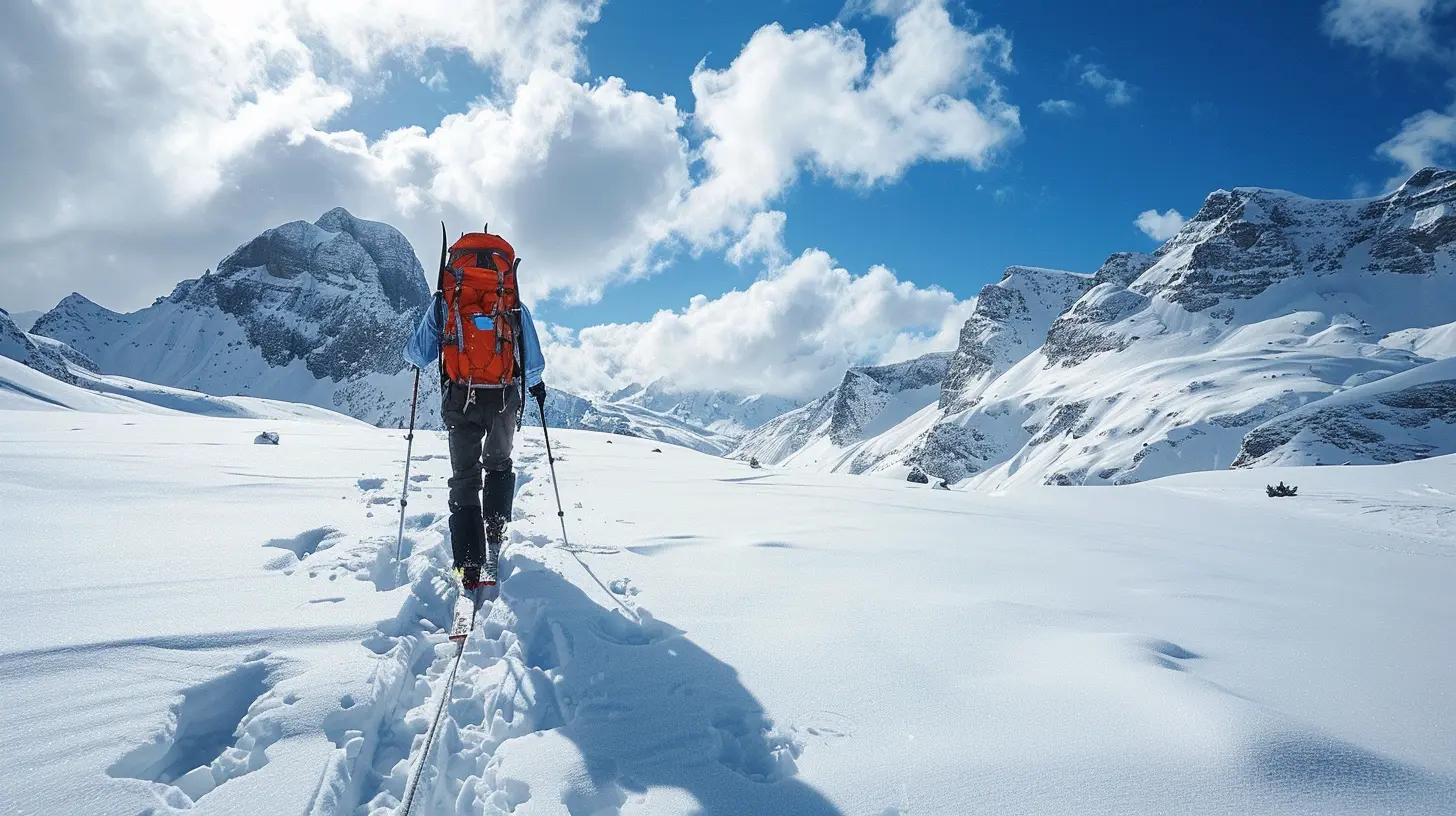
3. Leave No Trace (And No Mystery Smells)
The Leave No Trace principles exist because, shocker, nobody likes a messy camper. Here’s how to follow them without feeling like a rule-following robot:Trash:
- Pack out everything. If you brought it in, take it home. Yes, even tiny scraps of food. No, that apple core won’t magically “disappear”—it’ll just attract animals that shouldn’t be snacking on human leftovers.Poop:
- Ah, the glamorous side of adventuring. If restrooms aren’t available, dig a cathole about 6-8 inches deep, at least 200 feet away from water sources. Cover it up like a cat burying its secrets.- Even better? Use a wag bag (portable toilet bag)—trust us, future you will thank you.
Campfires:
- Fires can create permanent damage. If fires are allowed, use established fire rings and keep them small. Or, better yet, use a camping stove—your marshmallows will taste the same, promise.4. Wildlife Watching: Admire from Afar (No, You Can’t Pet That Bear)
We all love wildlife, but here’s the deal: they don’t love us back—at least, not in the way we think. Feeding animals, approaching them for photos, or (heaven forbid) trying to hug a moose isn’t just risky—it messes with their survival instincts.Wildlife Rules 101:
- No feeding. Human food = animal health problems.- Keep a safe distance. If you’re close enough for a selfie, you’re too close.
- Store food properly. Use bear-proof containers unless you want a hungry visitor sniffing around your tent at 2 AM.
Remember, you’re visiting their home. Respect their space like you would an unspoken “Do Not Disturb” sign.
5. Water: Drink It, Don’t Pollute It
Nothing ruins a refreshing mountain stream like someone washing their dishes (or worse, themselves) right in the water. A few things to keep in mind:- Filter and purify water before drinking. Not everything clear is clean.
- Wash dishes and yourself at least 200 feet away from water sources. Use biodegradable soap and scatter your wastewater.
- If you're thinking about tossing leftovers into a stream—stop. Fish weren’t waiting for your half-eaten granola bar.
6. Be a Noise Ninja, Not a Boombox
Nature has its own soundtrack—birds chirping, leaves rustling, rivers flowing. What it doesn’t need? Your portable speaker blasting ‘80s power ballads (even if they are amazing).- Keep noise levels low. No one hikes into the backcountry to hear your karaoke skills.
- Respect quiet hours if you’re camping. You wouldn’t want a raccoon breaking into your tent at 3 AM because you annoyed Mother Nature, would you?
Let’s make sure the only echoes you hear are actual echoes—not complaints from fellow hikers.
7. Support Local & Ethical Brands
If you’re going to spend money on gear, food, or accommodations, why not support businesses that care about sustainability? Look for brands that:- Use recycled or sustainable materials in their products.
- Have eco-friendly production processes.
- Give back to conservation efforts.
Think of it like picking a superhero team: you want the ones fighting for Mother Earth, not against her.
8. Spread the Word (But Not the Trash)
Sustainability isn’t a one-person gig—it’s a movement. Encouraging others to tread lightly can make a huge impact.- Lead by example. Friends don’t let friends litter.
- Educate gently. No one likes a preachy hiker—share tips without making people feel guilty.
- Pick up trash—even if it’s not yours. Yes, it’s annoying. But future adventurers (and squirrels) will silently thank you.
Final Thoughts: Be an Outdoor Legend, Not an Outdoor Menace
Sustainable backcountry adventures aren’t about making things harder—they’re about making sure we still have wild places to enjoy in the future. Think of yourself as a guest in nature’s home:- Clean up after yourself.
- Respect the locals (both human and animal).
- Don’t be that person who thinks nature is their personal theme park.
Now, get out there and tread lightly—but most importantly, have fun doing it. Because the best backcountry adventures are the ones that leave you with nothing but stories…and maybe sore legs.
all images in this post were generated using AI tools
Category:
Backcountry TravelAuthor:

Kelly Hall
Discussion
rate this article
2 comments
Quorra McVeigh
Great insights! Emphasizing sustainability in backcountry adventures is crucial for preserving our natural landscapes.
February 7, 2026 at 4:36 PM
Kelly Hall
Thank you! I'm glad you found the insights valuable—sustainability is indeed essential for protecting our beautiful backcountry.
Craig McKinstry
This article effectively highlights the importance of responsible tourism in backcountry adventures. However, it could benefit from more specific examples of sustainable practices and local community engagement, ensuring travelers not only tread lightly but also leave a positive impact.
February 7, 2026 at 4:47 AM
Kelly Hall
Thank you for your feedback! I appreciate your suggestion for more specific examples and will consider incorporating them in future revisions to enhance the article's impact.