Sustainable Safaris: Ethical Adventures in Africa
5 April 2026
Africa’s breathtaking landscapes and incredible wildlife make it one of the world’s top safari destinations. But with great beauty comes great responsibility. The rise of mass tourism has put immense pressure on ecosystems and endangered species. That’s where sustainable safaris come in—offering ethical, eco-friendly adventures that help protect both the land and its inhabitants.
If you’re dreaming of an African safari but want to ensure your trip benefits rather than harms the environment, this guide is for you. We’ll walk you through what makes a safari sustainable, the best eco-friendly destinations, and how you can travel responsibly—all while having the adventure of a lifetime! 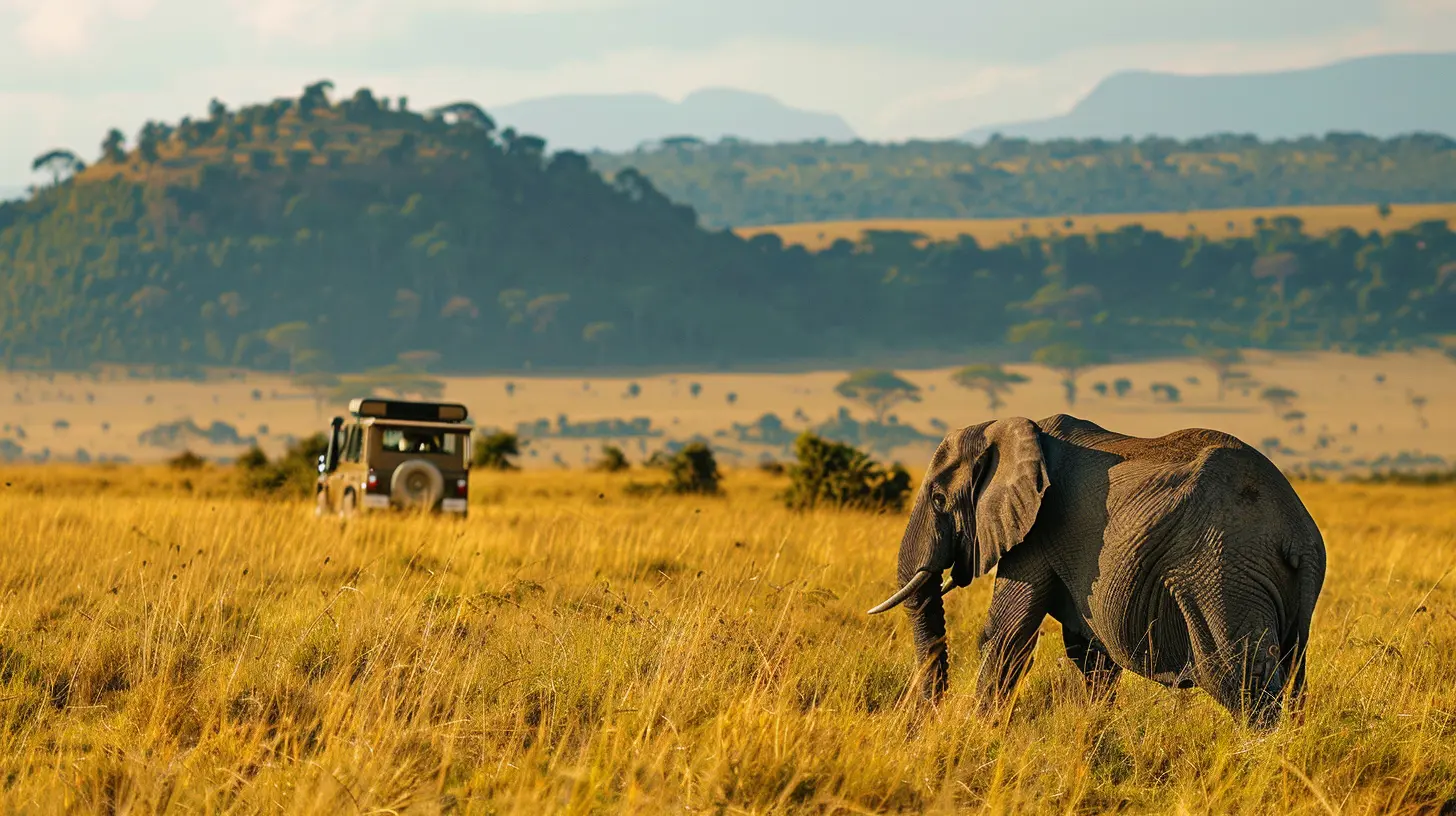
What Is a Sustainable Safari?
A sustainable safari prioritizes environmental conservation, supports local communities, and ensures ethical wildlife encounters. Unlike traditional safaris that may exploit animals and degrade landscapes, sustainable safaris work to protect fragile ecosystems while giving back to the local economy.Think of it like this: instead of being a mere spectator, you become a participant in conservation efforts. Whether it’s staying at an eco-lodge, supporting responsible tour operators, or contributing to local projects, every choice you make helps preserve Africa’s natural wonders for future generations. 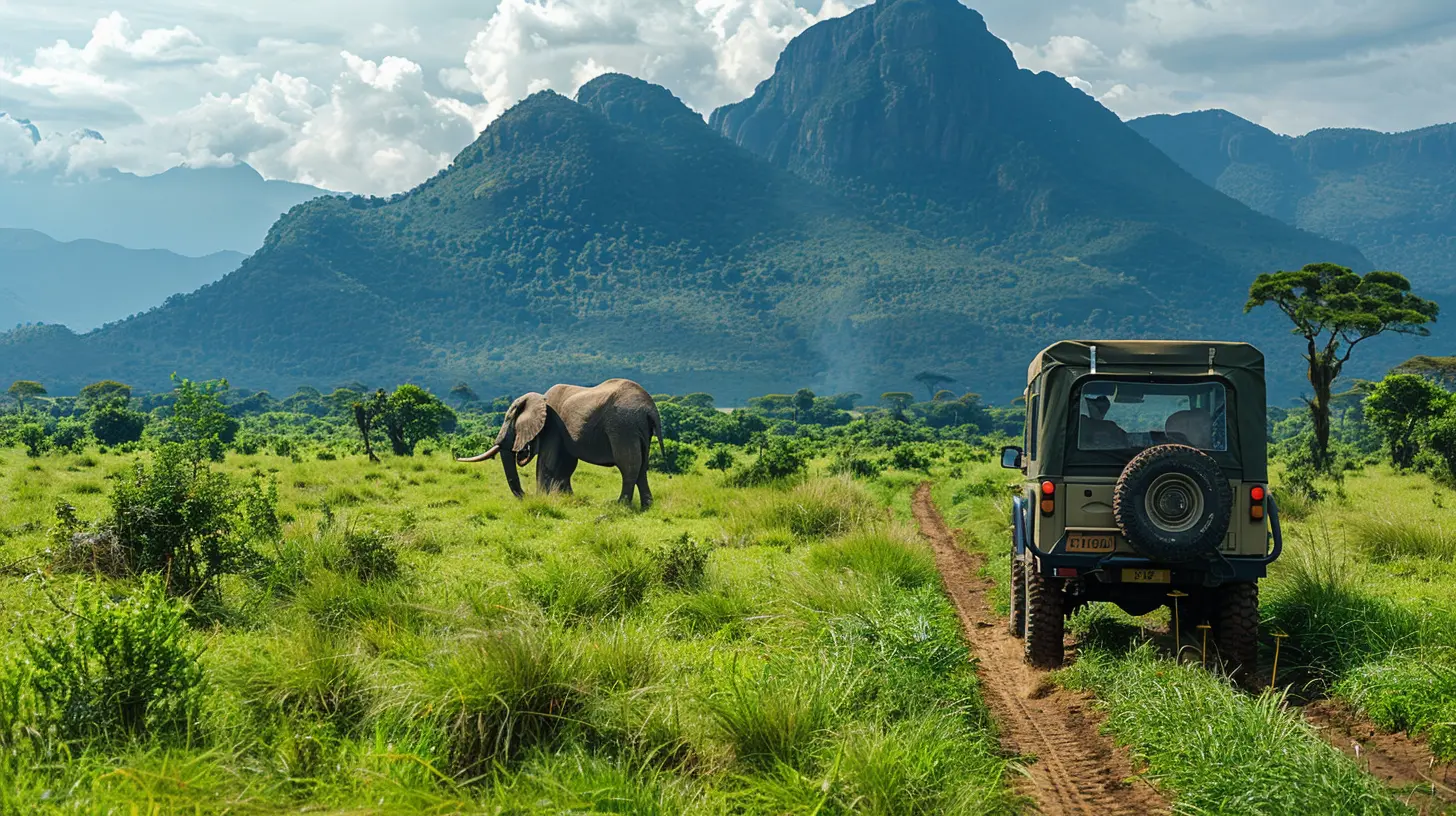
Why Choose a Sustainable Safari?
You might be wondering—does it really make a difference? Absolutely! Here’s why:1. Protects Wildlife
Unethical safaris often exploit animals, encouraging unnatural interactions like petting lion cubs or elephant rides. Sustainable operations focus on observing animals in their natural habitat without interference, ensuring that they remain wild and free.2. Preserves Ecosystems
Over-tourism can damage fragile environments. A responsible safari ensures habitats remain untouched by limiting vehicle numbers, reducing waste, and using eco-friendly transport.3. Supports Local Communities
Many sustainable lodges and tours are community-run, meaning your money goes directly to the people who live there. This helps create jobs, fund education, and support conservation initiatives.4. Enhances Your Experience
A safari rooted in sustainability offers deeper, more meaningful connections with nature. Instead of rushing through crowded parks, you’ll enjoy immersive experiences—tracking animals on foot, learning from local guides, and staying in eco-lodges surrounded by untouched wilderness.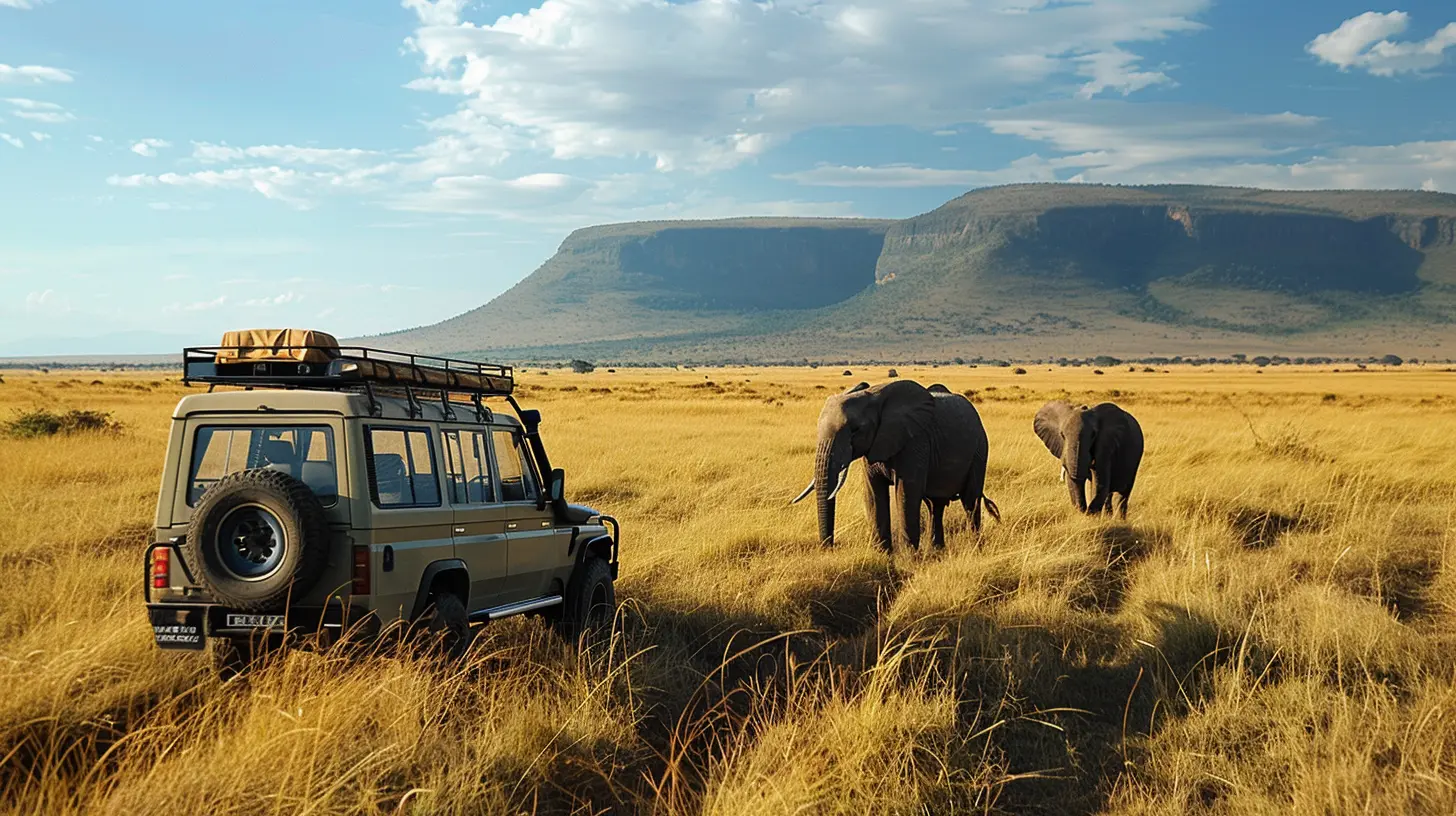
Best Destinations for a Sustainable Safari
Not all safari destinations are created equal. Some African parks and reserves have gone above and beyond to champion sustainability. Here are a few top picks:1. Serengeti National Park, Tanzania
Home to the iconic Great Migration, the Serengeti is a must-visit. Opt for lodges that use renewable energy and support anti-poaching efforts. You can also book a walking safari led by local Maasai guides, providing an intimate, low-impact wildlife experience.2. Okavango Delta, Botswana
This UNESCO-listed wetland is a dream destination for nature lovers. Botswana is known for prioritizing low-volume, high-value tourism, meaning fewer tourists and a more pristine environment. Many lodges run on solar power and contribute directly to conservation projects.3. Namib Desert, Namibia
Namibia has become a global leader in conservation tourism. Private reserves ensure wildlife roams freely, and many safari camps run entirely off-grid, minimizing their footprint. Plus, you’ll find some of the world’s most breathtaking landscapes here.4. Gorilla Trekking in Rwanda & Uganda
Want to come face-to-face with a mountain gorilla? Opt for a trek in Volcanoes National Park (Rwanda) or Bwindi Impenetrable Forest (Uganda). Strict visitor limits help protect these endangered creatures while tourism fees support conservation and local communities.5. Kruger National Park, South Africa
One of Africa’s most famous parks, but did you know Kruger has sustainable safari options? Stay in community-run lodges, book eco-certified tours, and avoid areas that allow unethical wildlife interactions.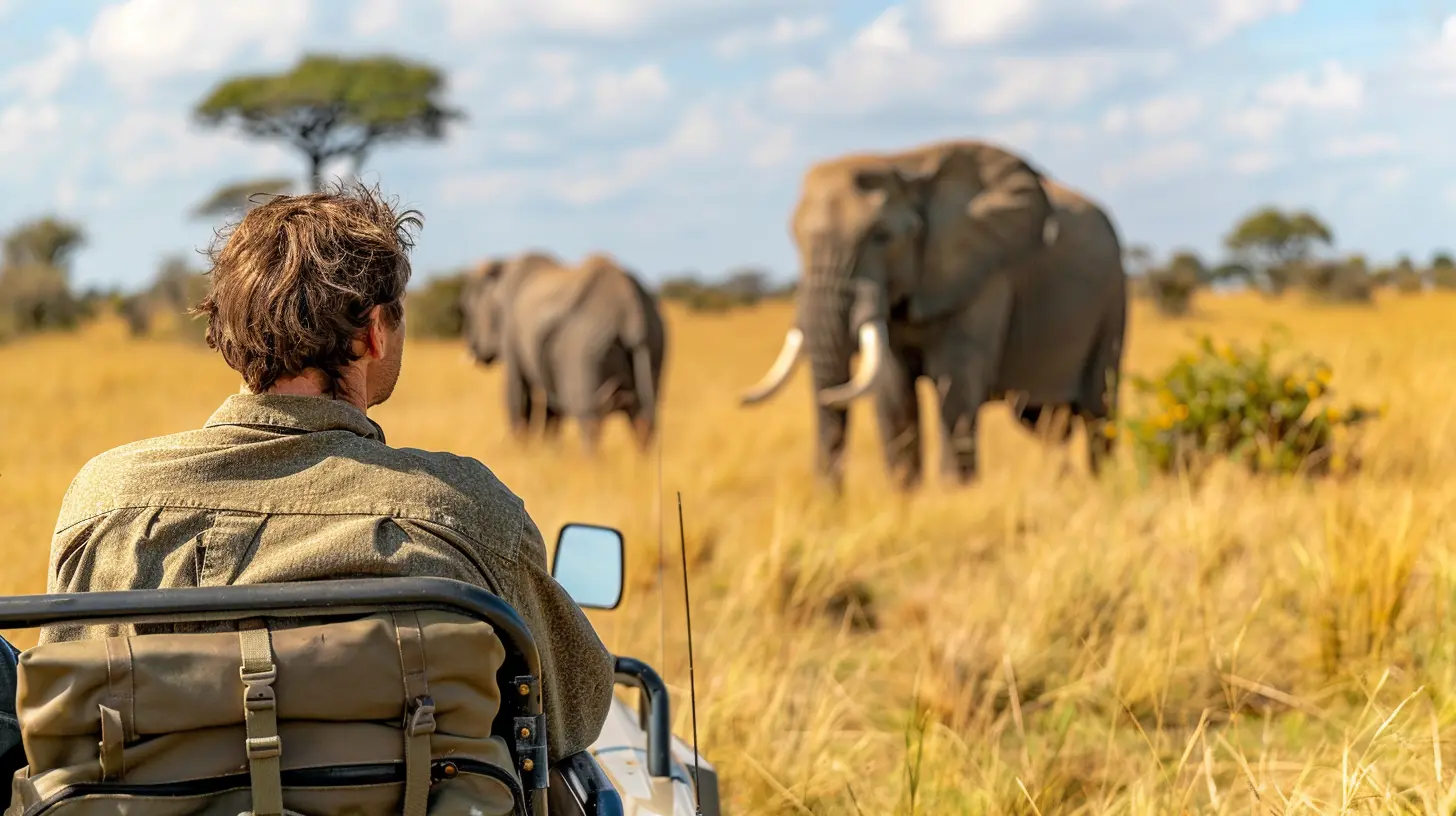
How to Plan a Sustainable Safari
Want to make your safari as ethical as possible? Here’s how:1. Choose Responsible Tour Operators
Not all safari companies are ethical. Look for operators certified by organizations like:- EcoTourism Kenya
- Fair Trade Tourism
- The African Travel & Tourism Association (ATTA)
These certifications ensure they prioritize conservation, ethical wildlife viewing, and fair treatment of local communities.
2. Stay in Eco-Friendly Lodges
Ditch the big chain hotels and opt for lodges committed to sustainability. The best eco-lodges:✅ Run on solar or wind energy
✅ Use rainwater harvesting & waste reduction programs
✅ Employ local staff & support community projects
3. Say No to Unethical Animal Encounters
Avoid attractions that involve direct animal contact—especially lion cub petting, elephant rides, or walking with cheetahs. These activities often involve cruel practices like separating young animals from their mothers and drugging them for photos.Instead, choose sanctuaries that focus on rescue and rehabilitation and observe animals in the wild where they belong.
4. Reduce Your Carbon Footprint
Flying to Africa? Consider carbon offset programs to neutralize your flight emissions. Once there, opt for eco-friendly transport like electric safari vehicles or even walking safaris.5. Support Local Communities
Buy handmade souvenirs, eat at locally-owned restaurants, and tip guides fairly. Your tourism dollars can make a huge difference in improving livelihoods and funding conservation efforts.6. Respect Nature
- Keep noise levels down—excessive noise stresses out animals.- Never litter—bring reusable water bottles and avoid single-use plastics.
- Follow park rules—staying on designated paths protects delicate ecosystems.
Ethical Wildlife Experiences to Consider
If you want to go beyond game drives, here are some responsible wildlife encounters:🐾 Rhino Tracking on Foot (Zimbabwe & Namibia) – A thrilling but ethical way to see these endangered animals up close.
🐾 Community-Led Walking Safaris (Kenya & Tanzania) – Learn from indigenous guides who’ve lived on this land for generations.
🐾 Volunteering with Conservation Projects – Spend part of your trip helping organizations dedicated to protecting wildlife.
🐾 Whale Watching (South Africa) – Opt for tour companies that follow responsible guidelines to avoid disturbing marine life.
By choosing these ethical experiences, you ensure your safari is both unforgettable and beneficial to the environment.
Final Thoughts
A safari is one of the most breathtaking adventures you can embark on, but it comes with great responsibility. By choosing sustainable safaris, you’re not just a tourist—you’re a conservationist, an environmental advocate, and a supporter of local communities.So, the next time you set foot on African soil, do it ethically, responsibly, and sustainably. That way, the magic of Africa’s wildlife and landscapes can be enjoyed for generations to come.
all images in this post were generated using AI tools
Category:
Eco TravelAuthor:

Kelly Hall
Discussion
rate this article
2 comments
Sheena Diaz
Great article! It’s inspiring to see how sustainable safaris promote ethical tourism while protecting wildlife and supporting local communities. Keep promoting these adventures!
April 9, 2026 at 2:25 PM
Kelly Hall
Thank you! I'm glad you found it inspiring. Sustainable safaris really do make a difference for wildlife and communities.
Pandora Rios
Discover the hidden treasures of Africa—where every footprint leaves a story. Dive into the shadows of the wild, where sustainability and mystery weave an unforgettable adventure. Unravel the unknown!
April 5, 2026 at 4:50 PM
Kelly Hall
Thank you for your insightful comment! Africa's hidden treasures truly offer a remarkable blend of sustainability and adventure, making every safari a unique journey worth exploring.