The Do’s and Don'ts of Backcountry Campfires
24 January 2026
Camping in the backcountry is an unforgettable experience—there’s just something about being surrounded by nature with nothing but the sounds of the wilderness at night. And let’s be honest, no camping trip feels complete without a crackling campfire to gather around.
But before you strike that match, it’s essential to know the do’s and don'ts of backcountry campfires. A poorly managed fire can wreak havoc on the environment, destroy ecosystems, and, in the worst-case scenario, spark a wildfire.
So, if you're planning on enjoying the warmth and glow of a fire on your next adventure, keep reading for everything you need to know to do it responsibly! 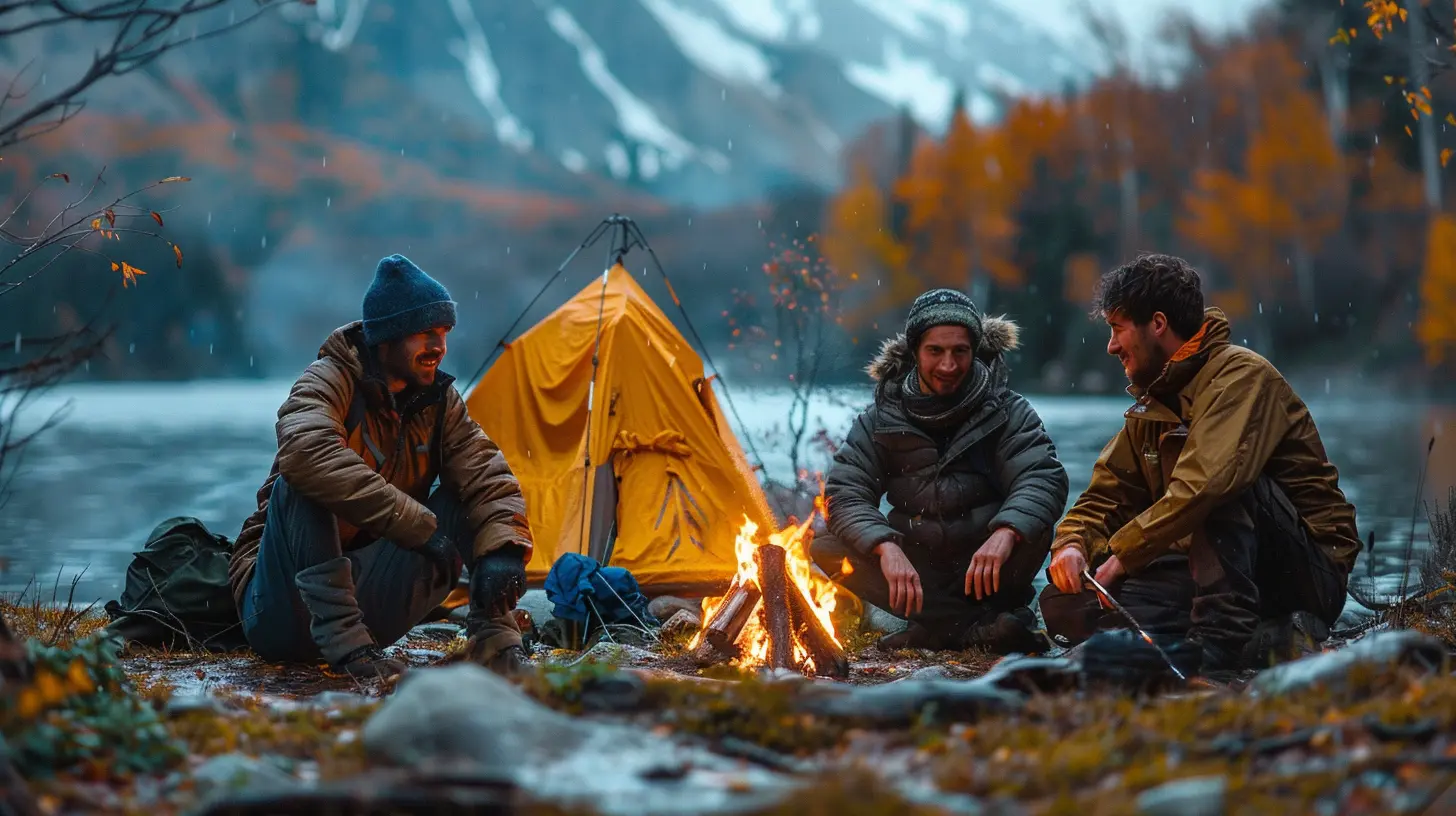
The Do’s of Backcountry Campfires
Let's start with the right way to get that perfect campfire going without harming nature.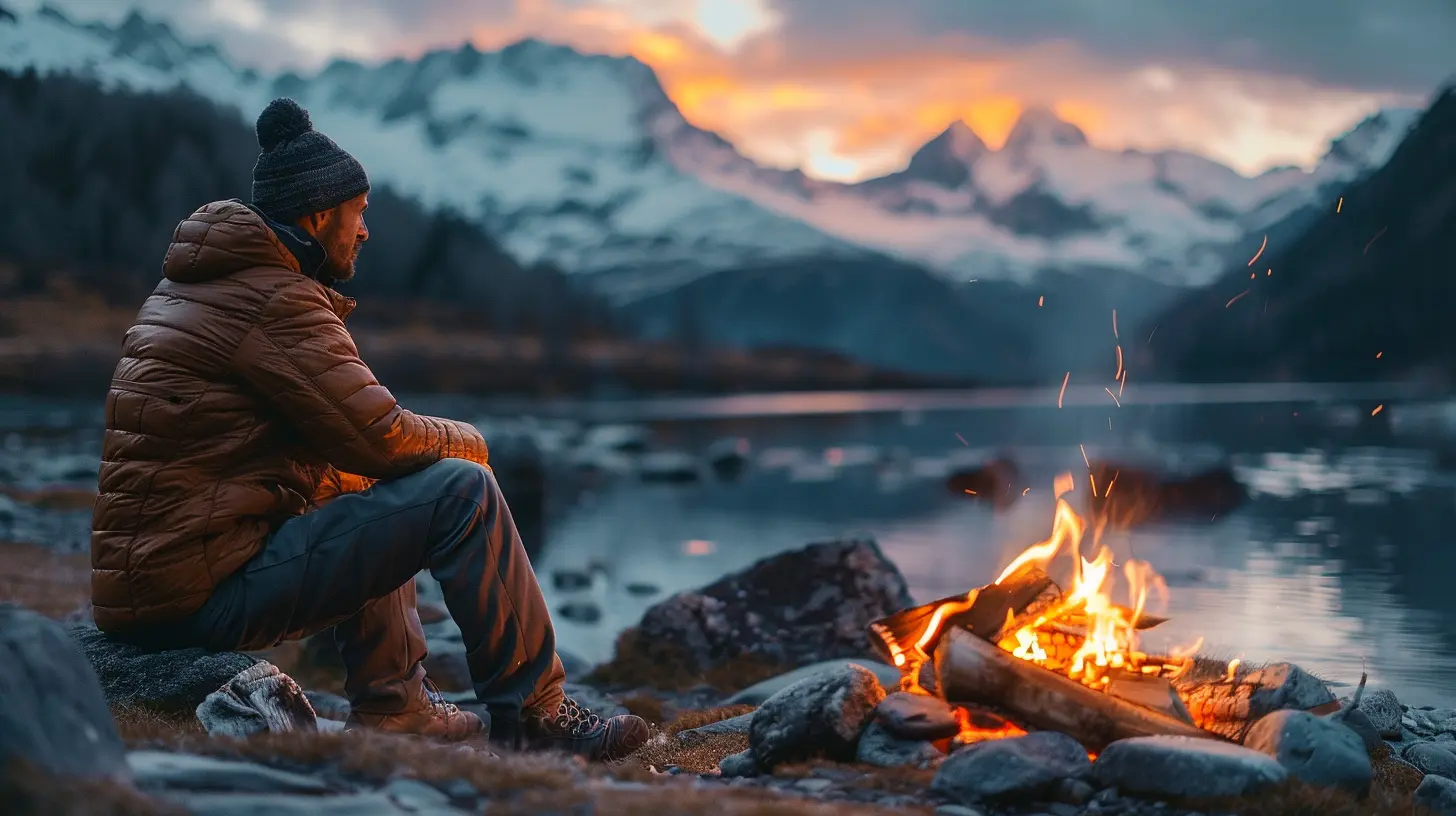
1. Check Fire Regulations Before You Go
This should be your first step before you even start packing. Many areas, especially during dry seasons, have fire bans in place to prevent wildfires.Check with the local forest service, park rangers, or even online sources to confirm whether fires are allowed. Nothing puts a damper on a trip like getting fined or causing an accidental disaster.
2. Use Established Fire Rings or Fire Pits
If there’s already a fire ring or designated fire pit, use it! These are there for a reason—to limit fire impact to one area.Avoid making new pits as they scar the landscape and disturb fragile ecosystems. In backcountry settings where no fire rings exist, consider skipping the fire altogether or using a lightweight camp stove instead.
3. Keep Your Fire Small
You don’t need a towering bonfire to stay warm or cook your food. A small, manageable fire is safer, easier to control, and requires less wood, which minimizes your impact on the environment.Stick to a fire that’s about the size of a dinner plate—big enough to enjoy, but small enough to be responsible.
4. Gather Firewood the Right Way
If the area allows collecting firewood, follow these guidelines:- Use only dead and downed wood—never cut live trees or branches.
- Look for pieces no thicker than your wrist—they burn more efficiently and don’t leave smoldering embers.
- Scatter unburned leftovers when you’re done—leave no trace of your fire.
Better yet, bring your own firewood if permitted! Transporting wood from outside the area can spread invasive pests, so always follow guidelines for the region you’re visiting.
5. Always Have Water & a Shovel Nearby
You wouldn’t drive without a seatbelt, right? Think of water and a shovel as your campfire safety essentials. A gust of wind or unexpected spark can turn a small fire into a dangerous situation quickly.A full water bottle, bucket, or even damp dirt from a shovel can be lifesaving in controlling your fire before it gets out of hand.
6. Fully Extinguish Your Fire Before You Leave
This is non-negotiable. When you're ready to call it a night or move on, drown the fire completely with water—not just until the flames disappear, but until the embers are cold to the touch.A good rule of thumb? If you can’t touch it with your hand, it’s not out. Stir the ashes, add more water, and repeat until there’s no heat left. 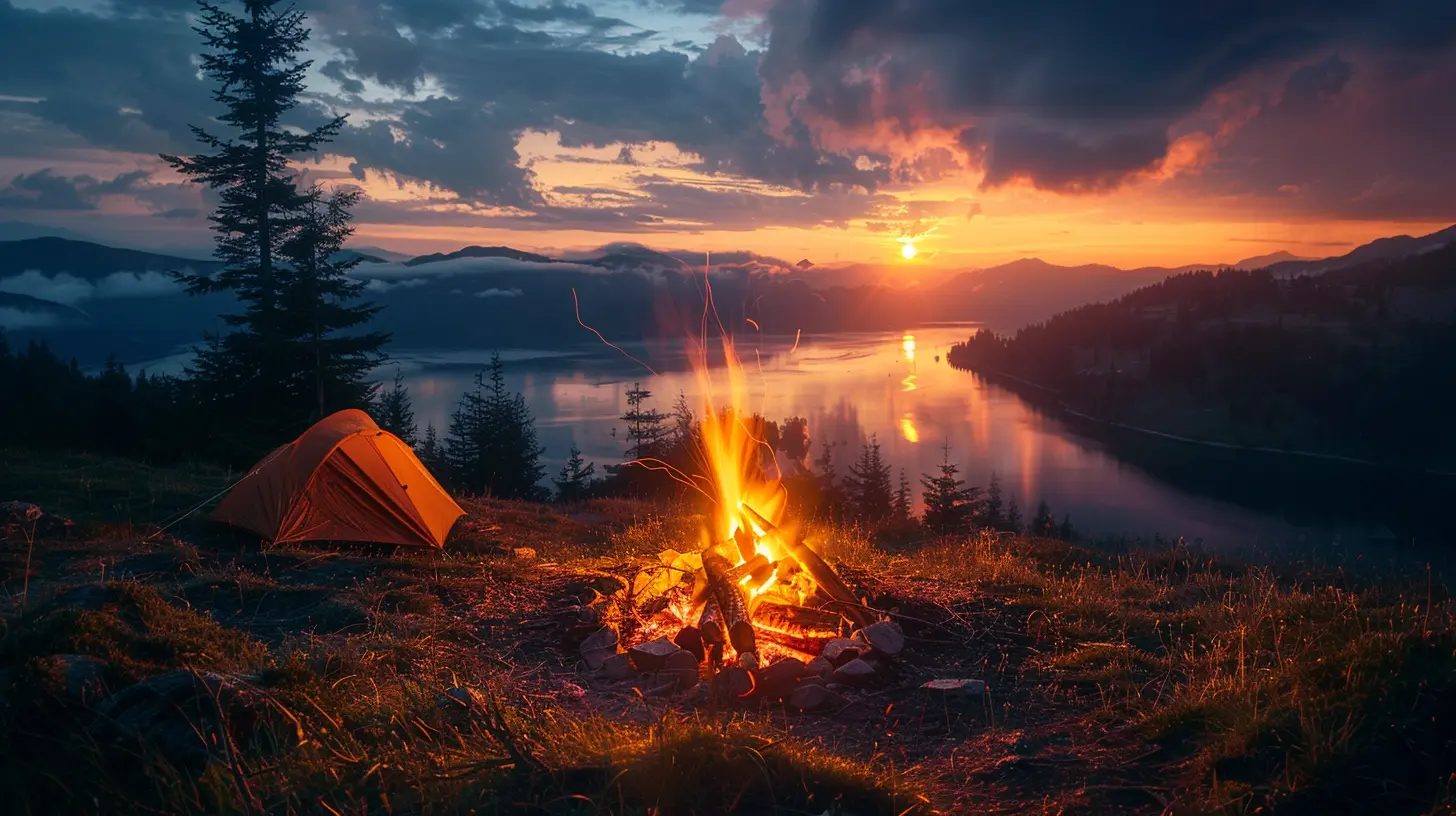
The Don’ts of Backcountry Campfires
Now that we’ve covered what you should do, here are some massive no-nos when dealing with campfires in the wild.1. Don’t Build Fires in Restricted Areas
If fire restrictions are in place, respect them. Even if the area seems damp or the air feels cool, rules exist for a reason. One careless fire can lead to devastating wildfires that take decades (or longer) for nature to recover from.2. Don’t Use Rocks to Contain the Fire
Many campers think stacking rocks into a ring is a great way to contain flames, but here’s the problem—rocks can explode when heated! Plus, they hold onto heat much longer than we realize, which increases the risk of accidental burns or spreading embers.If there’s no existing fire pit, consider going without a fire or using a portable fire pan designed for minimal impact.
3. Don’t Burn Trash, Plastic, or Food Scraps
Sure, it might seem convenient to toss a few empty wrappers into the fire, but burning trash and plastic releases toxic fumes that are terrible for the environment (and your lungs).Food scraps? Those might smell harmless, but they attract wildlife, which can lead to animals becoming dependent on human food—never a good thing! Pack out all trash and leftovers instead.
4. Don’t Leave Your Fire Unattended
Even if you’re just stepping away for a quick bathroom break, never leave a fire alone. Wind shifts happen without warning, and a tiny ember can ignite dry grass before you even realize it.If you’re done using the fire, put it out completely before walking away. No exceptions.
5. Don’t Use Accelerants Like Gasoline
It should go without saying, but never use gasoline, lighter fluid, or other accelerants to start your fire.These substances cause flames to become unpredictable and dangerous—not to mention they aren’t exactly great for the environment. Stick to natural tinder like dry leaves, twigs, or fire starters instead.
6. Don’t Chop Down Live Trees
This one is a big deal. Live wood doesn’t burn efficiently and cutting down trees creates unnecessary damage to the environment. Plus, it’s illegal in most protected lands.If there isn’t enough dead wood available (or gathering is prohibited), consider skipping the fire altogether and using a camp stove instead. 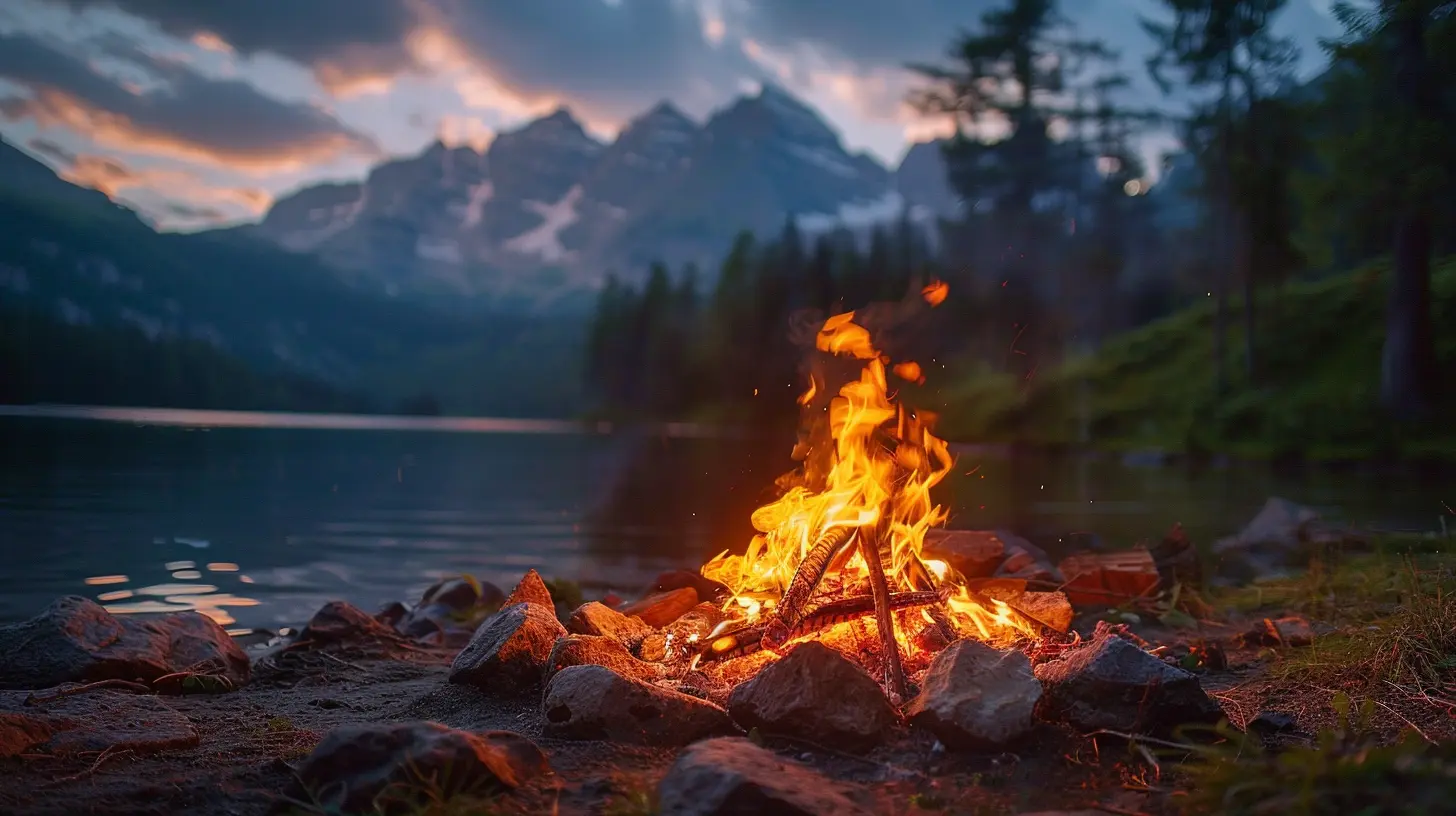
Responsible Campfires = More Future Adventures
There’s nothing quite like enjoying a warm fire under a starlit sky, but with that experience comes the responsibility to protect nature for future generations.By following the do’s and don’ts of backcountry campfires, you’re not just safeguarding yourself and your campsite—you’re helping preserve the wild spaces we all love.
So, respect fire rules, keep your blazes small and safe, and always leave your campsite better than you found it. That way, we can all keep enjoying the magic of campfires without harming the beauty of the backcountry.
Happy camping and stay safe out there!
all images in this post were generated using AI tools
Category:
Backcountry TravelAuthor:

Kelly Hall
Discussion
rate this article
2 comments
Maggie McNab
Respect nature: Leave no trace, follow fire regulations, and prioritize safety always!
February 2, 2026 at 3:53 AM
Patience Reed
This article provides valuable insights into responsible backcountry campfire practices. Emphasizing safety and environmental care is crucial for preserving nature’s beauty while enjoying outdoor experiences. The do’s effectively guide campers on best practices, while the don'ts serve as important reminders to minimize impact. A great resource for all adventurers!
January 27, 2026 at 5:45 PM
Kelly Hall
Thank you for your thoughtful feedback! I'm glad you found the article helpful for promoting responsible campfire practices in the backcountry. Happy adventuring!