The Influence of Colonial Architecture on Modern-Day Cities
19 February 2026
Ever wandered through a city street and suddenly felt like you were stepping back in time? You’re not alone. That haunting sense of history that whispers through arched doorways, lattice-windowed facades, and wide-open courtyards—it’s not your imagination. It’s colonial architecture, and trust me, it’s not just old bricks and mortar. It’s the ghost of empires past, still shaping how we live, where we gather, and even how we feel about our surroundings today.
From the baroque splendor of Latin American towns to the stark symmetry of British colonies, colonial architecture didn’t just vanish after independence movements swept across continents. It lingered. It adapted. And today, it quietly yet profoundly influences the modern design of cities around the world.
Let’s peel back the layers of time and unravel the mysterious grip of colonial architecture on our present-day urban landscapes.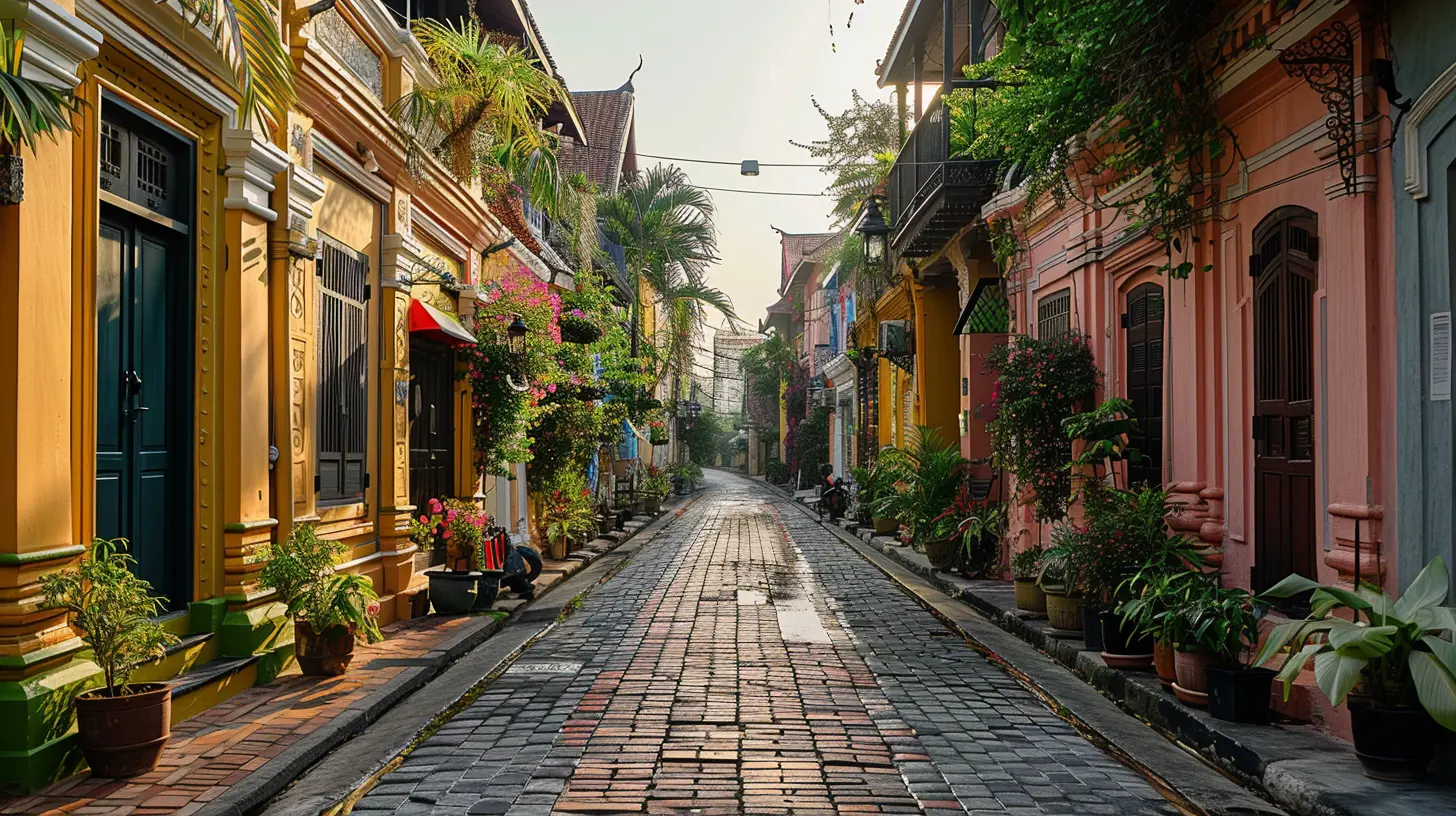
What Exactly Is Colonial Architecture?
Before we dive into the influence, let’s clear this up—what are we even talking about when we say “colonial architecture”?Colonial architecture refers to the styles and structures built by colonizing powers in foreign lands, often mixing their home-country designs with local materials and traditions. Think Spanish villas in the Andes, French townhouses in Saigon, British bungalows in India—each a hybrid born of conquest and cohabitation.
These buildings weren’t just homes or government offices. They were statements. Symbols of power. Architectural fingerprints left by empires long gone.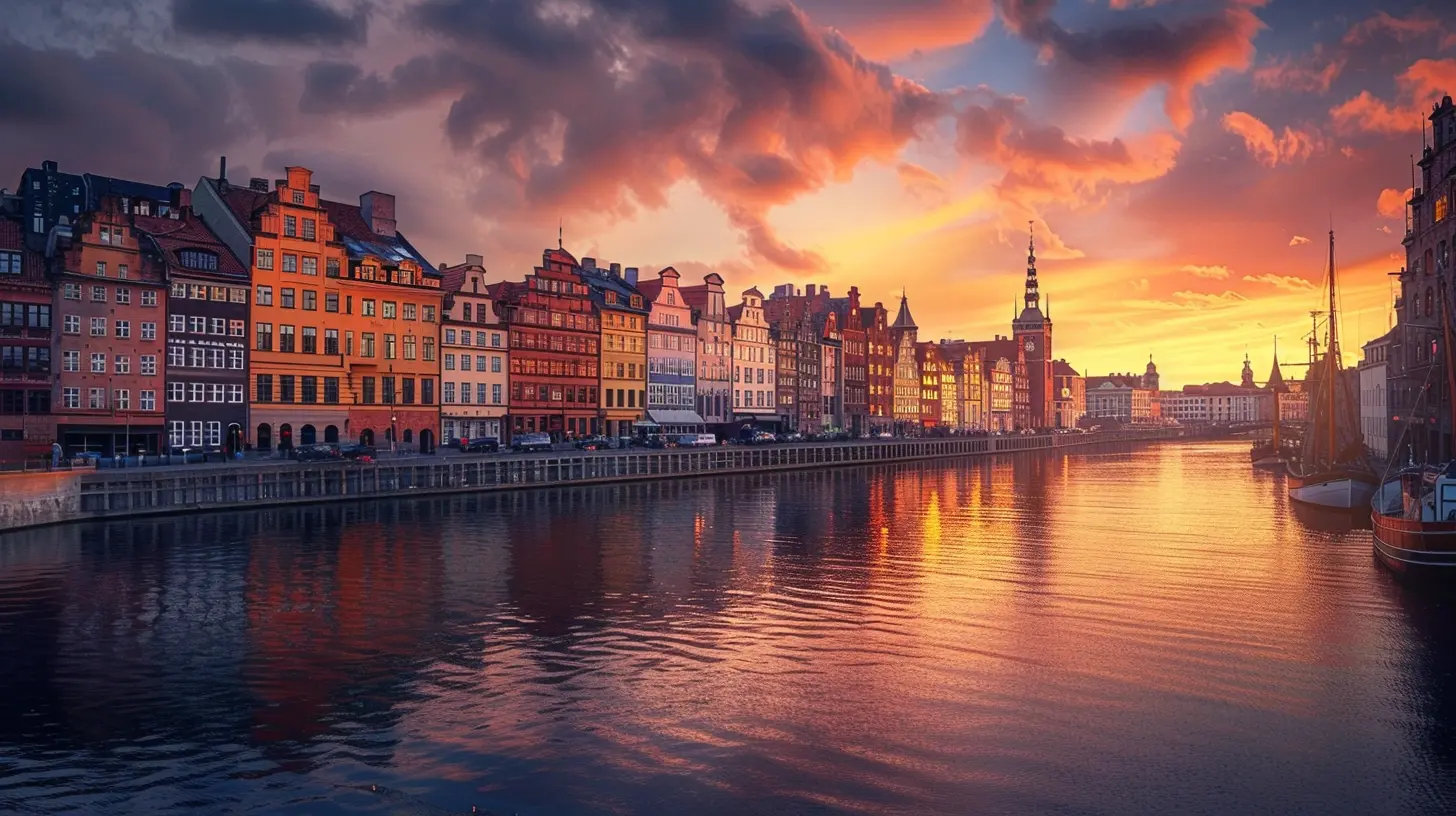
Why Should You Even Care?
Good question. After all, colonialism wasn’t exactly a warm-and-fuzzy chapter in history. So why celebrate its buildings?Well, here’s the thing—architecture tells stories. It silently records the past. And whether we like it or not, colonial architecture is tangled up in the origin story of many modern cities. Ignoring it would be like tearing out pages from the middle of a gripping novel.
Also, many colonial structures are visually stunning. Their arches, colonnades, and courtyards create open, breathable spaces—a concept architects today are rediscovering in their designs.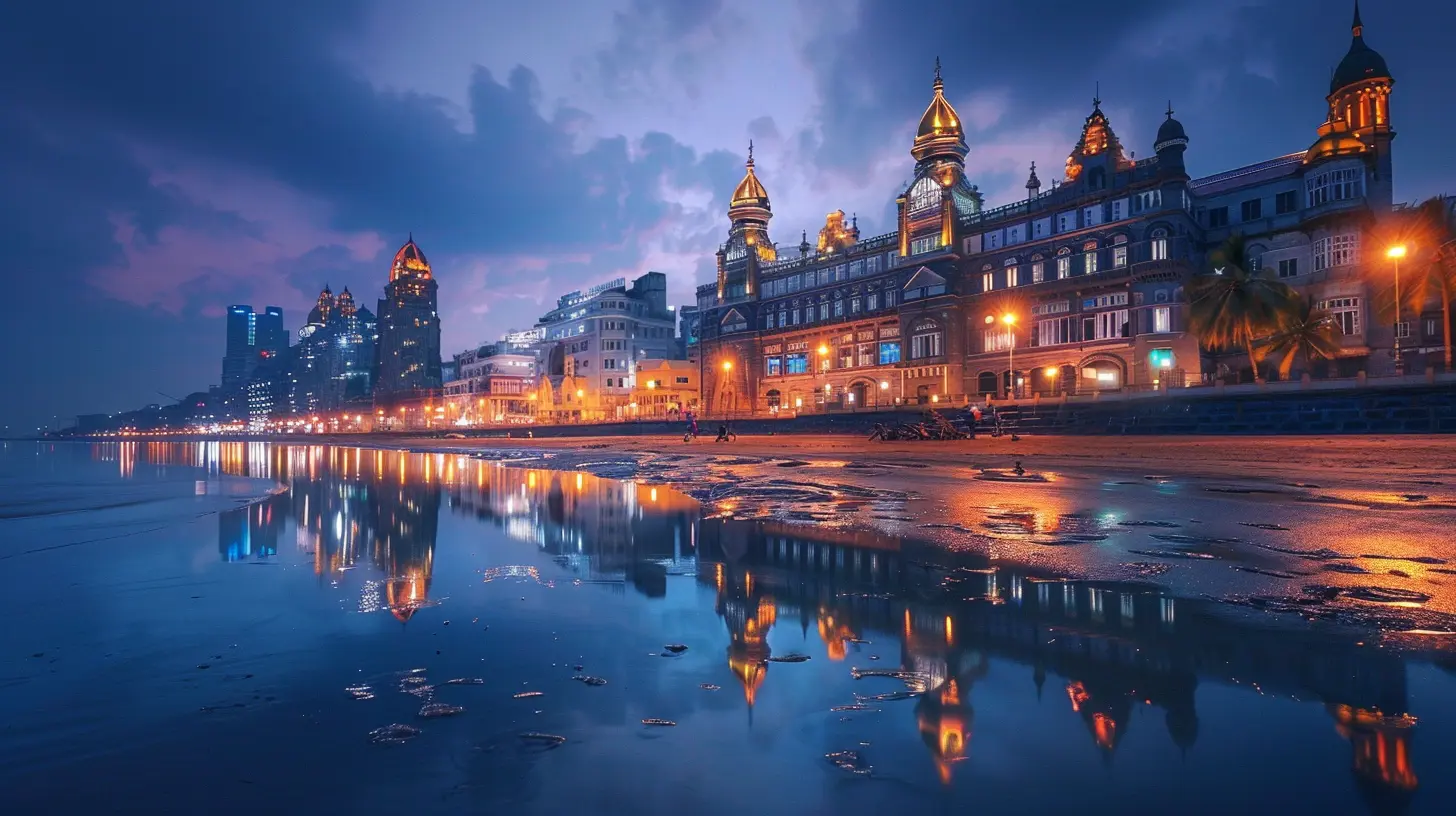
Mystery in the Masonry: The Unexpected Legacy
So how exactly has colonial architecture influenced modern urban landscapes? Let’s unfold this mystery, one clue at a time.1. City Planning: Grids, Plazas, and Purpose
Ever noticed how certain cities have such a perfect grid layout, almost like someone dropped a ruler on the map? You can thank colonial urban planners for that.Spanish colonial cities, for example, were meticulously designed around a central plaza, with a church and government buildings surrounding it. Manila, Havana, and Bogotá all bear this planning DNA.
Today, central business districts and civic centers often mirror this layout. The idea of a communal space at the city’s heart? Yep—that's a colonial hand-me-down.
👉 Think of the plaza as a city’s living room. The colonials furnished it, and we’re still hanging out there.
2. The Courthouse to Café Pipeline
Who would’ve guessed that a dusty, old colonial courthouse would one day become a swanky downtown café?Modern urban renewal projects often breathe new life into colonial buildings. Instead of being torn down, these architectural relics are repurposed—a trend that balances preservation with modern needs.
In cities like Cape Town, Lisbon, and Kolkata, converted colonial buildings now house art galleries, boutique hotels, restaurants, and coworking spaces.
It’s architecture doing double duty—honoring the past while serving the present.
3. The Hybrid Housing Style
Look around older neighborhoods in New Delhi or Penang, and you’ll see homes that blend Victorian windows, tropical woodwork, and local motifs. That’s colonial architecture adapting to climate and culture—and it’s a trend that set the tone for today’s hybrid housing styles.Modern architects often borrow those high ceilings, overhanging roofs, and shaded verandas—because surprise, surprise—they work incredibly well in hot, sweaty climates.
4. Materials Make a Comeback
Colonial builders made the best of what was locally available—lime mortar, sandstone, teak wood—and their choices were surprisingly sustainable.Fast forward to today, and the eco-conscious design movement is digging deep into this colonial tool chest. Modern green architecture often mimics colonial methods, like using thick walls for insulation or courtyards for passive cooling.
In a way, we’re finally catching up to what the colonials figured out centuries ago—build with nature, not against it.
5. Cultural Identity and Civic Pride
This one’s a bit unexpected. While colonial buildings were once symbols of foreign domination, many post-colonial cities have reclaimed them as icons of cultural identity.Take São Luís in Brazil or Luang Prabang in Laos—both showcase colonial architecture as part of their national charm, drawing tourists and locals alike.
It’s like turning the scars of history into beauty marks.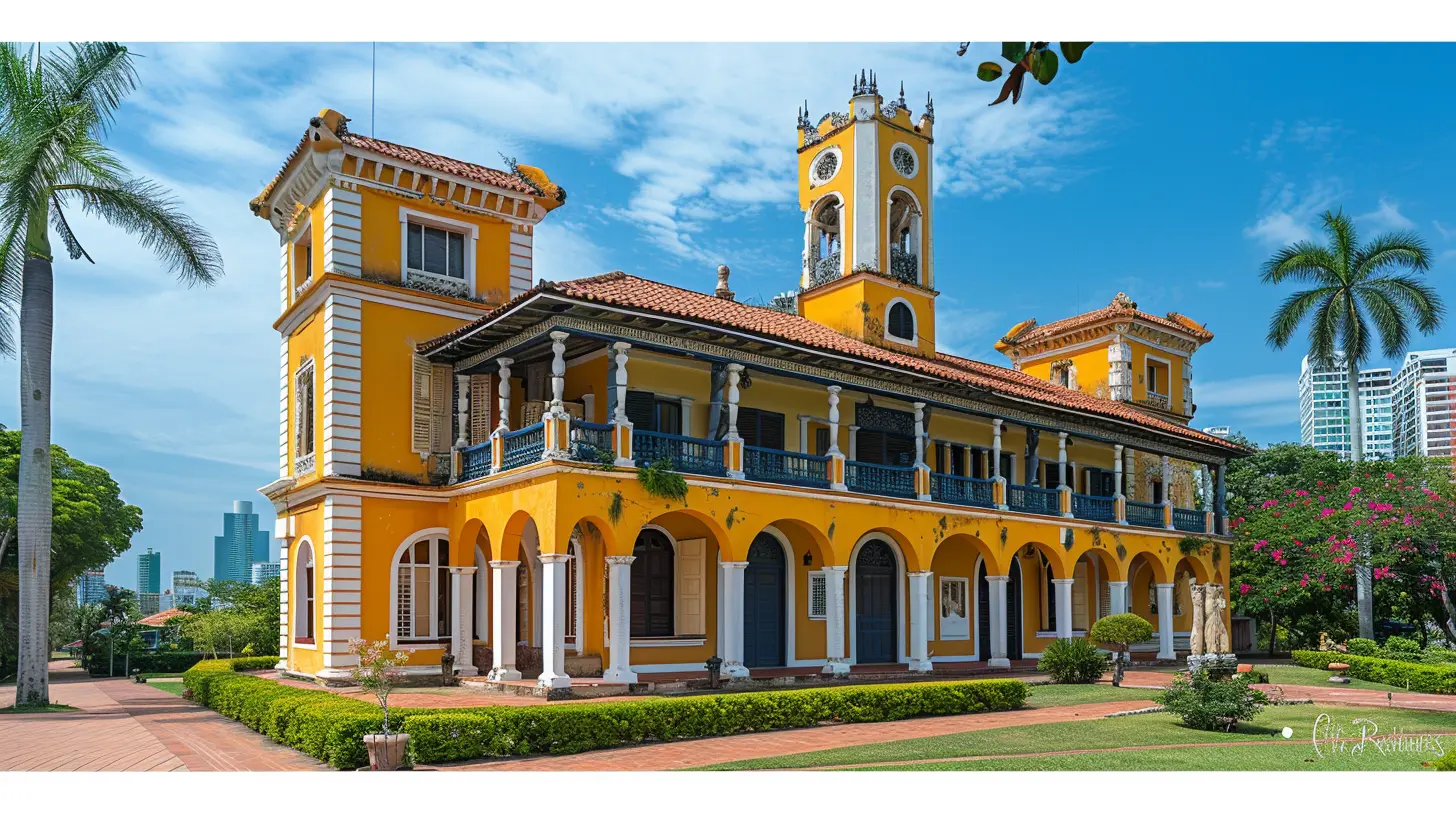
When the Past Meets the Future: Aesthetics Reimagined
You know what’s cooler than a brand-new skyscraper? A century-old building with tech-savvy interiors and a colonial façade that could make your jaw drop.This mash-up is becoming increasingly popular in modern cityscapes. Architects are now designing with a foot in both worlds—honoring the past while embracing futuristic elements.
📸 Instagram-worthy exterior, Wi-Fi-covered interior. Win-win, right?
One standout example? The restored Dutch-inspired buildings in Jakarta’s Kota Tua district, where gabled roofs meet minimalist interiors, and the past lives on with a modern twist.
Case Studies: Colonial Footprints Across the Globe
🏛 Havana, Cuba
Walking through Old Havana feels like stepping into a pastel dream. Spanish colonial buildings, now UNESCO-protected, line cobbled streets. Their influence? Massive. Today’s Cuban architects blend classic elements with modern materials, keeping the old soul alive.🏰 Pondicherry, India
This is France in the tropics. From mustard-yellow villas to shady boulevards, the French colonial style still defines the city. New constructions here often mimic the colonial palette and symmetry—giving the entire city a seamless vibe.🏤 Buenos Aires, Argentina
The city dances between Spanish, French, and Italian influences thanks to its colonial and immigrant past. Even new buildings echo the neoclassical lines and ornate balconies of their colonial predecessors.The Good, the Bad, and the Beautiful
Let’s get real for a second. Not all colonial architecture is worthy of admiration. Some buildings are crumbling, others are too tangled in painful histories. Preserving them raises tricky questions.Should we restore buildings tied to oppression? Or should they be left to decay?
Here's the thing—preserving doesn’t mean approving. It means understanding. And many cities are turning these buildings into museums, educational centers, and cultural spaces that tell the full story—warts and all.
Post-Colonial Renaissance: More Than Just Nostalgia
Believe it or not, some cities are experiencing what we could call a colonial revival—not out of nostalgia, but a desire to reconnect with a lost aesthetic sophistication.In Sri Lanka, the architectural revival known as "tropical modernism" fuses colonial elements with minimalist design.
Architects aren’t looking back to glorify history. They're doing it to find timeless design principles in a chaotic, ever-changing urban jungle.
Final Thoughts: Still Standing, Still Speaking
Colonial architecture is like the urban version of an old family heirloom—it might be dusty, maybe a little awkward, but it carries stories that are too valuable to forget.These buildings stand at the crossroads of time, whispering tales of power, resistance, adaptation, and beauty. And they continue to mold our cities in ways we sometimes don’t even notice.
So the next time you’re walking down a street lined with wrought iron balconies or passing a building with massive columns, pause for a second. Look around. You’re not just in a city. You’re in a living museum, where the past and present live side by side.
And honestly, isn’t that kind of magical?
all images in this post were generated using AI tools
Category:
Historical SitesAuthor:

Kelly Hall
Discussion
rate this article
2 comments
Seraphine McCollum
This article beautifully highlights how colonial architecture shapes contemporary urban landscapes, blending history with modernity. It's fascinating to see how these influences continue to define our cities today.
March 4, 2026 at 3:34 AM
Kelly Hall
Thank you! I'm glad you enjoyed the article and found the connection between colonial architecture and contemporary urban landscapes intriguing.
Stacey Coffey
Colonial architecture: beauty built on a troubled past.
February 20, 2026 at 4:52 PM
Kelly Hall
Thank you for your comment! Indeed, colonial architecture reflects a complex legacy that intertwines beauty with historical context, prompting important discussions about our cities' identities today.