Touring National Parks in Winter: Quiet Beauty and Fewer Crowds
3 July 2026
National parks are incredible year-round, but there's something truly magical about visiting them in winter. When the summer crowds fade and the snow blankets the landscape, nature takes on a serene and almost mystical quality. If you've never considered a winter adventure in one of these pristine locations, you're missing out!
Picture this: silent trails, snow-covered peaks, frozen waterfalls, and a peaceful serenity that’s hard to find during peak tourist season. Sounds perfect, doesn’t it? Let’s dive into why winter might just be the best time to tour national parks and which ones should be at the top of your list. 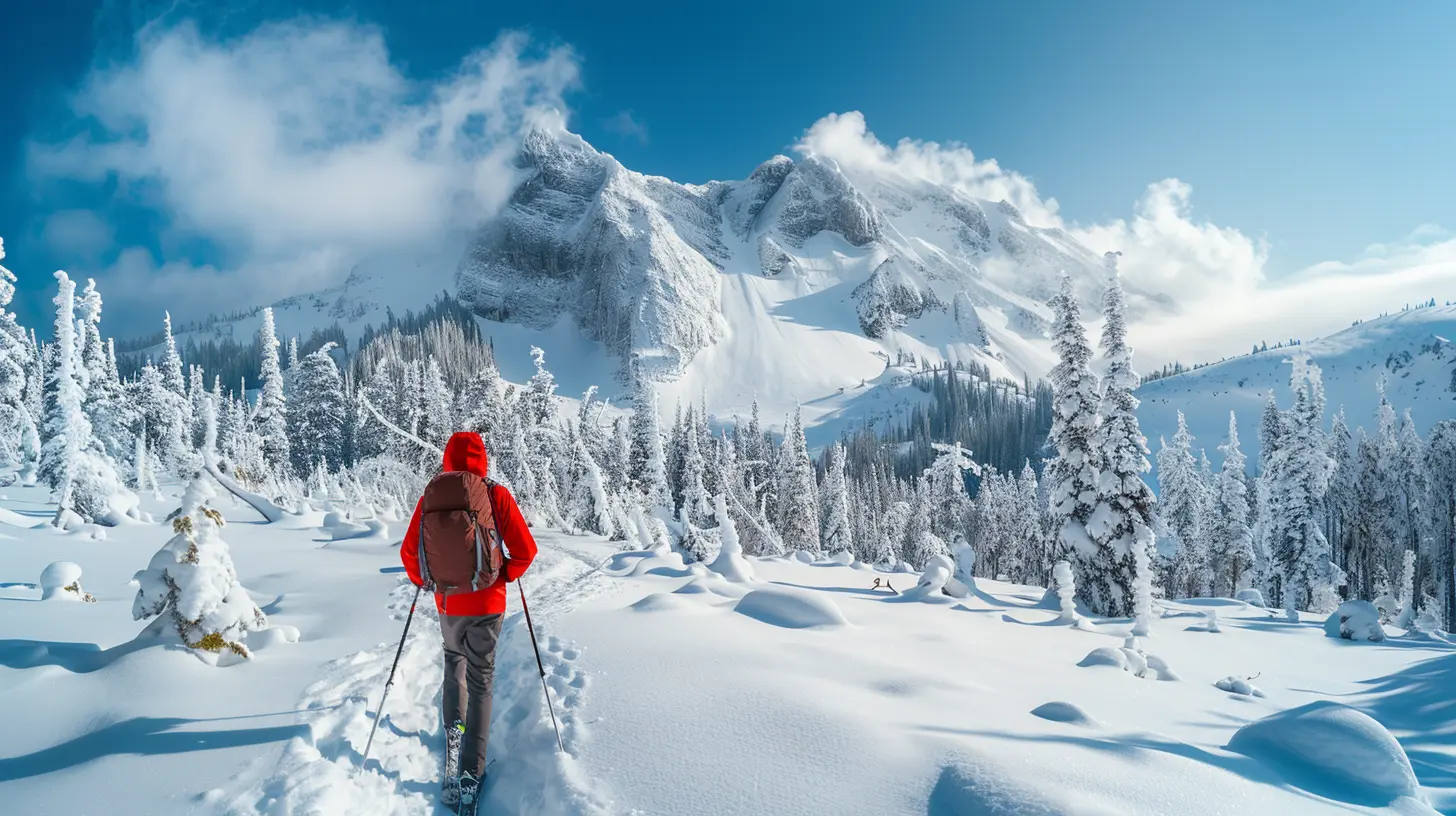
Why Visit National Parks in Winter?
1. Fewer Crowds, More Solitude
During summer and fall, popular national parks can feel like a theme park with long lines, busy trails, and packed viewpoints. In winter, though? You get the place almost to yourself. Imagine walking through a snow-draped forest with nothing but the sound of crunching snow under your boots. The peace and quiet are unmatched, making it ideal for those looking to reconnect with nature without the chaos of peak seasons.2. Stunning, Snowy Landscapes
Winter transforms already beautiful parks into shimmering wonderlands. Snow-covered mountains, frozen lakes, and icy waterfalls create breathtaking views you won’t see any other time of the year. If you're a photographer, this is the ultimate time to capture landscapes in their most magical state.3. More Affordable Travel
Lower demand means cheaper flights, accommodations, and park entrance fees. While some lodges may be closed for the season, winter travel often costs significantly less than visiting during peak months. If you’re traveling on a budget, this is a fantastic way to see national parks without breaking the bank.4. Unique Wildlife Sightings
Winter brings wildlife out in full force, and because the crowds are smaller, you have a better chance of seeing them. Bison covered in frost, elk wandering through snowy meadows, or even wolves prowling through Yellowstone—it’s an experience you won’t forget.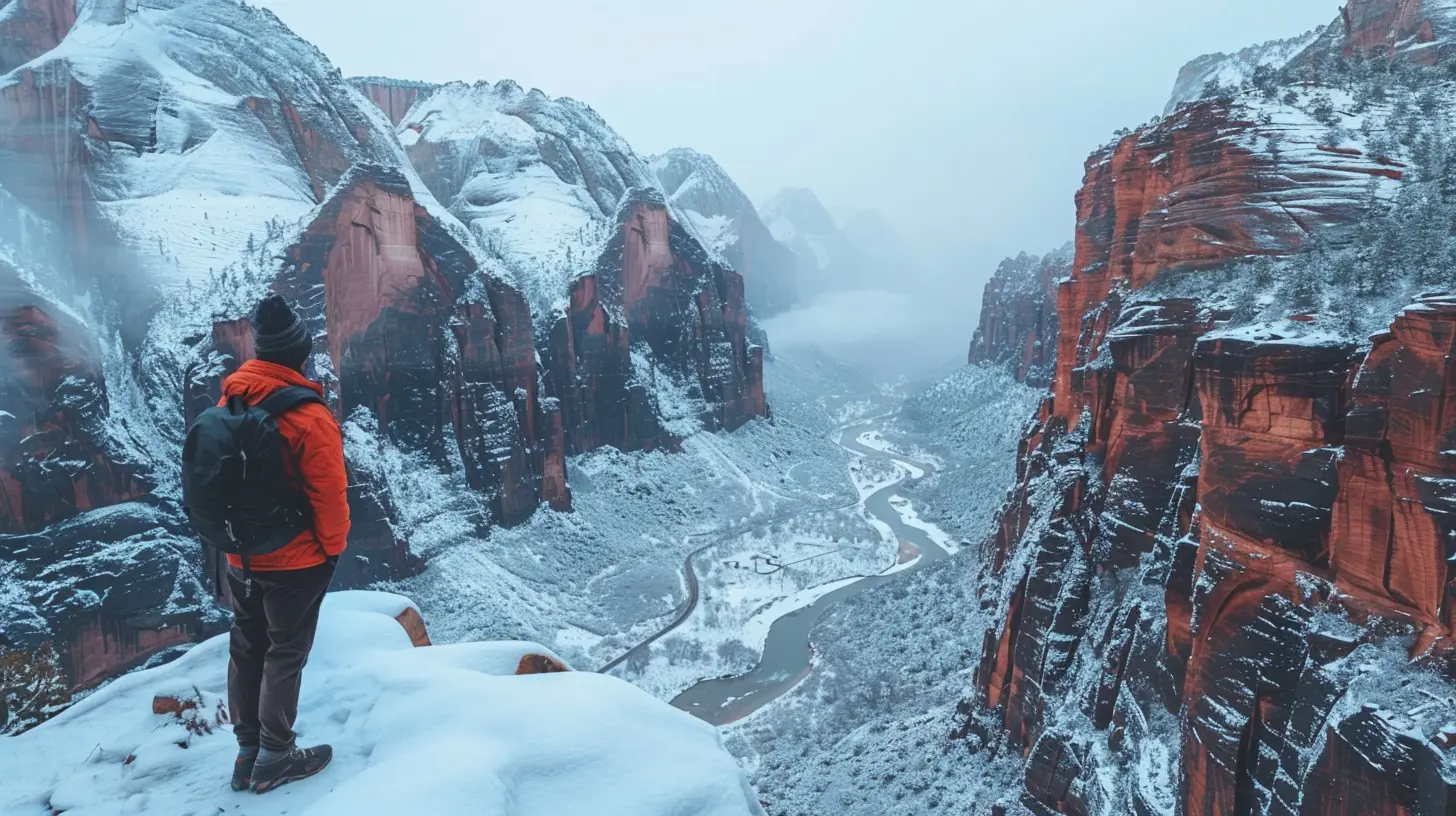
Top National Parks to Visit in Winter
Not all national parks are accessible in winter due to heavy snowfall, but some of them truly shine in the colder months. Here are a few of the best ones to visit:1. Yellowstone National Park (Wyoming, Montana, Idaho)
Yellowstone is absolutely breathtaking in winter. Geysers like Old Faithful look even more dramatic against the icy backdrop, and the park’s famous wildlife—bison, wolves, and elk—are more visible than ever. The best way to explore? Take a snowcoach tour or go on a guided snowmobile adventure. Since roads are closed to regular cars, these guided options give you a unique, quiet experience in the park.2. Yosemite National Park (California)
Yosemite in winter feels like stepping into a fairytale. The iconic granite cliffs—El Capitan and Half Dome—are dusted with snow, and waterfalls partially freeze, creating dazzling ice formations. Ice skating at Curry Village or snowshoeing through Mariposa Grove makes for unforgettable winter experiences. Best of all, without the summer rush, you can actually enjoy the views in peace.3. Grand Canyon National Park (Arizona)
Most people think of the Grand Canyon as a summer destination, but winter visitors are in for a treat. The canyon dusted with snow provides an extraordinary contrast to its red rock layers. Plus, cooler temperatures make hiking much more comfortable compared to the scorching summer heat. Just be sure to check for icy conditions before hitting the trails!4. Rocky Mountain National Park (Colorado)
Rocky Mountain National Park is a paradise for winter adventurers. Snowy peaks, frozen lakes, and wildlife sightings make it one of the best cold-season destinations. Activities like snowshoeing, backcountry skiing, and wildlife spotting (elk are especially active in winter) make visiting during this time a unique experience.5. Bryce Canyon National Park (Utah)
Bryce Canyon’s famous hoodoos (those bizarre, towering rock formations) look even more otherworldly with a layer of snow. The contrast of red rock and white powder is incredible. Winter activities include snowshoeing along the Rim Trail or capturing some of the best sunrise and sunset views in the entire national park system.6. Acadia National Park (Maine)
Acadia is one of the few East Coast national parks that truly shines in winter. Snow-covered coastal cliffs, frozen ponds, and quiet trails make for a peaceful and unique adventure. If you love winter sports, cross-country skiing and snowshoeing here are top-notch.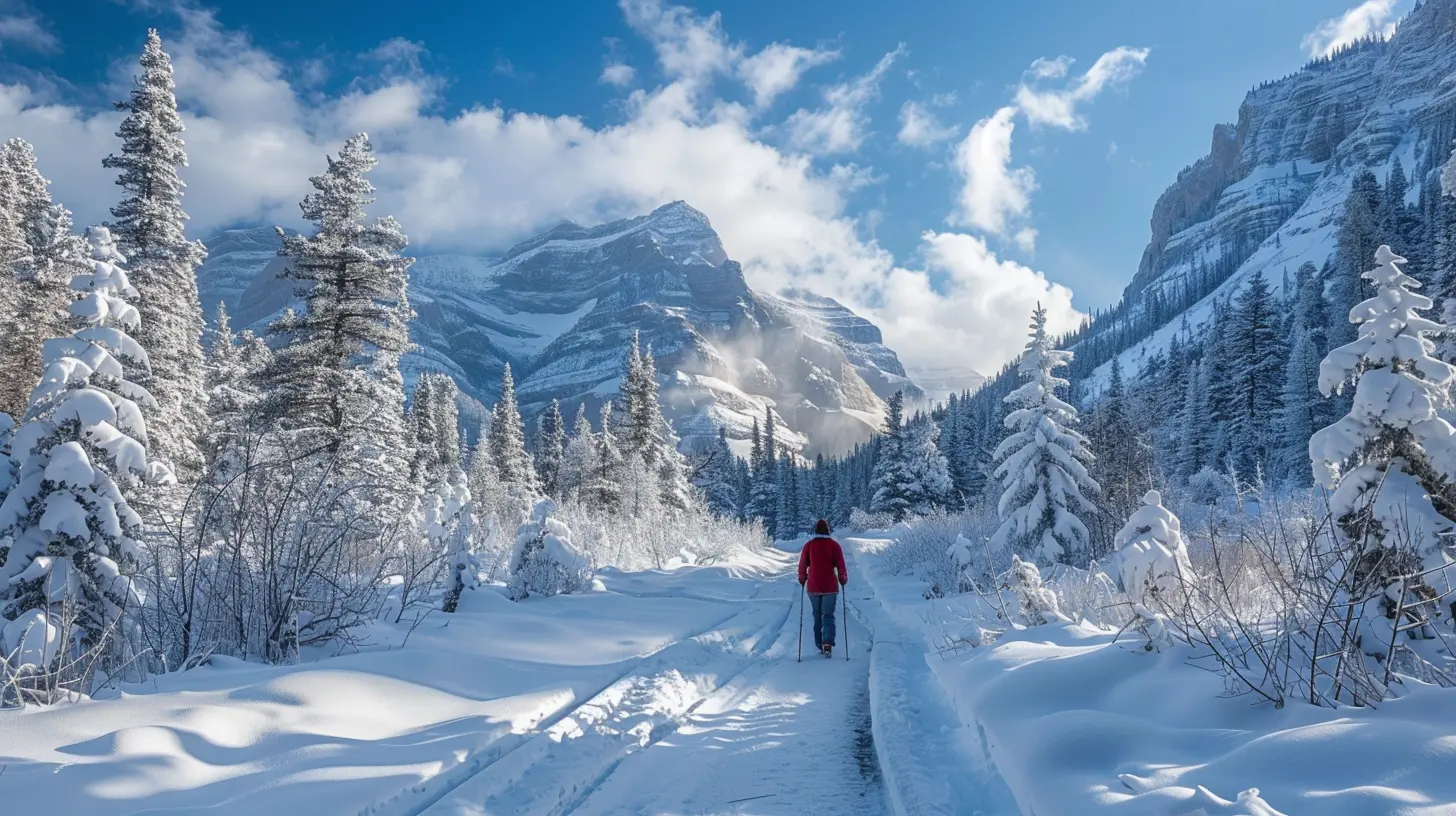
Essential Tips for Visiting National Parks in Winter
Before you head out, keep these important things in mind:1. Dress for the Cold
Layer up! Winter conditions can be unpredictable, so wear moisture-wicking base layers, insulated outerwear, waterproof boots, gloves, and a warm hat. You’ll be much more comfortable exploring if you’re dressed appropriately.2. Check Road & Park Conditions
Many national parks close certain roads in winter due to heavy snowfall. Always check official park websites for real-time conditions, road closures, and safety warnings before heading out.3. Bring the Right Gear
If you plan on hiking, trekking poles, crampons, or microspikes can be lifesavers on icy trails. Also, don’t forget a thermos with a hot drink—it’ll keep you warm and energized!4. Be Cautious About Wildlife
Remember, winter is a tough season for animals. Give them plenty of space, especially bison and elk, which can become aggressive if disturbed. Always carry bear spray in areas where bears are still active.5. Travel with a Backup Plan
Winter weather is unpredictable. Have a backup plan in case snowstorms impact your trip. Always carry emergency supplies in your car, including blankets, a flashlight, food, and extra water.6. Book Accommodations in Advance
While crowds are smaller in winter, many park lodges and nearby hotels operate with limited availability. Booking ahead ensures you have a place to stay, especially in remote areas.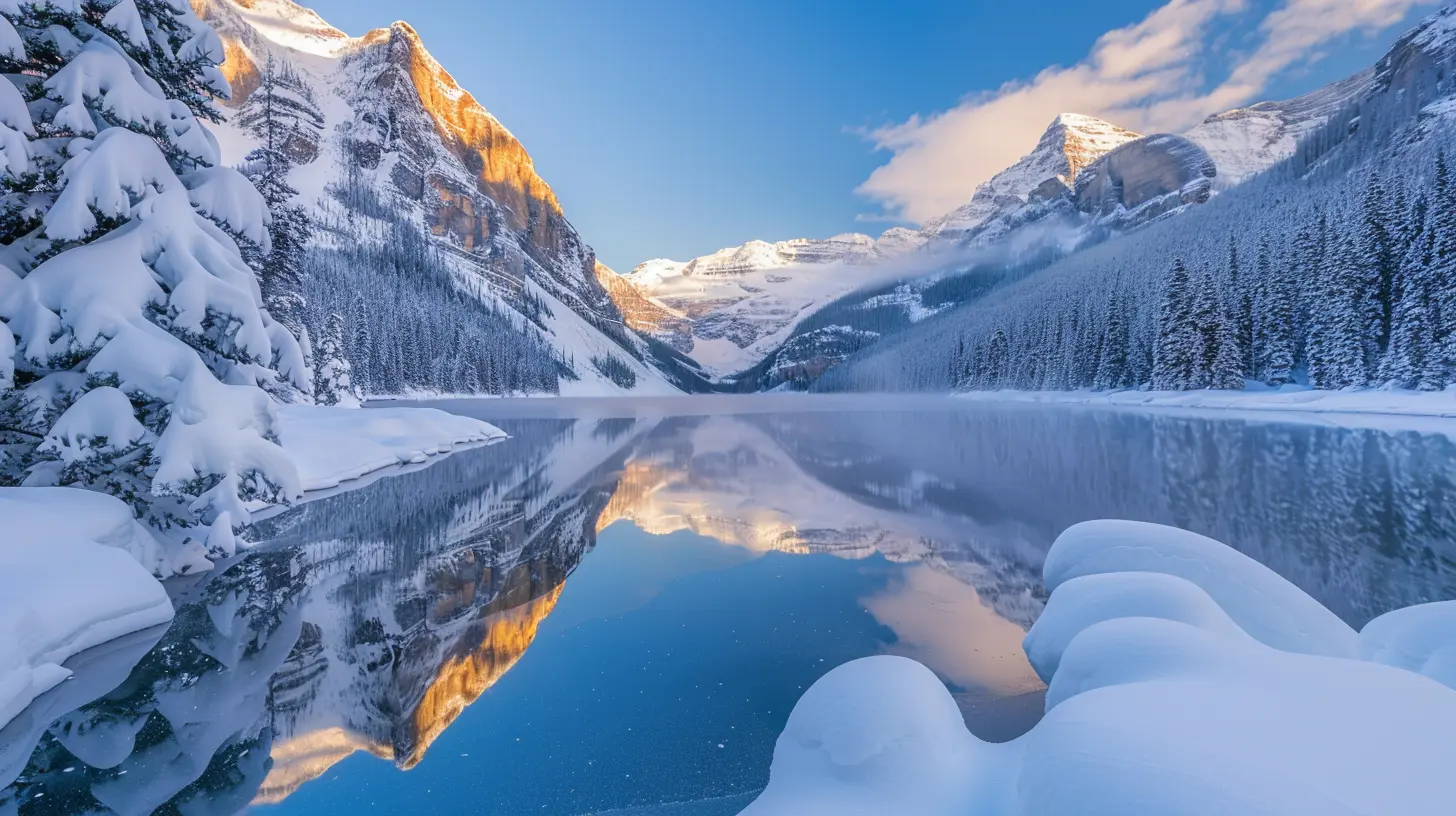
Final Thoughts
Touring national parks in winter is an incredible experience filled with solitude, stunning scenery, and unique wildlife encounters. If you’ve ever wanted to see these breathtaking landscapes in a whole new light—without the summer crowds—this is your chance.So grab your winter gear, pack your camera, and get ready for a cold-weather adventure that’ll leave you in awe. The quiet beauty of winter is waiting—are you ready to experience it?
all images in this post were generated using AI tools
Category:
Winter TravelAuthor:

Kelly Hall
Discussion
rate this article
1 comments
Sarah McQuade
What a lovely piece! Winter truly transforms national parks into serene wonderlands. The quiet beauty and fewer crowds make it a perfect time to explore. I can't wait to bundle up and experience the peaceful trails and stunning landscapes for myself!
August 9, 2026 at 3:57 AM
Kelly Hall
I'm glad you enjoyed it! Winter really does bring a unique charm to the parks. Hope you have an amazing time exploring those peaceful trails.