Understanding Weather Patterns for Safe Backcountry Travel
12 July 2026
Backcountry travel is an exhilarating way to experience nature, but it comes with challenges—especially when it comes to weather. The great outdoors can be unpredictable, and failing to read the weather correctly can turn an exciting trip into a dangerous ordeal.
If you're someone who loves hiking, skiing, or camping in remote areas, understanding weather patterns is not just useful; it's essential for your safety. In this guide, we'll dive deep into how weather works, what signs to watch for, and how you can plan your trips wisely to avoid getting caught in hazardous conditions. 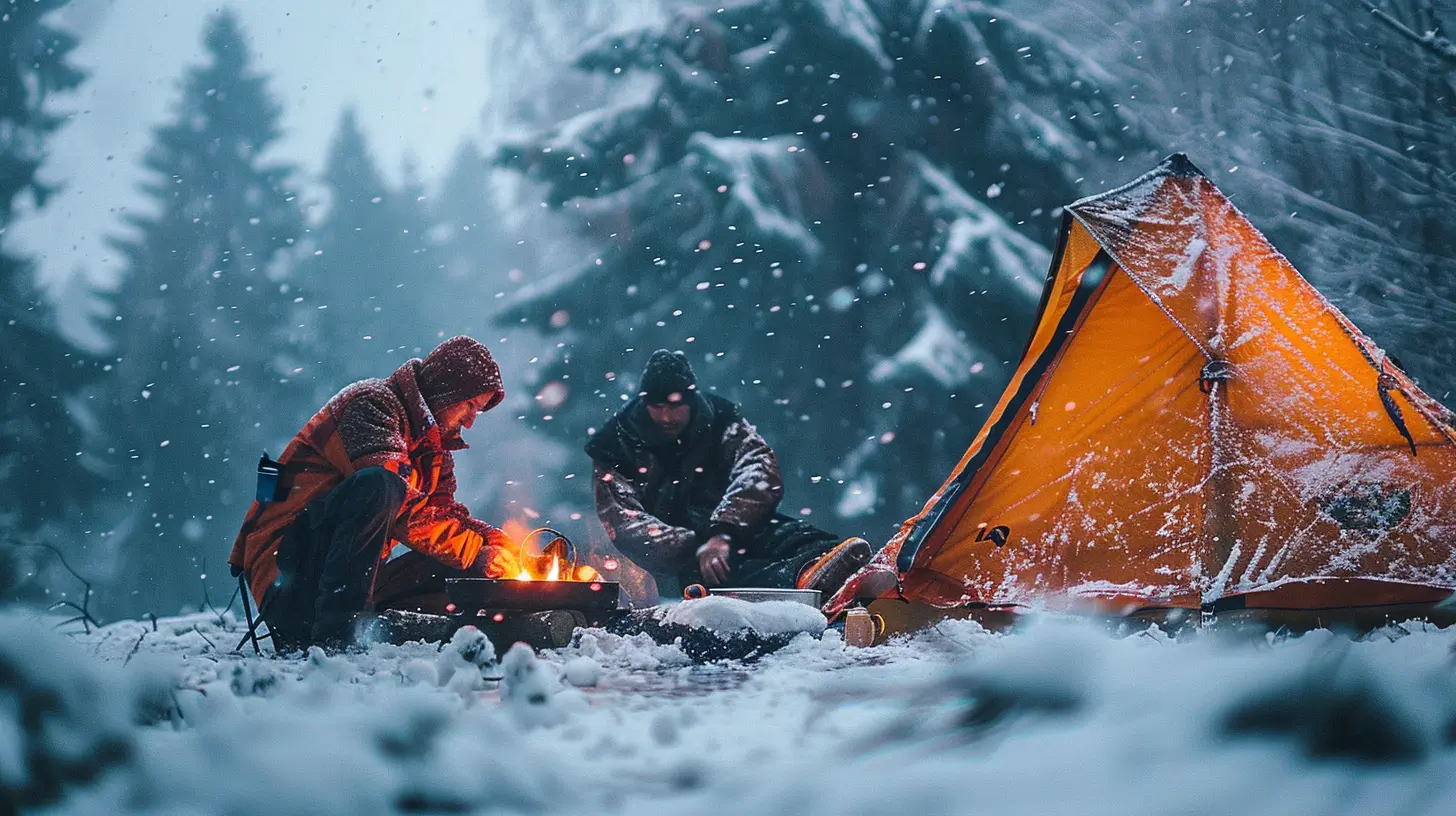
Why Weather Knowledge Matters in the Backcountry
Weather can change in an instant, particularly in mountainous or remote regions. A sunny morning can quickly turn into a raging snowstorm, or a pleasant day can give way to an unexpected downpour. Unlike city dwellers who can check an app and stay indoors if needed, backcountry travelers need to read the signs of nature and prepare in advance.Knowing how to interpret clouds, winds, and pressure changes can mean the difference between a thrilling adventure and an emergency survival situation. 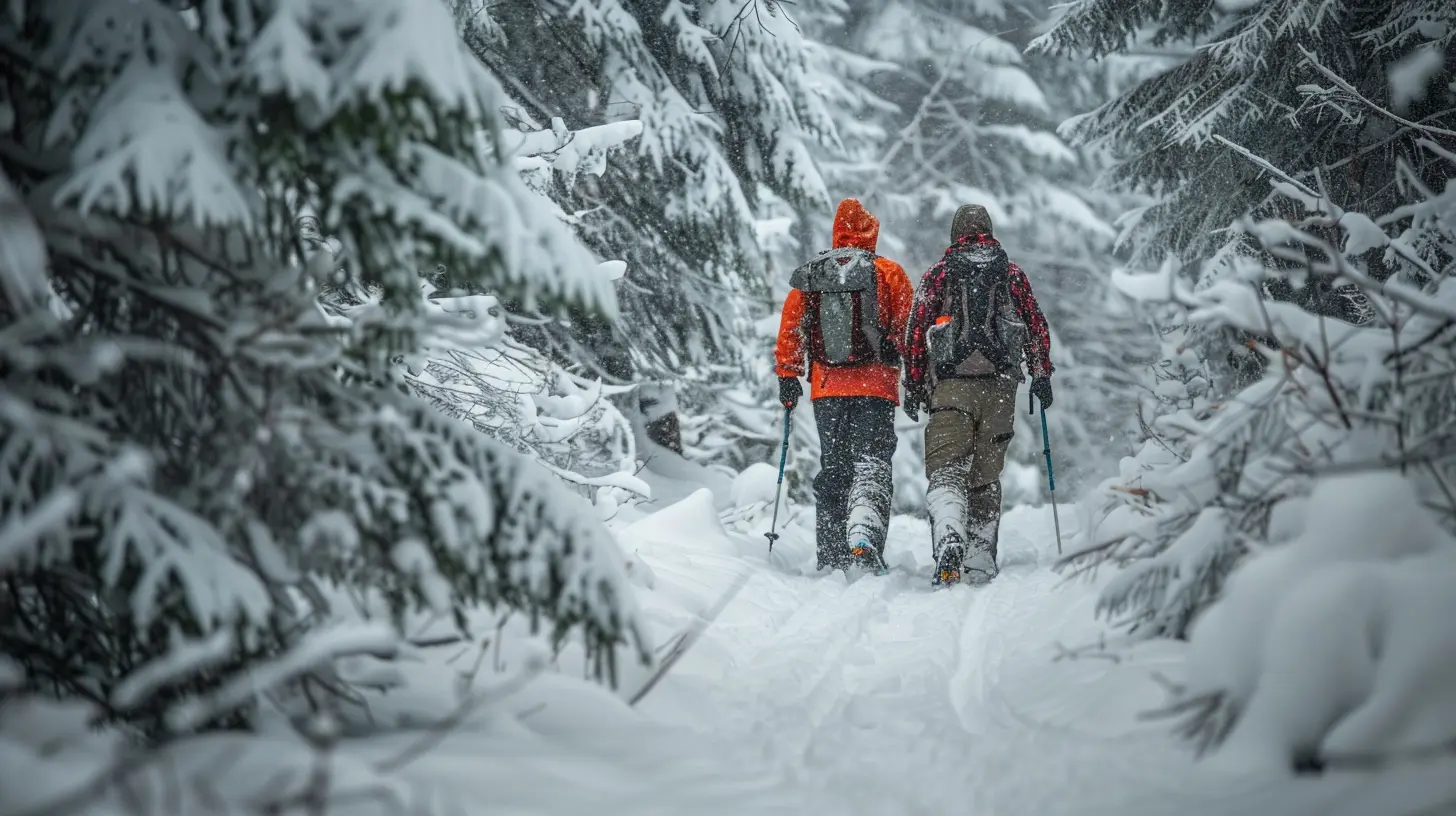
Understanding Basic Weather Patterns
You don’t need to become a meteorologist to stay safe, but a little knowledge goes a long way. Here are some key weather concepts every backcountry traveler should understand:1. High and Low-Pressure Systems
Weather is largely driven by atmospheric pressure.- High Pressure (H) = Good Weather: High-pressure systems are generally associated with clear skies and calm conditions. This is because the air is sinking, preventing clouds from forming.
- Low Pressure (L) = Bad Weather: Low-pressure systems typically bring clouds, storms, and precipitation. Rising air causes moisture to condense, leading to rain or snow.
Tip: If you notice the pressure dropping rapidly on your barometer or weather app, bad weather might be on its way.
2. Cloud Formations and What They Mean
Clouds can tell you a lot about what’s coming. Learn to read them like nature's own weather forecast.- Cirrus Clouds (Thin, Wispy Clouds High in the Sky): Usually signal fair weather, but if they start thickening, a storm may be approaching within the next 24–48 hours.
- Cumulus Clouds (Puffy, Cotton-Like): Generally indicate good weather, but if they grow taller and darker, thunderstorms may be forming.
- Stratus Clouds (Thick, Blanket-Like): These bring overcast skies and often drizzle or light rain.
- Cumulonimbus Clouds (Towering, Dark Clouds): These are a sign of severe weather—expect thunderstorms, heavy rain, or even snow in colder regions.
Tip: If you see cumulus clouds rapidly building in the afternoon, it's a good idea to head for lower ground before a thunderstorm develops.
3. Wind Patterns and Their Impact
Wind can be a silent predictor of weather changes. Pay attention to these clues:- Sudden Gusts of Wind: This often signals an approaching storm front.
- Shifting Winds: If the wind direction suddenly changes, it could mean a weather system is moving in.
- Cold Winds from the North: In many areas, cold air moving in from the north signals deteriorating weather conditions.
Tip: A steady increase in wind speed with no relief usually means a storm is on its way. 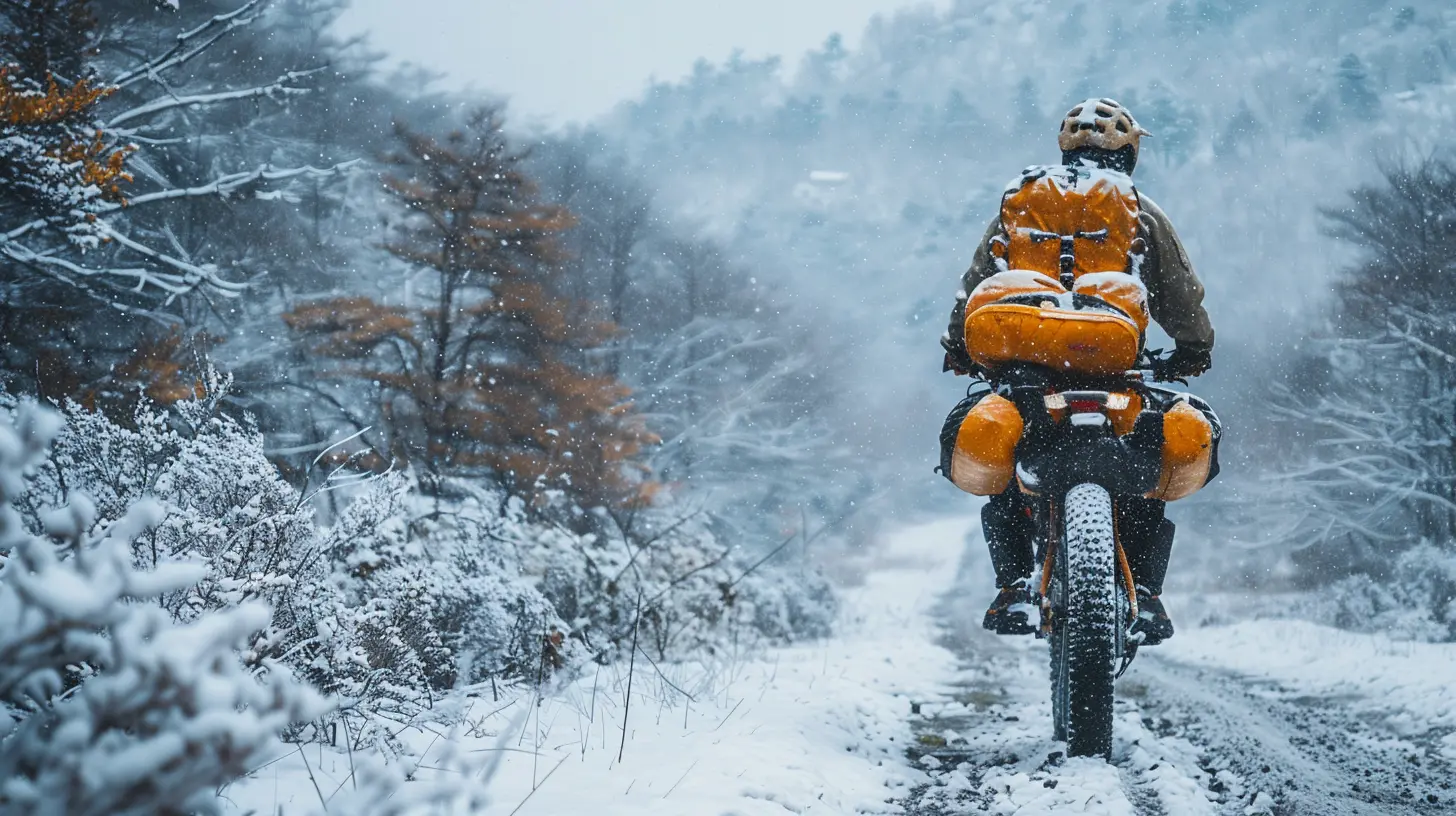
How Weather Influences Different Backcountry Activities
Different outdoor activities require different levels of weather awareness. Here’s what you should keep in mind:Hiking and Backpacking
- Storm Risk: Sudden thunderstorms, especially in mountainous areas, can bring lightning strikes.- Trail Conditions: Heavy rain can turn trails into mud pits or even trigger landslides.
- Temperature Drops: Even in summer, temperatures can plummet at night—be prepared.
Tip: Always check the forecast before heading out and have a plan for where you’ll take shelter if necessary.
Backcountry Skiing and Snowboarding
- Avalanche Danger: The biggest weather-related risk for winter travelers. Recent heavy snowfall, wind-drifted snow, or rapid warming can all trigger avalanches.- Whiteout Conditions: Snowstorms can drastically reduce visibility, making navigation nearly impossible.
- Wind Chill Factor: Strong winds can make temperatures feel much colder than they actually are, increasing the risk of hypothermia.
Tip: Take avalanche safety courses and always carry essential equipment like a beacon, probe, and shovel when traveling in snowy backcountry terrain.
Camping
- Storm-Proofing Your Tent: High winds and heavy rain can turn a pleasant camping trip into a miserable experience if you’re not prepared.- Flood Risk: Camping in low-lying areas? Heavy rain might cause flash flooding.
- Fire Hazards: In dry conditions, even a small spark can ignite a wildfire.
Tip: Always set up camp in sheltered spots away from riverbanks, known avalanche areas, or exposed ridges. 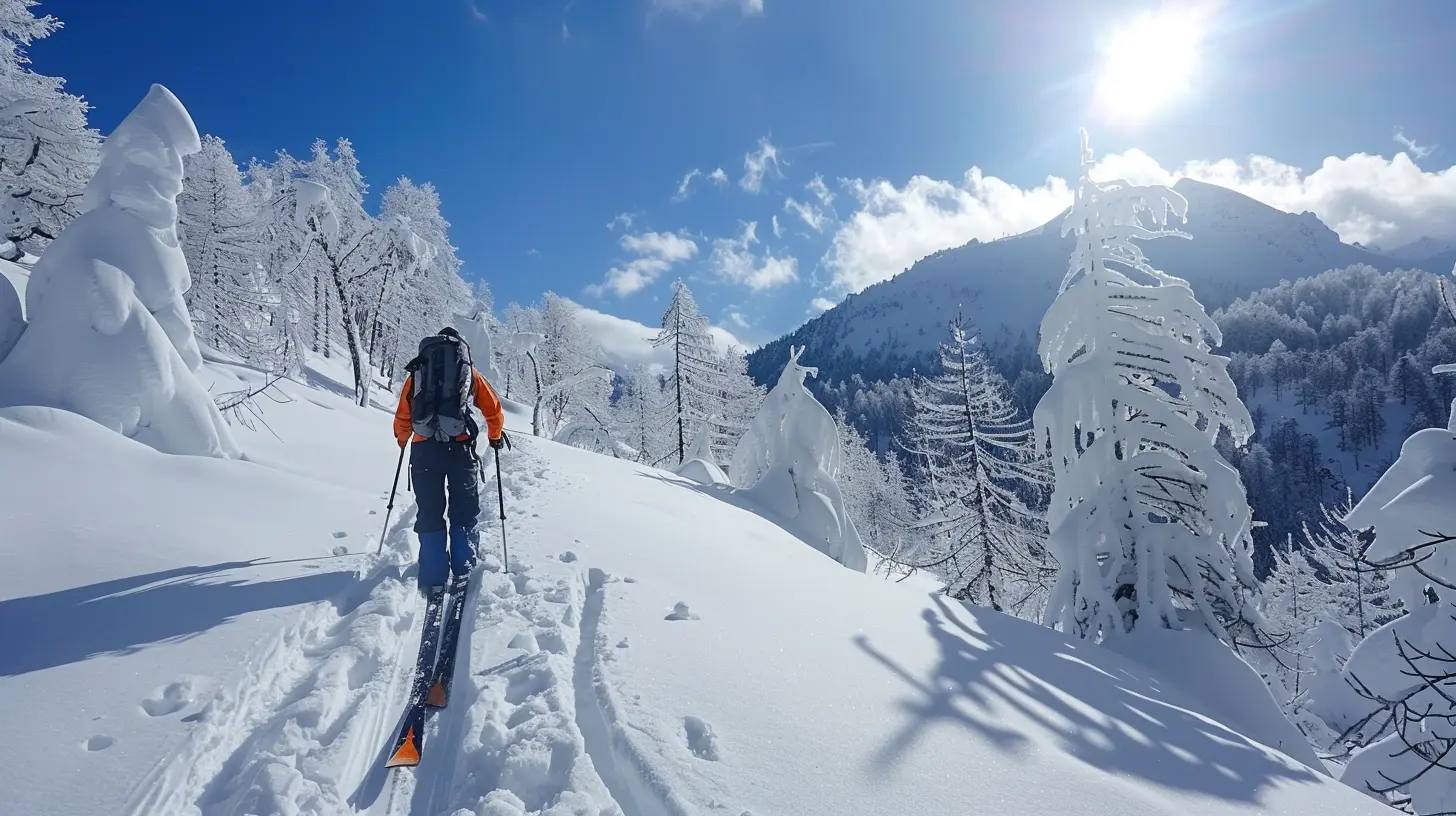
How to Predict the Weather Without Technology
While checking a weather forecast before heading out is crucial, sometimes you won’t have access to your phone or a signal in the backcountry. Here’s how you can still predict coming changes:Look at the Sky
- Dark, fast-moving clouds? Storm’s likely coming.- Clear night skies? Expect cooler temperatures by morning.
Feel the Air
- Sudden temperature drops usually mean a front is moving in.- Rising humidity can signal incoming rain.
Watch Animal Behavior
- Birds flying low? Bad weather might be on its way.- Insects disappearing? A temperature drop is coming.
Essential Gear for Weather Preparedness
No matter how skilled you are at predicting weather, always carry these essentials:✔️ Weather-Appropriate Clothing – Layers, waterproof gear, and insulation for cold conditions.
✔️ Emergency Shelter – A lightweight tarp or bivy sack can make a huge difference.
✔️ Navigation Tools – A topographical map and compass (don't just rely on your phone).
✔️ Barometer or Altimeter – Changes in pressure can warn you about incoming storms.
✔️ First Aid Kit – Always be ready for emergencies.
Final Thoughts
Understanding weather patterns isn’t just about staying dry—it’s about staying safe. While technology can help, nature itself provides plenty of warning signs if you know what to look for. By learning how to interpret clouds, wind, and atmospheric pressure, as well as preparing for sudden weather changes, you can enjoy backcountry travel with confidence.So, next time you’re gearing up for an adventure, take a moment to assess the weather. It could make all the difference between an unforgettable journey and a dangerous situation. Stay safe out there!
all images in this post were generated using AI tools
Category:
Backcountry TravelAuthor:

Kelly Hall