Winter Hiking: Best Trails for Cold-Weather Trekkers
24 May 2026
When winter rolls in, most people trade hiking boots for fuzzy socks and hot cocoa. But not you. Nope, you’re the kind of adventurer who looks at a snow-covered mountain and says, "Yep, I’m going up there." And honestly? I respect that!
Winter hiking isn’t just about braving the cold—it's about seeing nature in its most magical form. Snow-dusted pines, frozen waterfalls, and trails that feel like you're walking through a holiday postcard. If you live for crisp air, crunchy snow underfoot, and the kind of peace you can only find in the great outdoors, then this guide is for you.
Here are some of the best trails for cold-weather trekkers, along with tips to stay warm, safe, and smiling through every frosty step.
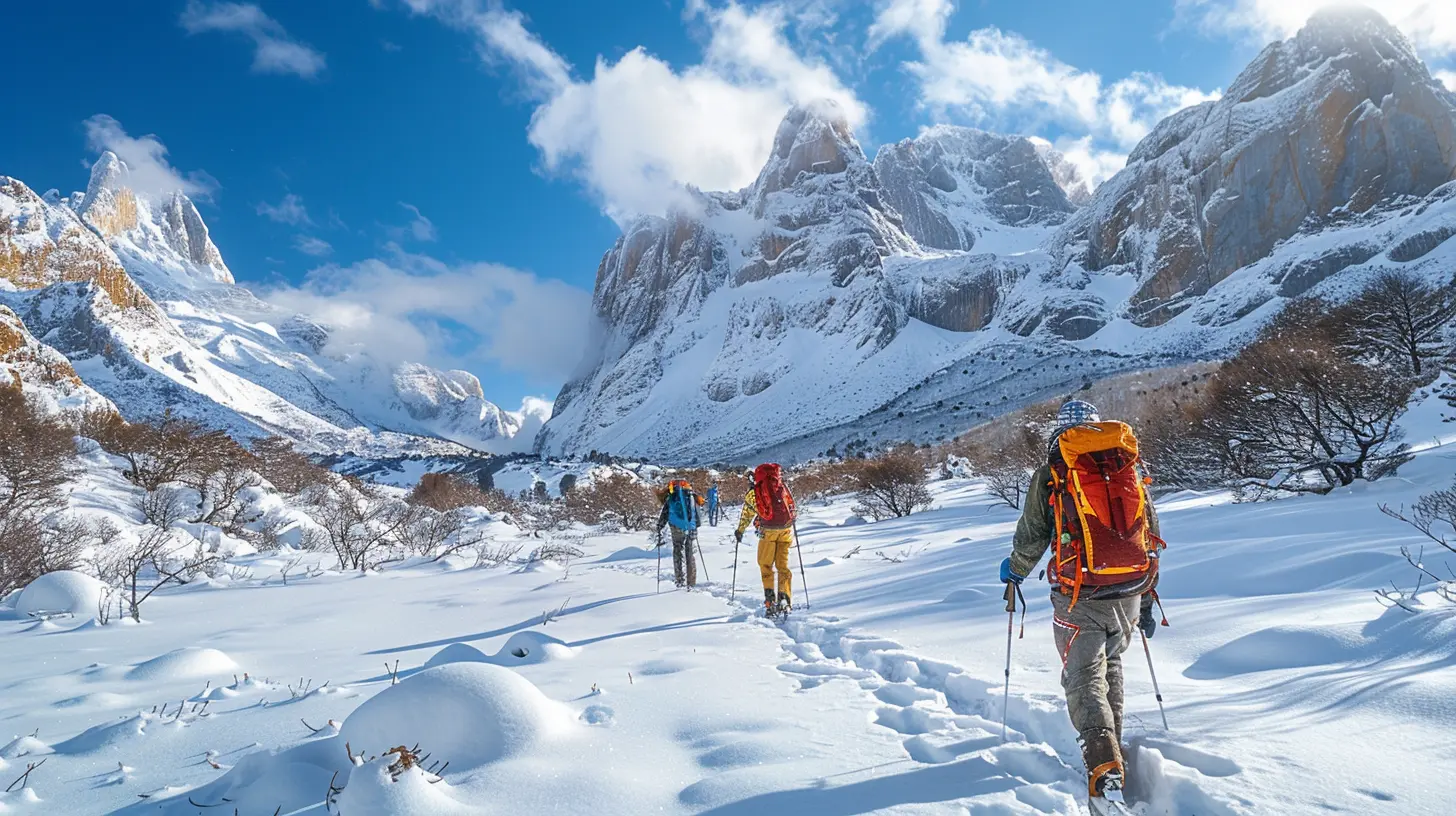
Why Hike in Winter?
Before we dive into the trails, let's address the question that’s probably crossed a few minds: Why on earth would anyone willingly hike in freezing temperatures?- Fewer Crowds – Let’s be real, summer trails can feel like a theme park. Winter hiking? It’s just you, the mountains, and the occasional snowshoe-wearing buddy.
- Breathtaking Scenery – Snow-covered peaks? Frozen lakes? Ice-crusted trees? Winter landscapes are next-level magical.
- A New Challenge – If you love pushing yourself, winter hiking is a whole new beast. It demands more preparation, more layers, and more snacks (which is a win in my book).
- No Bugs! – Mosquitos, ticks, and other annoying critters? They’ve finally left us alone.
Convinced? Good. Now grab your thermos of hot tea, because we’re about to explore the best winter hiking trails!
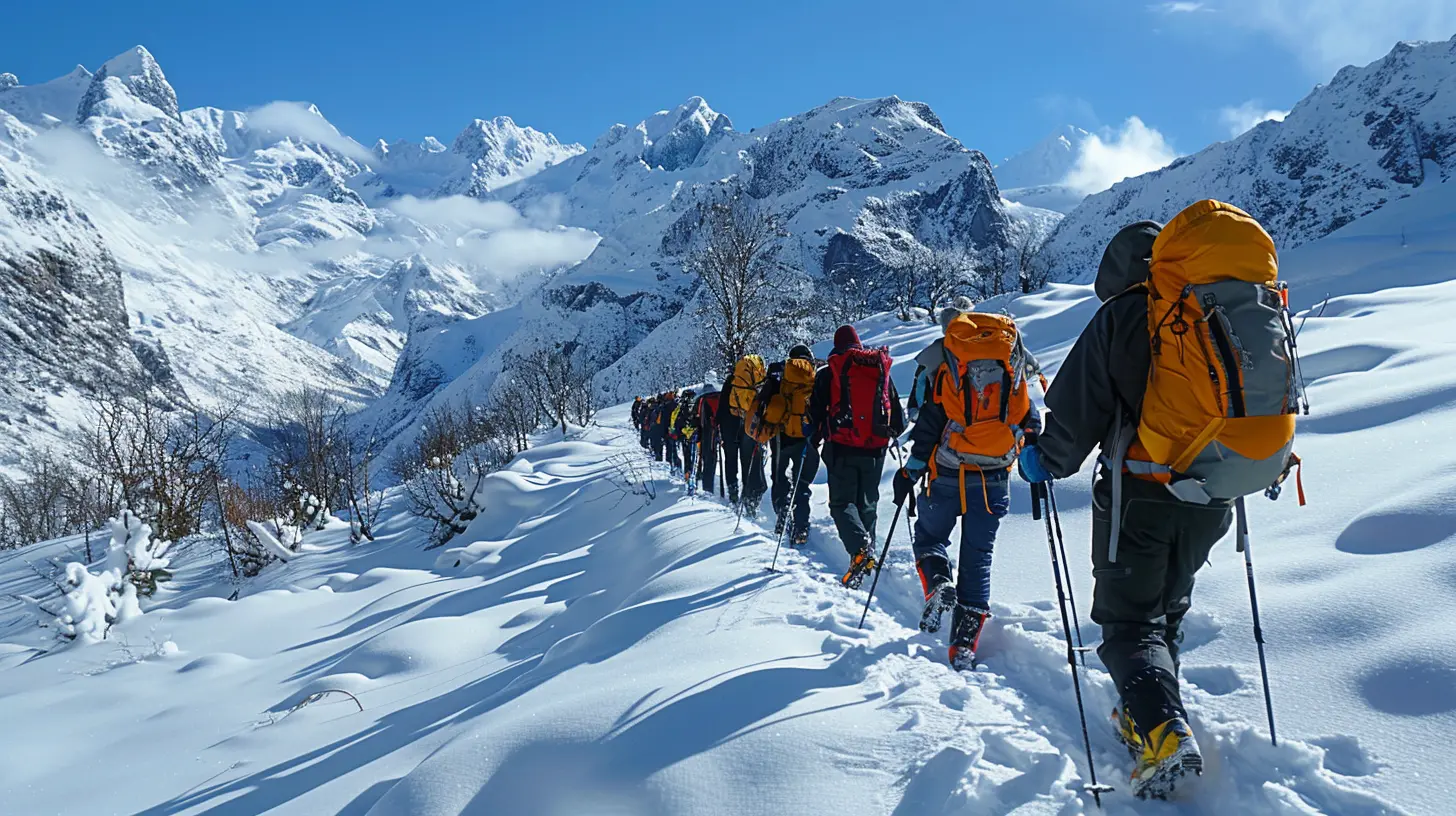
Best Winter Hiking Trails for Snow-Loving Adventurers
1. Glacier National Park, Montana – Avalanche Lake Trail
Distance: 4.6 miles round-tripDifficulty: Moderate
Glacier National Park is stunning year-round, but in winter? It’s like stepping into Narnia. The Avalanche Lake Trail is one of the most accessible hikes in the park, making it perfect for a snow-covered adventure. As you trek through a pine-filled valley, you’ll hear the distant rumble of frozen waterfalls and eventually reach the breathtaking, ice-covered Avalanche Lake.
Pro Tip: Bring microspikes! The trail can get icy, and slipping in front of fellow hikers is not the kind of memory you want to make.
2. Mount Rainier National Park, Washington – Skyline Trail to Myrtle Falls
Distance: 2.5 miles round-tripDifficulty: Easy to Moderate
If you’re looking for a short but jaw-dropping hike, this one’s for you. The Skyline Trail offers postcard-worthy views of Mount Rainier, and in the winter, it transforms into a snow-covered wonderland. Myrtle Falls, partially frozen and framed by snowdrifts, is the cherry on top.
Pro Tip: The weather can change in a blink, so check the forecast before heading out. Also, snowshoes might be your new best friend.
3. Rocky Mountain National Park, Colorado – Dream Lake Trail
Distance: 2.2 miles round-tripDifficulty: Moderate
Want a winter hike that feels straight out of a fairy tale? The Dream Lake Trail is your answer. Snow blankets the trees, the alpine lakes turn to ice, and the whole landscape looks like something from a dream—hence the name!
Pro Tip: The winds up here don’t mess around. Layers are key unless you enjoy becoming a human icicle.
4. White Mountains, New Hampshire – Mount Willard Trail
Distance: 3.2 miles round-tripDifficulty: Moderate
New England knows how to do winter, and the Mount Willard Trail proves it. This relatively short hike rewards you with jaw-dropping views of Crawford Notch, which looks even more dramatic under a thick layer of snow. It’s a solid option if you want a gorgeous winter hike without a grueling uphill battle.
Pro Tip: If you’re lucky, you might spot a few frozen waterfalls along the way—definitely worth the chilly fingers to snap a pic!
5. Banff National Park, Canada – Johnston Canyon Icewalk
Distance: 3.4 miles round-tripDifficulty: Easy
If Canada knows one thing, it’s winter. And the Johnston Canyon Icewalk makes it worth bundling up for. This trail takes you through a narrow canyon where frozen waterfalls gleam like icy chandeliers. Plus, the catwalks built into the canyon walls make it feel like a wintery adventure straight out of an action movie.
Pro Tip: Wear crampons or ice cleats unless you enjoy sliding around like a cartoon character.
6. Acadia National Park, Maine – Jordan Pond Path
Distance: 3.3 miles round-tripDifficulty: Easy
Maine’s Acadia National Park is underrated in the winter, which is great news for those of us who love our trails peaceful and pristine. The Jordan Pond Path offers stunning views of the Bubbles (a pair of iconic, rounded peaks), and if the lake is frozen, it becomes one of the most serene spots in the park.
Pro Tip: Sunset comes early in winter, so start your hike early unless you enjoy stumbling around in the dark.
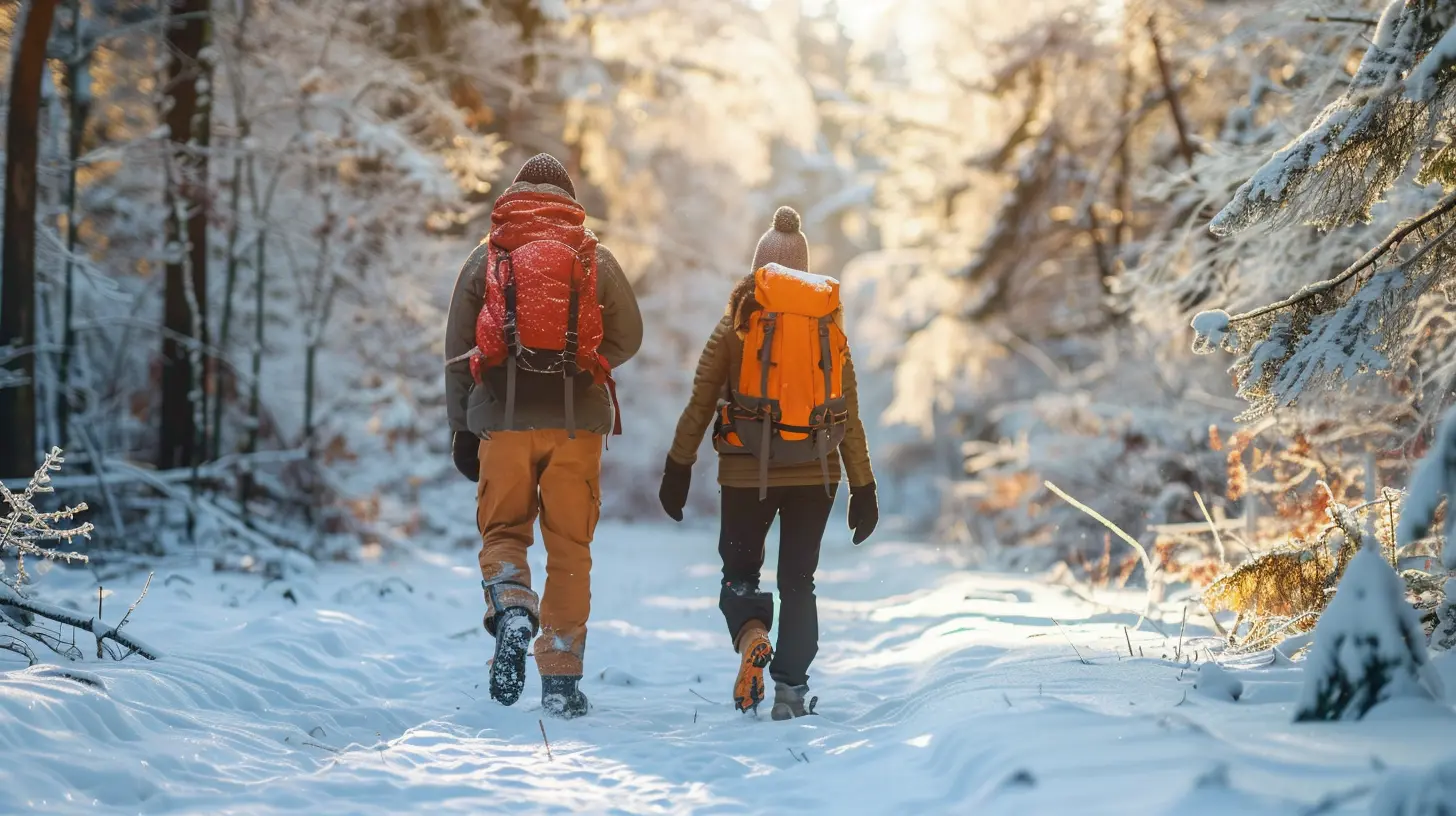
Essential Tips for Winter Hiking
Winter hiking is magical, but let’s be honest—it’s also a bit more complicated than summer strolls. Here’s how to make sure you stay warm, safe, and happy out there:1. Layer Like a Pro
Think of dressing for winter hiking like making a lasagna—layers are everything! You’ll want:- A moisture-wicking base layer (sweat is not your friend in the cold).
- An insulating middle layer (fleece or down works wonders).
- A waterproof outer layer (because wet and cold is a terrible combo).
2. Keep Your Toes and Fingers Happy
If there’s one thing that can ruin a winter hike, it’s frozen toes. Insulated boots, wool socks, and gloves/mittens are non-negotiable. Bonus points if you throw in some hand warmers.3. Don’t Underestimate the Sun
Snow reflects sunlight like crazy, so slap on some sunscreen and wear sunglasses unless you want to look like a raccoon with sunburn.4. Pack More Snacks Than You Think You Need
Winter hiking burns more calories, and nothing lifts the spirits like pulling out a surprise chocolate bar when you start feeling tired.5. Know When to Turn Around
Winter weather can change fast. If the wind picks up or a storm rolls in, be smart—your safety is more important than Instagram-worthy pics.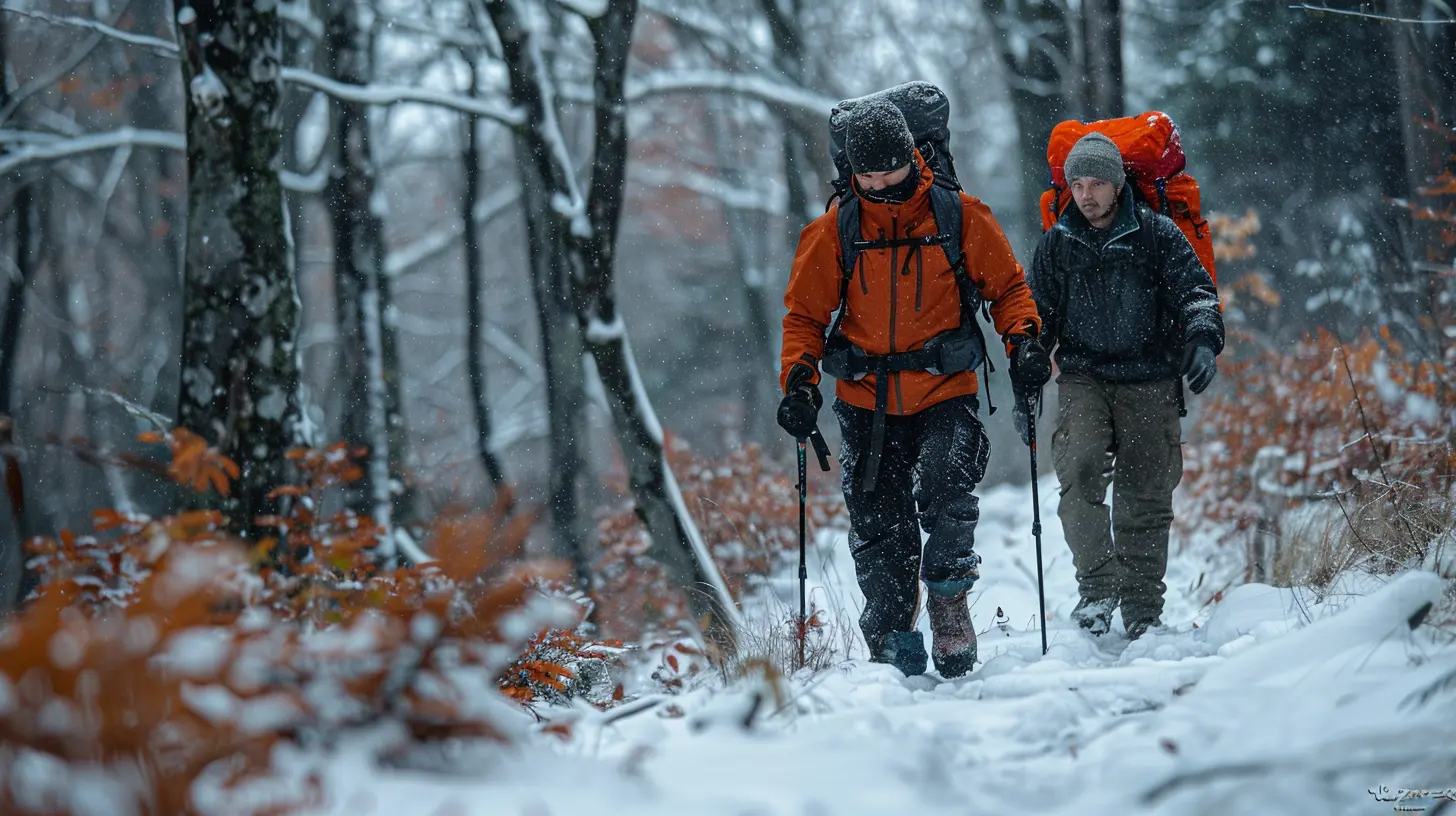
Final Thoughts
Winter hiking isn’t for the faint of heart, but for those willing to brave the cold, the rewards are unforgettable. Picture-perfect landscapes, peaceful trails, and that unbeatable feeling of conquering the elements—what’s not to love?So, grab your favorite beanie, lace up those boots, and go find yourself a snow-covered adventure. Just remember: pack the hot cocoa.
all images in this post were generated using AI tools
Category:
Winter TravelAuthor:

Kelly Hall
Discussion
rate this article
1 comments
Darby Gill
Winter hiking is like stepping into a snow globe! Bundle up, grab your favorite thermos of hot cocoa, and hit the trails. There's nothing quite like crunching through fresh snow and soaking in the crisp air. Adventure awaits, so lace up those boots and go explore!
June 10, 2026 at 3:37 PM