Winter in Iceland: Geysers, Glaciers, and the Golden Circle
9 July 2026
Have you ever dreamed of stepping into a winter wonderland where ice and fire collide? Welcome to Iceland in winter—a mesmerizing blend of steaming geysers, colossal glaciers, and the legendary Golden Circle. This Nordic paradise turns into a snowy spectacle where nature puts on its most dramatic show. If you think winter is just about staying indoors with a warm drink, Iceland will make you rethink everything.
Why Visit Iceland in Winter?
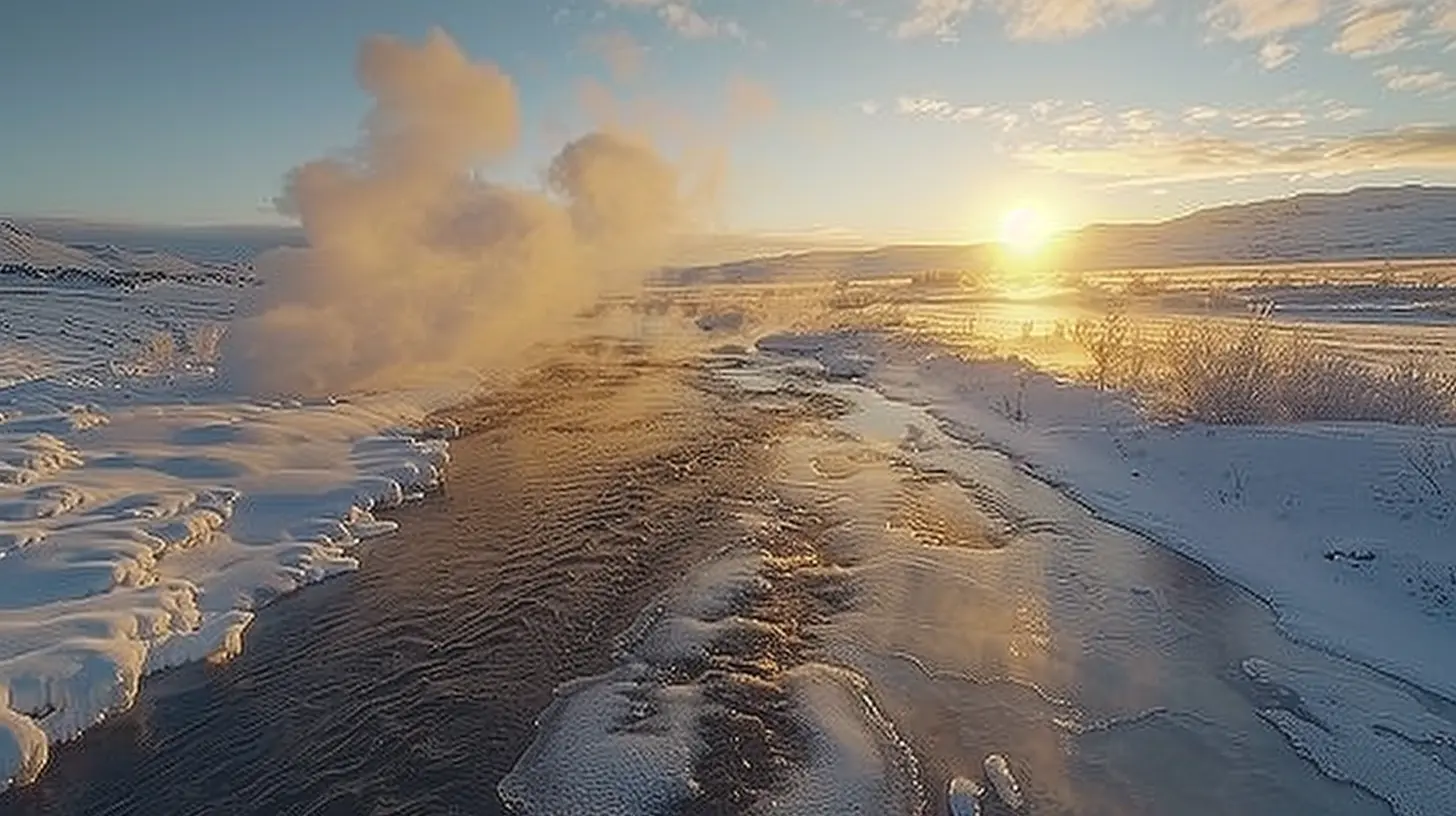
Picture this: fewer tourists, lower prices, and landscapes straight out of a fantasy novel. While summer in Iceland has its perks, winter adds a whole new level of magic. Picture surreal ice caves, frozen waterfalls, and the mystical northern lights dancing in the sky. Plus, the contrast of fire and ice—boiling geysers erupting from snow-covered ground—is something you won’t find just anywhere.If you’re a fan of adventure, winter in Iceland is your playground. Ice caving, glacier hiking, and soaking in hot springs while snowflakes land on your nose? Absolute bliss. 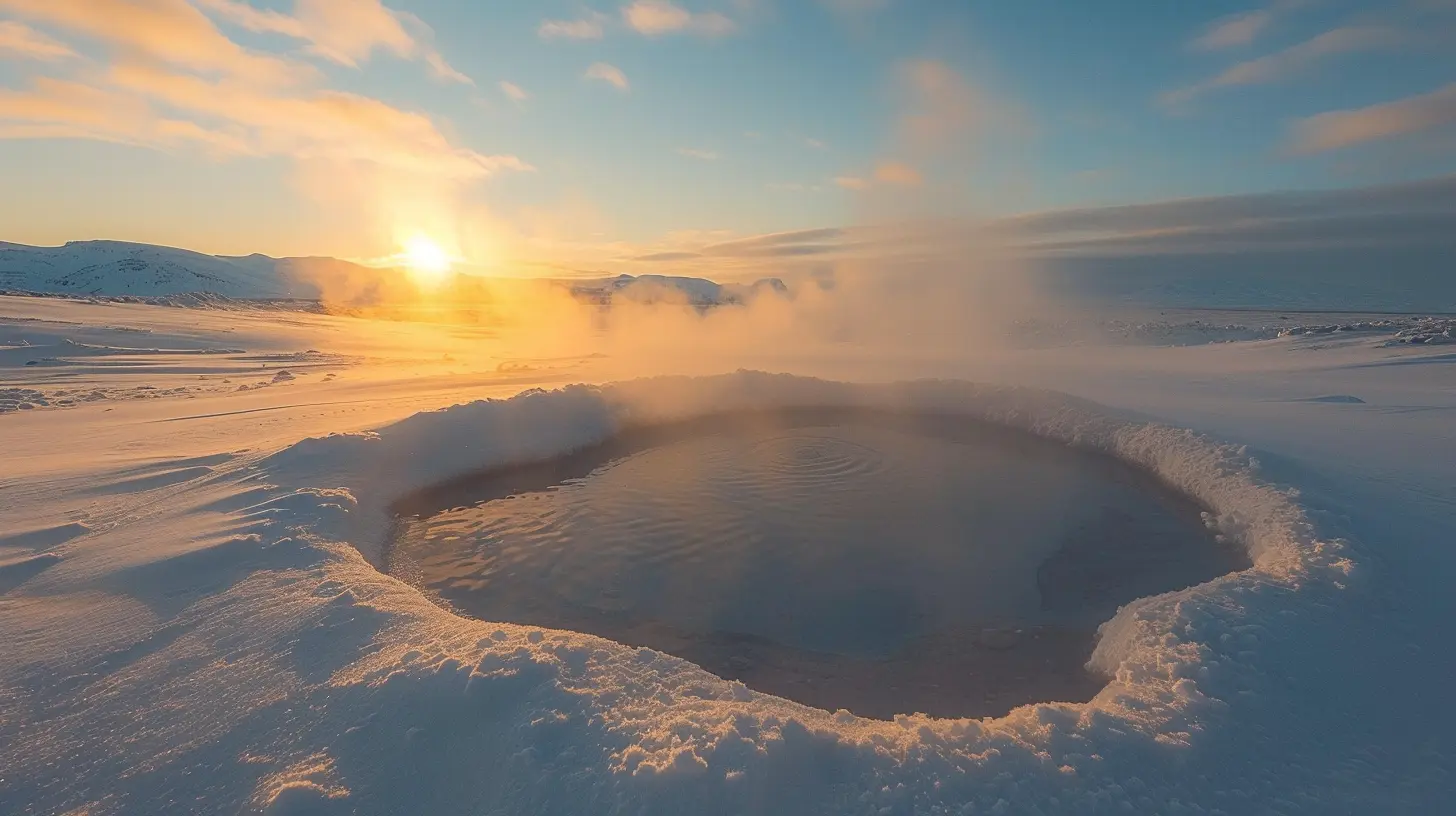
The Golden Circle: Iceland’s Iconic Winter Route
If there’s one route every traveler MUST take in Iceland, it’s the Golden Circle. This 300-kilometer loop connects three of the country's most iconic natural wonders. And guess what? Winter makes it even more breathtaking.1. Þingvellir National Park – A Rift Between Continents
Þingvellir (Thingvellir) National Park is a UNESCO World Heritage Site, and for good reason. Here, you can walk between the North American and Eurasian tectonic plates. Yes, you read that right—you’re literally walking between two continents.In winter, the park is a blanket of white, with icy cliffs and snow-dusted trails. The famous Silfra Fissure, where you can snorkel in crystal-clear glacial water, is even more surreal when surrounded by frost.
2. Geysir Geothermal Area – Bubbling, Boiling, and Bursting
Let’s talk about geysers—those natural fountains that shoot boiling water into the sky. The star of the show here is Strokkur, which erupts faithfully every 5-10 minutes. Watching it explode against a snowy backdrop is like nature flexing its muscles.The ground in this geothermal area is warm, steaming, and dotted with bubbling mud pools. It’s like stepping onto another planet—a sci-fi movie set in real life.
3. Gullfoss – The Golden Waterfall
Gullfoss, or the "Golden Waterfall," earns its name from the golden hue reflected in its waters on sunny days. In winter, it's a frozen masterpiece, with parts of the waterfall encased in ice while torrents of water crash underneath.The sheer power of Gullfoss in winter is almost intimidating. Standing at the viewpoint, feeling the icy mist on your face, is an experience you won't forget. 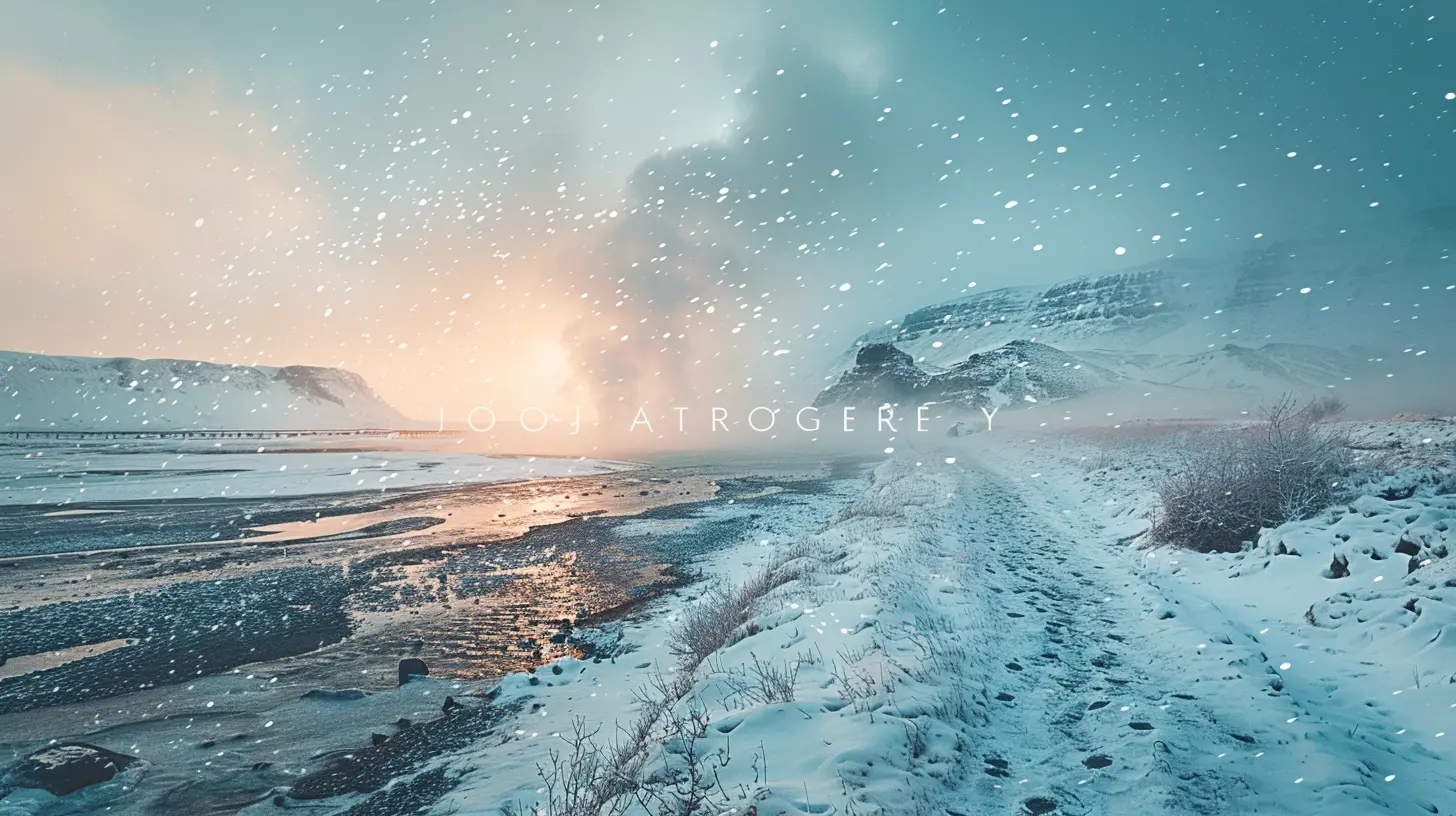
Iceland’s Glaciers: Nature’s Frozen Giants
Iceland’s glaciers cover about 11% of the country, and in winter, they are at their most majestic. They are more than just giant ice masses—they are living, shifting natural wonders.1. Vatnajökull – Europe’s Largest Glacier
Ever wanted to walk on a glacier? Vatnajökull, the largest glacier in Europe, is the place to do it. Guided glacier hikes will take you across deep crevasses, sparkling ice formations, and surreal blue ice caves.Speaking of ice caves—these natural wonders form in winter when melting water from summer refreezes into mesmerizing crystal-blue caverns. Stepping inside feels like entering a frozen cathedral sculpted by nature itself.
2. Langjökull Ice Cave – A Tunnel Through Time
Langjökull is another massive glacier, but what makes it special? An actual man-made ice tunnel. You can walk deep into the glacier, surrounded by ancient ice that has taken centuries to form. It’s a rare chance to see the inside of a glacier from within.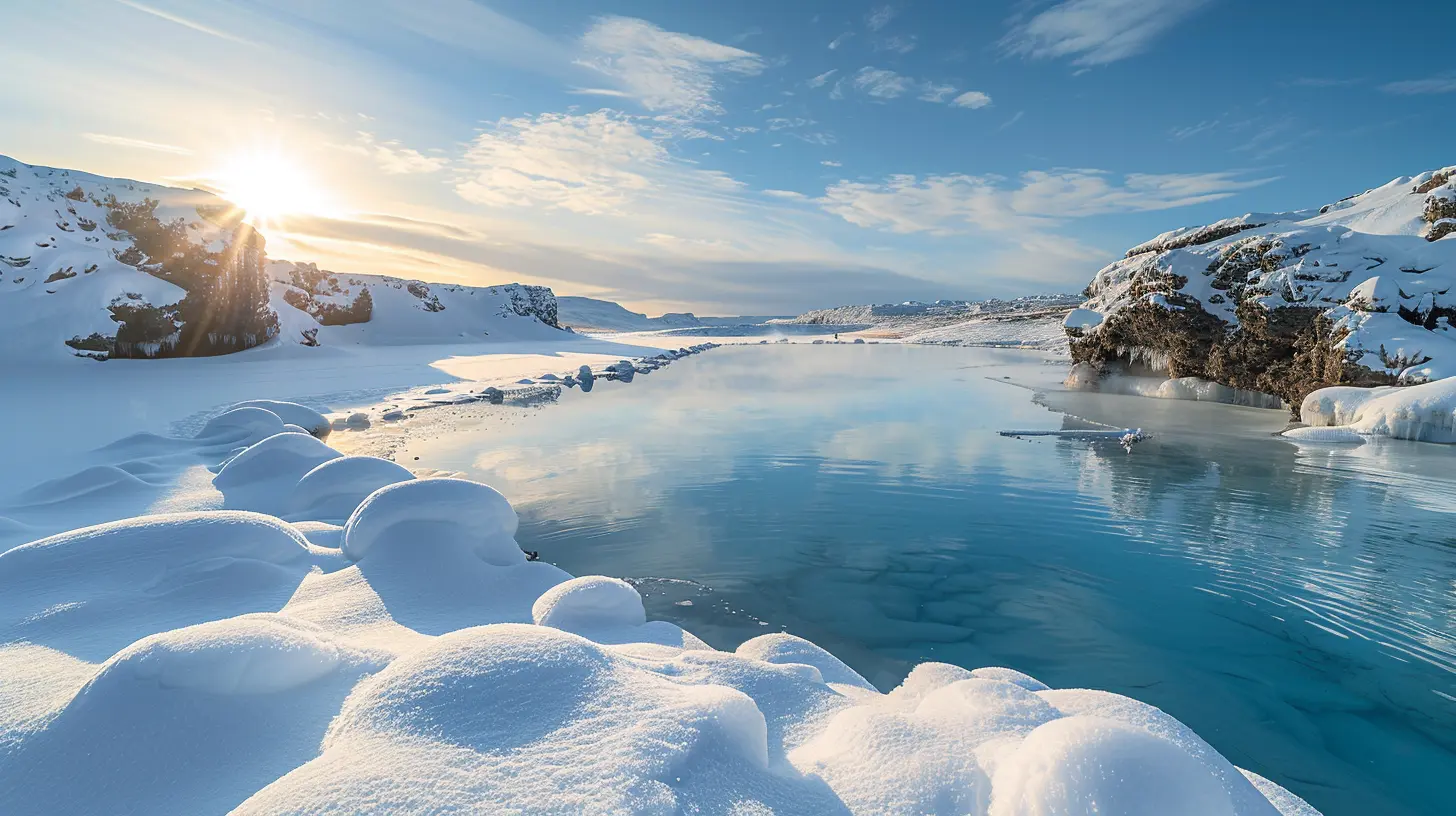
Chasing the Northern Lights in Iceland
No winter trip to Iceland is complete without hunting for the northern lights. These swirling, dancing waves of green, purple, and pink light up the sky on clear winter nights.Where to See the Northern Lights?
Your best bet is to get away from city lights. Some of the top spots include:- Þingvellir National Park – Double up on your Golden Circle trip.
- Jökulsárlón Glacier Lagoon – Imagine the auroras reflecting off floating icebergs.
- The Black Sand Beach of Vík – A surreal setting for an already magical sight.
Pro tip: Use an aurora forecast app and keep your fingers crossed for clear skies. A good pair of warm boots and a thermos of hot chocolate won’t hurt either!
Iceland’s Hot Springs: Nature’s Winter Hot Tubs
There’s something ridiculously satisfying about soaking in steamy hot water while being surrounded by snow. Iceland is full of geothermal hot springs, and winter is the best time to enjoy them.1. The Blue Lagoon – World-Famous for a Reason
Yes, it's touristy, but the Blue Lagoon is still worth visiting. The milky-blue waters, heated by geothermal energy, stay at a cozy 37-39°C (98-102°F) even in freezing weather. Slather on a silica mud mask and let the relaxation sink in.2. Secret Lagoon – A Quieter Alternative
Want a less crowded experience? The Secret Lagoon in Flúðir is Iceland’s oldest natural swimming pool, surrounded by charming steam vents and bubbling hot springs. A local favorite, and for good reason.3. Reykjadalur Steam Valley – A Hot River in the Wild
For the adventurous, Reykjadalur offers a unique treat—a naturally hot river. After a short winter hike through snowy landscapes, reward yourself by dipping into the warm, flowing waters. Nature’s own hot tub, no reservations needed.Driving in Iceland During Winter – What You Need to Know
Winter driving in Iceland is no joke. Roads can be icy, and sudden snowstorms are common.Tips for Safe Winter Driving:
- Rent a 4x4 vehicle – You’ll need those sturdy winter tires.- Check road conditions daily – Websites like road.is give real-time updates.
- Drive slowly and carefully – Black ice is sneaky!
- Always have snacks, water, and warm clothing – Just in case you get stuck.
If driving in winter seems intimidating, you can always join guided tours. No stress, just breathtaking views.
Packing for Iceland in Winter – Stay Warm, Stay Happy
Icelandic winters are stunning, but they’re also COLD. Packing the right gear is essential.Winter Packing Checklist:
✅ Thermal base layers – Keep that body heat in.✅ A high-quality winter jacket – Windproof, waterproof, and warm.
✅ Waterproof boots – Trust me, cold, wet feet ruin everything.
✅ Gloves, hat, and scarf – Your fingers, ears, and nose will thank you.
✅ Crampons (ice grips for shoes) – Essential for icy sidewalks and trails.
✅ Swimsuit – Hot springs are waiting!
Final Thoughts
Winter in Iceland isn’t just another trip—it’s an adventure that sticks with you forever. From witnessing geysers explode against snowy landscapes to walking inside glowing blue ice caves, every moment is unforgettable.If you’ve ever wanted to step into a land of fire and ice, winter is the time to do it. So bundle up, grab your camera, and prepare for a journey through nature’s wildest playground. Iceland is calling—are you ready to answer?
all images in this post were generated using AI tools
Category:
Winter TravelAuthor:

Kelly Hall