A Photographer’s Guide to Capturing Backcountry Landscapes
16 January 2026
Backcountry photography is an art that demands patience, adventure, and a keen eye for detail. If you've ever found yourself mesmerized by untouched landscapes, dramatic skies, and wild terrain, you know how rewarding it is to capture nature in its rawest form.
But how do you ensure that your photos do justice to these breathtaking scenes? This guide will break down everything you need to know—from gear selection and composition techniques to lighting strategies and post-processing tips. So, grab your camera, lace up your boots, and let's dive into the world of backcountry photography.
Why Backcountry Photography is Worth the Effort
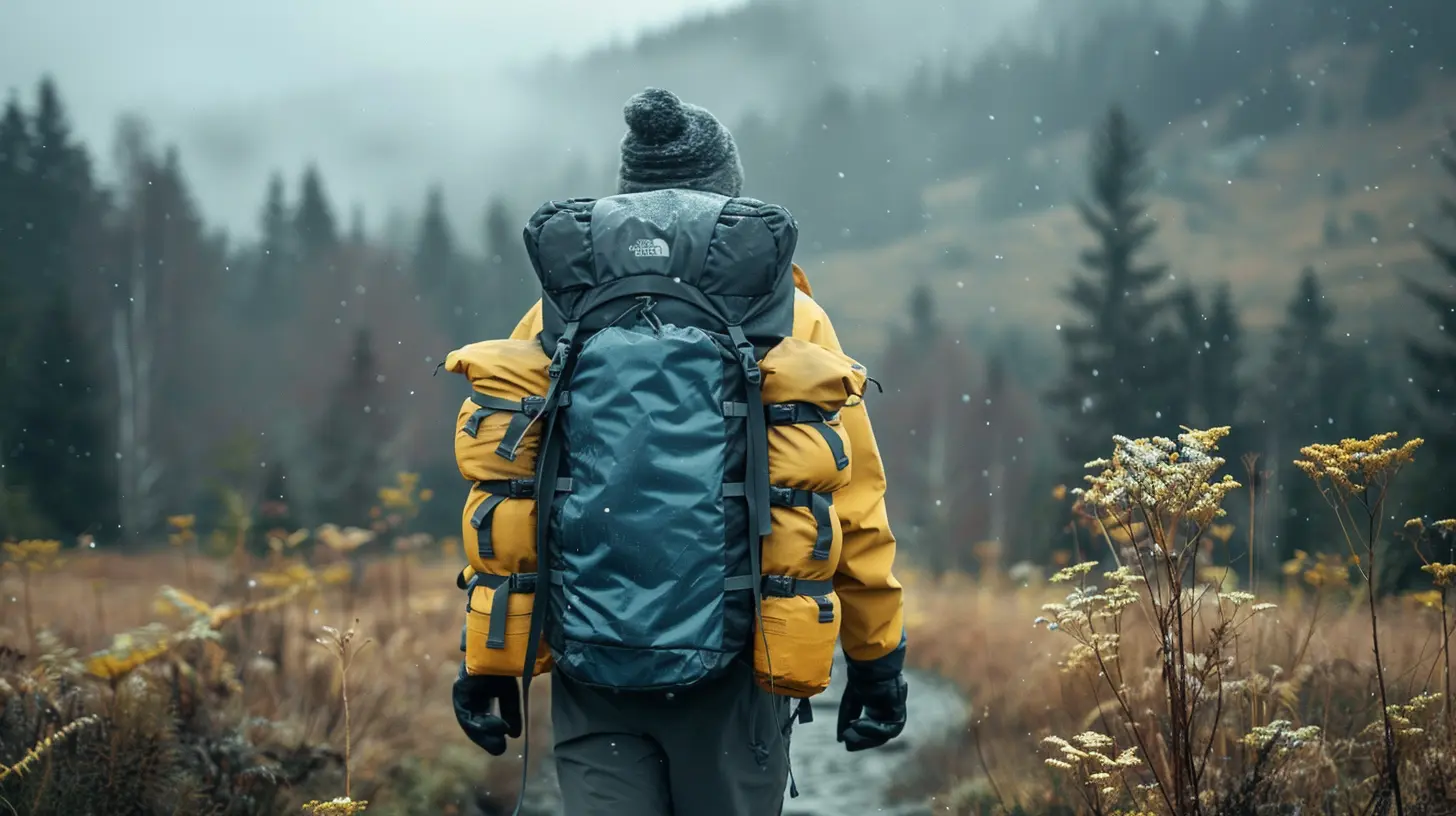
Unlike popular tourist destinations, backcountry landscapes remain mostly untouched. These remote locations offer a unique opportunity to capture nature in its purest essence—without the distractions of crowds, artificial lights, or urban noise.Photographing backcountry landscapes is more than just taking a picture; it’s about telling a story. Every mountain peak, river, and open plain has a narrative waiting to be photographed. The adventure itself—hiking deep into the wild, setting up your tripod in unpredictable conditions, and waiting for that perfect light—is part of the magic.
Essential Gear for Backcountry Landscape Photography
Before heading into the wilderness, having the right gear can make or break your experience. Here’s what you need:1. Camera and Lenses
Your camera choice depends on your budget and preferences, but for serious backcountry photography, a DSLR or mirrorless camera with interchangeable lenses is the best option.- Wide-angle lens: Ideal for capturing expansive landscapes and dramatic skies.
- Telephoto lens: Great for compressing elements and isolating distant subjects like mountain peaks.
- Prime lens: Offers sharp images, especially in low-light conditions.
2. Tripod
A sturdy yet lightweight tripod is non-negotiable. It stabilizes your camera for long exposures, ensuring sharp images even in windy conditions.3. Filters
- Polarizing filter: Reduces glare and enhances colors.- ND filter (Neutral Density): Helps in long-exposure shots, making water look silky smooth.
- Graduated ND filter: Balances exposure between the bright sky and darker ground.
4. Remote Shutter Release or Timer
Minimizes camera shake for long-exposure shots, resulting in sharper images.5. Extra Batteries and Memory Cards
Cold temperatures and long hikes drain batteries quickly. Always carry backups.6. Weatherproof Backpack
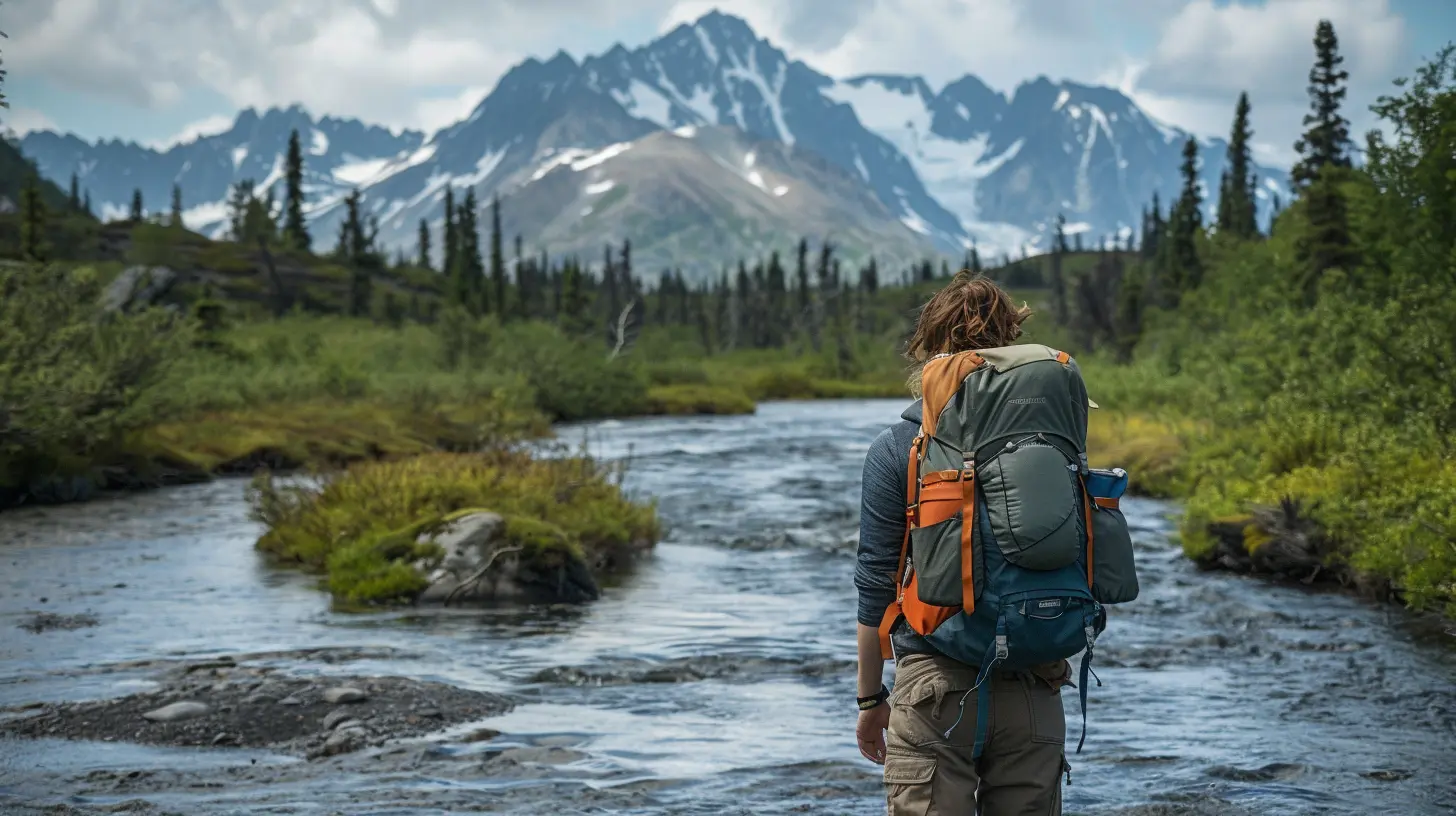
You’ll need a comfortable, well-padded backpack that distributes weight evenly while keeping your gear safe from the elements.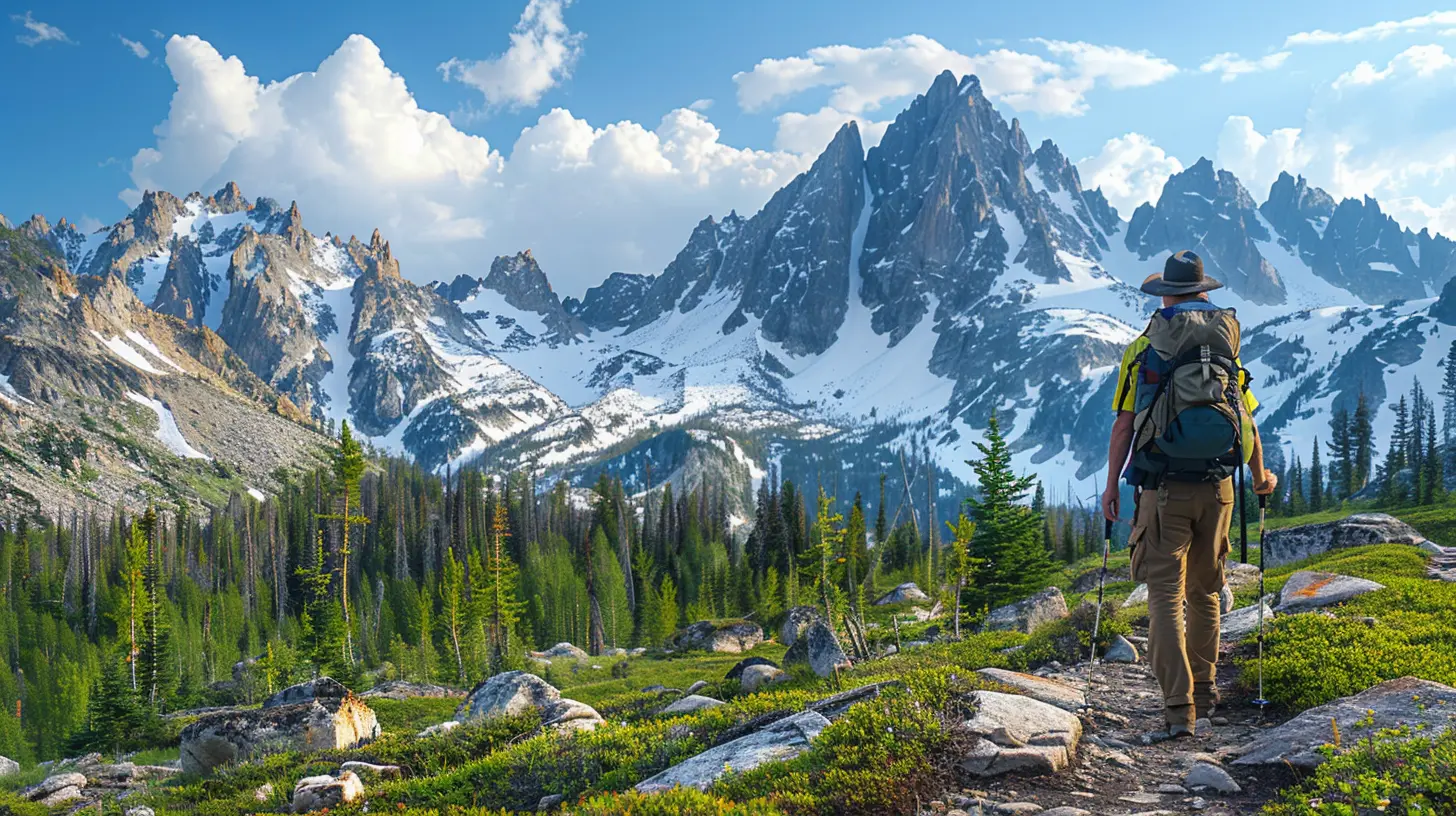
Mastering Composition for Stunning Backcountry Shots
Composition makes or breaks a photograph. Here are some techniques to help you frame your shots like a pro:1. Rule of Thirds
Dividing your frame into a 3x3 grid and placing your subject at the intersection points creates a more balanced and visually appealing image.2. Leading Lines
Use rivers, trails, or ridgelines to guide the viewer’s eye through the scene. Leading lines add depth and make your shots more dynamic.3. Foreground Interest
Adding a compelling foreground element (like wildflowers, rocks, or fallen logs) helps establish scale and adds layers of depth.4. Frame Within a Frame
Use natural frames like archways, trees, or mountain edges to draw attention to your focal point and add dimension.5. Negative Space
Sometimes, less is more. Leaving negative space can evoke a sense of isolation and vastness, which is perfect for backcountry photography.
Mastering Light in the Backcountry
Light is everything in photography. Knowing when and how to shoot under different lighting conditions can elevate your backcountry photos.1. The Golden Hours
The best time to shoot landscapes is during sunrise and sunset when the light is soft, warm, and directional. This creates long shadows and adds depth.2. Blue Hour
Right before sunrise or after sunset, the blue hour offers a magical, moody atmosphere. This is perfect for capturing dreamy, cinematic landscapes.3. Midday Challenges
Harsh midday light can create strong shadows and blown-out highlights. If you must shoot at noon, use shadows creatively or opt for black-and-white compositions.4. Night Photography
Backcountry locations often have minimal light pollution, making them perfect for astrophotography. Grab a sturdy tripod, set your ISO higher, and use a wide aperture to capture the Milky Way in all its glory.Post-Processing Tips for Backcountry Landscapes
Even the best shots need a little polishing in post-processing. Here’s how to enhance your raw images without making them look over-processed:1. Adjust Exposure and Contrast
Tweak exposure to ensure the details in both highlights and shadows are well-balanced.2. Enhance Colors Naturally
Instead of oversaturating, use subtle vibrance and selective color adjustments to keep the scene looking natural.3. Sharpening and Clarity
A little sharpening brings out fine details, but don’t overdo it. Clarity can enhance textures, especially in mountains and water.4. Crop for Better Composition
Sometimes, a slight crop can help strengthen composition and eliminate distractions.5. Use Graduated Filters
Darken the sky slightly using a graduated filter to balance exposure between land and sky.
Safety Tips for Backcountry Photographers
Venturing into the backcountry isn’t just about photography—it’s about survival and preparedness. Here are some essential safety tips:- Tell someone your location and expected return time – Always inform a friend or family member about your hiking plans.
- Dress in layers – Weather conditions change rapidly. Wear moisture-wicking clothes and bring an insulated jacket.
- Carry emergency supplies – First aid kit, GPS device, headlamp, extra food, and water are essentials.
- Beware of wildlife – Keep a safe distance and never disturb animals for the sake of a photo.
- Know basic survival skills – Learn how to navigate with a map and compass in case technology fails.
Final Thoughts
Backcountry landscape photography is not just a hobby—it’s an experience that connects you with nature on a deeper level. It challenges you physically and creatively, rewarding you with stunning, one-of-a-kind images that few people will ever capture.So, pack your gear, plan your adventure, and embrace the wild. Because the best photos aren’t taken—they’re earned.
all images in this post were generated using AI tools
Category:
Backcountry TravelAuthor:

Kelly Hall
Discussion
rate this article
2 comments
Adrian Hurst
This guide beautifully captures the essence of backcountry photography! The tips on timing, equipment, and composition are invaluable for both novice and seasoned photographers. Can't wait to explore these landscapes and improve my skills. Thank you for sharing!
January 25, 2026 at 3:22 PM
Kelly Hall
Thank you so much for your kind words! I'm thrilled to hear that you found the guide helpful. Happy exploring and shooting!
Reagan Warren
What a fantastic guide! 🏞️ Your tips for capturing the beauty of backcountry landscapes are simply inspiring. I can already picture the stunning shots waiting to be taken! Thank you for sharing your expertise—can’t wait to grab my camera and explore! 📸✨ Happy snapping!
January 18, 2026 at 4:52 PM
Kelly Hall
Thank you so much! I'm thrilled to hear you're inspired and ready to explore. Happy snapping! 📸✨