Adapting to Different Cultures as a Digital Nomad: What to Expect
26 March 2026
So, you’ve ditched the cubicle, stuffed your worldly possessions into a backpack, and booked that one-way ticket. Congrats! You’re officially a digital nomad. 🌍☕ But as thrilling as it is to work from beach bars and quirky cafés around the world, there’s one thing you might not see on the travel blogs: Culture shock. Oh yeah, it’s real, it’s sneaky, and it hits just when you think you’ve got it all figured out.
Let’s take a hilarious, brutally honest, and super helpful look at what you can expect when adapting to different cultures as a digital nomad.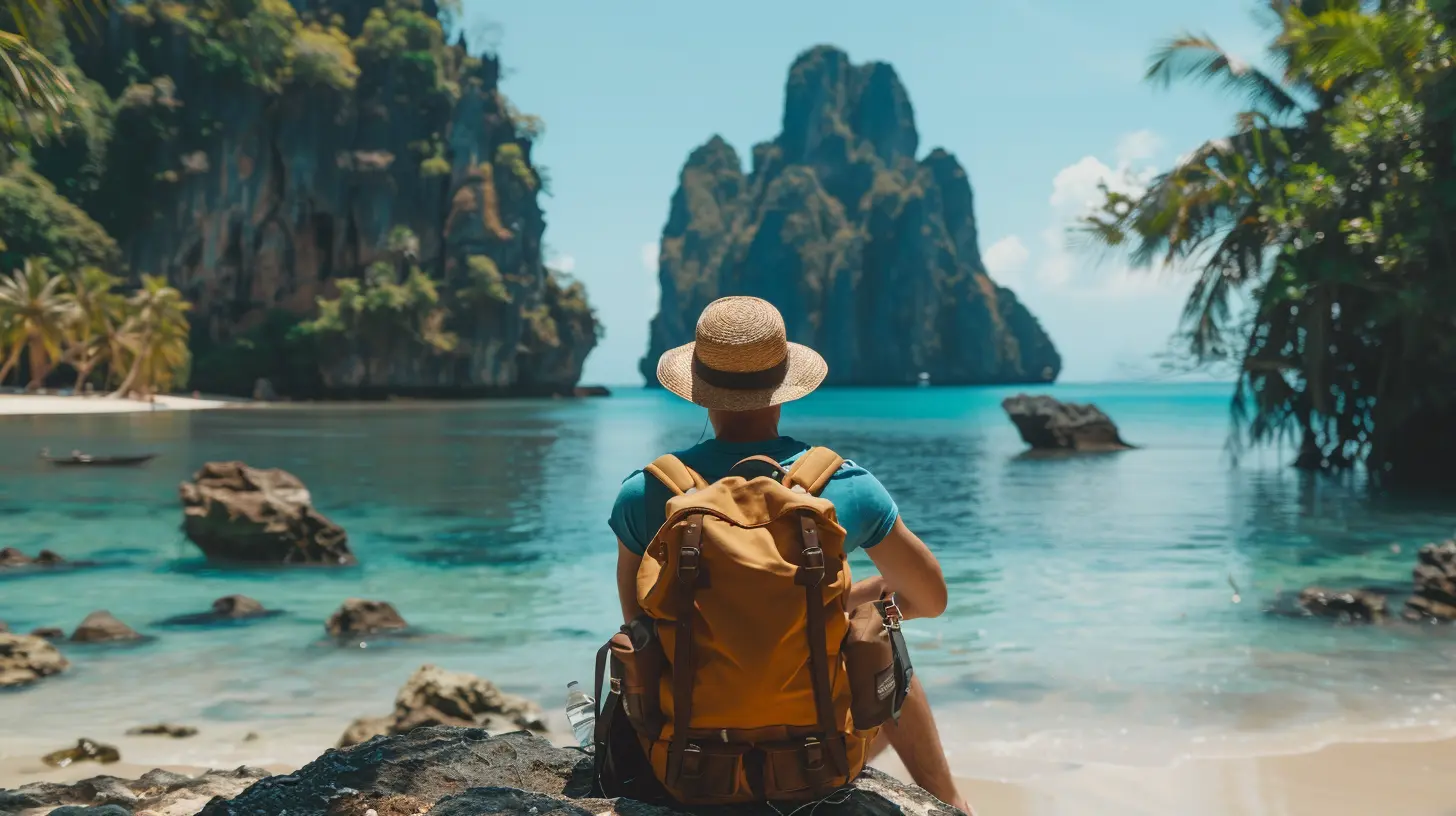
The Romantic Idea vs. Reality Check
We all have that dream image: You, sipping espresso in Italy, laptop open, sun kissing your face. Reality? Language barriers, different work ethics, and the awkward moment when you accidentally offend someone by tipping (or not tipping).It's not that the nomadic lifestyle isn't amazing — it's just that it's not a travel brochure. It's messy, weird, and occasionally involves crying in a Thai 7-Eleven. But oh boy, is it worth it.
1. Smiling Can Mean Different Things
Let’s start with body language. A smile is universal, right? Ehh… kind of. In some places, it means friendliness. In others, it could mean nervousness, awkwardness or “I have no clue what you just said, but I’m smiling through the social confusion.”Example: Japan vs. USA
In the U.S., smiling at strangers is normal. In Japan? You’ll probably get quiet panic in return. They’ll smile politely, sure, but it's more of an “I’m uncomfortable and this is how I mask it” kinda thing.Bottom line? Read the room (and country). When in doubt, keep it chill and mirror local behavior.
2. Food Is a Culture Shock All Its Own
Listen, food is one of the best parts of being a digital nomad. But it’s also the thing that can bewilder you the most. Say goodbye to your favorite takeout spot. Say hello to fermented shark in Iceland and insect street food in Thailand.Pro Tip
If someone hands you something unidentifiable and it’s still wiggling? Don’t ask questions. Just nod, smile, and consider it an extreme sport.Cultural food etiquette matters too. In India, eating with your left hand? Big no-no. In Ethiopia, sharing a plate is the norm. And in Italy, if you order a cappuccino after 11 a.m., prepare to be judged. Harshly. Fashionably. But judged.
3. The “Time” Thing Will Blow Your Mind
You know that saying, “When in Rome, do as the Romans do”? Well, in some countries, being "on time" means 15 minutes early. In others, it means “anytime before sundown.”Culture Clocks 101:
- 🇩🇪 Germany: If you’re on time, you’re late.- 🇧🇷 Brazil: Time is... flexible.
- 🇲🇽 Mexico: “Mañana” doesn’t always mean tomorrow. Sometimes it means... whenever.
Learning to adapt to different perceptions of punctuality is crucial. Set your expectations to “meh” and your watch to “ish.”
4. The Language Barrier Is Real (And Funny)
Even if you’re only fluent in English and sarcasm, you’re gonna try. You’ll download the translation app, use frantic hand gestures, and fake confidence.True Story
One time, I tried to say “I’m full” after a feast in Vietnam. I accidentally said “I’m pregnant.” My host mother cried happy tears. I didn’t have the heart to correct her.Pro tip: Learn the basics (hello, thank you, where’s the Wi-Fi), and always carry a translator app. Or better yet, draw it. Your version of a stick cow might just be the bridge that unites cultures.
5. Local Laws and Customs — Read the Fine Print
You can’t just waltz into a new country and start doing TikTok dances on historical landmarks. (Unless you want to spend quality time with local law enforcement.)Things that are totally normal in one country can get you into serious trouble in another.
Watch Out For:
- Dress codes (especially in conservative countries)- Alcohol laws (some countries ban it altogether)
- PDA (nope, not everywhere is Instagram-friendly)
- Drone usage (some places need permits, others jail you 🫠)
Always check the rules before you land. A quick Google search or chat with a local can save you from becoming the next viral “dumb traveler” video.
6. You’re the Outsider — That's Okay
Being a foreigner means you’re sometimes going to stick out like a solar panel in the jungle. People might stare. Some might ask invasive questions. Others will assume you’re either rich or lost (or both).It’s weird at first, but here's the secret: embrace the awkwardness. Laugh at the miscommunications. Be humble. You’re not here to change the culture — you’re here to learn from it.
7. Making Friends Can Be Wildly Different
So at home, you strike up friendship over drinks, shared memes, or mutual complaints about the weather. But in different cultures, the friend-making process works... differently.Friendship Styles Around the Globe:
- 🇺🇸 USA: Fast and friendly, but may fade quickly.- 🇫🇷 France: Reserved at first, but deep friendships once you're in.
- 🇹🇭 Thailand: Warm, generous, and often mixed with a lot of laughter.
It might take longer to build connections in some countries. But once you do, you’ll have lifelong friendships and free couches to crash on around the world.
8. Your Idea of “Normal” Doesn’t Matter
And that’s the liberating part. Your comfort zone is now a moving target. You’ll stop saying, “That’s weird,” and start saying, “That’s different.” You'll learn that “normal” is just a setting on a dryer.You’ll start adapting without realizing it. You’ll find yourself eating breakfast at 10 p.m., taking off your shoes at the door, bowing instead of shaking hands, and saying “lah” at the end of every sentence in Malaysia because, well, everyone else does.
9. Culture Shock Comes in Waves
You’ll probably feel like a seasoned pro the first few days. You’re navigating, bargaining at markets, using chopsticks — crushing it. Then bam! You hit the wall. You miss peanut butter. Or personal space. Or flushing toilet paper.That’s culture shock. And it comes in stages:
1. Honeymoon Phase – Everything is amazing!
2. Frustration Phase – EVERYTHING IS ANNOYING.
3. Adjustment Phase – You find your groove.
4. Acceptance – You finally “get” it.
Give yourself grace. Cry if you need to. Then laugh at yourself and keep going.
10. Reverse Culture Shock Is Also a Thing
Coming home after months (or years) abroad? Get ready for the weirdest culture shock of all: your own culture.You’ll wonder why nobody takes siestas. Why the grocery store has 37 types of peanut butter. Why people get annoyed when you’re 20 minutes “fashionably late.”
It’s disorienting, hilarious, and a reminder of how much you’ve grown.
11. Embracing the Weird = Thriving
At the end of the day, adapting to different cultures is about two things: Respect and Curiosity. Be open. Ask questions. Laugh at your own goof-ups. And for the love of travel, don’t assume anything.The truth is, the more confused you are, the more you're growing. And that’s what this whole digital nomad thing is about — not just working from Wi-Fi hotspots, but upgrading your entire operating system.
So yeah, you might eat something unpronounceable, get lost three times a week, and accidentally insult someone’s grandmother. But you’ll also come out of it with mind-blowing stories, unforgettable connections, and a passport full of stamps and memories.
Final Words: Survive First, Thrive Later
You don’t have to be perfect; you just have to be willing. Willing to learn, adapt, laugh, and unlearn. Adapting to different cultures is a journey, not a checklist. Each country will teach you something different — even if it's just where to find decent coffee on a Sunday.So go ahead, digital nomad. Hop that plane. Order that mystery dish. Smile awkwardly through your next cultural misstep. It only gets better from here.
And hey, if you ever feel like you’re doing it wrong, remember this: there’s no “right” way to be a traveler — but being respectful, open-minded, and a little bit silly? That’s pretty close.
all images in this post were generated using AI tools
Category:
Digital NomadAuthor:

Kelly Hall
Discussion
rate this article
2 comments
Daisy Hughes
Great insights! Embrace cultural differences fully.
April 6, 2026 at 4:05 PM
Kelly Hall
Thank you! Embracing those differences truly transforms the journey.
Rose Vasquez
Great insights on navigating cultural diversity! Essential tips for successful digital nomad experiences.
March 29, 2026 at 4:16 AM
Kelly Hall
Thank you! I'm glad you found the insights helpful for embracing cultural diversity as a digital nomad. Happy travels!