The Revival of Polynesian Tattoo Traditions in 2027
19 April 2026
In the vibrant tapestry of world cultures, few threads are as colorful and profound as Polynesian tattoo traditions. As we step into 2027, these ancient practices are experiencing a remarkable revival, rekindling interest not just among Polynesian communities but also among enthusiasts worldwide. But what’s driving this resurgence? Let's dive into the deep blue waters of Polynesian tattoos, their cultural significance, and how today's trends are bringing them back to life.
A Brief History of Polynesian Tattoos
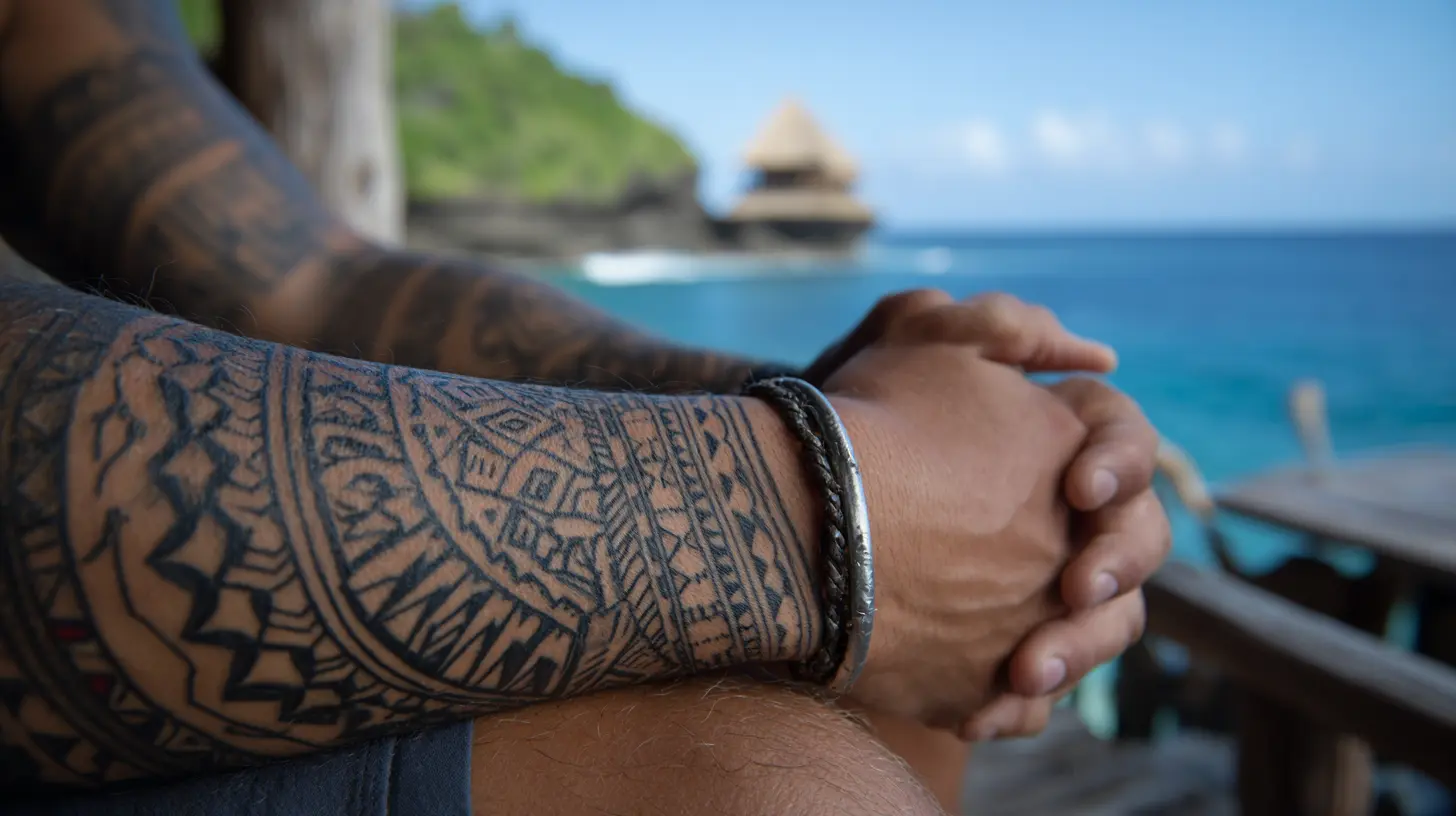
Polynesian tattoos, or tatau, are far more than just body art. They are rich with meaning, telling stories of lineage, accomplishments, and social status. Traditionally, these tattoos were crafted using tools made from natural materials like wood and bone, creating intricate patterns that reflect the individual’s identity, tribal affiliation, and spiritual beliefs.The art of tattooing in Polynesia dates back centuries, with each island having its unique styles and meanings. For instance, the Marquesas Islands are known for their bold designs, while Samoa focuses on elaborate tattooing rituals that can take days to complete. These tattoos were once a rite of passage, marking significant life events, and served as a spiritual connection to ancestors.
But as the world modernized, many of these traditions faded into the background, overshadowed by Western beauty standards and cosmetic trends. However, as we move into 2027, there's a palpable shift in the air.
Why the Revival?
Cultural Reclamation
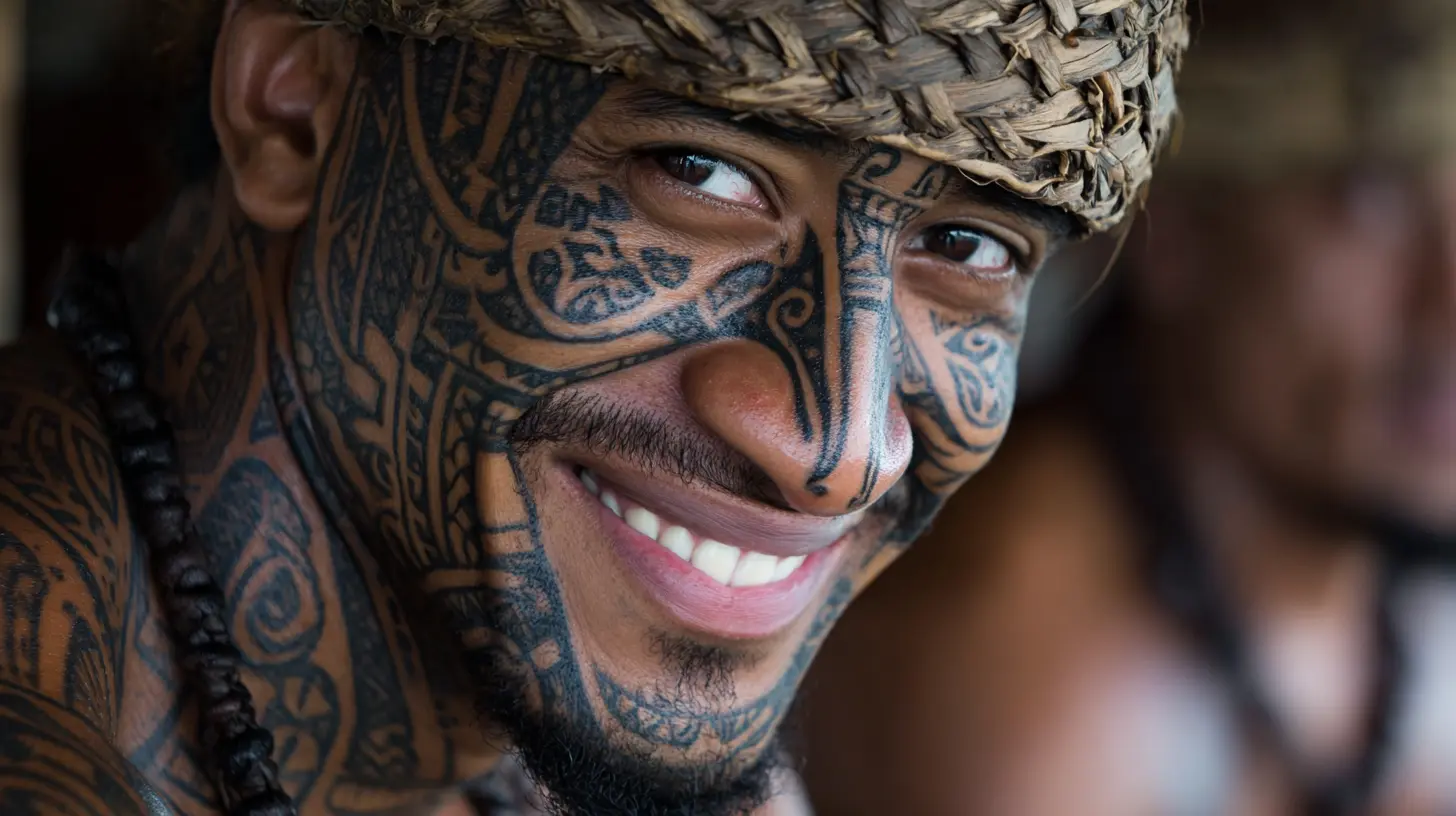
One of the driving forces behind the revival of Polynesian tattoo traditions is a strong movement towards cultural reclamation. Many Pacific Islanders are now actively seeking to reconnect with their heritage, embracing their ancestors' practices and beliefs. This cultural renaissance is not just about aesthetics; it’s about identity, pride, and storytelling.Have you ever felt that tug of belonging when you discover something about your heritage? That’s what many Polynesians are experiencing as they embrace tatau as a way to honor their ancestors and reclaim their histories. It’s a beautiful cycle—by wearing these tattoos, individuals are preserving their culture while passing it on to the next generation.
Global Fascination with Tattoos
Let’s face it—tattoos are everywhere these days! What was once considered taboo is now a mainstream form of expression. In 2027, the global tattoo industry is booming, and Polynesian designs are increasingly popular among tattoo enthusiasts. From minimalist interpretations to large, detailed pieces, people are drawn to the symbolism these tattoos carry.But are they getting it right? This is where the importance of understanding the art form comes in. While it’s fantastic to see the interest, it’s essential to approach it with respect and understanding. After all, these tattoos are steeped in cultural significance, and misusing them can lead to appropriation rather than appreciation.
The Role of Social Media
Ah, social media—the double-edged sword of our times. Platforms like Instagram and TikTok are playing a significant role in the revival of Polynesian tattoo traditions. Artists are showcasing their work, sharing stories behind the designs, and educating audiences about the meanings and rituals involved.Think about how you’ve seen something on social media and felt inspired. That’s the power of these platforms! Artists are not only gaining followers but also fostering a community that appreciates and respects the cultural significance of tattoos. It’s a space where tradition meets modernity, creating a dialogue that bridges generations.
The Art of Tatau Today
Traditional Techniques Resurfacing
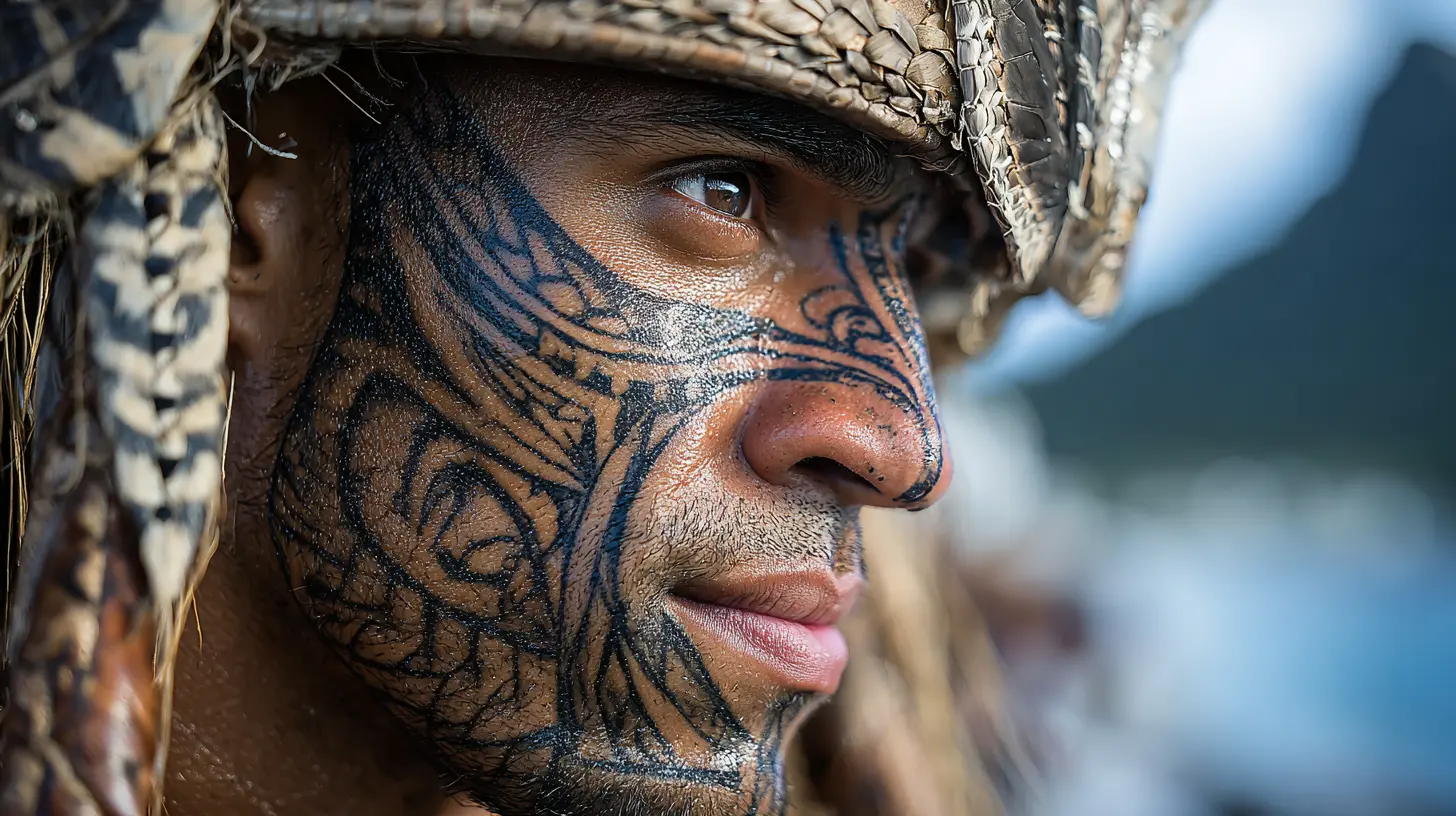
In 2027, traditional tattooing techniques are making a comeback. Artists are increasingly returning to their roots, using ancient methods that honor their heritage. This includes hand-tapping techniques, where tattoos are applied using tools made from natural materials. This method not only connects the artist to their ancestry but also creates a unique experience for the individual receiving the tattoo.Imagine sitting down for a tattoo session that feels more like a ritual than a procedure. You’re not just getting inked; you’re part of a story that spans generations. It’s an intimate experience that fosters a deeper connection between the artist and the person being tattooed.
Modern Interpretations of Traditional Designs
While traditional techniques are resurfacing, contemporary interpretations of Polynesian tattoo designs are also gaining traction. Many modern artists are taking inspiration from traditional patterns and infusing them with a contemporary twist. This fusion allows for creativity and personal expression while still paying homage to the cultural roots.Have you ever seen a tattoo that made you think, “Wow, that’s different!”? That’s the beauty of these modern interpretations. They allow for individuality while honoring the past, creating a blend that resonates with a diverse audience.
Empowering Women through Tatau
Interestingly, the revival of Polynesian tattoos also emphasizes female empowerment. In many Polynesian cultures, women play a vital role in tattooing, both as artists and as recipients. The revival has led to a newfound focus on the significance of women’s tattoos, which often symbolize strength, resilience, and femininity.By highlighting the stories behind women's tattoos, the community is challenging stereotypes and promoting a more inclusive narrative. Women are reclaiming their stories through tatau, transforming the narrative around body art into something powerful and profound.
The Future of Polynesian Tattoos
Educational Initiatives
As we look ahead, education will play a crucial role in the future of Polynesian tattoos. Many artists and cultural practitioners are actively working to educate both the Polynesian community and tattoo enthusiasts about the significance of these designs. Workshops, seminars, and community events are popping up, fostering a deeper understanding of the cultural context behind the art form.Imagine attending a workshop where you can learn about the history, significance, and techniques of Polynesian tattooing. It’s not just about getting inked; it’s about immersing yourself in a culture and gaining a profound appreciation for its depth.
Sustainability in Tattooing
With the growing awareness of sustainability, the tattoo industry has also been looking at eco-friendly practices. In 2027, many artists are exploring sustainable inks and materials, ensuring that their work respects the environment. This trend aligns with the Polynesian value of living in harmony with nature, creating a beautiful synergy between tradition and modern values.Wouldn’t it be amazing if the tattoos we wear also helped preserve the planet? This movement towards sustainability is not just a trend; it’s a commitment to a better future for both the art form and the environment.
Building Community Ties
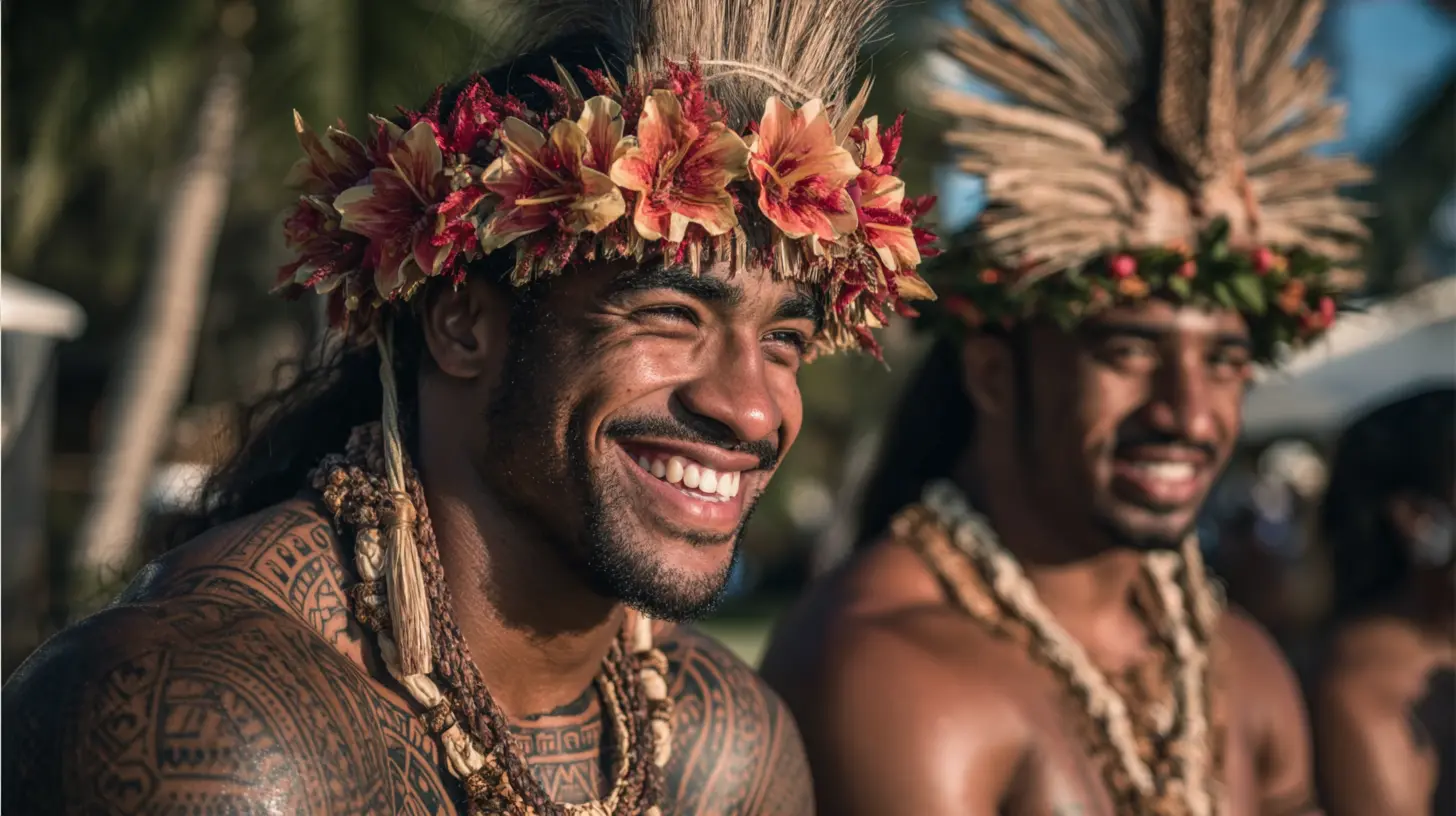
Finally, the revival of Polynesian tattoos is fostering stronger community ties. As more people become interested in these traditions, there’s a growing sense of belonging and camaraderie among those who share a love for tatau. Community events, gatherings, and collaborations between artists are creating spaces where individuals can come together to celebrate their culture.Think about the last time you connected with a group of like-minded individuals. There’s something powerful about sharing passions and experiences, and that’s exactly what’s happening within the Polynesian tattoo community.
Conclusion
As we journey through 2027, the revival of Polynesian tattoo traditions serves as a testament to the resilience and richness of cultural heritage. It’s not just about ink on skin; it’s about reconnecting with identity, honoring ancestors, and fostering a deeper understanding of what these tattoos represent. Whether you’re considering getting a Polynesian tattoo or simply admiring the art from afar, it’s essential to approach it with respect and appreciation.So, what will you take away from this revival? Maybe it’s a newfound admiration for the artistry, or perhaps it’s a desire to learn more about the cultural significance behind these beautiful designs. Whatever it is, remember that every tattoo tells a story—one that deserves to be heard and celebrated.
all images in this post were generated using AI tools
Category:
Local TraditionsAuthor:

Kelly Hall
Discussion
rate this article
2 comments
Alexia Estes
Exciting to see Polynesian tattoo traditions thrive again; a beautiful cultural revival!
April 21, 2026 at 2:35 PM
Faye McHugh
Get inked with history! Polynesian tattoos: where tradition meets modern flair!
April 20, 2026 at 3:50 AM