Berlin Beats: Experiencing Germany’s Underground Sound in 2026
15 May 2026
You know that feeling when you step off the U-Bahn at a station you've never heard of, and the air smells like concrete, stale beer, and possibility? That's Berlin. But in 2026, the city's pulse isn't just in the tourist-packed clubs on Revaler Strasse. It's vibrating through repurposed boiler rooms, hidden courtyards, and the basements of abandoned department stores. The underground sound here isn't a genre-it's a living, breathing ecosystem. And if you're willing to ditch the guidebook and follow the bass, you'll find a version of Berlin that most people only dream about.
The Shift: Why 2026 Feels Different
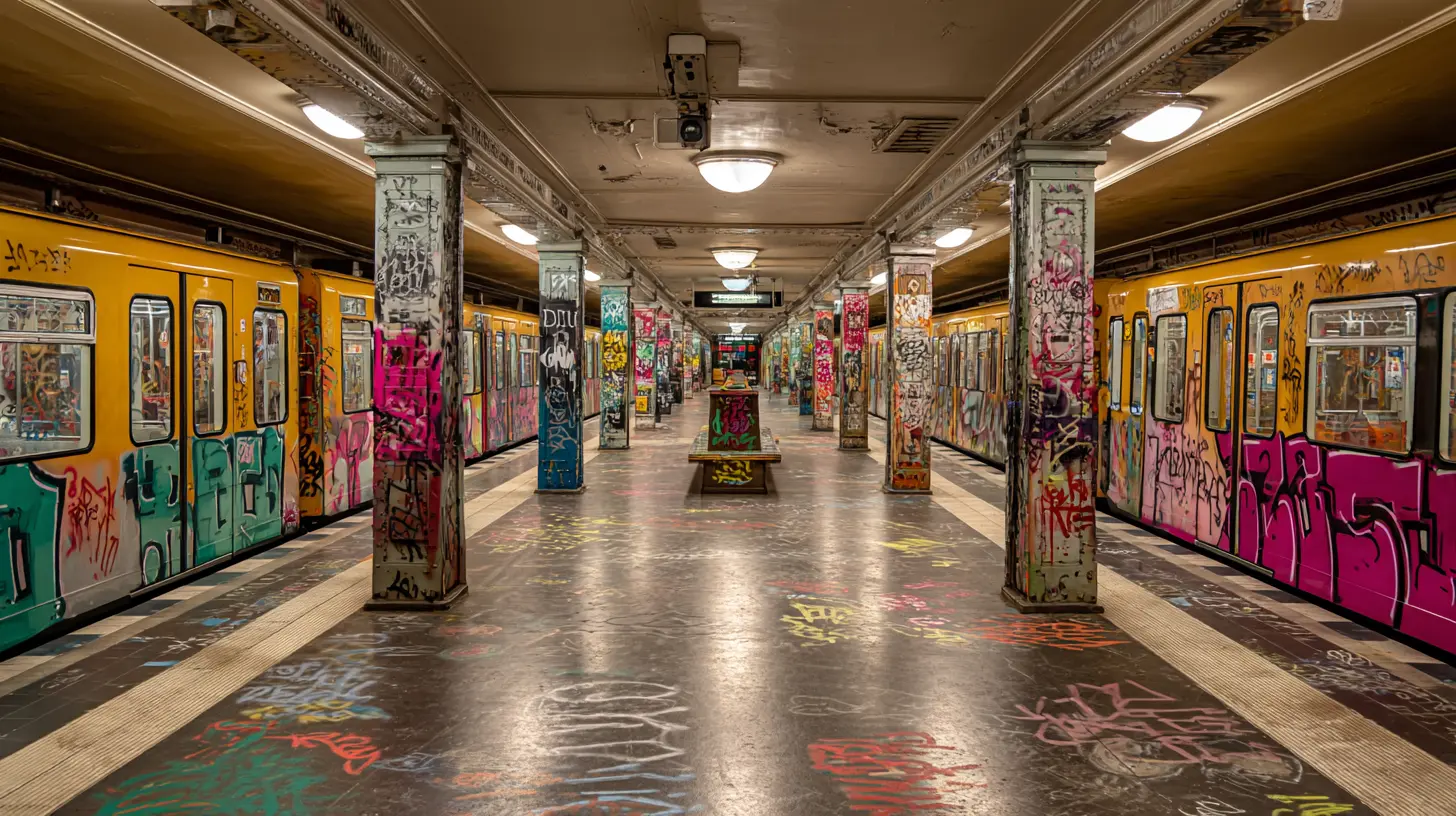
Let's be real: Berlin's club scene has been through the wringer. The pandemic, the gentrification, the endless debates about noise complaints-it all took a toll. But here's the thing about underground culture: it adapts like a weed through pavement. In 2026, the sound has splintered into something more intimate, more raw. The days of queuing for three hours at Berghain just to hear a name-brand DJ play a safe set are fading. Now, the magic happens in spaces that feel like someone's living room-if that living room had a Funktion-One sound system and a leaky pipe that drips in rhythm with the kick drum.I remember walking into a spot in Neukölln last spring. No sign, just a doorbell with a sticker of a cassette tape. Inside, maybe forty people stood in a room with exposed brick and a single red light bulb. The DJ was playing a mix of broken techno and field recordings from a construction site. It shouldn't have worked. But it did. That's Berlin in 2026: chaotic, unpolished, and utterly alive.
Where the Bass Lives: The New Hotspots
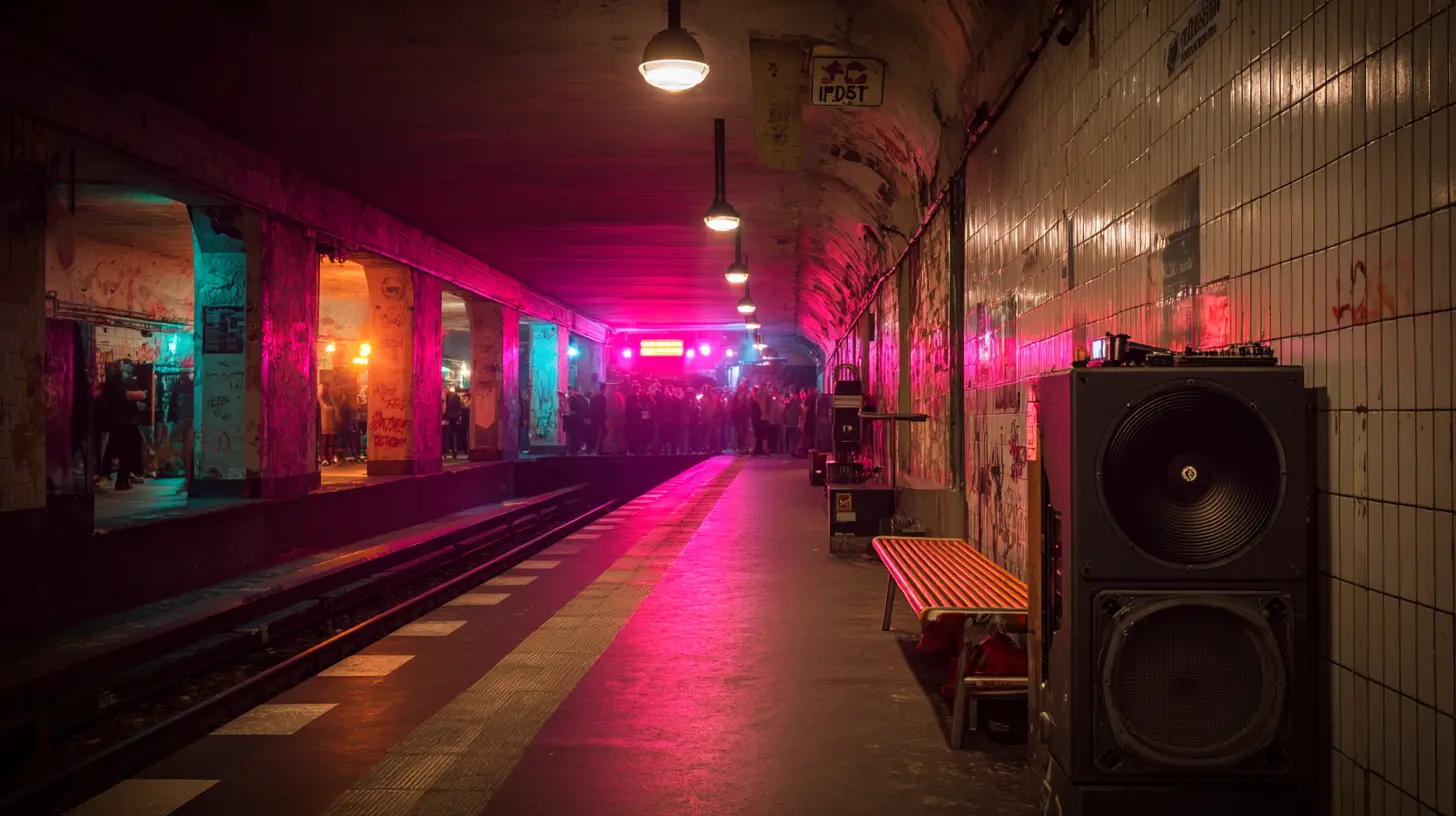
Forget the big names for a second. The real action is in the "Kunst und Musik" spaces-art squats turned semi-legal venues. Places like Kunstverein Blau in Lichtenberg or Schwarzmarkt in Friedrichshain aren't on any official map. You find them through WhatsApp groups, Instagram stories that disappear in 24 hours, or that friend-of-a-friend who always knows where the party is. These spots don't have websites. They have a password and a BYOB policy.One of my favorites is a former auto repair shop in Wedding called Rost. The name means "rust," and it fits. The walls are peeling, the floor is sticky, and the sound system is held together with duct tape and hope. But the music? Pure gold. Last month, I caught a live set from a duo who built their own synthesizers out of salvaged electronics. They played for four hours without a break, and the crowd-a mix of students, artists, and old punks-didn't stop moving. It felt like a secret, and I mean that in the best way.
The Sound Itself: From Deconstructed Techno to Hyperlocal House
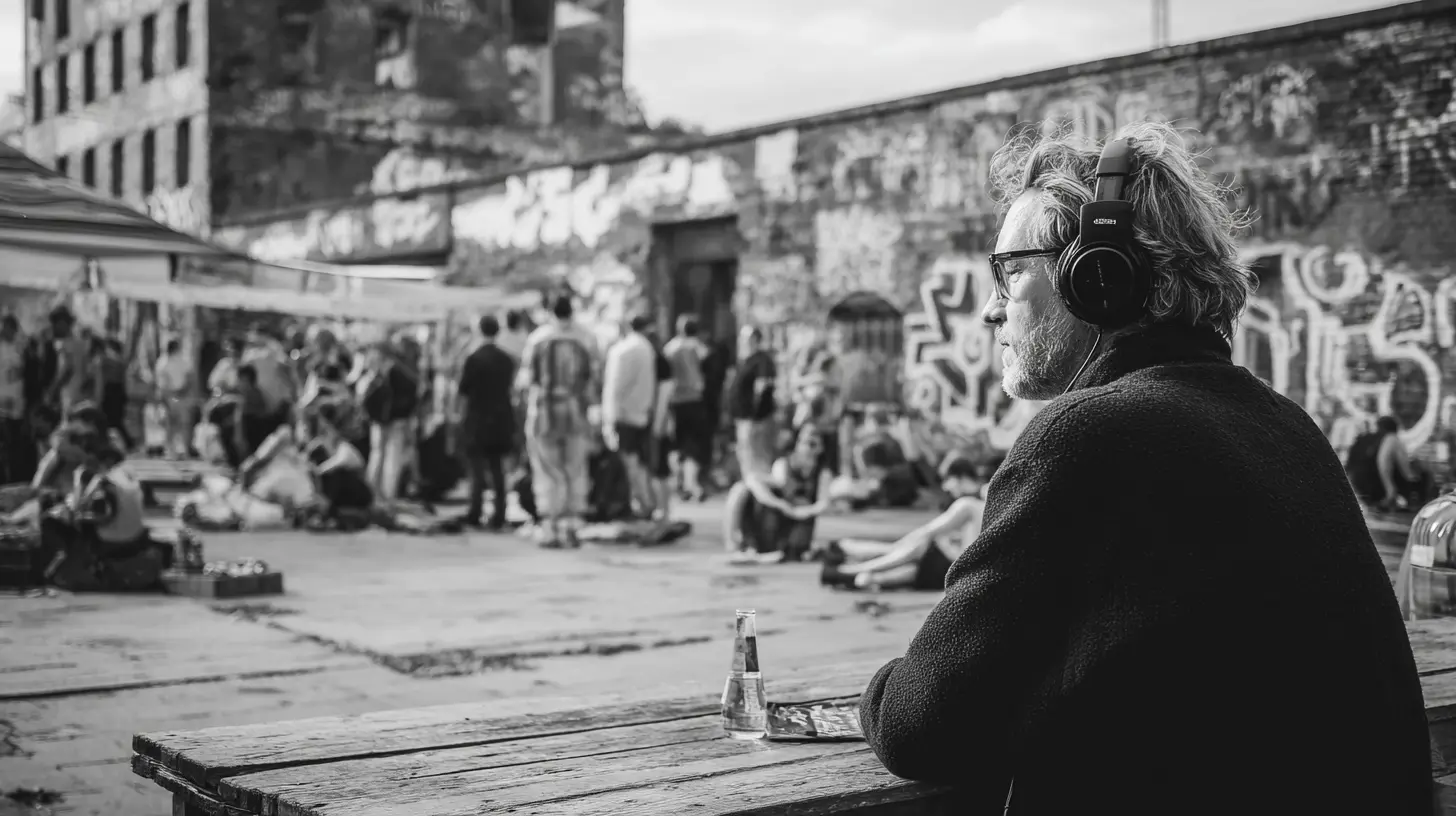
So what does Berlin sound like in 2026? It's not just the same four-on-the-floor loop you've heard since the 90s. The underground has fractured into micro-scenes. You've got the deconstructed club crowd-people who treat techno like a puzzle, pulling apart rhythms until they're just clicks and echoes. Then there's the hyperlocal house movement, where producers sample sounds from their own neighborhoods: the tram bell in Prenzlauer Berg, the chatter from a Turkish market, the hum of a power plant.I talked to a producer named Elif at a cafe in Kreuzberg. She told me, "Berlin's sound is tired of being polished. We want dirt. We want mistakes. We want the sound of the city breathing." She's part of a collective that throws parties in a former swimming pool. The acoustics are terrible-all echo and reverb-but that's the point. You hear the room as much as the music.
If you're into something weirder, check out the ambient-noise nights. These are events where the DJ plays at conversation volume, mixing field recordings with slow drones. People sit on the floor, drink tea, and just listen. It sounds pretentious, I know. But it's actually grounding. After a week of pounding beats, a night of quiet soundscapes can reset your brain.
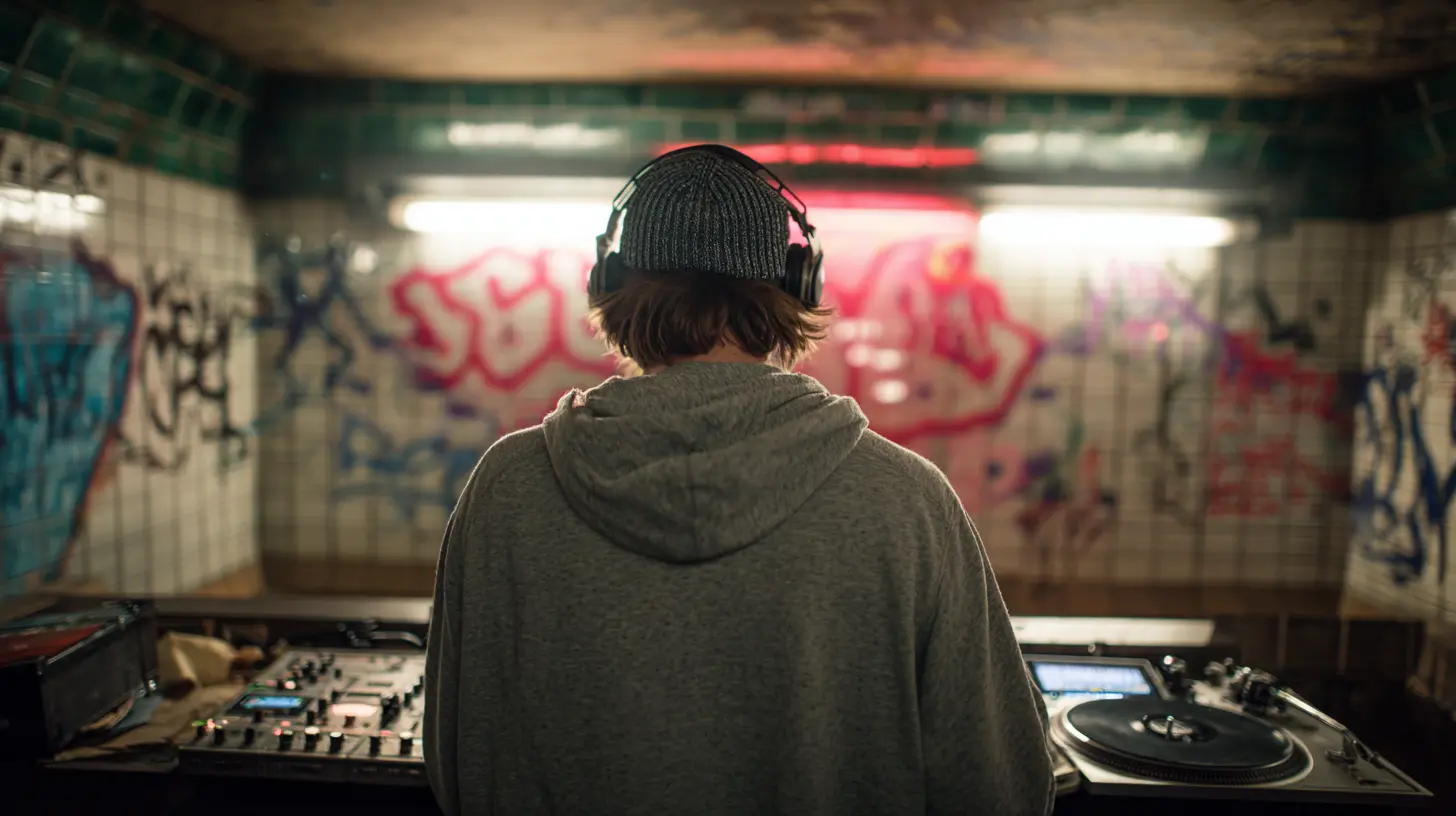
The Rules of the Game: How to Get In
You can't just show up to these places. That would defeat the purpose. Here's the deal: most underground parties in 2026 operate on a "word of mouth plus digital whisper" model. Start by following local record stores like Hard Wax or Oye Records on Instagram. They often post cryptic flyers-just a date, a time, and a location that says "follow the red line." Also, join Berlin-focused Discord servers dedicated to electronic music. The community is surprisingly welcoming, as long as you're respectful.When you do get in, remember the etiquette. No phones on the dance floor. That's non-negotiable. People are there to connect with the music, not to film you sweating. Also, bring cash. Many of these spots don't take cards, and the ATM in the corner might be broken. Oh, and don't expect a bartender. You're often on your own for drinks, which adds to the communal vibe.
The People: Who You'll Meet
The beauty of Berlin's underground in 2026 is the mix. You'll stand next to a software engineer who just got off a 12-hour shift, a retired punk who's been coming to these parties since the wall fell, and a tourist who accidentally stumbled in after following the wrong group of people. Everyone is there for the same reason: to lose themselves in the sound.I met a guy named Klaus at a party in a former bakery. He was 67 years old, wearing a faded leather jacket, and dancing like no one was watching. He told me he'd been going to underground parties since the 80s. "The music changes," he said, "but the feeling doesn't. It's still about escape. Still about freedom." He wasn't wrong. In a city that's constantly changing, the underground remains a constant-a place where you can be anonymous, yet part of something.
The Day After: What to Do When the Sun Comes Up
Look, you're going to be tired. Your ears will ring, your feet will ache, and you'll smell like a mix of sweat, smoke, and secondhand beer. But that's part of the experience. The best part of a Berlin underground night is the morning after. Find a late-night (or early-morning) döner spot. There's one on Warschauer Strasse that's open until 6 AM, and the guy behind the counter doesn't even blink when you order with a hoarse voice.If you're not ready to go home, some parties have an "after" in a separate location-often someone's apartment or a rented studio. These are even more intimate. The music gets slower, the conversation gets deeper, and you might end up talking to a stranger about their favorite track from 1998. It's in these moments that you realize the underground isn't about the venue or the DJ. It's about the people who show up.
Why You Should Go Now
Berlin's underground is a fragile thing. Every year, another venue closes, another space gets turned into luxury apartments. The city is fighting to keep its soul, and the underground is the last bastion. But in 2026, there's a resilience you can feel. The scene isn't dying-it's evolving. It's smaller, more focused, and more meaningful.If you come to Berlin this year, skip the tourist traps. Skip the Brandenburg Gate at sunset. Instead, take a train to an unfamiliar neighborhood, find a door with no handle, and knock. Inside, you'll find a version of the city that's raw, honest, and alive. You'll find the beats that make Berlin beat.
Practical Tips for the Brave
- Dress for the basement. It's always hotter than you think. Layers are your friend.- Bring earplugs. Seriously. Your future self will thank you.
- Learn a little German. Just basics like "no photos" and "where is the exit." It shows respect.
- Trust the locals. If someone says, "follow me to a good spot," go. That's how you find the best parties.
- Leave your expectations at the door. The underground doesn't care about your playlist or your favorite DJ. It's about the moment.
The Future of the Sound
I asked Elif what she thinks Berlin's underground will sound like in five years. She laughed and said, "Probably something we can't imagine. That's the point. It's always changing." And she's right. The beauty of this scene is its unpredictability. One night, you're listening to a live modular set in a warehouse. The next, you're in a park at 4 AM, dancing to a portable speaker someone brought. It's chaotic, messy, and perfect.So, are you ready to hear it? Berlin is waiting. Just follow the bass.
all images in this post were generated using AI tools
Category:
Local Music ScenesAuthor:

Kelly Hall
Discussion
rate this article
1 comments
Declan Pace
Exploring Berlin's underground scene is like finding hidden treasures. Who knew the best beats could be beneath the surface? Time to dance like nobody's watching... or judging!
July 2, 2026 at 2:20 AM