Buenos Aires Unplugged: Tango and Beyond in 2026
21 May 2026
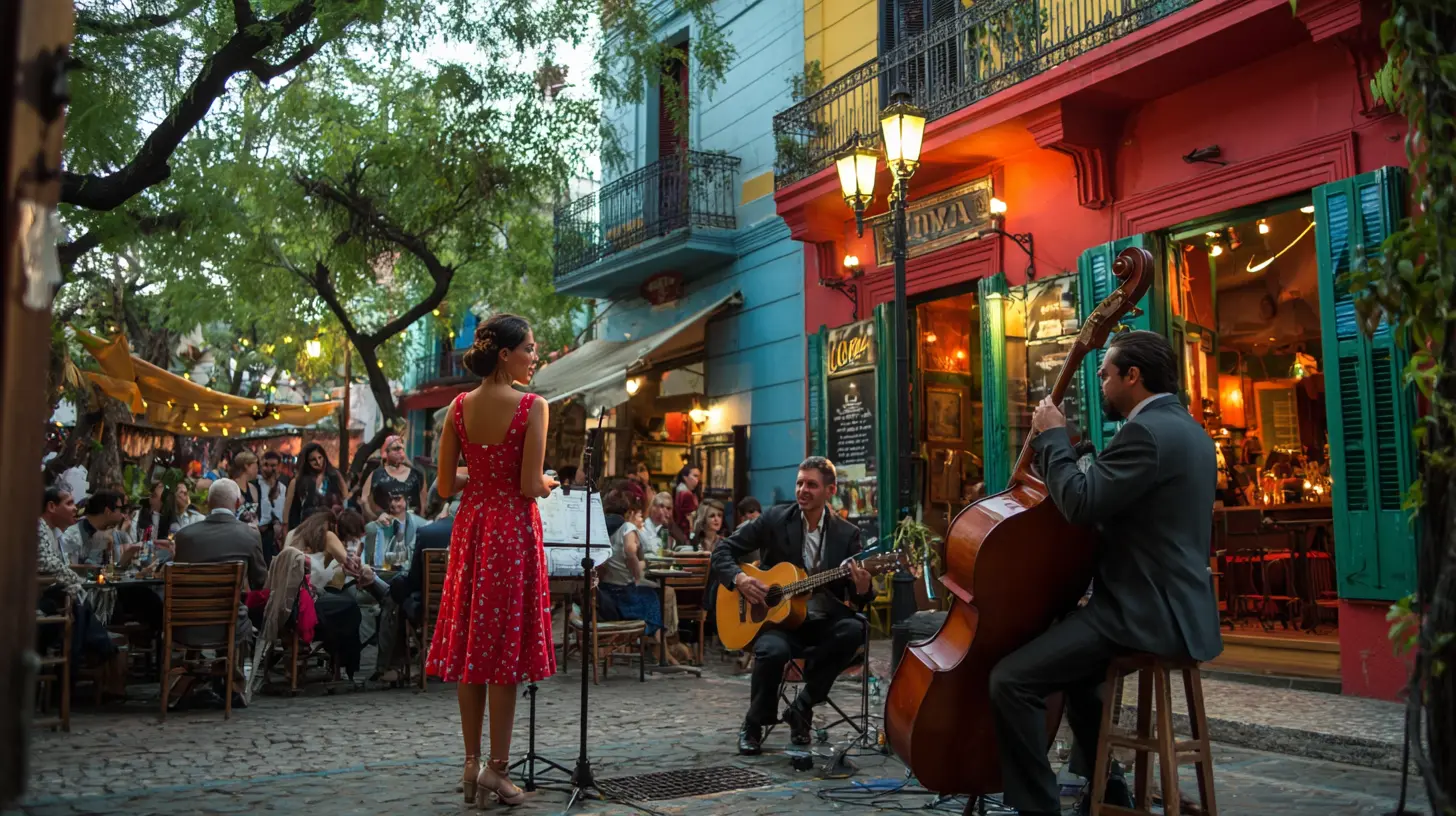
Let me paint you a picture. It's late evening, and the air smells like grilled beef, damp cobblestones, and jasmine from a hidden courtyard. A bandoneon wheezes from an open window, and somewhere, a woman in a red dress clicks her heels on a wooden floor. This is Buenos Aires, but not the one you've seen in postcards. This is the city as it breathes in 2026, raw, unpolished, and absolutely alive. Forget the tourist traps for a minute. I want to take you past the neon signs and into the heartbeat of a place that dances even when there's no music.
The Tango Lie We All Believed
Let's start with the elephant in the room. Tango. You probably think it's all staged shows with feather boas and fake passion, right? The kind where tourists sit in velvet chairs, sipping overpriced Malbec while dancers perform like clockwork puppets. I thought the same thing until I stumbled into a milonga in San Telmo at 2 AM on a Tuesday. The floor was cracked. The lights were flickering. And an old man in suspenders pulled a woman twice his age into an embrace so tight it looked like they were holding each other up.That's the real tango. It's not about the steps. It's about the pause between steps. It's about the way a stranger's hand on your back can feel like a conversation you've been waiting your whole life to have. In 2026, Buenos Aires is pushing back against the glitzy tango shows. Locals are reclaiming the dance in underground clubs, in dusty community centers, and even in the middle of plazas at midnight. You don't need lessons. You just need to show up and let the music grab you by the ribs.
Beyond the Dance: The City That Eats Late
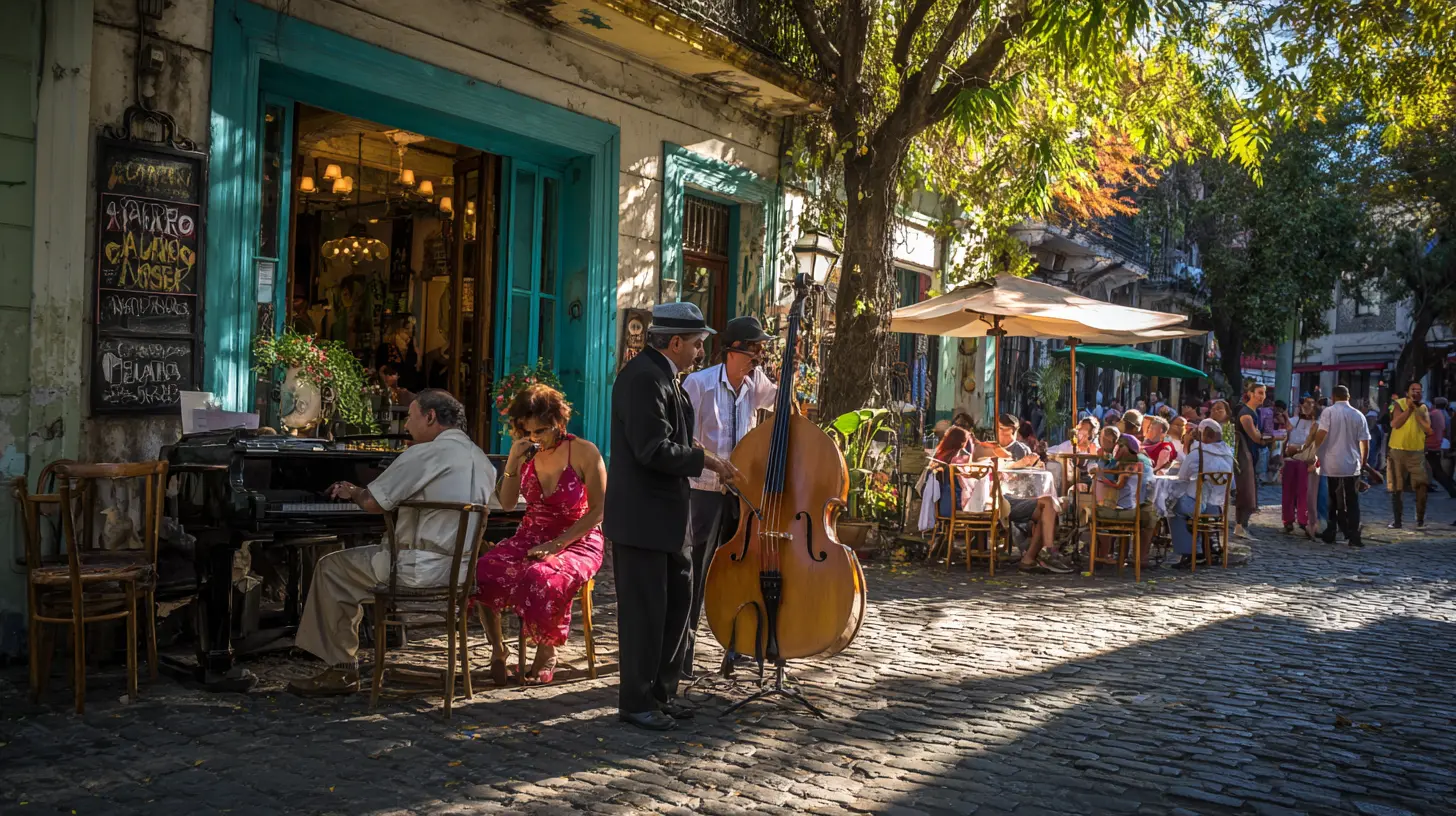
Here's a truth that will ruin every other city for you. In Buenos Aires, dinner at 10 PM is considered early. By midnight, the parrillas are packed with families, couples, and solo travelers hunched over plates of choripan. The meat here isn't just food. It's a religion. The asado is a ritual that involves fire, patience, and a lot of wine. If you visit in 2026, skip the fancy steakhouse with the white tablecloths. Find a hole-in-the-wall place where the grill master has been working the same fire for forty years. Order the mollejas (sweetbreads) even if they sound scary. Trust me. Your taste buds will forgive you.And the wine? Argentina does Malbec like Italy does pasta. But here's the secret nobody tells you. Try Torrontes. It's a white wine that smells like roses and tastes like a summer afternoon. It cuts through the grease of a choripan like a knife through butter. Pair that with a plate of provoleta, which is basically melted cheese grilled until it's crispy on the outside, and you've got a meal that makes you want to hug the chef.
The Neighborhoods That Feel Like Different Countries
Buenos Aires is not one city. It's a collection of small towns that got smashed together like mismatched puzzle pieces. Each barrio has its own personality, its own smell, its own rhythm. Let me walk you through a few that will stick with you.Palermo: The Hipster Heartbeat
Palermo is the neighborhood that never sleeps, but it also never tries too hard. In 2026, it's still the place where you'll find coffee shops with exposed brick walls and baristas who take their pour-overs way too seriously. But dig a little deeper. There's a street called Gorriti that feels like a secret. Tiny galleries, clothing boutiques run by designers you've never heard of, and a bakery that sells medialunas (Argentine croissants) so flaky they disintegrate in your hands. Grab one, find a bench in the Japanese Gardens, and watch the world go by. It's the closest thing to meditation you'll find in this city.La Boca: The Tourist Trap That's Still Worth It
I know. Everyone says La Boca is a tourist trap. And they're right. The Caminito street is packed with souvenir stalls and guys trying to charge you for photos of dancers. But here's the thing. If you wander just two blocks away from the main strip, the crowds vanish. Suddenly, you're in a neighborhood where the houses are still painted in those wild, clashing colors. There's a soccer field where kids play barefoot, and an old woman sells homemade empanadas from her window. The tourist trap is the bait. The real La Boca is the reward for walking a little further.Recoleta: Where the Dead Are More Famous Than the Living
This sounds morbid, but the Recoleta Cemetery is one of the most beautiful places in the city. It's not just a graveyard. It's a city of mausoleums, each one more ornate than the last. Eva Peron's tomb is here, and it's surprisingly modest compared to the marble mansions around it. But what I love about Recoleta is the contrast. Right outside the cemetery gates, there's a weekend market where you can buy handmade leather goods, vintage books, and weird antiques. Life and death, side by side, sipping mate on a park bench. That's Buenos Aires in a nutshell.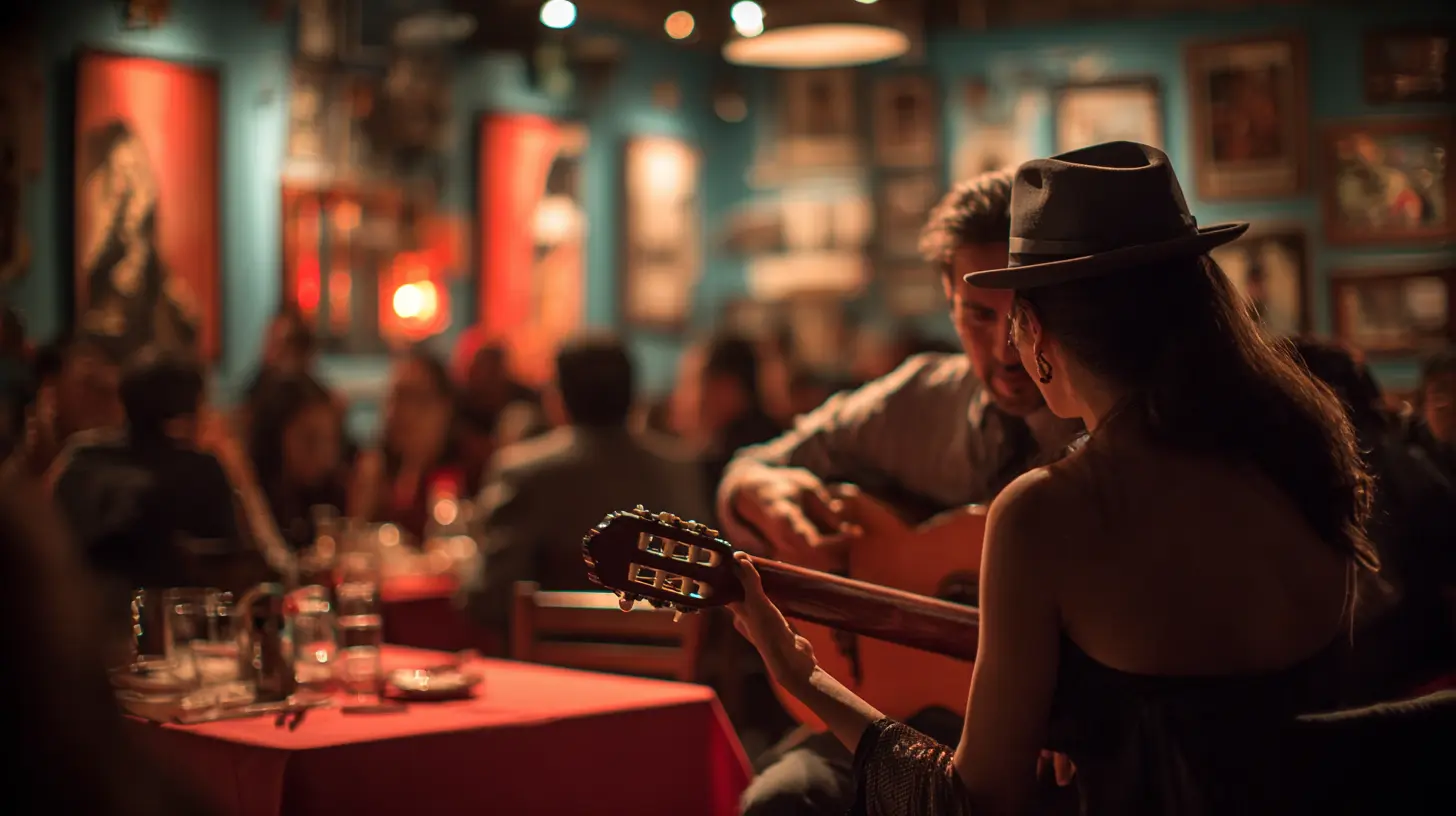
The Coffee Culture That Will Ruin You
If you're a coffee snob, prepare to have your standards ruined. Buenos Aires takes coffee seriously, but not in that pretentious, third-wave way. The classic cafe is a time capsule. Think dark wood, marble tables, and waiters in white jackets who have been working there since before you were born. Order a cafe cortado, which is espresso cut with a tiny amount of warm milk. It's strong enough to wake you up but smooth enough to drink without wincing.And then there's the mate. Oh, mate. This is not a drink. It's a social contract. You sit in a circle, pass around a gourd filled with bitter green tea, and sip through a metal straw. The first sip always burns your tongue. The second sip is an acquired taste. By the third sip, you're addicted. In 2026, mate is everywhere. You'll see people carrying thermoses on the subway, sipping from their gourds while walking dogs, or sharing it with strangers in the park. If someone offers you mate, say yes. It's the closest you'll get to being adopted by an Argentine.
The Arts Scene: More Than Just Tango
Let's talk about the elephant in the room again. Tango is the headline, but the arts scene in Buenos Aires is a symphony of chaos. Street art covers entire buildings in Palermo, with murals that change every few months. There's a gallery in La Boca called Fundacion Proa that shows cutting-edge contemporary art, and the building itself is a masterpiece of industrial design. And then there's the theater. Buenos Aires has more theaters per capita than almost any city in the world. You can see a one-person show in a converted garage or a full-blown opera in the Teatro Colon, which is so opulent it makes the Paris Opera look like a community center.In 2026, the underground art scene is exploding. Pop-up galleries in abandoned factories, experimental music in basements, and poetry readings in bookstores that smell like old paper and dust. The city is a canvas, and everyone is holding a brush.
The People: Why You'll Never Feel Alone
Here's the thing about Portenos (that's what locals call themselves). They are loud, opinionated, and they will talk to you like they've known you for years. A bus driver might give you a five-minute lecture on the best place to eat empanadas. A random woman in a park might invite you to her family's asado on Sunday. Strangers become friends over a shared bottle of wine at a sidewalk table. In a world that feels increasingly disconnected, Buenos Aires is the antidote. It's a city that forces you to connect, whether you want to or not.I remember sitting in a bar in Almagro, nursing a Quilmes beer, when an old man next to me started telling me about his life. He had been a tango dancer in the 1970s. He had traveled the world. But he came back to Buenos Aires because, in his words, "This city is the only place where my soul can breathe." He wasn't being poetic. He was being honest.
The Practical Stuff (Without the Boring List)
You're probably wondering when to go. March to June is perfect. The weather is mild, the crowds are thin, and the city feels like it belongs to you. Avoid January unless you enjoy suffocating humidity and prices that make your wallet cry. As for money, bring cash. Argentina has a complicated relationship with inflation, and credit cards can be tricky. There's a parallel exchange rate called the "blue dollar" that gives you way more for your money. Ask a local or check a reliable website. It's not illegal, but it's not exactly official either. Think of it as the city's little secret.Getting around is easy. The subway (Subte) is cheap and efficient, but the buses are where the real adventure lives. They go everywhere, and the routes are a mystery even to locals. Just wave one down, tell the driver your stop, and hope for the best. Taxis are affordable, but Uber works too. Just be prepared for drivers who treat traffic lights as suggestions.
The One Thing You Must Do in 2026
If you only do one thing on this trip, make it this. Find a milonga in a neighborhood you've never heard of. Go late, like after midnight. Order a fernet and Coke (the national drink, trust me). Sit in the corner and just watch. Watch the old couples who have been dancing together for fifty years. Watch the young kids who are learning the steps from their grandparents. Watch the solo dancers who close their eyes and move like they're underwater. Don't try to dance. Just let the music wash over you. This is Buenos Aires unplugged. This is the city stripped of its tourist veneer, raw and beautiful and utterly human.The Goodbye That Isn't Really a Goodbye
You will leave Buenos Aires with a hole in your chest. It's the kind of hole that only gets filled by coming back. The city gets under your skin like a splinter you can't remove. The tango will haunt you. The coffee will ruin you. The people will make you question why you ever left. And you will find yourself, months later, staring at a map, wondering if you can afford another ticket.Do it. Go. Buenos Aires in 2026 is waiting, and she doesn't care if you're ready. She'll grab you by the hand, spin you around, and let you go only when she's good and ready. And you'll thank her for it.
all images in this post were generated using AI tools
Category:
Local Music ScenesAuthor:

Kelly Hall
Discussion
rate this article
1 comments
Tyler Sharp
What a vibrant take on Buenos Aires! The blend of tango and local culture is so captivating. I can't wait to explore the hidden gems and lively scenes in 2026!
June 2, 2026 at 3:12 AM